Clunk When Shifting Into Drive or Reverse – Causes, Fixes, and Prevention
Hearing a sudden clunk from your vehicle when changing gears can be unsettling. Many drivers notice this noise specifically when engaging drive or reverse, and it often raises concerns about transmission health and overall vehicle safety. Understanding the reasons behind these sounds is essential for proper diagnosis and timely repair.
A clunk when shifting into drive or reverse usually indicates that something in the drivetrain, transmission, or engine mounts is not functioning smoothly. The sound can range from a subtle knock to a loud thud, depending on the severity and the specific components involved. While it may not always signal immediate danger, repeated or loud clunks should never be ignored.
Several factors contribute to this issue, including worn transmission mounts, loose components, or internal transmission problems. Paying attention to when the noise occurs, the type of vehicle, and the driving conditions can help identify the root cause.
Recognizing these early signs allows vehicle owners to address the problem proactively. Timely inspection and maintenance can prevent further damage and ensure smooth, safe operation when shifting between drive and reverse gears.
Common Symptoms of a Clunk When Shifting Into Drive or Reverse
Noticing a clunk when shifting into drive or reverse is a clear signal that something in your vehicle’s drivetrain or transmission system may be off. Recognizing the common symptoms associated with this issue is crucial for diagnosing the problem early. Paying attention to the timing, frequency, and accompanying signs helps determine whether it’s a minor concern or a more serious mechanical issue.
Loud or Sudden Clunking Noise
The most obvious symptom is a loud or sudden clunking noise when the gear lever is moved into drive or reverse. This noise is usually a result of a sudden shift in the drivetrain, often caused by worn or loose components such as transmission mounts, motor mounts, or universal joints. The sound may feel like a thud that reverberates through the chassis, making it noticeable to both driver and passengers.
The intensity of the clunk can vary depending on the severity of the issue. Minor wear in mounts may produce a subtle knock, whereas severely worn or broken components can cause a loud, alarming sound. Vehicles with automatic transmissions may experience this more frequently if the transmission fluid is low or degraded. Observing whether the noise happens consistently or only during specific conditions, such as cold starts or heavy loads, provides important diagnostic clues.
Vehicle Shudders or Jerks
Another common symptom is a shudder or jerk in the vehicle when shifting into drive or reverse. This occurs because the drivetrain isn’t fully absorbing the sudden transfer of power from the engine to the transmission. Worn engine or transmission mounts, loose bolts, or damaged universal joints can cause the car to lurch forward or backward slightly when engaging gears.
Drivers may feel the jerking more prominently when shifting from a complete stop or during cold engine starts. In some cases, the shudder may coincide with the clunking noise, while in others, it may be felt independently of any audible sound. Noticing the conditions under which the shudder occurs can help pinpoint whether the issue is related to mounts, drivetrain alignment, or transmission components.
Difficulty Engaging Gears
Difficulty or resistance when moving the gear selector into drive or reverse is another symptom often associated with a clunk. The gear lever may feel stiff, sticky, or like it is catching before engaging fully. This can indicate internal transmission issues such as worn synchronizers, clutch problems in manual transmissions, or valve body wear in automatic systems.
In some vehicles, this symptom may be accompanied by a delayed response from the drivetrain after the gear is selected. The car may hesitate slightly before moving, which can worsen the clunking sensation as the engine suddenly transfers torque to the transmission. Monitoring the gear engagement process carefully helps differentiate between simple linkage issues and more serious internal transmission damage.
Vibrations or Excessive Engine Movement
Excessive engine or transmission movement is another sign often linked to a clunk when shifting into drive or reverse. Worn or broken mounts allow the engine and transmission to move more freely than intended, causing vibrations, rattling, or a noticeable shift when gears engage. These movements increase stress on other drivetrain components, amplifying the clunk and creating additional wear.
Drivers may feel vibrations through the steering wheel, floor, or seat. Sometimes, the clunk occurs simultaneously with a noticeable jolt or tilt of the engine, which is particularly common when the vehicle is idling before shifting. Observing the engine’s position while the vehicle is in neutral, drive, and reverse can help identify worn or failing mounts as the source of the issue.
Transmission Fluid or Warning Indicators
In automatic vehicles, low or degraded transmission fluid can contribute to clunking noises. Fluid problems reduce lubrication and hydraulic pressure, causing gears to engage abruptly instead of smoothly. Warning lights, such as the check engine or transmission indicator, may also illuminate in conjunction with the clunk, signaling an underlying transmission problem.
Drivers should monitor fluid levels, color, and odor as part of symptom recognition. Dark or burnt-smelling fluid may indicate overheating or internal wear, which can amplify clunks during gear engagement. Timely attention to fluid condition and warning indicators is critical in preventing further damage and maintaining safe vehicle operation.
Diagnosing the Source of the Clunk
Pinpointing the source of a clunk when shifting into drive or reverse is essential for effective repairs and preventing further damage. Because multiple components can cause this noise, a systematic approach to diagnosis is necessary. Observing the vehicle’s behavior, performing visual inspections, and using specific tests can help identify whether the issue originates in the drivetrain, transmission, mounts, or suspension.
Observing the Noise and Vehicle Behavior
The first step in diagnosing a clunk is carefully observing when and how it occurs. Pay attention to whether the noise happens during cold starts, after long periods of idling, or under specific load conditions. Note whether the clunk coincides with visible engine or transmission movement, vibrations in the cabin, or unusual steering or braking feedback.
Recording these observations provides crucial diagnostic clues. For example, if the clunk occurs primarily when engaging reverse, it may indicate issues with mounts or drivetrain components, while noise in both drive and reverse could point to transmission problems. Consistent observation over multiple driving conditions helps mechanics narrow down potential causes before conducting detailed inspections or component tests.
Inspecting Engine and Transmission Mounts
Engine and transmission mounts are common culprits for clunks during gear engagement. A thorough inspection involves checking mounts for cracks, wear, or separation from the frame. Mechanics may also manually move the engine or transmission slightly to observe excessive movement, which often reproduces the clunk sound.
Visual inspection can reveal degraded rubber or broken metal brackets, while checking for loose bolts ensures mounts are securely attached. Addressing worn or damaged mounts early prevents additional stress on the drivetrain and suspension. Replacing compromised mounts often resolves the clunk completely, restoring smooth and stable gear engagement.
Checking Drivetrain Components
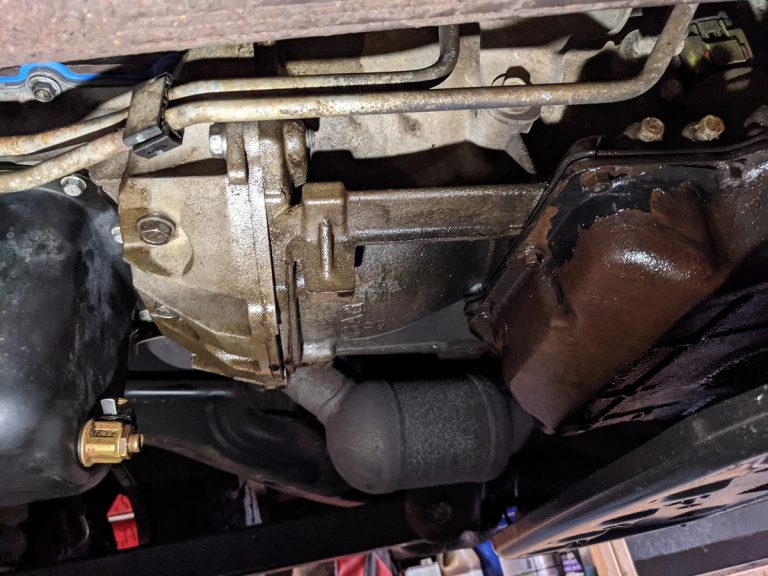
Drivetrain components, including universal joints, driveshafts, and differential connections, should be examined when diagnosing clunks. Loose, worn, or improperly lubricated parts can produce sudden noises when torque is applied. Mechanics inspect for excessive play, corrosion, or misalignment in these components.
Test drives with careful observation can help replicate the clunk under controlled conditions. Rotating the driveshaft manually, checking U-joints for binding, and inspecting the differential mounts are common diagnostic steps. Addressing issues in the drivetrain not only eliminates clunks but also improves overall vehicle stability and prevents more severe mechanical failures.
Assessing Transmission Function
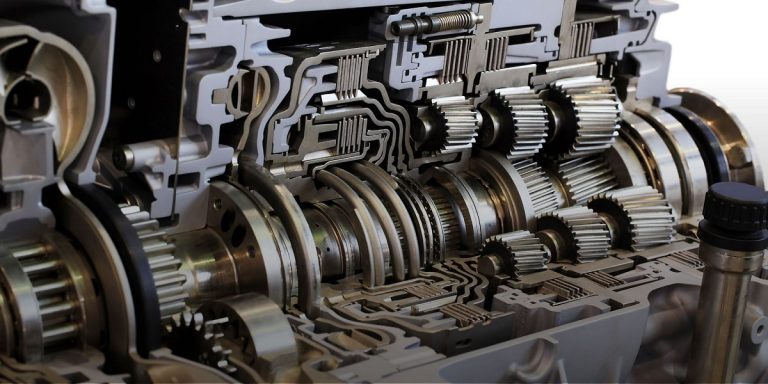
Internal transmission problems may also produce clunks when shifting. Checking fluid levels, fluid condition, and performing a diagnostic scan for error codes is essential. For manual transmissions, clutch operation and gear synchronizers are inspected, while automatic transmissions may require valve body or torque converter evaluation.
Mechanics may conduct shift tests while monitoring fluid pressure and engagement timing. Identifying transmission-related issues ensures appropriate repairs are performed, whether that involves fluid replacement, component adjustment, or internal repair. Proper diagnosis prevents recurring clunks and protects the longevity of the transmission.
Inspecting Suspension and Chassis Components
Finally, suspension and chassis components should be examined as part of the diagnostic process. Worn bushings, sway bar links, or control arms can amplify clunking noises when the engine or transmission shifts under torque. Inspecting these components for looseness, wear, or damage ensures that the clunk isn’t mistakenly attributed solely to the drivetrain or mounts.
Replacing or tightening compromised suspension parts restores stability and reduces noise transfer. A holistic approach, including drivetrain, mounts, transmission, and suspension inspection, provides the most accurate diagnosis of clunks during gear engagement.
Immediate Fixes for Clunking When Shifting
A clunk when shifting into drive or reverse can signal problems that, if left unaddressed, may lead to more serious damage. While long-term repairs often involve replacing mounts or transmission components, there are immediate steps drivers can take to reduce noise and prevent sudden steering or drivetrain issues. These fixes focus on temporary relief and stabilizing the system until professional repairs can be performed.
Checking and Tightening Mounts
One of the quickest immediate fixes involves inspecting engine and transmission mounts for loose bolts or obvious damage. Over time, mounting bolts can loosen, causing the engine or transmission to shift more than intended when gears are engaged. Tightening loose mounts can significantly reduce clunking noises and restore a sense of stability.
Even if mounts appear worn, ensuring bolts are secure may provide temporary relief. Visual inspection can reveal cracks, separation of rubber, or metal fatigue, which indicate that permanent replacement is necessary. While this doesn’t fully solve worn mounts, it can prevent sudden, loud clunks during short drives and reduce stress on other drivetrain components until proper repairs are made.
Inspecting Drivetrain Components
The drivetrain is often responsible for clunks, especially universal joints, driveshafts, and differential connections. Checking for excessive play, lubrication issues, or visible damage can help identify the immediate source of the noise. Lubricating dry joints or tightening loose connections can temporarily reduce clunking when shifting into drive or reverse.
Drivers may notice a difference immediately after minor adjustments or lubrication. Testing gear engagement in a safe, controlled environment helps confirm that the clunk is reduced. While addressing worn drivetrain components permanently requires replacement, these immediate measures prevent further damage to surrounding parts and make short-term vehicle operation safer.
Checking Transmission Fluid
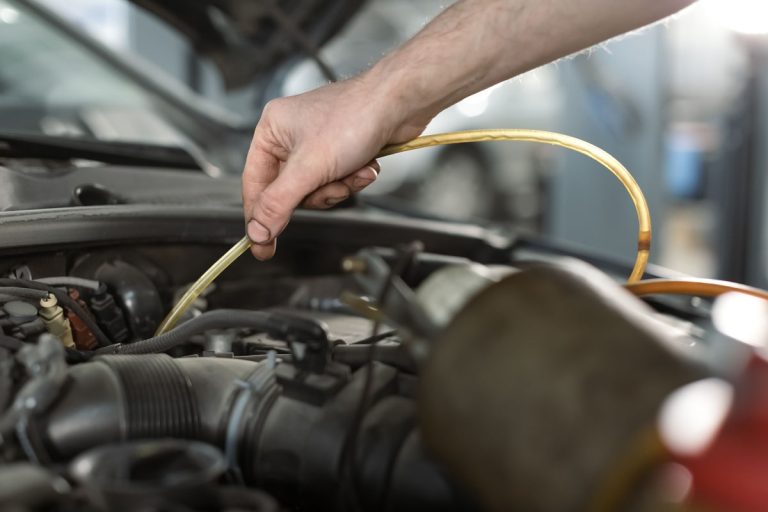
For automatic transmissions, low or contaminated fluid is a common cause of clunks when shifting. Checking the fluid level and condition is an immediate action that can temporarily improve gear engagement. Adding the correct fluid or topping off a slightly low level may reduce sudden jerks or clunks.
Contaminated or burnt fluid can cause improper hydraulic pressure, resulting in abrupt gear engagement. While fluid replacement is the long-term solution, topping off or flushing contaminated fluid temporarily restores smoother operation. Monitoring the vehicle after fluid adjustments can help determine whether the clunk is fluid-related or caused by another mechanical issue.
Using Controlled Shifting Techniques
While diagnosing the problem, adjusting driving behavior can help reduce the immediate impact of clunking. Engaging gears slowly, allowing the engine RPM to stabilize, and avoiding abrupt acceleration or braking can minimize torque shock through the drivetrain.
Controlled shifting reduces the stress on mounts, drivetrain components, and the transmission itself. This technique is particularly useful when short trips are necessary before professional repairs. Although it doesn’t fix the underlying problem, careful driving can prevent sudden, loud clunks and reduce the risk of secondary damage during temporary operation.
Temporary Suspension and Chassis Checks
Worn suspension or chassis components can amplify the clunking noise. Conducting a quick visual inspection of bushings, sway bar links, and control arms allows for minor adjustments, such as tightening loose bolts. This can reduce excessive movement and mitigate the sound temporarily.
While replacement is the ultimate solution for worn parts, tightening or adjusting these components provides immediate relief and enhances driving stability. Combined with mount checks, fluid management, and careful driving, this approach offers a practical short-term solution for clunking when shifting into drive or reverse.
Long-Term Solutions and Maintenance Tips
Addressing a clunk when shifting into drive or reverse requires more than temporary fixes. Long-term solutions focus on replacing worn components, performing regular maintenance, and ensuring proper operation of both drivetrain and transmission systems. Consistent care prevents recurring issues, protects vehicle components, and improves overall driving comfort and safety.
Replacing Worn Engine and Transmission Mounts
Engine and transmission mounts are often the primary cause of clunks during gear engagement. Over time, the rubber in these mounts can degrade or metal brackets can weaken, allowing the engine or transmission to move excessively. Replacing worn or broken mounts provides a permanent solution that restores stability and reduces noise.
Mechanics recommend using high-quality, manufacturer-recommended mounts to ensure proper fit and durability. Replacing mounts not only eliminates clunks but also reduces stress on the drivetrain, suspension, and chassis components. Regular inspection of mounts during routine maintenance allows early detection of wear, preventing sudden noises or further damage that could affect steering, acceleration, or braking performance.
Servicing Drivetrain Components
Drivetrain components such as universal joints, driveshafts, and differential mounts can wear over time, leading to clunks when engaging gears. Long-term solutions include inspecting, lubricating, or replacing worn U-joints, driveshafts, and differential connections. Proper alignment and secure fastening of these parts ensure smooth torque transfer.
Lubrication is particularly important in preventing binding or dry joints, which often cause sudden clunks. For worn or damaged components, replacement is essential to restore proper function and prevent damage to surrounding parts. Scheduled drivetrain inspections as part of vehicle maintenance help catch minor issues before they escalate, providing a stable and quiet gear-shifting experience.
Transmission Maintenance and Fluid Management
For automatic transmissions, maintaining proper fluid levels and quality is critical for long-term reliability. Replacing old, contaminated, or burnt fluid with the manufacturer-recommended type ensures smooth hydraulic operation, preventing abrupt gear engagement and clunks.
In addition to fluid maintenance, regular inspections of internal components such as the torque converter, valve body, and synchronizers (for manuals) help detect wear that could lead to clunks. Addressing these issues early ensures long-lasting transmission performance and reduces the risk of costly repairs. Maintaining proper fluid temperature and levels also protects seals, gaskets, and internal gears.
Suspension and Chassis Care
Suspension and chassis components can amplify clunks if left unchecked. Long-term solutions include inspecting and replacing worn control arm bushings, sway bar links, and strut mounts. Ensuring all bolts and mounts are properly tightened reduces excessive movement that contributes to clunking noises.
Regular alignment checks, tire inspections, and chassis lubrication also support a smooth gear engagement experience. Maintaining the suspension system in good condition complements engine, transmission, and drivetrain care, preventing vibrations, jolts, and unnecessary wear. Proactive suspension maintenance enhances overall vehicle stability and reduces stress on drivetrain components.
Scheduled Professional Inspections
Routine professional inspections are key to preventing recurring clunks when shifting into drive or reverse. Mechanics can perform comprehensive checks of mounts, drivetrain, transmission, and suspension components to identify potential issues before they become serious problems.
Professional maintenance ensures that worn parts are replaced promptly, fluids are properly serviced, and electrical or mechanical systems are functioning correctly. Combining DIY inspections with regular professional servicing provides the best long-term protection, helping vehicles remain smooth, quiet, and reliable during gear engagement for years to come.
People Also Asked
Why Do I Hear a Clunk When Shifting Into Drive or Reverse?
A clunk when shifting into drive or reverse usually indicates movement or stress within your drivetrain or transmission system. It can occur due to worn engine or transmission mounts that allow the engine to shift suddenly. Other causes may include loose universal joints, worn driveshaft components, or internal transmission issues that create sudden torque transfer.
This sound often coincides with a brief jolt or vibration in the cabin. Observing when the clunk happens and noting any additional symptoms helps you determine whether it’s a minor mount issue or a sign of a more serious mechanical problem.
Can Low Transmission Fluid Cause a Clunk When Shifting?
Yes, low or contaminated transmission fluid can contribute to clunking noises when engaging drive or reverse. In automatic transmissions, fluid maintains hydraulic pressure to allow smooth gear engagement. Low fluid levels reduce pressure, causing abrupt shifts that create a clunking sound.
Dirty or burnt fluid can also cause similar problems by affecting internal components like the torque converter or valve body. Checking and maintaining the correct fluid level with the recommended type helps prevent clunks and ensures smoother shifting while protecting your transmission from long-term damage.
Are Worn Engine or Transmission Mounts Responsible for Clunks?
Worn or broken engine and transmission mounts are among the most common causes of clunks when shifting. These mounts secure your engine and transmission, absorbing vibrations and controlling movement. When they fail, the sudden torque applied during gear engagement can cause the drivetrain to move abruptly, producing a noticeable clunk.
Symptoms often include vibrations in the cabin or visible movement of the engine under the hood. Replacing degraded mounts restores stability and prevents further stress on the transmission, drivetrain, and suspension components. Regular inspections help detect wear early.
Can a Clunk Indicate Internal Transmission Problems?
Yes, internal transmission problems can produce clunks when shifting into drive or reverse. Worn gears, damaged synchronizers, or a failing torque converter in automatic transmissions may engage abruptly, creating a sudden noise. Manual transmissions may clunk due to worn clutch components or misaligned gears.
Other signs of internal transmission issues include delayed engagement, rough shifting, or grinding noises. Diagnosing these problems requires inspecting internal components, fluid condition, and pressure levels to prevent further damage and ensure smooth, safe operation.
Could the Drivetrain or Driveshaft Be Causing the Clunk?
Absolutely. Drivetrain components like universal joints, driveshafts, and differential mounts can produce a clunk when shifting into drive or reverse. Worn, loose, or improperly lubricated components transmit sudden torque unevenly, resulting in a noticeable noise and sometimes vibrations.
Inspecting the U-joints for excessive play, checking driveshaft alignment, and ensuring differential mounts are secure can identify the source. Proper lubrication and timely replacement of worn parts eliminate clunks and protect the surrounding drivetrain components from further stress or damage.
Is It Safe to Drive With a Clunk When Shifting?
Driving with a clunk when shifting into drive or reverse is generally not recommended. While minor mount issues may not immediately affect safety, ignoring the problem can lead to worsening drivetrain stress, internal transmission damage, or sudden loss of control.
If you notice clunks, vibrations, or delayed engagement, it’s best to limit driving until the vehicle is inspected. Prompt diagnosis and repair help ensure your transmission, mounts, and drivetrain components remain safe and reliable, reducing the risk of costly repairs or accidents.
How Can I Prevent a Clunk When Shifting Into Drive or Reverse?
Preventing clunks requires regular maintenance and early detection of wear. Regularly check engine and transmission mounts for cracks or damage, maintain proper transmission fluid levels, and inspect drivetrain components like U-joints and driveshafts.
Scheduled professional inspections of suspension, chassis, and transmission systems can catch potential issues early. Timely replacement of worn parts, proper lubrication, and careful driving techniques also help reduce sudden torque impacts. Consistent care keeps your vehicle shifting smoothly, prevents clunks, and extends the life of your drivetrain and transmission components.
Final Words
Experiencing a sudden noise while changing gears can be both alarming and concerning for any driver. A clunk when shifting into drive or reverse often signals underlying issues within the drivetrain, transmission, or suspension system. Addressing these signs early can prevent further damage and avoid costly repairs down the road.
Regular inspections of engine and transmission mounts, CV joints, and drivetrain components are crucial to maintaining smooth gear engagement. Ensuring transmission fluid is at the proper level and in good condition also plays a significant role in preventing clunking noises. Ignoring these warning signs can lead to increased wear, decreased vehicle performance, and potential safety hazards.
By staying attentive to any unusual sounds and performing timely maintenance, you can ensure your vehicle operates reliably. Understanding the causes and fixes of a clunk when shifting into drive or reverse helps maintain both safety and comfort while driving.