Ac Blowing Hot Air After Replacing Thermostat – Hidden Causes & Quick Fixes
Replacing a thermostat is often done to resolve engine temperature issues, but sometimes a new problem appears right after the repair. Many drivers are surprised to notice that their air conditioning system no longer cools as expected. Instead of refreshing cold air, warm air starts flowing through the vents, creating confusion and frustration.
This situation can feel especially disappointing after investing time and money into fixing the cooling system. A properly functioning thermostat regulates engine temperature, yet its replacement can occasionally affect related components or reveal underlying issues.
When you experience ac blowing hot air after replacing thermostat, it usually signals that something within the cooling or AC system needs further attention. Air pockets, coolant level problems, or disconnected components can interfere with normal operation.
Common Symptoms When Ac Blowing Hot Air After Replacing Thermostat
After replacing a thermostat, your vehicle’s cooling system should operate more efficiently. However, some drivers notice unexpected air conditioning issues soon after the repair. Recognizing the common symptoms linked to AC problems can help you determine whether the issue is related to coolant flow, trapped air, or another system fault that developed during or after the thermostat replacement.
Warm Air From Vents Despite AC Being On
One of the most obvious symptoms is warm or hot air coming from the vents even though the AC is turned on. You may set the temperature to the coldest setting and adjust the fan speed, yet the airflow remains warm.
This often happens because the cooling system was not properly bled after the thermostat replacement. Air pockets trapped in the system can disrupt coolant circulation, which indirectly affects how the heater core and climate control system operate. In some cases, coolant levels may be too low, preventing the system from maintaining stable operating temperatures. As a result, the AC system cannot cool effectively, leaving you with uncomfortable cabin conditions.
Fluctuating Engine Temperature Gauge
Another common symptom is an unstable or fluctuating temperature gauge on the dashboard. After replacing the thermostat, the engine temperature should remain steady once it reaches normal operating range.
When the gauge rises and falls unexpectedly, it may indicate improper coolant flow or trapped air in the system. These irregularities can interfere with the vehicle’s overall temperature regulation, which may impact AC performance. An overheating engine can also cause the system to prioritize engine cooling over cabin comfort, resulting in warm air from the vents. Monitoring temperature fluctuations helps identify whether the issue is tied to the cooling system rather than the AC components alone.
Inconsistent Cooling At Idle Or Low Speeds
You might notice that the AC blows slightly cooler air while driving at higher speeds but turns warm when idling or moving slowly. This symptom often points to airflow or coolant circulation problems that became noticeable after the thermostat was replaced.
At higher speeds, increased airflow through the radiator may temporarily improve cooling performance. However, when the vehicle slows down, reduced airflow combined with cooling system inefficiencies can cause the AC to lose its effectiveness. This inconsistency suggests that something within the cooling system, such as improper installation or insufficient coolant, may be contributing to the problem.
Coolant Leaks Or Low Coolant Levels
Coolant leaks are another symptom commonly associated with AC issues following thermostat replacement. Small leaks may occur around the thermostat housing, hoses, or nearby connections that were disturbed during the repair.
Low coolant levels can disrupt the engine’s ability to maintain consistent temperature, which in turn affects the heater core and climate control functions. You may notice puddles under the vehicle, a sweet smell from the engine bay, or a low coolant warning light. Addressing leaks promptly ensures proper system pressure and restores both engine cooling and AC efficiency.
Unusual Noises From Cooling Or AC System
Strange sounds such as gurgling, bubbling, or hissing can also indicate problems when the AC starts blowing hot air after thermostat replacement. Gurgling noises often suggest trapped air in the cooling system, while hissing may point to pressure irregularities.
These sounds typically occur when coolant flow is restricted or uneven. Air pockets prevent smooth circulation, leading to temperature imbalances that affect cabin cooling. Paying attention to unusual noises helps you detect hidden cooling system issues that may not be immediately visible but are directly impacting AC performance.
Incorrect Thermostat Installation Issues
A thermostat replacement may seem straightforward, but even small installation mistakes can create significant cooling and performance problems. When installed incorrectly, the thermostat can disrupt coolant flow, cause overheating, or interfere with the vehicle’s climate control system. Understanding common installation errors helps identify why issues such as poor engine performance or AC problems arise after the repair.
Wrong Thermostat Orientation
One of the most common installation mistakes is placing the thermostat in the wrong orientation. Thermostats are designed to open and close based on engine temperature, and they must face the correct direction to function properly.
When installed backward, coolant flow becomes restricted or completely blocked. This prevents the engine from reaching or maintaining its proper operating temperature. As a result, the temperature gauge may fluctuate, the engine may overheat, and the heater or AC system may not perform correctly. Incorrect orientation disrupts the entire cooling cycle, leading to inefficient temperature regulation and potential long-term engine damage.
Improper Sealing And Gasket Problems
Another frequent issue involves improper sealing during installation. The thermostat housing requires a properly fitted gasket or seal to maintain system pressure and prevent coolant leaks.
Reusing an old gasket, failing to clean the mounting surface, or applying sealant incorrectly can lead to leaks around the thermostat housing. Even a small coolant leak reduces system pressure and disrupts coolant circulation. This can cause overheating, inconsistent temperature readings, and poor climate control performance. Ensuring that the gasket is new, properly aligned, and securely tightened prevents leaks and maintains stable cooling system operation.
Failure To Bleed Air From The Cooling System
After installing a new thermostat, it is essential to remove trapped air from the cooling system. Air pockets can form during the replacement process and interfere with proper coolant circulation.
When air remains in the system, coolant cannot flow evenly through the engine and radiator. This may cause temperature spikes, weak heater performance, and AC blowing warm air. Gurgling noises or fluctuating temperature readings often indicate trapped air. Properly bleeding the system restores consistent coolant flow, stabilizes engine temperature, and ensures that all components function as intended after the repair.
Using The Wrong Thermostat Rating
Installing a thermostat with the incorrect temperature rating can also create problems. Thermostats are designed to open at specific temperatures based on manufacturer recommendations.
A thermostat that opens too early may prevent the engine from reaching optimal operating temperature, while one that opens too late can lead to overheating. Both scenarios affect engine efficiency and climate control performance. Using the manufacturer-specified thermostat ensures balanced temperature regulation, supports fuel efficiency, and maintains reliable heating and cooling inside the vehicle.
Over-Tightening Or Loose Bolts
Improper tightening of thermostat housing bolts is another installation issue. Over-tightening can crack the housing or distort the gasket, leading to leaks. Loose bolts may allow coolant to escape or reduce system pressure.
Either condition disrupts coolant flow and temperature stability. Proper torque specifications should always be followed to secure the housing without causing damage. Correct bolt tightening ensures a secure seal, consistent coolant circulation, and dependable engine cooling performance.
Cooling System Problems Affecting AC Performance
Your vehicle’s cooling system and air conditioning system may seem separate, but they are closely connected. The cooling system regulates engine temperature, while the AC system depends on stable engine operation to function efficiently. When cooling components fail or operate improperly, AC performance can suffer. Understanding these interconnected problems helps explain why cooling system faults often lead to warm air from the vents.
Low Coolant Levels And Poor Circulation
Low coolant levels are one of the most common cooling system problems that affect AC performance. Coolant plays a vital role in maintaining stable engine temperature, and insufficient levels can lead to overheating or inconsistent thermal regulation.
When coolant is low, circulation becomes uneven, causing the engine to run hotter than normal. Modern vehicles may automatically reduce AC efficiency when engine temperatures rise, prioritizing engine protection over cabin comfort. You may notice fluctuating temperature gauges, weak airflow cooling, or warm air during idle. Addressing coolant leaks, refilling the system properly, and ensuring no air pockets remain are essential steps in restoring both engine and AC performance.
Radiator Or Cooling Fan Malfunctions
The radiator and cooling fans are critical for dissipating heat from the engine. When either component fails, excessive heat builds up under the hood, affecting overall system efficiency.
A clogged radiator restricts coolant flow, while a malfunctioning cooling fan reduces airflow needed to cool the radiator, especially during idle or low-speed driving. Increased engine temperature can interfere with AC performance, leading to warm air output. You may also notice overheating warnings or poor cooling at stoplights. Ensuring the radiator is clean and fans operate correctly maintains proper heat exchange and supports consistent AC functionality.
Faulty Water Pump Or Coolant Flow Issues
The water pump is responsible for circulating coolant throughout the engine and radiator. When the pump begins to fail, coolant flow becomes inconsistent or weak.
Poor circulation causes uneven engine temperatures and potential overheating, which can indirectly impact AC efficiency. In some cases, you may hear whining or grinding noises from the engine bay, indicating pump wear. Without proper coolant movement, the system cannot regulate temperature effectively, forcing the AC to struggle in maintaining cool cabin air. Replacing a failing water pump restores consistent coolant flow and stabilizes both engine and climate control systems.
Thermostat-Related Cooling Imbalances
A malfunctioning or incorrectly installed thermostat can disrupt coolant flow and create temperature imbalances. When the thermostat sticks closed, coolant cannot circulate properly, leading to overheating. When it remains open, the engine may run too cool, reducing efficiency.
Both scenarios can impact AC performance. Overheating may cause the system to limit AC output, while unstable temperatures can create inconsistent cooling inside the cabin. Monitoring engine temperature readings and ensuring the thermostat functions correctly helps maintain balanced cooling and reliable AC operation.
Air Pockets In The Cooling System
Air trapped within the cooling system can create hot spots and interfere with proper coolant circulation. Air pockets often form after repairs such as thermostat replacement or coolant refilling.
These pockets prevent smooth coolant flow, leading to fluctuating engine temperatures and reduced AC effectiveness. Gurgling sounds, unstable temperature gauges, and inconsistent heating or cooling may signal trapped air. Properly bleeding the cooling system eliminates air pockets, restores steady circulation, and supports consistent AC performance.
AC System Related Causes
When your vehicle’s air conditioning starts blowing warm air, the issue is not always connected to the cooling system or recent repairs. In many cases, the problem originates directly within the AC components themselves. From refrigerant leaks to compressor failures, several internal faults can reduce cooling efficiency. Identifying these AC system related causes helps you understand why cabin temperatures remain uncomfortable despite other repairs.
Low Refrigerant Levels Or Refrigerant Leaks
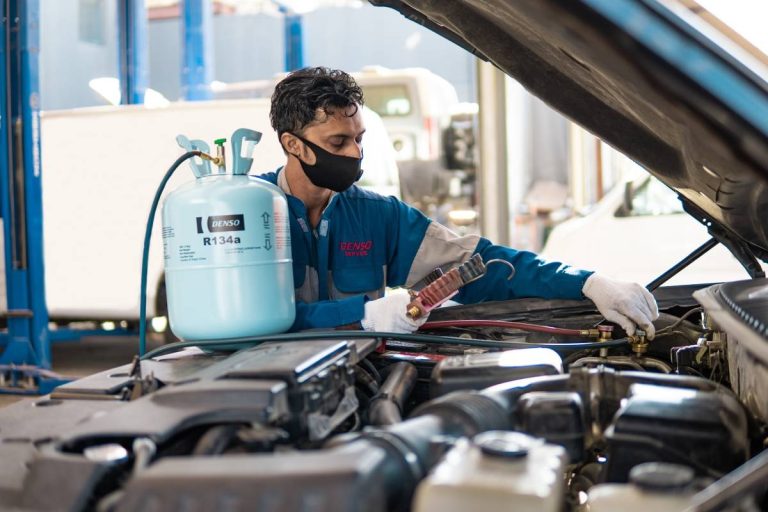
Low refrigerant is one of the most common AC system related causes of poor cooling performance. Refrigerant is responsible for absorbing heat from inside the cabin and releasing it outside the vehicle. When levels drop, the system loses its ability to cool effectively.
Leaks often develop in hoses, seals, condenser units, or connection fittings over time. Even a small leak gradually reduces pressure within the system, leading to weak airflow or completely warm air. You may also hear the compressor cycling on and off more frequently than normal. Oil residue around AC components can sometimes indicate a refrigerant leak.
Without sufficient refrigerant, the compressor cannot maintain proper pressure levels, and cooling performance declines quickly. Recharging the system without fixing the leak only provides temporary relief. Proper inspection, leak detection, and sealing the affected component are essential steps in restoring consistent AC operation.
Failing AC Compressor
The AC compressor is the heart of the air conditioning system. It pressurizes the refrigerant and circulates it through the condenser and evaporator. When the compressor begins to fail, the entire cooling cycle becomes disrupted.
A worn compressor clutch, internal mechanical damage, or electrical faults can prevent the compressor from engaging properly. You might notice unusual noises such as grinding, rattling, or squealing from the engine bay. In some cases, the AC may blow cool air intermittently before completely failing.
When the compressor does not function efficiently, refrigerant cannot circulate as designed. This results in warm air from the vents and reduced cabin comfort. Prompt diagnosis and replacement of a failing compressor help prevent further damage to other AC components and restore reliable cooling performance.
Clogged Or Damaged AC Condenser
The AC condenser plays a vital role in releasing heat absorbed from the cabin. Located at the front of the vehicle, it relies on proper airflow to dissipate heat effectively.
Debris such as dirt, leaves, or road grime can clog the condenser fins, restricting airflow. Physical damage from road debris may also bend fins or create internal blockages. When the condenser cannot release heat efficiently, refrigerant temperatures remain high, and the cooling process weakens.
You may notice that the AC performs poorly during hot weather or while idling in traffic. Cleaning the condenser surface and ensuring it is free from obstructions improves heat exchange. In cases of severe damage or internal blockage, condenser replacement may be necessary to restore full AC functionality.
Faulty Blend Door Or Climate Control Actuator
Not all AC system related causes involve refrigerant or mechanical components. Sometimes, the issue lies within the vehicle’s climate control system. The blend door controls the mix of hot and cold air entering the cabin.
When the blend door actuator fails, it may become stuck in the warm air position. Even though the AC system is functioning properly, heated air continues to mix with cooled air, resulting in lukewarm airflow from the vents. Clicking sounds from the dashboard or inconsistent temperature control can indicate actuator problems.
A malfunctioning climate control module may also send incorrect signals to the system, preventing proper temperature adjustments. Repairing or replacing the faulty actuator restores correct airflow direction and allows the AC system to deliver consistent cold air inside the cabin.
Electrical And Sensor Issues
Modern vehicle air conditioning systems rely heavily on electrical components and sensors to function properly. Even when mechanical parts are in good condition, electrical faults or inaccurate sensor readings can disrupt cooling performance. From blown fuses to malfunctioning temperature sensors, these issues often cause inconsistent airflow or warm air from the vents. Understanding electrical and sensor-related problems helps pinpoint hidden causes behind AC system failures.
Faulty AC Pressure Sensors
AC pressure sensors monitor refrigerant pressure within the system and communicate with the vehicle’s control module. These sensors ensure the compressor operates within safe pressure limits. When a pressure sensor becomes faulty, it may send incorrect data to the system.
Inaccurate readings can cause the compressor to shut off prematurely or prevent it from engaging at all. As a result, the AC may blow warm air even though refrigerant levels are adequate. You might also notice the compressor cycling rapidly or not activating during operation.
Because the system relies on precise pressure regulation, even a minor sensor malfunction can significantly impact performance. Diagnosing the issue typically requires scanning the vehicle for error codes and verifying sensor output. Replacing a defective pressure sensor restores accurate communication and allows the AC system to function as designed.
Blown Fuses And Relay Failures
Fuses and relays protect and control the electrical circuits that power the AC system. When a fuse blows or a relay fails, critical components such as the compressor clutch or cooling fan may lose power.
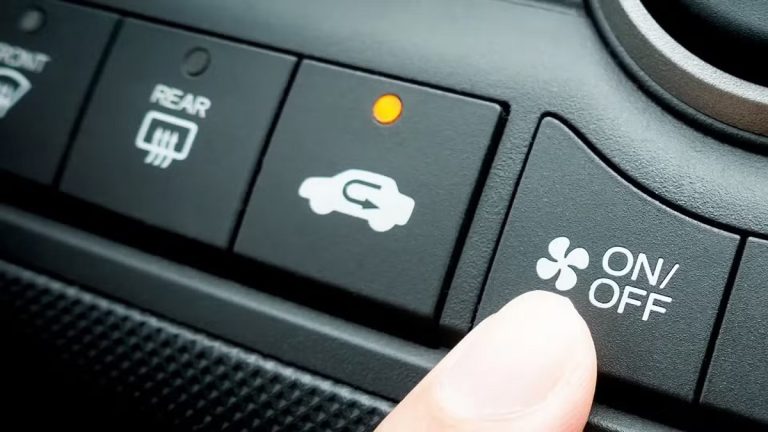
A blown fuse often results in the AC system not turning on at all. In other cases, a faulty relay may prevent the compressor from engaging, even though the rest of the system appears functional. You may notice that the AC button lights up but no cooling occurs.
Electrical interruptions can happen due to short circuits, aging components, or wiring damage. Inspecting the fuse box and testing relays can quickly reveal the source of the problem. Replacing a failed fuse or relay restores power flow and allows the AC system to resume normal operation.
Malfunctioning Temperature Sensors
Temperature sensors play a crucial role in regulating cabin comfort. These sensors monitor interior and exterior temperatures and adjust cooling output accordingly. When a temperature sensor fails, it may misread conditions and send incorrect signals to the control module.
This can cause the AC system to reduce cooling output or stop functioning entirely, even when the cabin remains warm. Inconsistent airflow temperature, sudden changes in cooling performance, or inaccurate dashboard readings often indicate sensor problems.
Since modern climate control systems depend on precise temperature data, a malfunctioning sensor disrupts overall efficiency. Diagnostic tools can identify faulty sensors, and replacing them ensures accurate temperature monitoring and stable cooling performance.
Wiring Harness And Ground Connection Problems
The AC system depends on a network of wiring harnesses and secure ground connections. Damaged wires, loose connectors, or corroded grounds can interrupt electrical signals and power delivery.
Over time, vibration, heat, and moisture may degrade wiring insulation or loosen connectors. This can lead to intermittent AC operation, unexpected shutdowns, or complete system failure. In some cases, the compressor may engage sporadically due to unstable electrical connections.
Carefully inspecting wiring for visible damage and testing ground points helps identify hidden electrical faults. Repairing or replacing damaged wires restores consistent electrical communication throughout the system. Ensuring solid connections allows sensors, relays, and control modules to operate reliably and maintain proper AC performance.
Frequently Asked Questions
What Causes AC To Blow Hot Air After Replacing Thermostat?
When your AC blows hot air after replacing the thermostat, it often relates to issues in the cooling system rather than the AC itself. Air trapped in the coolant system, low coolant levels, or improper thermostat installation can prevent the engine from reaching normal operating temperature.
This disruption affects the heater core and indirectly impacts the AC system. Additionally, disconnected hoses or improperly seated gaskets during thermostat replacement may reduce coolant circulation. Addressing these problems ensures proper engine temperature, allowing the AC to function correctly and restore cold airflow inside the cabin.
Can Air Pockets In The Cooling System Cause AC Problems?
Yes, air pockets in the cooling system can prevent proper coolant circulation, which in turn affects AC performance. During thermostat replacement, air can become trapped inside hoses or radiator passages, creating uneven temperature regulation.
These pockets reduce the efficiency of the heater core, which the AC system relies on to maintain stable cabin temperatures. Symptoms include fluctuating temperature gauges, warm air from the vents at idle, and gurgling sounds from the engine bay. Bleeding the cooling system to remove trapped air usually restores normal AC functionality and consistent airflow.
How Does Low Coolant Affect AC After Thermostat Replacement?
Low coolant levels directly impact AC performance following a thermostat replacement. Coolant regulates engine temperature, and insufficient levels can lead to overheating or prevent the engine from reaching optimal operating temperature.
Without adequate coolant flow, the heater core cannot exchange heat effectively, which can cause warm air to blow from the AC vents. Monitoring coolant levels and refilling as needed ensures proper circulation. Regular maintenance and leak inspection are essential to prevent AC inefficiency caused by low coolant after a thermostat change.
Can Incorrect Thermostat Installation Cause AC To Blow Hot Air?
Incorrect thermostat installation is a common reason AC may blow hot air after a replacement. Installing the thermostat backward or failing to seat it correctly can restrict coolant flow.
Restricted coolant circulation prevents the engine from reaching normal operating temperature, which impacts the heater core and AC system. Symptoms include fluctuating engine temperatures, warm air from the vents, and inconsistent cooling. Correcting the thermostat orientation and ensuring proper sealing can restore coolant flow, stabilize engine temperature, and allow the AC to deliver cold air as intended.
Are Cooling Fan Issues Related To AC Blowing Hot Air?
Yes, cooling fan problems can lead to AC blowing hot air after a thermostat replacement. Cooling fans help maintain radiator airflow, particularly at low speeds or idle, to ensure proper engine and AC system operation.
If the fans fail due to motor issues, blown fuses, or relay faults, heat may build up in the engine bay, affecting AC performance. You might notice the AC works while driving but blows warm air at idle. Inspecting and repairing the cooling fans restores proper airflow and allows the AC to maintain consistent cabin cooling.
Can Thermostat Malfunction After Replacement Affect AC Performance?
A malfunctioning thermostat, even if newly installed, can disrupt coolant flow and engine temperature. Thermostats that stick closed prevent circulation, while those stuck open keep the engine too cool.
Both conditions affect AC efficiency, causing the system to blow warm or inconsistent air. Symptoms include unstable temperature readings, poor AC performance at idle, and delayed cooling. Testing and replacing a defective thermostat ensures proper coolant regulation and helps restore reliable AC airflow throughout the cabin.
How Can I Fix AC Blowing Hot Air After Thermostat Replacement?
To fix AC blowing hot air after thermostat replacement, start by checking coolant levels and ensuring the system is properly bled of air. Inspect the thermostat for correct installation, proper orientation, and functional operation.
Next, examine cooling fans, hoses, and gaskets for leaks or damage. Addressing these areas often resolves hot air issues. In some cases, inspecting AC system components such as the compressor and sensors may be necessary to confirm they are not contributing to the problem. Following these steps restores proper cooling and cabin comfort.
Final Thoughts
Dealing with warm air from your vents right after a repair can be frustrating and confusing. When cooling performance suddenly changes, it often points to trapped air in the system, low coolant levels, or an unrelated AC component issue. Carefully checking the installation and ensuring the cooling system is properly bled can often resolve the problem quickly. Understanding the possible reasons behind ac blowing hot air after replacing thermostat helps you narrow down whether the issue is mechanical, electrical, or refrigerant-related.
Ignoring the situation may lead to reduced comfort and even engine cooling concerns if air pockets or coolant leaks are present. Electrical connectors, sensors, or the AC compressor may also have been disturbed during the repair process. A thorough inspection prevents unnecessary part replacements.
Addressing ac blowing hot air after replacing thermostat promptly ensures both your engine and air conditioning system operate efficiently. Proper diagnostics and routine maintenance restore consistent cooling and improve overall driving comfort.