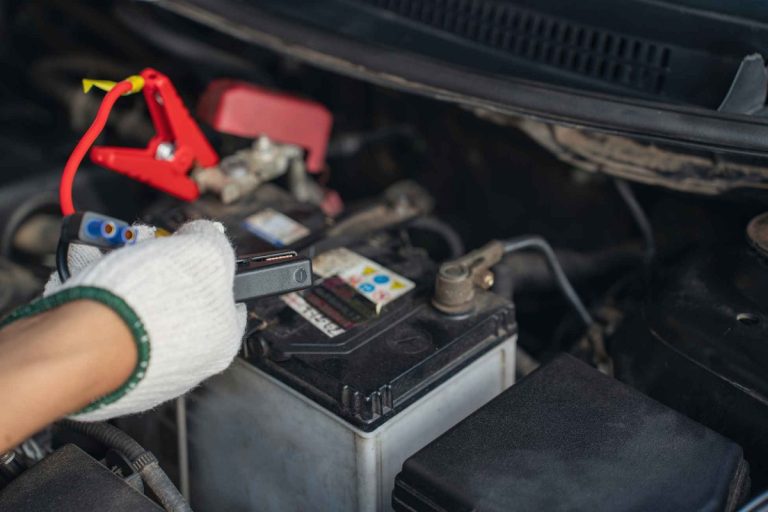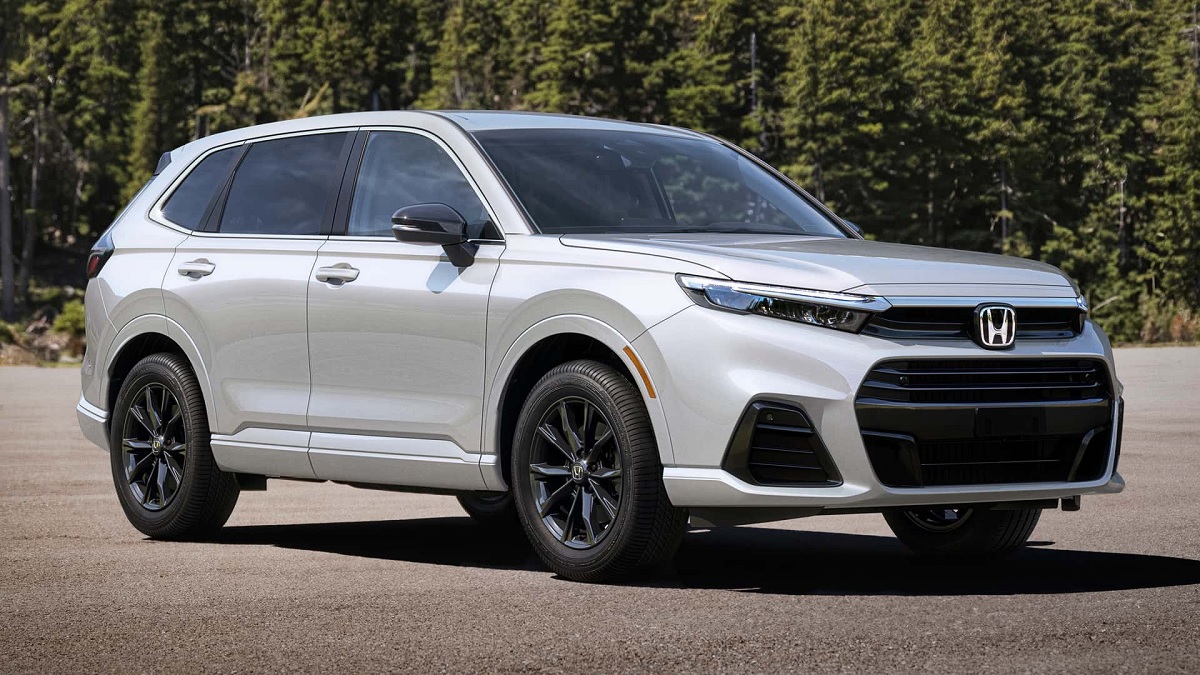
Best Battery for 2019 Honda CR-V
Finding a reliable battery for your vehicle matters more than most drivers realize, especially when daily performance and long-term dependability are on the line. A 2019 Honda CR-V deserves a battery that matches its efficiency, technology, and overall driving comfort without compromise.
Choosing the best battery for 2019 honda crv involves more than just picking a familiar brand. Factors like cold cranking amps, reserve capacity, and battery type all play a role in ensuring smooth starts and consistent power for onboard electronics. Overlooking these details often leads to inconvenient breakdowns or reduced battery life.
Modern vehicles like the CR-V rely heavily on electrical systems, from safety features to infotainment. That makes battery quality a key part of maintaining performance. A well-matched battery supports everything working as intended, especially in changing weather conditions.
With so many options available, understanding what truly fits your CR-V helps narrow the choices and avoids unnecessary replacements. A bit of guidance goes a long way in making a confident, practical decision.
What Battery Does a 2019 Honda CR-V Use?
The 2019 Honda CR-V typically uses a 12-volt automotive battery designed to support its efficient yet technology-heavy electrical system. Most trims come equipped with a Group 51R battery size, which is known for its compact design and reliable performance. This battery supports essential functions such as engine starting, lighting, infotainment, and safety systems. Depending on the trim level and market, specifications like cold cranking amps (CCA) may vary slightly, usually ranging between 410 to 500 CCA. Choosing the correct battery ensures stable performance, especially in colder climates or during frequent short trips that place higher demand on charging cycles. Proper fitment is essential for safe installation and optimal electrical connection.
Battery Type and Specifications
The 2019 Honda CR-V relies on a specific battery configuration that balances compact design with dependable power output. Most models use a Group 51R battery, which is widely recognized for fitting Japanese-engineered vehicles that prioritize space efficiency. This size is not random; it is selected to match the vehicle’s electrical demands while maintaining a lightweight structure.
In addition to physical size, cold cranking amps (CCA) play a major role in performance. The CR-V typically requires a battery that delivers between 410 and 500 CCA depending on trim and climate conditions. Higher CCA ratings are especially useful in colder regions where engine starting demands more power. Reserve capacity is another important specification, helping the vehicle maintain electrical functions if the alternator fails temporarily.
The battery is also designed to support modern electronic systems within the SUV. From infotainment displays to driver assistance features, the electrical load is higher compared to older vehicles. This makes stable voltage delivery essential for smooth operation. A weak or mismatched battery can cause performance inconsistencies or warning indicators on the dashboard.
Proper fitment and terminal compatibility ensure safe installation and reliable power flow. The Group 51R layout includes reversed terminals compared to some standard batteries, which is important for avoiding installation errors. This specification helps maintain consistent connectivity and prevents electrical issues over time.
OEM vs Aftermarket Options and Compatibility
Original Equipment Manufacturer (OEM) batteries for the 2019 Honda CR-V are designed to meet strict factory specifications. These batteries ensure perfect compatibility with the vehicle’s electrical system and are often the default choice during dealership replacements. Honda typically partners with established battery suppliers to maintain consistent quality and performance standards.
Aftermarket batteries offer more variety in pricing, capacity, and performance levels. Many drivers choose them for cost savings or upgraded specifications such as higher cold cranking amps or extended warranties. While not produced by Honda, reputable aftermarket brands still adhere to industry standards that make them suitable for the CR-V when chosen correctly.
Compatibility is the most important factor when selecting either OEM or aftermarket options. Even slight mismatches in size or terminal orientation can lead to installation issues or reduced performance. Ensuring the correct Group 51R specification and required CCA rating helps maintain system stability across all driving conditions.
Warranty coverage and brand reputation also influence the decision. OEM batteries often come with dealership-backed support, while aftermarket options may provide longer warranties at competitive prices. Choosing between them depends on balancing reliability, budget, and long-term usage expectations for the vehicle.
Key Features to Look for in a Replacement Battery
Choosing the right replacement battery goes beyond simply matching size or brand. A vehicle like the Honda CR-V depends on stable electrical performance, so understanding key battery features helps ensure reliability and long-term value. Drivers often focus only on price, but factors such as starting power, reserve capacity, durability, and compatibility play a much bigger role in day-to-day performance. Ignoring these details can lead to slow starts, inconsistent electronics, or premature battery failure.
A well-selected battery should support both engine requirements and modern onboard systems without strain. From infotainment units to safety sensors, the electrical load in today’s vehicles is significant. That makes it important to evaluate technical specifications carefully before purchasing a replacement. When each feature aligns with the vehicle’s needs, overall driving performance becomes smoother and more dependable in all conditions.
Cold Cranking Amps and Starting Power
Cold Cranking Amps (CCA) is one of the most important factors when selecting a replacement battery because it directly affects how well the engine starts in cold conditions. It measures the battery’s ability to deliver a strong burst of power for a short period, which is essential when temperatures drop and engine oil becomes thicker. A higher CCA rating generally means better starting reliability in harsh weather.
For vehicles like the Honda CR-V, choosing a battery with an appropriate CCA rating ensures the engine turns over smoothly without strain. If the rating is too low, the vehicle may struggle to start, especially during winter mornings or after being parked for long periods. This can lead to unnecessary wear on both the battery and starter motor over time.
Consistency in starting performance is not only about weather conditions but also about driving habits. Frequent short trips or stop-and-go traffic can place additional stress on the battery, making sufficient CCA even more important. A properly rated battery reduces the risk of weak starts and electrical interruptions.
Battery performance can also decline gradually, so selecting a slightly higher CCA within manufacturer recommendations can offer added reliability. This ensures the vehicle maintains strong ignition power throughout the battery’s lifespan, even as it ages or faces demanding conditions.
Reserve Capacity and Electrical Load Support
Reserve Capacity (RC) refers to how long a battery can continue supplying power if the alternator fails. This feature becomes especially important in modern vehicles that rely heavily on electronics, including navigation systems, sensors, lighting, and infotainment units. A higher reserve capacity provides a safety buffer during unexpected electrical issues.
In everyday driving, reserve capacity also supports consistent performance during heavy electrical use. When multiple systems are running at the same time—such as air conditioning, headlights, and audio systems—the battery helps maintain stable voltage. Without adequate RC, the electrical system may experience fluctuations that affect performance.
The Honda CR-V, like many modern SUVs, has a steady electrical demand even when idling. This makes reserve capacity a critical feature for maintaining comfort and safety. A battery with strong RC ensures that essential systems continue operating smoothly even under increased load or temporary charging interruptions.
Another advantage of higher reserve capacity is improved durability in urban driving conditions. Stop-and-go traffic and short driving distances may not allow the alternator enough time to fully recharge the battery. In such cases, a strong RC rating helps bridge the gap and reduces strain on the electrical system.
Size Compatibility, Terminal Design, and Warranty Coverage
Physical fitment is a key consideration when choosing a replacement battery, as even small differences can affect installation and performance. The correct group size ensures the battery sits securely in its tray without movement during driving. For the Honda CR-V, proper sizing also guarantees that cables reach terminals without stretching or misalignment.
Terminal design is equally important because incorrect positioning can lead to installation difficulties or electrical connection issues. Batteries come with different terminal layouts, and using the correct orientation ensures safe and stable power flow. Poor alignment can also increase the risk of corrosion or loose connections over time.
Build quality and internal design contribute to overall battery lifespan. Features such as vibration resistance and sealed construction help protect the battery from wear caused by road conditions. A well-built battery maintains performance consistency even in challenging environments, reducing the likelihood of early failure.
Warranty coverage is another feature that should not be overlooked. A longer warranty period often reflects manufacturer confidence in product durability. It also provides financial protection in case of early defects or performance issues. When combined with proper installation and maintenance, a strong warranty adds long-term value and peace of mind for everyday driving needs.
How to Choose the Right Battery for Your CR-V
Selecting the right battery for a Honda CR-V requires more than picking a popular brand or the lowest price option. The vehicle depends on a stable and well-matched electrical system to support both engine performance and modern onboard electronics. Choosing correctly helps avoid issues like slow starts, system warnings, or premature battery wear. Factors such as group size, cold cranking amps, reserve capacity, and compatibility with the vehicle’s terminals all play a role in making the right decision. Understanding how these elements work together ensures the replacement battery delivers consistent performance in different driving conditions.
Match the Correct Group Size and Electrical Specifications
One of the first steps in choosing the right battery for a CR-V is ensuring the correct group size. The 2019 Honda CR-V typically uses a Group 51R battery, which is designed to fit the vehicle’s compact engine bay while still delivering sufficient power. Using the correct group size guarantees proper installation and prevents movement or loose connections that could affect performance or safety during driving.
Electrical specifications are just as important as physical fit. Cold Cranking Amps (CCA) must align with manufacturer recommendations to ensure reliable engine starts in all weather conditions. A battery with too low a CCA rating may struggle in cold temperatures, while an excessively high rating is unnecessary but often acceptable if within safe limits. Reserve capacity should also be considered to maintain power during electrical strain or alternator issues.
Modern CR-V models rely heavily on electronics, including infotainment systems, sensors, and driver-assist features. This means the battery must deliver stable and consistent voltage output. A mismatch in electrical specifications can lead to system malfunctions or reduced component lifespan, especially under heavy load conditions.
It is also important to verify terminal orientation and layout. The CR-V requires a specific configuration, and incorrect terminal placement can complicate installation or cause connectivity issues. Ensuring all specifications match the original requirements helps maintain smooth operation and prevents avoidable electrical problems over time.
Evaluate Brand Quality, Warranty, and Driving Conditions
Brand reputation plays a significant role when selecting a replacement battery for a CR-V. Established manufacturers tend to follow strict quality control standards, resulting in more reliable performance and longer lifespan. While lesser-known brands may offer lower prices, they often lack consistency in durability and long-term reliability, which can lead to earlier replacements and additional costs.
Warranty coverage is another important factor to consider. A longer warranty period typically indicates higher confidence in product quality and offers added protection against early failure. Some batteries come with free replacement periods followed by prorated coverage, which can be beneficial depending on driving habits and usage conditions. Reviewing warranty terms helps ensure better value over the battery’s lifetime.
Driving conditions also influence the ideal battery choice. Vehicles used in colder climates benefit from higher CCA ratings, while those driven frequently in urban stop-and-go traffic require strong reserve capacity. Short trips may prevent full recharging, so a battery designed to handle partial charging cycles performs better over time. Matching battery characteristics to driving patterns improves reliability.
Signs Your CR-V Battery Needs Replacement
Recognizing early warning signs of a failing battery in a Honda CR-V helps prevent unexpected breakdowns and electrical issues. A weakening battery rarely fails without symptoms, and most drivers notice gradual changes in performance before complete failure occurs. Paying attention to starting behavior, electrical consistency, and dashboard alerts can help identify when a replacement is needed. These signs often appear over time and become more noticeable under demanding driving conditions or extreme temperatures.
Slow Engine Start and Weak Cranking
One of the most common signs of a failing battery in a CR-V is slow or weak engine cranking. When the battery loses its ability to deliver sufficient power, the engine takes longer to start, especially after the vehicle has been parked overnight or for extended periods. Instead of a quick ignition, the starter may sound sluggish or strained, indicating reduced battery strength.
This issue becomes more noticeable during cold weather when batteries naturally lose efficiency. In such conditions, a weak battery struggles even more to deliver the required cold cranking amps. Drivers may notice that the engine eventually starts but takes noticeably longer than usual, which is a clear early warning sign.
Over time, repeated slow starts can place additional stress on the starter motor and other electrical components. This can lead to higher repair costs if the battery issue is not addressed promptly. A healthy battery should provide consistent, quick ignition without hesitation regardless of temperature or usage pattern.
In some cases, the slow start may also be accompanied by dim dashboard lights or delayed electronic responses. These symptoms suggest that the battery is no longer holding a strong charge. When these signs become frequent, it is usually an indication that the battery is nearing the end of its usable life.
Electrical Issues and Dashboard Warning Signs
Another clear indicator of a failing CR-V battery is inconsistent electrical performance. Modern vehicles rely heavily on stable voltage to operate systems such as infotainment screens, climate control, sensors, and lighting. When the battery weakens, these systems may begin to behave unpredictably or lose responsiveness.
Drivers may notice dimming headlights, flickering interior lights, or slow operation of power windows. These issues often appear when multiple electrical components are used simultaneously, placing additional strain on an already weakened battery. This inconsistency is a strong sign that the battery is struggling to maintain proper voltage levels.
The vehicle’s dashboard may also display warning lights related to the charging system or battery. These alerts indicate that the alternator or battery is not functioning within normal parameters. While not always a direct battery failure, they often point to declining battery health that requires inspection or replacement.
In some situations, electronic features may reset or malfunction, such as radio presets or navigation settings. This occurs when the battery cannot maintain stable power during startup or shutdown cycles. Such behavior suggests that the battery is no longer reliable for supporting the vehicle’s electrical demands consistently.
People Also Asked
What Is The Best Battery For A 2019 Honda CR-V?
The best battery for your 2019 Honda CR-V is typically a high-quality Group 51R battery, with AGM (Absorbent Glass Mat) options often considered the most reliable. You should look for a battery that delivers around 500–600 Cold Cranking Amps (CCA) for consistent starting power in all weather conditions. Popular choices often include brands like Optima, DieHard, and Interstate because they offer strong performance and long lifespan.
When choosing, you should also consider your driving habits and climate. If you frequently drive in extreme cold or use many electronic accessories, an AGM battery is a smarter investment due to its durability and better charge retention.
What Battery Size Does A 2019 Honda CR-V Use?
Your 2019 Honda CR-V typically requires a Group 51R battery size, which is specifically designed to fit its compact engine bay and electrical system. This size ensures proper terminal placement, secure mounting, and compatibility with your vehicle’s power demands. Using the correct size is essential because an incorrect fit can cause installation issues or poor electrical performance.
You should always double-check your owner’s manual or existing battery label before purchasing a replacement. While Group 51R is standard, certain trims or regional specifications may slightly vary, so confirming compatibility ensures smooth installation and reliable performance.
Should You Choose AGM Or Standard Battery For A 2019 CR-V?
You should consider an AGM battery if you want better performance, longer life, and improved resistance to deep discharges. AGM batteries are sealed, maintenance-free, and handle modern vehicle electronics more efficiently, making them ideal for your 2019 Honda CR-V. They are especially useful if you drive in extreme temperatures or use features like remote start or infotainment frequently.
However, a standard lead-acid battery is more affordable and still works well for basic driving needs. If your usage is light and budget is a concern, a conventional battery may be enough, but AGM offers stronger long-term reliability.
How Long Does A 2019 Honda CR-V Battery Last?
You can generally expect your 2019 Honda CR-V battery to last between 3 to 5 years, depending on usage, climate, and maintenance habits. If you frequently drive short distances or live in very hot or cold regions, the battery may wear out faster. High-quality AGM batteries can sometimes last longer due to better internal construction and resistance to vibration and heat.
To maximize lifespan, you should avoid leaving electronics running when the engine is off and ensure the charging system is functioning properly. Regular checks can help you avoid unexpected breakdowns and extend battery performance.
What Are The Signs Your 2019 Honda CR-V Battery Needs Replacement?
You will usually notice several warning signs when your battery is nearing the end of its life. Slow engine cranking is one of the most common indicators, especially during cold starts. You might also see dim headlights, electrical glitches, or dashboard warning lights related to the charging system. In some cases, your CR-V may struggle to start or require multiple attempts.
If your battery is more than three years old and you notice these symptoms, you should have it tested immediately. Acting early helps you avoid being stranded and ensures your vehicle remains reliable in daily use.
Can You Replace A 2019 Honda CR-V Battery Yourself?
Yes, you can replace the battery in your 2019 Honda CR-V yourself if you have basic tools and follow proper safety steps. You will need to disconnect the negative terminal first, then the positive, remove the hold-down bracket, and carefully lift out the old battery. Installing the new one is the reverse process. Make sure the replacement matches the correct Group 51R size.
However, you should be cautious because modern vehicles may require electronic resets after installation. If you are unsure or uncomfortable working with car electronics, a professional installation is a safer and faster option.
Final Thoughts
Selecting the right battery plays an important role in keeping your Honda CR-V running smoothly and reliably in all conditions. From daily commutes to long drives, a properly matched battery ensures stable starting power and consistent performance for all onboard electronics. Ignoring key specifications often leads to avoidable issues such as weak starts or unexpected breakdowns.
Understanding what makes the best battery for 2019 honda crv helps simplify the decision-making process. Factors like group size, cold cranking amps, reserve capacity, and build quality all work together to support the vehicle’s electrical demands. When these elements are balanced correctly, the battery performs efficiently throughout its lifespan.
Choosing a dependable option not only improves driving confidence but also reduces long-term maintenance concerns. A well-suited battery ensures the CR-V continues to deliver the comfort, efficiency, and reliability it is known for without interruptions.