Best Air Bags for Ford F-350: Top Suspension Kits for Maximum Towing Stability & Load Support
Upgrading suspension support is a common step for truck owners who regularly tow heavy loads or carry demanding payloads. A Ford F350 is built for strength, but added reinforcement can make a noticeable difference in ride stability and overall control under pressure.
Choosing the best air bags for ford f350 helps improve load leveling, reduces rear-end sag, and enhances handling when the truck is fully loaded. These systems work by adjusting air pressure to support varying weights, making the driving experience more balanced and predictable.
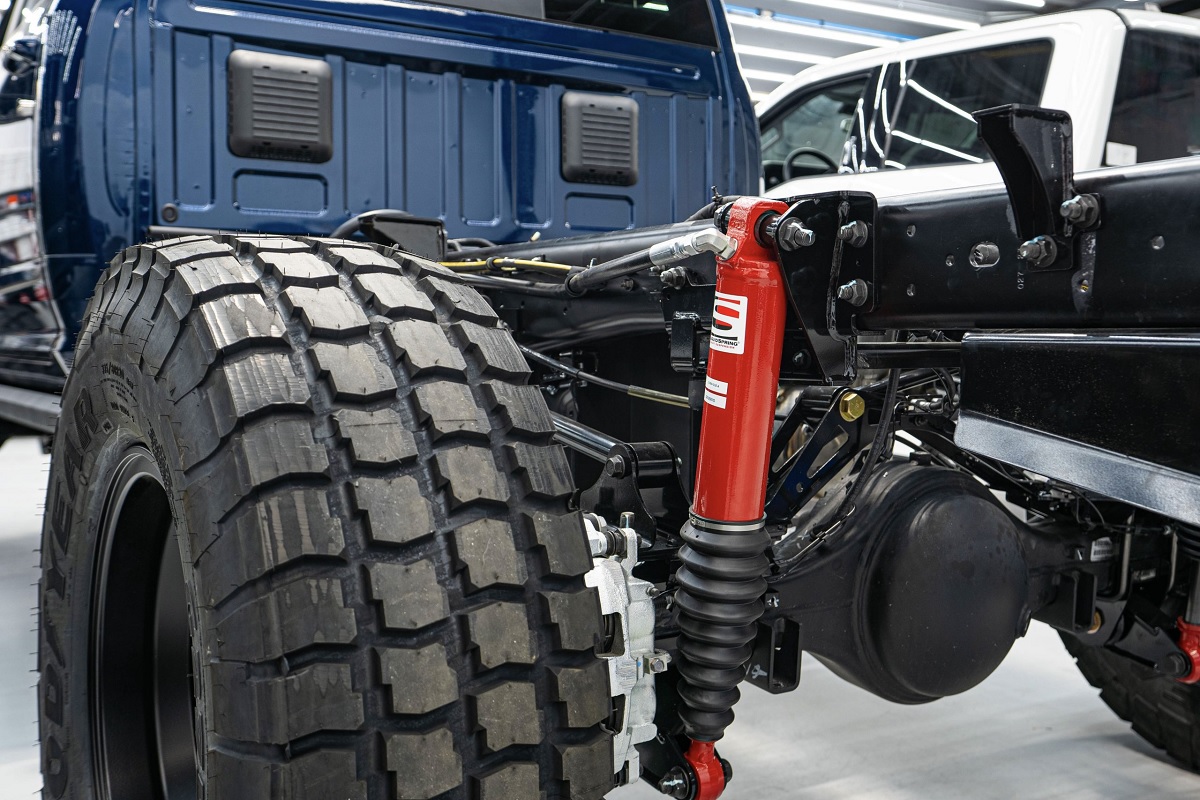
Modern air bag kits are designed to integrate with factory suspension without major modifications. They help reduce strain on leaf springs while improving braking performance and tire wear over time. This makes them a practical addition for both work and recreational use.
With multiple options available on the market, selecting the right setup ensures better comfort, safety, and durability. A properly matched system keeps the F350 performing at its best even under heavy-duty conditions.
Types of Air Bag Suspension Kits for Ford F-350
Air bag suspension kits for the Ford F-350 come in different designs to suit varying driving needs, towing demands, and installation preferences. Each type offers a unique balance of performance, adjustability, and convenience, allowing truck owners to customize their suspension support based on usage. Some kits are designed for light to moderate towing, while others are built for heavy-duty commercial applications. Understanding these differences is important when selecting a system that matches your workload and driving conditions. Choosing the right type ensures better stability, improved ride quality, and long-term suspension protection without unnecessary complexity or cost.
Single Path Air Bag Kits
Single path air bag kits are one of the more basic suspension support systems available for the Ford F-350. In this setup, both air bags are connected to a single air line, meaning they inflate and deflate simultaneously. This design is simple, cost-effective, and easy to install, making it a popular choice for light to moderate towing applications.
One of the main advantages of single path systems is ease of use. Since both air bags share the same air pressure, the driver only needs to adjust one valve to control the entire system. This reduces setup complexity and makes pressure adjustments quick and straightforward, especially for drivers who do not frequently change load conditions.
However, because both sides share the same air pressure, this system does not allow for side-to-side adjustment. If the truck carries uneven loads, it may lean slightly, as the air distribution cannot be independently controlled. For most balanced towing situations, this is not a major issue, but it can limit flexibility in more demanding applications.
Single path kits are often preferred by occasional tower or recreational users. They provide sufficient support for light trailers, campers, and utility loads while keeping installation and maintenance simple. For drivers who prioritize convenience over advanced adjustability, this system offers a practical and affordable solution.
Dual Path Air Bag Kits
Dual path air bag kits provide more advanced control compared to single path systems. In this configuration, each air bag is connected to a separate air line, allowing independent pressure adjustment for the left and right sides of the truck. This setup is especially useful when dealing with uneven or shifting loads.
The biggest advantage of dual path systems is improved leveling capability. If one side of the truck carries more weight than the other, the driver can adjust air pressure individually to correct the imbalance. This helps maintain a level ride height, which improves handling, steering response, and braking stability during towing or hauling.
This type of kit is commonly used by drivers who frequently transport uneven cargo or operate in work environments where load distribution changes often. Construction materials, tools, or equipment may not always be evenly placed, making independent adjustment highly valuable for maintaining control and safety.
Dual path systems also enhance ride comfort. By fine-tuning each side separately, the suspension can better absorb road imperfections and reduce body roll. This results in a smoother driving experience, especially on rough or uneven terrain where weight distribution shifts frequently.
Wireless and Automatic Air Bag Systems
Wireless and automatic air bag systems represent the most advanced option available for Ford F-350 suspension upgrades. These kits often include electronic controls that allow drivers to adjust air pressure using a remote control or smartphone app. Some systems even include onboard compressors that automatically maintain preset pressure levels.
One of the key benefits of these systems is convenience. Instead of manually inflating or deflating air bags, drivers can make adjustments instantly from inside the cabin or even remotely. This is especially useful when frequently switching between loaded and unloaded driving conditions or towing different trailers.
Automatic leveling systems take this a step further by continuously monitoring ride height and adjusting air pressure in real time. This ensures the truck remains level regardless of load changes, road conditions, or towing weight. The system reduces driver workload and maintains optimal suspension performance at all times.
These advanced kits are particularly popular among commercial users and frequent towers who require maximum efficiency and precision. While they are more expensive and complex than manual systems, they offer superior comfort, safety, and control. For heavy-duty applications, they provide the highest level of suspension adaptability available.
Key Features to Consider Before Buying
Choosing the right air bag suspension kit for a Ford F-350 requires careful attention to key features that directly impact performance, durability, and ease of use. Not all kits are designed the same, and the wrong choice can lead to poor ride quality or limited load support. Important factors such as load capacity, build quality, adjustability, and installation design all play a role in how well the system performs under real driving conditions. Understanding these features helps ensure the suspension upgrade matches both towing demands and everyday driving needs effectively.
Load Capacity and Air Pressure Range
Load capacity is one of the most important features to evaluate before purchasing an air bag suspension kit for a Ford F-350. Every kit is designed to support a specific range of weight, and exceeding that limit can reduce performance and damage the system over time. A properly rated kit ensures the truck maintains proper ride height even when carrying heavy trailers or cargo.
Air pressure range is closely tied to load capacity. Most systems operate within a specific PSI range, and the ability to adjust pressure within that range determines how well the truck can adapt to different loads. A wider pressure range offers greater flexibility, allowing the driver to fine-tune support based on towing or hauling requirements.
When the load capacity matches the truck’s usage pattern, it improves stability and reduces strain on factory suspension components. This is especially important for the F-350, which is often used in demanding work environments. A properly matched system helps prevent rear-end sag and uneven tire wear.
It is also important to consider future usage. If towing needs increase over time, selecting a slightly higher capacity kit can provide long-term value. This ensures the suspension system remains reliable even as workload demands change, reducing the need for frequent upgrades or replacements.
Build Quality, Materials, and Durability
Build quality plays a major role in determining how long an air bag suspension kit will last under heavy-duty use. Since Ford F-350 trucks are often exposed to tough conditions, the materials used in the kit must withstand pressure, heat, and constant movement. High-quality rubber and reinforced components help ensure long-term reliability.
Durability also depends on resistance to environmental factors. Air bags are exposed to road debris, moisture, and temperature changes, all of which can affect performance over time. Kits with corrosion-resistant fittings and protective coatings tend to perform better in harsh weather conditions and reduce the risk of leaks or cracks.
Metal components such as brackets and mounting hardware should also be strong and well-engineered. Weak or poorly designed brackets can lead to misalignment or premature wear. Heavy-duty steel construction is often preferred for trucks like the F-350, which handle significant towing and payload stress.
Another important aspect is vibration resistance. Constant road vibrations can weaken low-quality systems over time, leading to air leaks or uneven performance. A well-built kit absorbs these stresses effectively, ensuring smooth operation even on rough terrain or long-distance hauling routes.
Installation Guide
Installing an air bag suspension kit on a Ford F-350 requires careful preparation, the right tools, and a clear understanding of the process. While many kits are designed for bolt-on installation, accuracy is still important to ensure proper alignment and safe operation. The process typically involves lifting the vehicle, removing certain suspension components, and securing the air bags and brackets in place. Proper torque settings and leak checks are essential for long-term reliability. Whether installed at home or in a workshop, following manufacturer instructions helps ensure the system performs as intended under heavy loads and towing conditions.
Preparation and Vehicle Setup
Before starting the installation, preparing the vehicle properly is essential for both safety and efficiency. The Ford F-350 should be parked on a flat surface with the parking brake engaged. Wheel chocks should be placed to prevent movement while the vehicle is lifted. A hydraulic jack and sturdy jack stands are required to safely raise and support the rear axle.
Once the truck is elevated, the rear wheels are typically removed to provide better access to the suspension components. This step makes it easier to reach mounting points and ensures enough working space for installation. It is also recommended to disconnect any electrical components or sensors that may interfere with the suspension work.
Having all tools and hardware ready before beginning helps avoid interruptions during installation. Most kits include brackets, air bags, air lines, fittings, and mounting hardware. Checking that all parts are present and undamaged ensures a smooth installation process without delays or compatibility issues.
Mounting Brackets and Air Bags
The next step involves installing the mounting brackets that secure the air bags to the vehicle’s frame and axle. These brackets must be aligned correctly to ensure stability and prevent uneven load distribution. Most kits are designed to fit factory mounting points, which reduces the need for drilling or modifications.
Once the brackets are in place, the air bags are positioned between the axle and frame. Proper alignment is critical at this stage, as misplacement can lead to uneven pressure or reduced performance. The air bags should sit securely without excessive tension or twisting before tightening all bolts.
Torque specifications provided by the manufacturer must be followed carefully. Over-tightening can damage components, while under-tightening may lead to movement or loosening over time. Ensuring all connections are secure helps maintain structural integrity under heavy loads and towing conditions.
Air Line Routing and Connections
After mounting the air bags, the air lines must be routed from each bag to the inflation point or onboard compressor system. Proper routing is important to prevent damage from heat, sharp edges, or moving suspension parts. Lines should be secured using clips or zip ties provided in the kit.
Careful attention should be given to avoid kinks or sharp bends in the air lines. These can restrict airflow and reduce system efficiency. Routing should follow a clean path along the frame, keeping lines protected from road debris and excessive vibration during driving.
Once routed, the air lines are connected to the air bags and inflation valves or control system. Each connection should be tightened securely to prevent air leaks. Double-checking fittings at this stage helps ensure the system maintains consistent pressure during operation.
Testing and Pressure Adjustment
After installation is complete, the system must be tested before normal use. This involves inflating the air bags to the recommended pressure range and checking for leaks. A soapy water solution is often used on fittings and connections to detect escaping air bubbles.
The truck should then be lowered back onto the ground to observe how the suspension responds under load. This helps confirm that the vehicle sits level and that the air bags are supporting weight evenly. Any imbalance may require minor pressure adjustments.
Final pressure settings depend on typical usage conditions such as towing weight or cargo load. Adjustments should be made gradually to find the optimal balance between comfort and support. Regular checks after installation help maintain performance and ensure long-term system reliability.
Frequently Asked Questions
What Are The Best Air Bags For Ford F350?
The best air bags for a Ford F350 are typically heavy-duty, adjustable suspension kits designed to handle towing and hauling stress while improving ride stability. You should look for kits made from durable reinforced rubber, corrosion-resistant brackets, and strong air fittings. Brands that offer load leveling support between 2,000 to 5,000+ lbs per axle are commonly preferred. The best option depends on your usage, whether it is commercial towing, RV hauling, or daily work loads. A reliable system should also maintain ride height and reduce rear sag under pressure.
Do Air Bags Improve Towing Performance On A Ford F350?
Yes, air bags significantly improve towing performance on a Ford F350 by leveling the rear suspension and improving weight distribution. When you tow heavy trailers, the rear end often sags, which affects steering, braking, and overall stability. Air bags help restore proper ride height, allowing better control and reducing trailer sway. This makes highway driving safer and smoother. You also experience improved braking efficiency because weight is more evenly distributed across all tires, which is especially important during long-distance towing or heavy payload conditions.
Are Air Bags Safe To Use On A Ford F350?
Air bags are completely safe to use on a Ford F350 when installed correctly and maintained properly. They are designed to work alongside the factory suspension system without replacing it. When inflated within recommended pressure limits, they support the load without damaging OEM components. In fact, they often reduce wear on leaf springs and shocks by sharing the load stress. Safety depends on proper installation, correct air pressure settings, and regular inspection for leaks or damage. Following manufacturer guidelines ensures reliable and safe operation.
How Long Do Air Bag Suspension Kits Last?
Air bag suspension kits for a Ford F350 typically last between 5 to 10 years depending on usage, load conditions, and maintenance. High-quality kits made with reinforced rubber and corrosion-resistant components tend to last longer. Frequent heavy towing or exposure to harsh road conditions may reduce lifespan slightly. Regular inspection of air lines, fittings, and bags helps extend durability. Keeping proper air pressure also prevents unnecessary stress. With good maintenance habits, you can expect consistent performance throughout most of the kit’s service life.
Can You Install Air Bags On A Stock Ford F350 Suspension?
Yes, you can install air bags on a stock Ford F350 suspension without making permanent modifications. Most modern kits are designed as bolt-on systems that integrate with factory leaf springs. This means you do not need to remove or replace existing suspension components. Installation usually involves mounting brackets, placing air bags between the axle and frame, and connecting air lines. As long as the kit is compatible with your model year, installation is straightforward and reversible, making it a popular upgrade for truck owners.
Do Air Bags Affect Ride Comfort When The Truck Is Empty?
Air bags can slightly affect ride comfort when the truck is empty, but proper pressure adjustment minimizes this issue. When deflated to the recommended minimum PSI, they typically have little impact on normal driving comfort. Some drivers may notice a firmer ride compared to factory suspension alone. However, the trade-off is improved control and stability when the truck is loaded. Many systems allow easy adjustment, so you can lower pressure for daily driving and increase it when towing or hauling heavy loads.
What Maintenance Do Ford F350 Air Bags Require?
Air bag suspension systems require minimal but important maintenance to ensure long-term performance. You should regularly check air pressure levels, inspect air lines for cracks or leaks, and ensure fittings remain tight. It is also important to clean the system occasionally to remove dirt and road debris that could affect components. Avoid overinflating beyond recommended PSI limits, as this can reduce lifespan. A quick visual inspection before towing or heavy hauling helps prevent issues and keeps the system operating safely and efficiently.
Final Words
Upgrading your suspension system can make a noticeable difference in how your truck handles heavy loads, especially when towing or hauling with a fully equipped setup. A properly chosen air bag kit helps maintain ride height, reduces rear-end sag, and improves overall stability on the road. This makes driving safer and more controlled, even under demanding conditions.
For truck owners who rely on their vehicle for work, travel, or recreational towing, investing in the right suspension upgrade is essential. The market offers a range of options designed for different needs, from basic load support to advanced systems with onboard air control. Selecting the right setup depends on how often you tow and the weight you typically carry.
Ultimately, choosing the best air bags for ford f350 comes down to balancing performance, durability, and ease of use. With the right system installed, you can enhance comfort, extend suspension life, and get more consistent performance from your truck in every driving situation.