2 Stroke Vs 4 Stroke: Key Differences, Performance, And Maintenance Tips
Engines are the heart of any motorized vehicle, and understanding how they operate is crucial for performance, efficiency, and maintenance. The fundamental differences in engine design influence power output, fuel consumption, and durability, which makes knowing about various engine types valuable for riders, drivers, and mechanics alike.
Two of the most common engine configurations are the 2-stroke and 4-stroke engines, each offering distinct advantages and trade-offs. 2-stroke engines are known for their simplicity and high power-to-weight ratio, making them popular in motorcycles, scooters, and small off-road vehicles.
On the other hand, 4-stroke engines focus on fuel efficiency, longevity, and smoother operation, making them ideal for cars, larger motorcycles, and many recreational vehicles. These differences affect how the engine feels, sounds, and responds under different conditions.
Comparing these two types of engines provides insights into performance expectations, maintenance routines, and overall suitability for specific applications. The 2 stroke vs 4 stroke debate is central for anyone looking to choose the right engine for their needs.
Engine Design Differences Between 2 Stroke And 4 Stroke
The design of an engine significantly impacts its performance, efficiency, and maintenance requirements. Understanding the structural differences between 2-stroke and 4-stroke engines helps explain why each engine type behaves differently under various conditions. These differences influence everything from power delivery to fuel consumption, making them key factors when choosing an engine for a specific application.
Combustion Cycle And Power Output
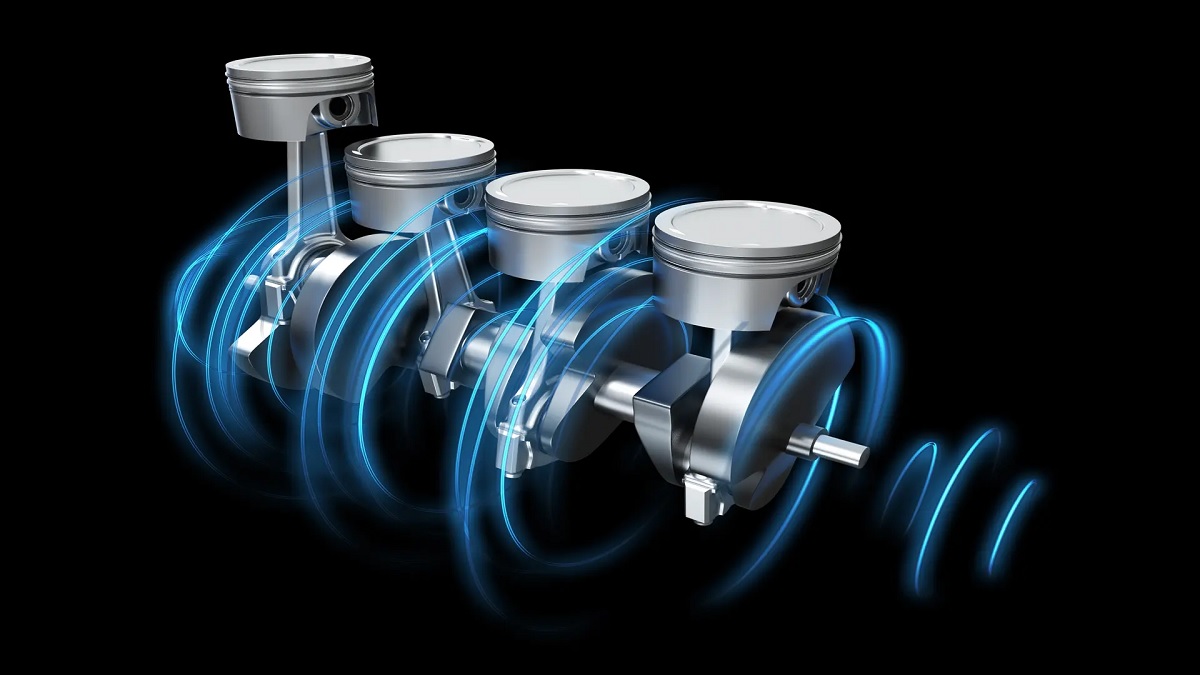
The most fundamental difference between 2-stroke and 4-stroke engines lies in their combustion cycle. A 2-stroke engine completes a power cycle in just two piston strokes—one upward and one downward motion—producing power with every revolution of the crankshaft. This design allows for higher power output relative to engine size, making 2-stroke engines lighter and more compact.
Conversely, a 4-stroke engine requires four piston strokes to complete a cycle: intake, compression, power, and exhaust. This means power is produced only once every two revolutions of the crankshaft. While this results in lower peak power compared to a similarly sized 2-stroke engine, the 4-stroke provides smoother and more controlled power delivery, making it ideal for sustained operation and heavy-duty applications.
The combustion cycle also affects engine responsiveness. 2-stroke engines deliver rapid acceleration and higher RPM capabilities, which is why they are favored in motorcycles, dirt bikes, and small watercraft. In contrast, 4-stroke engines excel in applications requiring consistent torque and fuel efficiency, such as cars, ATVs, and larger motorcycles.
Lubrication And Fuel System Differences
Another key design difference lies in lubrication. 2-stroke engines mix oil directly with fuel, allowing the oil to lubricate internal components as it passes through the combustion chamber. This eliminates the need for a separate oil reservoir or pump but results in higher oil consumption and increased exhaust smoke.
4-stroke engines, however, use a dedicated lubrication system with an oil sump and pump to circulate oil throughout the engine. This system reduces oil consumption and emissions while providing consistent lubrication over long periods. While slightly more complex and heavier, this design contributes to longer engine life and lower environmental impact.
The fuel system design also differs. 2-stroke engines often rely on simpler carburetors or direct fuel injection to deliver the oil-fuel mix, while 4-stroke engines utilize more precise fuel injection or carbureted systems that optimize air-fuel ratios for efficiency and emissions control. These differences explain why 2-stroke engines are easier to service but less fuel-efficient, whereas 4-stroke engines offer superior fuel economy and lower emissions.
Cooling And Component Wear
Cooling is another area where engine design impacts performance. 2-stroke engines tend to operate at higher temperatures due to the rapid and frequent combustion cycles. Air-cooled 2-stroke engines are common in small vehicles, while liquid cooling is often added for high-performance applications to prevent overheating.
4-stroke engines generally run cooler and more evenly because the power stroke occurs less frequently. This reduces thermal stress on engine components, resulting in longer-lasting pistons, valves, and bearings. The lower wear rate also reduces the frequency of major maintenance, making 4-stroke engines a preferred choice for longevity-focused applications.
Additionally, 2-stroke engines experience faster wear on components like piston rings and cylinder walls because of continuous power strokes and the higher operating speeds. 4-stroke engines, with their separate intake and exhaust strokes, experience less continuous stress, contributing to durability over time.
Valves And Exhaust Design
Valve and exhaust design further distinguishes these engine types. 2-stroke engines typically use ports in the cylinder walls for intake and exhaust instead of traditional valves. This reduces mechanical complexity and weight but can lead to incomplete combustion and higher emissions.
4-stroke engines employ poppet valves controlled by a camshaft to precisely manage air intake and exhaust output. This system provides better combustion efficiency, cleaner emissions, and improved fuel economy. The trade-off is added mechanical complexity and slightly increased weight, but the benefits in efficiency and reliability make it worthwhile for long-term operation.
Understanding these differences in engine design highlights why 2-stroke engines are chosen for lightweight, high-performance applications, while 4-stroke engines dominate scenarios where efficiency, durability, and smoother power delivery are priorities.
Performance Comparison
Performance is one of the main factors that distinguish 2-stroke and 4-stroke engines. The differences in power delivery, acceleration, efficiency, and handling make each engine type suitable for specific applications. Comparing these aspects helps drivers, riders, and enthusiasts understand which engine best fits their performance needs and driving style.
Power Output And Acceleration
2-stroke engines are known for their high power-to-weight ratio. Because a 2-stroke engine produces power with every revolution of the crankshaft, it delivers quicker acceleration and more immediate throttle response compared to a 4-stroke engine of similar displacement. This makes them ideal for lightweight motorcycles, dirt bikes, and small recreational vehicles where rapid bursts of speed are essential.
In contrast, 4-stroke engines generate power once every two revolutions, resulting in smoother and more controlled acceleration. While the peak power may be lower than a comparable 2-stroke, the torque delivery is steady, making it easier to handle during sustained driving or heavy loads. Cars, ATVs, and touring motorcycles often favor 4-stroke engines for this reason, as they provide consistent performance over longer periods without stressing the engine.
2-stroke engines excel in short bursts of high performance, while 4-stroke engines focus on endurance, control, and long-term reliability. This fundamental difference shapes how each engine is applied in vehicles ranging from racing bikes to everyday commuting machines.
Fuel Efficiency And Consumption
Fuel efficiency is another major point of comparison. 2-stroke engines typically consume more fuel due to the way they operate. The overlapping intake and exhaust strokes can result in unburned fuel being expelled through the exhaust, reducing overall efficiency. Additionally, the oil mixed with fuel adds to the consumption rate.
4-stroke engines, however, are more fuel-efficient because their intake, compression, power, and exhaust strokes are separate. This separation allows for more complete combustion, better fuel utilization, and reduced oil consumption. While they may produce less peak power, 4-stroke engines can cover longer distances with less fuel, which is a significant advantage for daily commuting or long trips.
The trade-off between fuel efficiency and raw power is a key factor in choosing between these engine types. 2-strokes prioritize performance and responsiveness, while 4-strokes emphasize endurance, cost savings, and environmental considerations.
Torque And Handling Characteristics
Torque delivery also differs between the two engines. 2-stroke engines provide high torque at higher RPMs, which contributes to rapid acceleration but requires frequent gear shifts to stay within the optimal power band. This makes 2-strokes more suitable for high-performance and off-road applications where agility and quick bursts of speed are needed.
4-stroke engines offer a wider torque curve at lower RPMs, resulting in smoother, more predictable handling. This makes the vehicle easier to control in traffic, on highways, and during extended rides. The consistent torque helps prevent sudden jerks or unexpected acceleration, which is particularly important for larger vehicles or novice drivers.
The choice between high-revving torque and smooth, consistent torque often comes down to driving style. 2-strokes are geared toward thrill and agility, whereas 4-strokes focus on comfort, control, and usability across various conditions.
Durability And Long-Term Performance
Long-term performance and durability also affect how each engine is perceived. 2-stroke engines tend to wear out faster due to higher operating RPMs, increased heat, and continuous combustion cycles. Components like pistons, rings, and cylinder walls experience more stress, leading to shorter service life and more frequent maintenance.
4-stroke engines generally offer longer lifespans. Their lower RPM operation, separate strokes, and dedicated lubrication system reduce wear and tear, allowing them to maintain consistent performance over many miles or hours of operation. While initial performance may be lower than a 2-stroke, the reduced maintenance and durability make 4-strokes more practical for everyday use and long-term ownership.
Ultimately, the performance comparison between 2-stroke and 4-stroke engines shows a trade-off between immediate power and sustainable efficiency. Understanding these differences ensures that drivers select the engine type best suited to their specific needs, whether it’s short bursts of high-speed excitement or reliable long-distance performance.
Maintenance And Durability
Maintenance and durability are crucial considerations when choosing between 2-stroke and 4-stroke engines. The way each engine operates affects wear, service intervals, and overall longevity. Understanding these differences helps vehicle owners plan routine maintenance, avoid costly repairs, and maximize engine lifespan. Proper care ensures that performance remains consistent over time while reducing the risk of unexpected failures.
Maintenance Requirements Of 2-Stroke Engines
2-stroke engines are generally simpler in design, with fewer moving parts than 4-stroke engines, which can make basic maintenance easier. There is no dedicated oil sump because lubrication is achieved by mixing oil with fuel. This simplifies oil changes but requires careful attention to the correct fuel-to-oil ratio. Incorrect mixtures can lead to insufficient lubrication, causing excessive wear on pistons, rings, and cylinders.
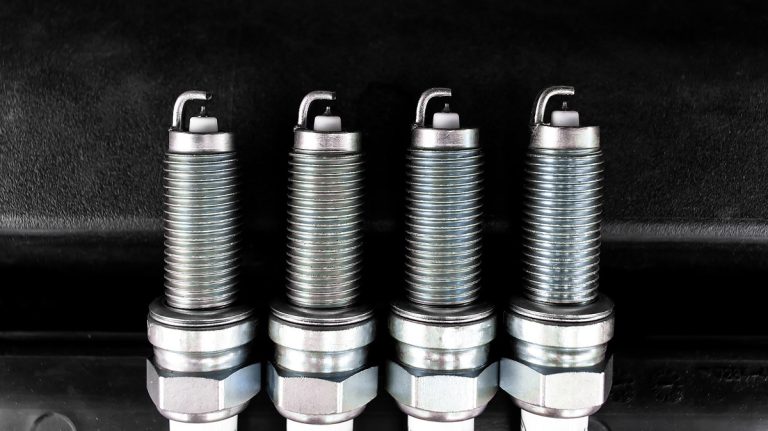
Routine maintenance includes inspecting spark plugs, cleaning the carburetor or fuel injector, checking air filters, and ensuring proper exhaust clearance. Since 2-stroke engines operate at higher RPMs and experience continuous power strokes, components wear faster, meaning maintenance must be performed more frequently. Ignoring these tasks can lead to reduced performance, overheating, or engine seizure.
Despite higher wear rates, 2-stroke engines are often preferred for recreational and lightweight vehicles because maintenance tasks are straightforward and repairs are relatively inexpensive compared to 4-stroke systems.
Maintenance Requirements Of 4-Stroke Engines
4-stroke engines have a more complex design with an oil sump, valves, camshaft, and timing chain or belt, requiring more extensive maintenance. Regular oil changes are critical because the lubrication system relies on circulating oil to protect pistons, bearings, and valve mechanisms. Neglecting oil changes can result in severe engine damage over time.
Additional maintenance includes valve adjustments, timing inspections, spark plug replacements, and air filter cleaning. While more components mean more service points, 4-stroke engines generally require less frequent maintenance compared to 2-strokes because their operating cycles are less aggressive, reducing wear and heat stress.
4-stroke engines are favored for cars, touring motorcycles, and larger vehicles where longevity and reliability are prioritized. Though servicing may take longer and involve more components, the extended lifespan and efficiency often outweigh the maintenance effort.
Durability And Engine Lifespan
Durability is a key difference between 2-stroke and 4-stroke engines. 2-stroke engines wear faster due to continuous combustion cycles, higher operating RPMs, and the direct lubrication method. Components like pistons, cylinder walls, and rings experience significant stress, shortening service life and requiring periodic rebuilds.
In contrast, 4-stroke engines operate with separate strokes, lower RPMs for equivalent power, and a dedicated lubrication system. These factors reduce mechanical stress and heat buildup, contributing to longer-lasting engine performance. A well-maintained 4-stroke engine can often exceed tens of thousands of miles without major repairs, while 2-stroke engines may need more frequent overhauls.
Balancing Maintenance And Durability
Choosing between 2-stroke and 4-stroke engines often comes down to balancing performance needs with maintenance and durability considerations. 2-stroke engines provide lightweight, high-power operation but require frequent upkeep and have shorter lifespans. 4-stroke engines offer smoother, more reliable performance over the long term, albeit with more complex maintenance procedures.
Understanding the specific maintenance requirements and durability characteristics of each engine type ensures that vehicle owners can plan service schedules effectively. Regular inspections, proper lubrication, and timely replacement of worn components maximize performance and prevent costly breakdowns, regardless of whether the engine is 2-stroke or 4-stroke.
Applications And Suitability
The choice between 2-stroke and 4-stroke engines depends largely on the intended application and performance requirements. Each engine type offers unique strengths that make it better suited for specific vehicles, driving conditions, and user preferences. Understanding these applications helps in selecting the right engine for efficiency, power, and long-term reliability.
Recreational Vehicles And Off-Road Applications
2-stroke engines are widely used in recreational and off-road vehicles due to their lightweight design and high power-to-weight ratio. Dirt bikes, scooters, snowmobiles, and small personal watercraft benefit from the rapid acceleration and nimble handling offered by 2-strokes. The compact design allows for easier maneuverability, which is essential in off-road environments where quick responses and agility are critical.
The simplicity of 2-stroke engines also makes them easier to repair in remote locations. Fewer components and straightforward maintenance mean that riders can perform basic servicing without specialized tools. However, these engines require careful fuel-oil mixing and more frequent maintenance, which is acceptable in recreational scenarios where performance is prioritized over fuel efficiency and longevity.
The high-revving nature of 2-strokes provides thrilling acceleration, making them ideal for competitive sports and recreational activities. The trade-off in fuel efficiency and increased emissions is less of a concern in these contexts, as short rides and performance take precedence over environmental and operational costs.
Daily Commuting And Urban Use
4-stroke engines dominate in commuter motorcycles, cars, and scooters designed for daily urban use. Their smoother, controlled power delivery and better fuel efficiency make them more practical for longer trips and stop-and-go traffic. Drivers benefit from consistent torque and reduced vibration, which enhances comfort during extended driving.
The dedicated lubrication system and lower RPM operation contribute to longer engine life, reducing the frequency of repairs or rebuilds. This reliability is especially important for commuters who depend on their vehicle daily. Maintenance is straightforward but requires adherence to scheduled oil changes, valve inspections, and timing checks.
Environmental considerations also favor 4-stroke engines in urban settings. More complete combustion results in cleaner emissions and lower fuel consumption, making these engines better suited for areas with strict environmental regulations or for drivers concerned about operating costs.
Commercial Vehicles And Heavy-Duty Applications
4-stroke engines are commonly found in cars, trucks, ATVs, and larger motorcycles where durability and sustained performance are critical. Their consistent torque, efficient fuel usage, and reduced mechanical stress allow them to handle heavier loads and long-distance travel without significant wear.
In contrast, 2-stroke engines are rarely used for commercial applications because their rapid wear, higher fuel consumption, and increased emissions make them less practical for long-term, heavy-duty operation. While they excel in performance scenarios, 4-stroke engines provide a balance of efficiency, durability, and adaptability that commercial users require.
Sport Versus Efficiency Considerations
Choosing between 2-stroke and 4-stroke engines ultimately depends on whether performance or efficiency is the priority. 2-stroke engines are ideal for sport, agility, and lightweight vehicles where speed and acceleration are essential. 4-stroke engines are better suited for efficiency, durability, and comfort, supporting longer rides, heavier loads, and daily use.
By understanding the applications and suitability of each engine type, riders and drivers can select the configuration that meets their specific needs. This ensures optimized performance, reduced maintenance challenges, and a better overall driving or riding experience.
Choosing Between 2 Stroke Vs 4 Stroke
Deciding between a 2-stroke and 4-stroke engine involves evaluating performance needs, maintenance expectations, fuel efficiency, and long-term durability. Each engine type offers distinct advantages that suit different applications, from recreational use to daily commuting or heavy-duty work. Understanding these factors helps riders and drivers make an informed choice tailored to their vehicle and lifestyle.
Performance Priorities And Riding Style
Performance is often the primary factor when choosing between 2-stroke vs 4-stroke engines. 2-stroke engines deliver rapid acceleration, high power-to-weight ratios, and responsiveness at high RPMs, making them ideal for off-road bikes, scooters, dirt bikes, and small watercraft. Their lightweight construction allows for agility and quick handling, which is essential in racing or recreational scenarios.
4-stroke engines, on the other hand, offer smooth and controlled power delivery. Torque is distributed over a wider RPM range, which provides predictable handling and reduced stress on the drivetrain. These engines are well-suited for touring motorcycles, ATVs, commuter vehicles, and applications where sustained performance and smooth operation are more important than raw speed.
Choosing the right engine depends on how you intend to use the vehicle. If short bursts of high performance are a priority, a 2-stroke may be preferable. For consistent and manageable power for daily use or long rides, a 4-stroke engine is the better option.
Fuel Efficiency And Environmental Considerations
Fuel consumption and emissions play a significant role in the decision-making process. 2-stroke engines are less fuel-efficient due to overlapping intake and exhaust cycles, which can lead to unburned fuel being expelled. They also burn oil mixed with fuel, increasing both consumption and emissions. While performance benefits may outweigh these drawbacks in recreational or racing environments, efficiency and environmental impact are limited.
4-stroke engines excel in fuel efficiency because their intake, compression, power, and exhaust strokes are separate, resulting in more complete combustion. They consume less oil, produce cleaner emissions, and are generally better suited for long-distance travel or daily commuting. Environmental regulations in urban areas may favor 4-stroke engines, as they are more likely to meet emission standards without modifications.
Considering fuel efficiency and environmental impact is essential, particularly for vehicles used daily or in regions with strict emission rules. A 4-stroke engine may have a slightly higher upfront cost but can save money on fuel and reduce environmental footprint over time.
Maintenance And Durability Factors
Maintenance requirements differ significantly between 2-stroke vs 4-stroke engines. 2-strokes have fewer components and simpler designs, making basic servicing straightforward. Regular tasks include checking spark plugs, cleaning the carburetor, and maintaining the correct fuel-oil ratio. However, they experience higher wear due to continuous power strokes and elevated operating RPMs, requiring more frequent rebuilds and component replacements.
4-stroke engines require more detailed maintenance, including oil changes, valve adjustments, timing inspections, and air filter cleaning. Despite the added complexity, their dedicated lubrication system and lower operating RPMs reduce overall wear, providing longer-lasting performance. For long-term use and reliability, 4-stroke engines are generally preferred, especially in commuter vehicles, touring motorcycles, and heavier machines.
Understanding maintenance demands helps owners plan service schedules and anticipate costs. 2-stroke engines favor riders who prioritize simplicity and quick repairs, while 4-strokes are better suited for those valuing longevity and reduced frequency of maintenance.
Application And Suitability
Finally, application and intended usage are critical in choosing between 2-stroke vs 4-stroke engines. 2-stroke engines are optimal for sport, recreational, and off-road scenarios where weight, speed, and maneuverability are prioritized. Their performance advantages make them ideal for short rides or competitive activities.
4-stroke engines are suitable for daily commuting, long-distance touring, commercial use, and heavier vehicles where fuel efficiency, durability, and smooth handling are more important. They provide balanced performance, reliability, and cost-effectiveness over the long term, making them the practical choice for most users.
Evaluating these factors—performance, fuel efficiency, maintenance, and intended use—ensures that the chosen engine type aligns with personal priorities. Selecting the appropriate engine maximizes performance, reliability, and satisfaction while minimizing unexpected repairs or inefficiencies.
People Also Asked
What Is The Difference Between 2 Stroke Vs 4 Stroke Engines?
The main difference is how each engine completes its power cycle. A 2 stroke engine produces a power stroke every crankshaft revolution, giving higher power output and lighter weight. A 4 stroke engine delivers power every two revolutions, which makes it smoother and more fuel-efficient.
This difference affects performance, fuel consumption, and engine lifespan. Choosing the right engine depends on whether you prioritize speed and acceleration or long-term efficiency and durability. Understanding these mechanics helps you match the engine to your vehicle and driving needs.
Which Engine Offers Better Fuel Efficiency, 2 Stroke Or 4 Stroke?
A 4 stroke engine is generally more fuel-efficient because it burns fuel more completely over four strokes. In contrast, 2 stroke engines mix fuel with oil, producing more unburned fuel and higher consumption.
If you value long rides or eco-friendly performance, a 4 stroke engine is the better choice. 2 stroke engines, while offering more power per cc, are less efficient and more suitable for short, high-performance bursts rather than extended driving.
Are 2 Stroke Engines More Powerful Than 4 Stroke Engines?
Yes, 2 stroke engines produce more power per cc since they have a power stroke every crankshaft revolution. This results in quicker acceleration and higher top-end performance, ideal for dirt bikes, scooters, and lightweight vehicles.
However, this power comes with higher fuel consumption, more emissions, and shorter engine life compared to 4 stroke engines. If maximum performance is your priority, 2 stroke engines excel, but for balance, fuel efficiency, and durability, 4 stroke engines are preferable.
Which Engine Lasts Longer, 2 Stroke Or 4 Stroke?
4 stroke engines usually have a longer lifespan because they operate at lower RPM and experience less stress per power cycle. Components like pistons, valves, and bearings wear more slowly, making maintenance intervals longer.
2 stroke engines, generating power with every revolution, run hotter and wear faster. If longevity and minimal maintenance are important for you, a 4 stroke engine is the smarter choice, while 2 stroke engines are better for short-term high-performance use.
What Are The Maintenance Differences Between 2 Stroke Vs 4 Stroke Engines?
2 stroke engines require frequent oil checks, spark plug changes, and sometimes top-end rebuilds due to higher wear. 4 stroke engines need less frequent oil changes, but their valves, timing chains, and extra components require occasional attention.
While 4 stroke engines are easier to maintain over time, 2 stroke engines demand more care to maintain performance. Your choice depends on how much maintenance effort you are willing to invest and whether you prioritize raw performance or convenience.
Which Engine Is Better For Specific Applications, 2 Stroke Or 4 Stroke?
2 stroke engines are ideal for lightweight, high-power applications such as dirt bikes, scooters, chainsaws, and jet skis. They provide rapid acceleration and compact size for performance-focused tasks.
4 stroke engines are better for cars, larger motorcycles, generators, and industrial equipment where fuel efficiency, durability, and smooth operation matter. By considering your usage patterns, maintenance willingness, and power needs, you can select the engine type that best suits your specific application.
Final Words
Choosing the right engine depends on understanding the trade-offs between performance, efficiency, and durability. 2-stroke engines offer high power-to-weight ratios, rapid acceleration, and simplicity, making them ideal for recreational vehicles, off-road bikes, and situations where agility and short bursts of speed are key. Their lightweight design and responsiveness appeal to those who prioritize thrill and performance over fuel economy.
In contrast, 4-stroke engines focus on efficiency, longevity, and smoother power delivery. They provide consistent torque, better fuel economy, and reduced emissions, making them suitable for daily commuting, touring motorcycles, and heavier vehicles. Their durable design and longer maintenance intervals contribute to reliability and lower long-term costs, appealing to users who value endurance and practicality.
Understanding the differences in performance, maintenance, and suitability helps in making an informed decision when comparing 2 stroke vs 4 stroke engines. Evaluating personal needs, driving style, and application ensures the selected engine type delivers optimal performance, comfort, and longevity for your vehicle.