Car Overheating When Driving But Not at Idle: Causes, Diagnosis, and Fixes
Engine temperature problems can be confusing and stressful, especially when the vehicle behaves differently under various driving conditions. Many drivers notice their car running perfectly fine while stopped or idling, yet the temperature gauge rises dramatically once they start moving on the road. This behavior signals an underlying cooling system issue that requires attention before it causes serious engine damage.
Experiencing car overheating when driving but not at idle often points to problems that only affect the cooling system under load. Components like the radiator, water pump, thermostat, or cooling fans may function normally at low engine activity but fail to meet the demands of higher speeds and heavier engine output.
Driving under these conditions can be risky, as high engine temperatures reduce efficiency and increase wear on critical components. Early detection and proper diagnosis are essential to prevent costly repairs and maintain vehicle reliability.
Common Causes Of Car Overheating When Driving But Not At Idle
Overheating while driving but not at idle can be frustrating because the engine appears normal when stopped. This pattern usually points to cooling system components that fail under load or high-speed conditions. Identifying the root causes helps prevent severe engine damage and ensures your vehicle runs efficiently on the road.
Low Coolant Levels Or Leaks
One of the most frequent causes of overheating while driving is low coolant levels or leaks within the cooling system. Coolant is responsible for transferring heat away from the engine, and insufficient fluid reduces the system’s ability to regulate temperature, especially under heavy load or higher speeds.
Leaks can occur in hoses, the radiator, the water pump, or even the heater core. Small leaks might not affect idling temperatures because the engine generates less heat when stationary. However, during driving, increased engine output produces more heat than the reduced coolant can handle, causing the temperature to spike.
Regularly checking coolant levels and inspecting for wet spots under the vehicle can help detect these leaks early. Over time, neglecting low coolant levels increases engine wear, damages the head gasket, and can warp cylinder heads, leading to costly repairs.
Malfunctioning Radiator Fans
Radiator fans play a critical role in maintaining engine temperature by drawing air through the radiator. These fans often operate at low speeds or intermittently while idling, which can keep temperatures normal at standstill. When driving, however, airflow patterns change, and failing fans may not provide sufficient cooling.
A malfunctioning fan can result from a faulty motor, blown fuse, or defective temperature sensor. Symptoms include inconsistent airflow or a fan that does not turn on at higher temperatures. Without proper fan operation, the coolant cannot dissipate heat efficiently, causing the engine to overheat only during driving conditions when airflow demands increase.
Inspecting fan operation regularly and replacing faulty components ensures consistent cooling performance. Addressing fan issues prevents overheating during high-speed driving and reduces stress on other cooling system parts like the water pump and radiator.
Clogged Or Damaged Radiator
A clogged or damaged radiator often causes overheating while driving but not at idle. At low engine speeds, heat generation is minimal, so even a partially blocked radiator can manage cooling. Once the engine works harder during driving, restricted coolant flow prevents efficient heat transfer.
Debris, rust, and mineral deposits accumulate over time, reducing radiator efficiency. External damage, such as bent fins or leaks, also limits airflow and fluid circulation. Both conditions increase engine temperature under load while leaving idle temperatures seemingly unaffected.
Routine radiator maintenance, including flushing and inspecting for blockages or damage, ensures optimal heat dissipation. A clean, properly functioning radiator supports the entire cooling system and prevents overheating when the engine is under stress during driving.
Faulty Thermostat
The thermostat regulates coolant flow between the engine and radiator. A thermostat that sticks closed allows the engine to overheat when driving because coolant cannot circulate effectively under increased demand. At idle, limited engine heat may not trigger noticeable overheating, making this issue easy to overlook.
Symptoms of a faulty thermostat include rapid temperature spikes during acceleration, poor heater performance, and fluctuating gauge readings. Over time, a stuck thermostat increases pressure in the cooling system, which can damage hoses, seals, and even the cylinder head.
Replacing a malfunctioning thermostat restores proper coolant flow and stabilizes engine temperature during both idle and driving conditions. Timely replacement prevents severe engine damage and maintains consistent performance.
Failing Water Pump
The water pump circulates coolant throughout the engine and radiator. A failing water pump may function adequately at low RPMs, maintaining normal idle temperatures. During driving, higher engine speeds require increased coolant flow, and a worn pump may not keep up, causing the engine to overheat.
Signs of a failing pump include coolant leaks, unusual whining noises, or a loose pulley. Reduced coolant circulation increases the risk of hot spots within the engine, leading to overheating under load. Addressing water pump issues promptly ensures effective coolant circulation and prevents costly engine repairs.
Signs And Symptoms Of Overheating While Driving
Recognizing the early signs of overheating while driving is crucial to prevent serious engine damage. Unlike idle overheating, which can be easier to spot, overheating under load often develops gradually and may manifest through multiple symptoms. Being aware of these warning signs allows drivers to take action before the problem escalates, ensuring safety and vehicle reliability.
Rising Temperature Gauge During Driving
One of the most obvious signs of overheating is a temperature gauge that climbs steadily while driving. At idle, the engine may remain within a normal range, but once you accelerate or maintain highway speeds, the gauge may rise rapidly.
This indicates that the cooling system is struggling to manage the heat generated by higher engine loads. A steady upward trend or sudden spikes in temperature during driving should never be ignored, as prolonged high temperatures can warp cylinder heads, damage gaskets, and degrade internal components.
Drivers may notice that the temperature returns to normal after stopping, creating the impression that the engine is fine. However, this intermittent behavior is a strong indicator of issues like a failing water pump, clogged radiator, or malfunctioning thermostat, all of which become apparent only under load.
Monitoring the gauge consistently during various driving conditions helps identify patterns. Promptly responding to abnormal readings reduces the risk of catastrophic engine failure and prevents expensive repairs.
Coolant Leaks Or Steam From The Engine
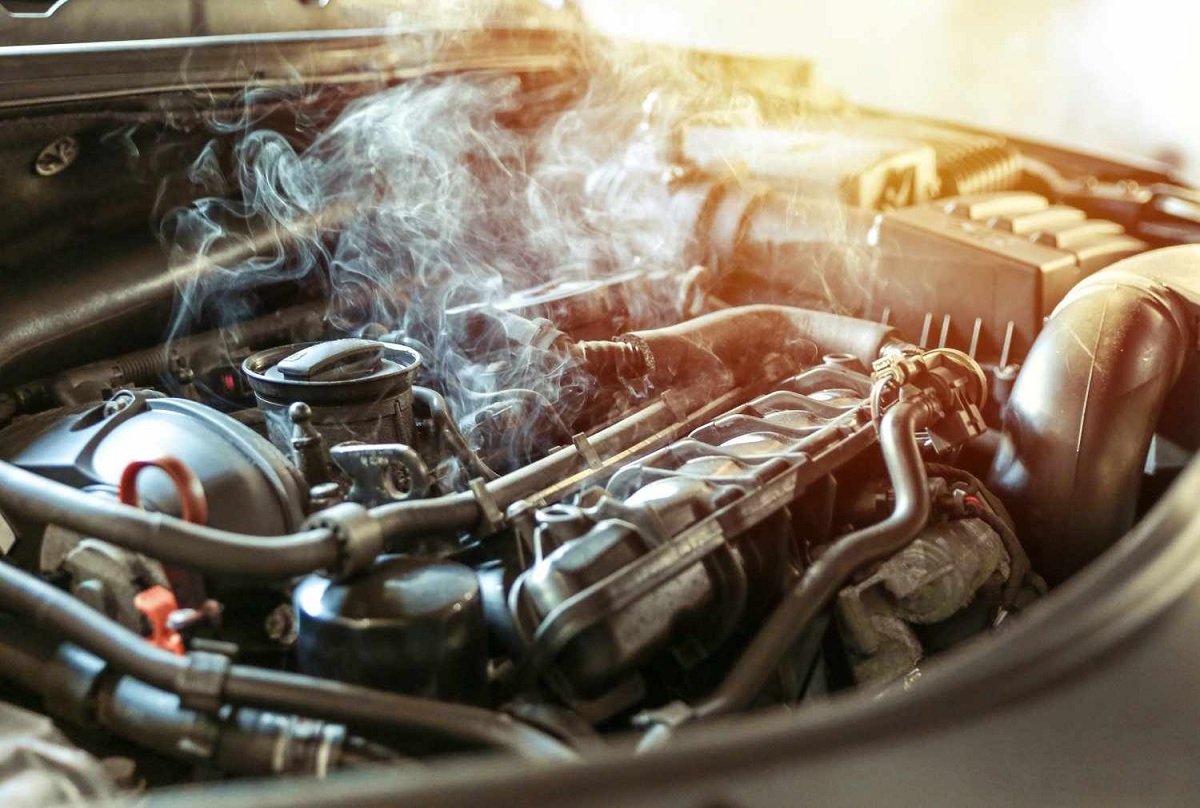
Another clear symptom is visible coolant leaks or steam emerging from under the hood while driving. As the engine overheats, excessive pressure can force coolant out of weakened hoses, the radiator, or the reservoir. Steam may appear around the engine bay or radiator, signaling high temperatures and compromised cooling.
Even small leaks may not be noticeable at idle, as lower heat and pressure keep the coolant contained. Under driving conditions, the coolant expands and escapes through the weakest points, making leaks more apparent. Steam is particularly dangerous because it can indicate that the coolant is boiling, which drastically increases the risk of engine damage.
Visible leaks or steam should prompt immediate action, such as safely pulling over and allowing the engine to cool. Ignoring these signs can lead to overheating-related failures, including blown head gaskets or warped cylinder heads.
Regularly inspecting hoses, clamps, and the radiator can help prevent leaks before they become severe. Maintaining proper coolant levels also reduces the likelihood of steam and overheating during driving.
Unusual Engine Noises And Performance Changes
Overheating while driving often causes noticeable engine noises or performance issues. The engine may produce knocking, ticking, or hissing sounds due to high temperatures affecting internal components or escaping steam from the cooling system.
Performance changes include sluggish acceleration, reduced power output, or unexpected hesitation. This occurs because overheating increases internal friction, reduces efficiency, and can trigger protective modes in modern vehicles to prevent severe damage.
These signs often appear progressively, making them easy to overlook until temperatures become critical. Drivers may feel vibrations or hear abnormal sounds that correspond to high engine stress and insufficient cooling.
Paying attention to unusual noises or sudden performance drops can alert you to underlying cooling system problems before catastrophic failure occurs. Combined with temperature gauge monitoring, these indicators help identify overheating early.
Strong Burning Smell Or Smoke
A strong burning smell, sometimes accompanied by smoke, is a serious warning of overheating while driving. Coolant leaking onto hot engine components produces a sweet, acrid odor, while oil or other fluids exposed to high temperatures may create a distinct burning scent.
This symptom typically develops under load when the engine generates maximum heat. The smell may be intermittent, appearing during acceleration or prolonged high-speed driving. Ignoring this warning increases the risk of internal engine damage, including gasket failure or warped heads.
Stopping the vehicle immediately and allowing it to cool is essential when a burning smell or smoke is detected. Inspecting the source and maintaining proper coolant and oil levels can help prevent recurring overheating incidents.
How To Diagnose Car Overheating Issues While Driving
Diagnosing overheating issues while driving requires careful observation and systematic troubleshooting. Unlike overheating at idle, problems that occur only under load often involve components that fail when the engine works harder. Proper diagnosis helps pinpoint the root cause, preventing repeated overheating, costly repairs, and potential engine damage.
Check Coolant Levels And Look For Leaks
The first step in diagnosing overheating while driving is checking the coolant level and inspecting for leaks. Low coolant reduces the system’s ability to transfer heat away from the engine, especially under high load or at highway speeds.
You should visually inspect hoses, the radiator, the coolant reservoir, and around the engine for wet spots or dried coolant residue. Even small leaks can cause overheating while driving while leaving idle temperatures unaffected. Steam or a sweet smell under the hood is a strong indicator of coolant loss.
Monitoring fluid levels over several days helps determine whether the system is losing coolant consistently. Identifying leaks early can prevent severe engine damage, such as warped cylinder heads or blown head gaskets. Additionally, ensure you use the manufacturer-recommended coolant type to maintain proper heat transfer and prevent corrosion inside the system.
Inspect Radiator And Cooling Fans
Radiator and fan performance is critical for keeping the engine cool during driving. A clogged radiator reduces airflow through the cooling fins, while a failing fan may not provide adequate cooling at higher speeds or stop-and-go conditions.
To diagnose potential radiator issues, check for bent fins, debris buildup, or signs of corrosion. For fans, verify they engage properly when the engine temperature rises. Faulty fan motors, blown fuses, or defective temperature sensors can prevent fans from operating effectively, which only becomes apparent when the engine is under load.
Proper airflow through the radiator ensures that coolant dissipates heat efficiently. By testing both the radiator and fans, you can determine whether insufficient cooling is causing the overheating symptoms during driving, even if idle temperatures appear normal.
Evaluate Thermostat Function And Water Pump
A malfunctioning thermostat or failing water pump often causes overheating during driving but not at idle. The thermostat regulates coolant flow to the radiator, and a stuck-closed thermostat prevents proper circulation under load.
The water pump circulates coolant throughout the engine and radiator. If the pump is worn, it may provide sufficient flow at low RPMs but fail at higher speeds, causing temperature spikes during driving. Look for signs such as coolant leaks near the pump, unusual noises, or fluctuating temperature readings.
Testing these components may require a mechanic, but visual inspections and monitoring temperature changes can reveal early warning signs. Ensuring both the thermostat and water pump are functioning properly stabilizes engine temperature across all driving conditions.
Monitor Temperature Gauge And Vehicle Performance
Consistent observation of the temperature gauge and overall vehicle performance is essential for diagnosis. Note any rapid spikes or steady climbs while accelerating or maintaining highway speeds, as these patterns indicate cooling system limitations.
Performance changes, such as reduced power, engine hesitation, or abnormal noises, can confirm that overheating is affecting engine operation. Recording these symptoms helps technicians identify whether the problem is fluid circulation, airflow, or component failure.
Cross-referencing gauge readings with observed symptoms allows for a more accurate diagnosis. Monitoring the vehicle during various driving conditions ensures that intermittent overheating is captured, preventing misdiagnosis and helping pinpoint the exact cause.
Repair Options For Overheating While Driving
Addressing overheating while driving requires targeted repairs based on the root cause. Unlike idle overheating, these issues usually involve components that fail under load, such as the cooling system, thermostat, or water pump. Timely repairs prevent further engine damage and restore proper temperature regulation, ensuring the vehicle operates safely under all driving conditions.
Replacing Or Flushing Coolant
One of the most common repair options is replacing or flushing the coolant. Old or contaminated coolant loses its ability to transfer heat effectively, increasing the risk of overheating under heavy engine loads. A full system flush removes rust, debris, and mineral buildup that can restrict coolant flow through the radiator and engine passages.
Refilling the system with fresh, manufacturer-recommended coolant restores proper thermal balance. For minor leaks, topping off coolant levels may temporarily alleviate overheating, but a flush ensures long-term protection and reduces stress on internal components. Regular maintenance also prevents corrosion inside the radiator, hoses, and engine block, which can otherwise lead to repeated overheating.
Performing a flush also allows for inspection of the entire system, identifying weak points such as worn hoses or radiator cracks. This repair option is relatively straightforward yet highly effective at preventing overheating while driving and maintaining overall engine health.
Thermostat Replacement
A stuck or malfunctioning thermostat is a frequent cause of overheating while driving. Replacing the thermostat ensures proper coolant flow, allowing the engine to maintain optimal temperatures under both idle and driving conditions.
During replacement, the old thermostat is removed, and the housing is inspected for corrosion or leaks. Installing a new, properly rated thermostat restores coolant circulation at the correct temperature. This simple repair often resolves overheating problems that only occur under load, as the engine can now transfer heat efficiently through the radiator during highway driving.
Thermostat replacement is typically quick and affordable, yet it significantly improves engine reliability. Proper installation also prevents premature coolant system pressure buildup, reducing the risk of hose bursts or radiator damage.
Water Pump Repair Or Replacement
A failing water pump can cause overheating that only occurs while driving. Replacing a worn pump restores proper coolant circulation, ensuring heat is carried away from the engine effectively.
Water pump repair involves removing the pump, inspecting the impeller and shaft, and replacing any worn seals. A new water pump provides consistent flow at higher engine speeds, addressing overheating issues that do not appear at idle. This repair also protects other components, such as the head gasket and cylinder heads, from heat-related damage.
In many cases, the timing belt or serpentine belt must also be checked or replaced, as they drive the water pump. Ensuring the belt system is in good condition prevents future pump failures and maintains efficient engine cooling during driving.
Radiator Cleaning Or Replacement
Clogged or damaged radiators reduce heat dissipation and often cause overheating at highway speeds. Cleaning the radiator removes debris and sediment, restoring airflow and coolant circulation.
Severely damaged or corroded radiators may require full replacement. A new radiator improves heat transfer, reduces pressure on the cooling system, and prevents repeated overheating under load. Proper radiator maintenance ensures the engine remains within safe operating temperatures across all driving conditions.
Frequently Asked Questions
Why Does My Car Overheat When Driving But Not At Idle?
Your car may overheat while driving but not at idle because certain cooling system components fail under load. At idle, the engine generates less heat, allowing even partially functioning parts to maintain safe temperatures.
Problems like a clogged radiator, failing water pump, stuck thermostat, or malfunctioning cooling fans often only appear during higher speeds or heavy engine demand. Coolant may circulate poorly, or airflow through the radiator may be insufficient, causing temperature spikes. Identifying the specific cause is essential to prevent engine damage and maintain reliable performance.
Can Low Coolant Cause Overheating While Driving?
Yes, low coolant is a common reason your engine overheats under driving conditions. Coolant transfers heat from the engine to the radiator, and insufficient levels reduce its effectiveness, especially when the engine works harder.
At idle, the engine produces less heat, so the low coolant may appear adequate. During acceleration or highway driving, the heat generated exceeds what the reduced coolant volume can handle, leading to temperature spikes. Regularly checking levels and refilling with manufacturer-recommended coolant prevents overheating and protects your engine from serious damage.
How Do I Know If The Radiator Is Causing Overheating?
A clogged or damaged radiator often causes overheating only while driving. Reduced airflow or restricted coolant flow prevents heat from being dissipated effectively at higher engine speeds.
You may notice the temperature gauge rising quickly during highway driving or stop-and-go traffic, while idle temperatures remain normal. Physical signs include bent fins, corrosion, leaks, or debris buildup. Cleaning, flushing, or replacing the radiator can restore proper cooling and prevent engine damage caused by overheating under load.
Can A Faulty Thermostat Cause Overheating Only While Driving?
Yes, a stuck or malfunctioning thermostat can allow overheating during driving while leaving idle unaffected. The thermostat regulates coolant flow to the radiator based on engine temperature.
When stuck closed, it prevents coolant from circulating efficiently under higher engine loads, causing rapid temperature increases while driving. At idle, minimal heat may allow the engine to stay within a safe range temporarily. Replacing a faulty thermostat restores proper coolant flow and stabilizes engine temperature in all conditions.
How Can I Tell If The Water Pump Is Failing?
A failing water pump often causes overheating under driving conditions because it cannot circulate coolant effectively at higher engine speeds. At idle, the pump may still manage minimal flow, masking the problem.
Signs include coolant leaks near the pump, unusual whining noises, and rising temperature during acceleration or highway driving. Reduced coolant circulation creates hot spots in the engine, increasing stress on internal components. Timely water pump inspection and replacement ensure proper cooling and prevent long-term engine damage.
Is It Safe To Continue Driving When My Car Overheats While Driving?
Driving while your car overheats under load is risky and can lead to serious engine damage. Low coolant circulation, faulty thermostats, or failing radiators increase engine temperature quickly, risking warped cylinder heads or blown gaskets.
Temporary driving may seem fine at idle or low speeds, but prolonged exposure under driving conditions accelerates internal wear. Pulling over, allowing the engine to cool, and diagnosing the issue promptly is essential. Addressing the underlying cause prevents catastrophic engine failure and ensures your car operates safely on the road.
Final Thoughts
Experiencing engine overheating only while driving can signal underlying issues that require immediate attention. While your car may run normally at idle, the added stress of higher speeds and longer distances can expose problems with coolant flow, radiator performance, or thermostat operation. Ignoring these signs can lead to serious engine damage and costly repairs.
Identifying the exact cause is crucial because several components, such as the radiator, water pump, or cooling fans, may be contributing to the problem. Proper inspection and timely repairs help prevent further complications and ensure that the vehicle remains safe to drive. Addressing an issue early can save both time and money while maintaining engine efficiency.
Taking preventive measures, like regular coolant checks, radiator cleaning, and fan maintenance, can reduce the risk of recurrence. Consistent attention and care are key to avoiding repeated instances of car overheating when driving but not at idle and ensuring long-term vehicle reliability.