Rattling Sound When Accelerating At Low Speed Manual Transmission: Causes And Easy Fixes
Experiencing unusual noises while driving can be unsettling, especially when they occur during acceleration. Low-speed driving in a manual transmission vehicle requires precise coordination between the clutch, gears, and engine, making it easier to notice any irregular sounds.
A common concern for many drivers is a rattling noise that becomes apparent during gentle acceleration. The rattling sound when accelerating at low speed manual transmission can indicate issues with engine components, transmission parts, or drivetrain connections. Identifying the source early is essential to prevent further damage and maintain vehicle performance.
Understanding what causes these noises helps you address minor issues before they escalate into costly repairs. Components such as loose heat shields, worn clutch parts, or gearbox components may produce rattling sounds during low-speed acceleration.
Paying close attention to the pattern, timing, and intensity of the rattling sound allows for a more accurate diagnosis. Timely inspection ensures smoother driving, prolongs the life of mechanical parts, and preserves overall safety.
Common Causes Of Rattling Sound When Accelerating At Low Speed Manual Transmission
A rattling sound during low-speed acceleration in a manual transmission vehicle can be concerning and may indicate underlying mechanical or drivetrain issues. Understanding the common causes helps drivers diagnose the problem early, maintain vehicle performance, and prevent costly repairs. Several components, from the clutch to the engine mounts, can contribute to rattling noises in these conditions.
Loose Heat Shields Or Exhaust Components
One of the most frequent causes of rattling noises during low-speed acceleration is loose heat shields or exhaust components. Heat shields protect various parts of the vehicle from excessive heat produced by the exhaust system, but they can become loose over time due to rust, vibration, or improper installation.
When accelerating, the engine and exhaust system produce vibrations that can make these loose components rattle. The sound often appears as a metallic clattering, especially when the vehicle is under load at low speeds. Inspecting the heat shields, exhaust pipes, and mounting brackets for looseness, corrosion, or missing hardware is essential. Tightening or replacing damaged components usually resolves the noise while also preventing further damage to the exhaust system and surrounding parts.
Worn Clutch Components
The clutch assembly in a manual transmission is critical for smooth engagement and power transfer. Worn or loose components, such as the clutch release bearing, pressure plate, or friction disc, can produce a rattling sound when accelerating at low speed.
A failing release bearing may create a constant or intermittent rattling noise when the clutch pedal is pressed or released. Similarly, uneven wear on the clutch disc or pressure plate can lead to vibration and rattling during low-speed acceleration. Regular inspection of the clutch assembly, including bearings and mounting points, helps detect early signs of wear. Replacing worn clutch parts ensures smoother operation, reduces rattling noise, and extends the life of the transmission.
Transmission And Gearbox Issues
Problems within the gearbox or transmission components can also generate rattling noises during low-speed acceleration. Worn gears, loose bearings, or inadequate lubrication may produce metallic sounds that vary with engine speed and gear selection.
When gears or synchronizers wear out, they may not mesh smoothly, causing rattling or grinding sounds during acceleration. Bearings that support the shafts can also produce vibration if they are worn or damaged. Regular transmission maintenance, including checking fluid levels and condition, ensures proper lubrication and reduces noise. Early detection and repair of transmission issues prevent further damage and maintain smooth power delivery during acceleration.
Engine Mounts And Drivetrain Connections
Engine mounts and drivetrain connections play a vital role in stabilizing the engine and transmission. Worn or broken mounts allow excessive movement of the engine or transmission, creating rattling noises when accelerating at low speed.
Loose or damaged mounts transmit vibrations to the chassis, amplifying metallic or clattering sounds. Similarly, worn drivetrain components, such as U-joints, drive shafts, or differential mounts, may produce rattling under acceleration. Inspecting engine mounts, bushings, and drivetrain connections for wear, cracks, or looseness helps pinpoint the source of the noise. Replacing damaged mounts or tightening loose connections restores stability, reduces rattling, and improves overall driving comfort.
Exhaust And Intake Components
Exhaust hangers, intake manifold parts, or other auxiliary components can contribute to rattling noises during low-speed acceleration. Vibration from the engine and transmission can make loose or worn parts produce metallic rattles.
Checking exhaust hangers, brackets, and intake connections for looseness or wear ensures components remain secure. Tightening, repairing, or replacing compromised parts prevents further noise and potential damage. Routine inspection of these auxiliary components is crucial for maintaining quiet operation, preventing rattling, and ensuring smooth low-speed acceleration.
Inspect Clutch And Flywheel Components
The clutch and flywheel are critical components in a manual transmission system, responsible for transferring power from the engine to the drivetrain smoothly. Issues within these components can lead to rattling sounds when accelerating at low speed. Regular inspection and maintenance ensure proper operation, reduce noise, and prevent premature wear or damage to the transmission system.
Clutch Release Bearing And Pressure Plate
The clutch release bearing, also known as the throw-out bearing, is a common source of rattling noises in manual transmissions. This bearing allows smooth disengagement of the clutch when the pedal is pressed. Worn or damaged bearings can create a constant or intermittent rattling noise, particularly noticeable during low-speed acceleration or clutch engagement.
The pressure plate also plays a critical role in maintaining clutch tension. A warped or weakened pressure plate can cause uneven engagement, producing vibration and rattling sounds. Regular inspection of the release bearing and pressure plate for wear, cracks, or abnormal movement helps identify issues early. Replacing worn components restores smooth clutch operation, eliminates rattling noises, and extends the life of the flywheel and transmission.
Flywheel Condition And Surface Wear
The flywheel connects the engine crankshaft to the clutch assembly and helps maintain rotational momentum. Surface irregularities, such as warping, cracks, or hot spots, can lead to rattling noises during low-speed acceleration. Uneven wear on the flywheel disrupts the engagement between the clutch disc and pressure plate, creating vibration and metallic sounds.
Inspecting the flywheel involves checking for surface damage, cracks, or heat discoloration. Resurfacing minor imperfections or replacing severely worn flywheels ensures smooth power transfer and reduces rattling. Maintaining the flywheel in optimal condition is essential for clutch performance, vibration-free operation, and overall drivetrain reliability.
Clutch Disc And Friction Material
The clutch disc, lined with friction material, is the contact point between the flywheel and pressure plate. Worn or contaminated friction material can cause slipping, uneven engagement, and rattling noises when accelerating at low speed. Loose rivets or damaged disc springs can further contribute to metallic rattling sounds.
Regular inspection of the clutch disc involves checking the friction surface for wear, cracks, or oil contamination. Replacing a worn or damaged clutch disc ensures proper engagement with the flywheel and pressure plate, reduces vibration and rattling, and restores smooth acceleration performance. Maintaining the clutch disc also improves gear shifting and overall transmission efficiency.
Mounting Bolts And Component Alignment
Loose or improperly torqued mounting bolts for the clutch and flywheel can produce rattling noises during acceleration. Misalignment of these components can also lead to vibration, uneven wear, and additional stress on the clutch assembly.
Inspecting all mounting bolts for proper torque and checking the alignment of the clutch and flywheel is critical. Tightening loose bolts and correcting alignment issues ensures smooth power transfer, reduces rattling noises, and prevents premature wear of clutch components. Proper installation and regular maintenance improve overall vehicle performance and prolong the lifespan of the manual transmission system.
Signs Of Clutch And Flywheel Wear
Monitoring symptoms such as rattling, vibration, slipping, or difficulty in gear engagement helps identify clutch and flywheel issues early. Unusual noises during low-speed acceleration are often the first indicators of component wear or damage.
Routine inspections, combined with timely replacement of worn or damaged parts, prevent major transmission problems. Maintaining the clutch and flywheel ensures quieter operation, smoother acceleration, and reliable performance, enhancing the overall driving experience in a manual transmission vehicle.
Check Gears, Synchronizers, And Transmission Internals
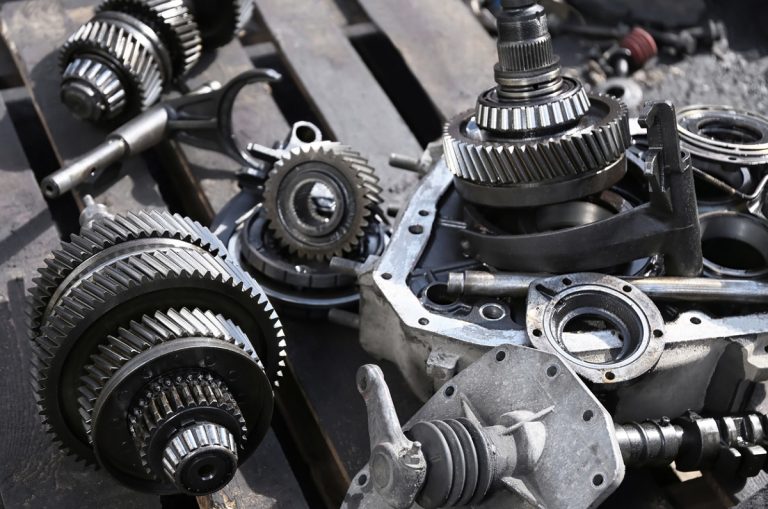
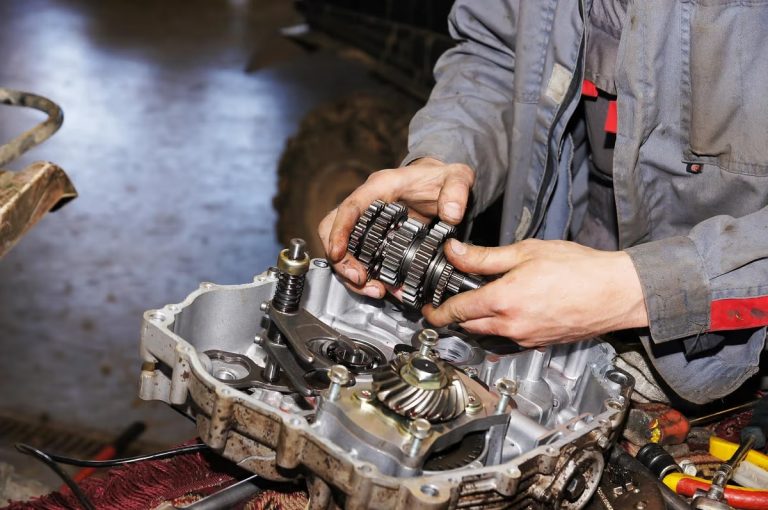
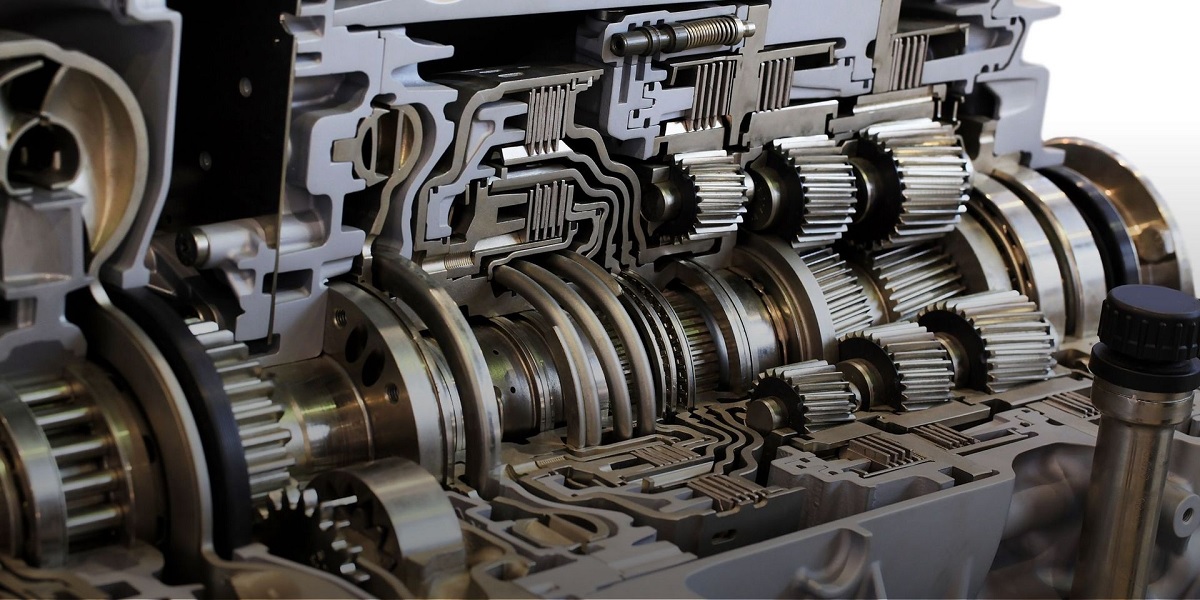
The transmission is the heart of a manual drivetrain, transferring engine power to the wheels through a precise system of gears and synchronizers. Low-speed acceleration can reveal issues in these components, often producing rattling noises. Regular inspection of gears, synchronizers, and other internal transmission parts ensures smooth operation, reduces noise, and prevents costly failures.
Gear Teeth And Alignment
Worn or damaged gear teeth are a common cause of rattling sounds during low-speed acceleration. When the teeth on input, counter, or output shafts wear unevenly, they fail to mesh smoothly, producing metallic clattering or vibration. Improper alignment of gears due to worn bearings or shaft play can amplify these noises.
Inspecting gear teeth for pitting, chipping, or uneven wear is essential. Proper lubrication also prevents excessive friction and noise, reducing the likelihood of premature failure. Addressing gear issues early ensures smooth power transfer, minimizes rattling, and maintains the overall efficiency of the manual transmission system.
Synchronizer Rings And Engagement
Synchronizers are responsible for matching gear speeds during shifting to allow smooth engagement. Worn or damaged synchronizer rings can create rattling noises, especially noticeable at low speeds when gears engage under partial load. Signs of synchronizer wear include difficulty shifting, grinding, or inconsistent gear engagement.
Checking the synchronizers for wear or damage involves disassembling the transmission and inspecting the engagement teeth and friction surfaces. Replacing worn synchronizers restores smooth shifting, eliminates rattling sounds, and prevents further damage to the gears and shafts. Proper synchronizer maintenance is critical for reliable manual transmission performance.
Bearings And Shaft Support
Bearings within the transmission support shafts and allow smooth rotation. Worn or damaged bearings can produce rattling noises during acceleration, as excessive play causes vibration between meshing gears. Bearings also affect the alignment of gears and synchronizers, meaning worn bearings can exacerbate noise from other components.
Regular inspection of transmission bearings includes checking for rough rotation, excessive play, and signs of heat or wear. Replacing worn bearings ensures proper alignment of internal components, reduces rattling, and prolongs the life of gears and synchronizers. Bearings are essential for smooth operation and maintaining quiet performance during low-speed driving.
Transmission Lubrication And Maintenance
Proper lubrication is crucial for all transmission internals, including gears, synchronizers, and bearings. Inadequate or contaminated transmission fluid can increase friction, cause premature wear, and lead to rattling noises during low-speed acceleration.
Routine fluid checks, timely replacements, and using manufacturer-recommended lubricants ensure optimal transmission performance. Lubrication prevents excessive metal-to-metal contact, minimizes noise, and extends component life. Maintaining proper lubrication is one of the simplest yet most effective ways to reduce rattling and keep a manual transmission operating smoothly.
Signs Of Internal Transmission Wear
Symptoms like rattling, grinding, difficult shifting, or vibration at low speeds indicate internal transmission wear. Addressing these signs promptly prevents further damage to gears, synchronizers, and bearings.
Regular inspections, timely repairs, and proper maintenance practices keep the transmission quiet, smooth, and efficient. Monitoring internal components allows for early detection of issues, ensuring long-term reliability and optimal performance of your manual transmission vehicle.
Evaluate Engine And Transmission Mounts
Engine and transmission mounts play a crucial role in stabilizing the powertrain and isolating vibrations from the chassis. Worn or damaged mounts can lead to rattling noises, particularly during low-speed acceleration in manual transmission vehicles. Evaluating these mounts ensures smoother operation, reduces rattling, and prevents further stress on drivetrain components. Regular inspection and maintenance of mounts are essential for vehicle performance and comfort.
Purpose And Function Of Mounts
Engine and transmission mounts are designed to secure the powertrain while absorbing vibrations and shocks from the engine and road surface. They prevent excessive movement that could damage drivetrain components or transmit vibrations to the cabin. Rubber, hydraulic, or polyurethane mounts serve as buffers, reducing noise and vibration during operation.
When mounts wear out or degrade, they lose their damping ability. This results in excessive movement of the engine or transmission during acceleration, which can produce rattling noises at low speeds. Evaluating mounts for signs of cracks, deterioration, or fluid leakage in hydraulic mounts ensures that the powertrain remains securely positioned and vibration-free, preserving overall vehicle performance.
Symptoms Of Worn Engine And Transmission Mounts
Worn or damaged mounts manifest through several symptoms beyond rattling noises. You may notice excessive engine movement, clunking sounds during gear changes, vibrations through the cabin, or misalignment of drivetrain components. Low-speed acceleration often amplifies these symptoms as the engine and transmission shift under load.
Inspecting mounts involves checking for visible cracks, worn rubber, or loose bolts. Hydraulic mounts should be checked for fluid leakage, while polyurethane mounts require assessment for hardening or cracking. Early detection of mount wear prevents further damage to connected components and reduces vibration and rattling during low-speed driving in a manual transmission vehicle.
Mount Alignment And Installation
Proper alignment and installation of mounts are essential for smooth operation. Misaligned or improperly installed mounts can create uneven stress on the engine and transmission, contributing to rattling noises. Over time, this misalignment can accelerate wear on the mounts and connected drivetrain components.
During evaluation, check that all bolts are tightened to manufacturer specifications and that mounts sit correctly in their brackets. Any misalignment or looseness should be corrected immediately. Proper alignment ensures even load distribution, reduces vibrations, and prevents rattling noises caused by excessive engine or transmission movement.
Preventive Maintenance And Replacement
Routine inspection and maintenance of engine and transmission mounts are key to preventing rattling noises and drivetrain issues. Over time, rubber or polyurethane mounts degrade, and hydraulic mounts can leak, reducing their effectiveness.
Replacing worn mounts with quality parts ensures proper vibration absorption, stabilizes the powertrain, and eliminates rattling sounds during low-speed acceleration. Periodic maintenance, including torque checks and visual inspections, extends the lifespan of mounts, enhances vehicle comfort, and protects other drivetrain components from unnecessary stress.
Importance Of Mount Evaluation
Evaluating engine and transmission mounts is crucial for maintaining a smooth and quiet ride. Rattling noises during low-speed acceleration often point to mount wear or failure, making timely inspection essential.
Regularly checking mounts helps maintain proper powertrain alignment, reduces vibration, and prevents stress on the transmission, clutch, and engine components. Addressing mount issues proactively improves driving comfort, vehicle performance, and the overall longevity of your manual transmission vehicle.
Examine Drivetrain And CV Joints
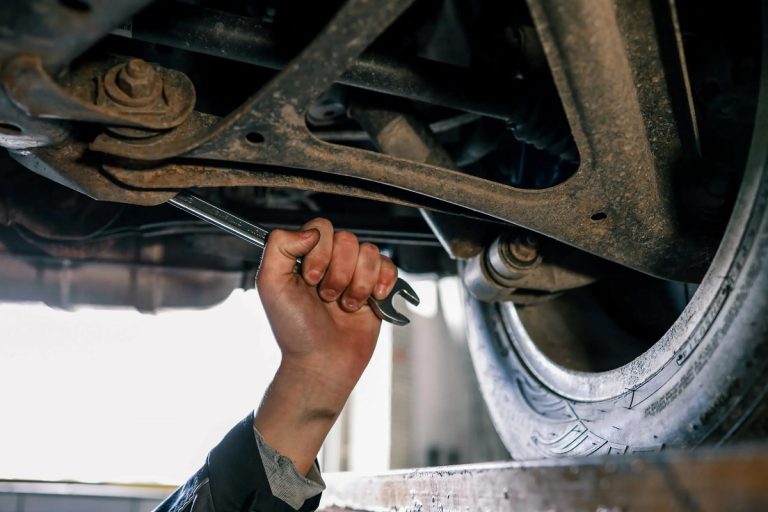
The drivetrain and CV (constant velocity) joints are essential for transferring power from the transmission to the wheels smoothly. In manual transmission vehicles, low-speed acceleration can reveal issues in these components, often producing rattling or clicking noises. Regular inspection of the drivetrain and CV joints helps maintain smooth power delivery, reduces noise, and prevents premature wear or costly repairs.
Role Of CV Joints In Power Transfer
CV joints are designed to allow the wheels to receive power while accommodating suspension movement and steering angles. These joints are critical in maintaining consistent rotational motion without binding, even when turning or driving over uneven surfaces.
Worn or damaged CV joints can produce rattling, clicking, or popping sounds during low-speed acceleration. Torn or cracked CV boots allow dirt, debris, and moisture to enter the joint, accelerating wear and reducing lubrication. Inspecting CV joints for play, noise, or boot damage is crucial to ensure smooth operation. Proper maintenance and timely replacement of worn joints prevent drivetrain vibrations and reduce rattling noises during vehicle acceleration.
Drivetrain Components And Mounts
Beyond CV joints, the drivetrain includes components like drive shafts, differential mounts, and universal joints. Excessive play, worn bearings, or misaligned mounts can produce rattling noises, particularly at low speeds when the engine torque is applied unevenly.
Inspection involves checking the drive shafts for straightness, examining U-joints for wear, and ensuring differential and transmission mounts are secure. Loose or damaged mounts allow movement that amplifies vibrations, creating rattling or clunking sounds. Maintaining proper alignment and support of drivetrain components ensures smooth power transfer and reduces stress on CV joints and other parts, contributing to quieter operation.
Signs Of Wear And Damage
Symptoms of worn drivetrain or CV components include rattling noises, vibrations through the chassis, difficulty turning, or uneven power delivery to the wheels. These issues often worsen gradually, making early detection critical.
Regular checks involve rotating the wheels while observing CV joint movement, listening for unusual sounds, and inspecting boots for cracks or leaks. Drive shafts and differential mounts should be examined for looseness, corrosion, or wear. Identifying issues early prevents further damage, preserves vehicle performance, and minimizes the risk of sudden failure during low-speed acceleration.
Maintenance And Lubrication
Proper maintenance of CV joints and drivetrain components extends their lifespan and reduces rattling noise. Ensuring CV joints are well-lubricated and boots are intact prevents contamination and premature wear. Greasing universal joints and checking for fluid leaks in the differential are essential preventive measures.
Replacing worn or damaged components promptly restores smooth operation and reduces vibrations. Routine inspections and preventive maintenance keep the drivetrain and CV joints functioning properly, ensuring quiet and reliable performance during low-speed acceleration in a manual transmission vehicle.
Importance Of Drivetrain Evaluation
Evaluating the drivetrain and CV joints is critical for identifying sources of rattling noise during low-speed acceleration. Worn or damaged components can affect power delivery, handling, and overall vehicle safety.
Timely inspection and maintenance of CV joints, drive shafts, and mounts maintain smooth power transfer, reduce rattling, and prevent further mechanical damage. Ensuring the integrity of these components improves driving comfort, reliability, and longevity of the manual transmission system.
Frequently Asked Questions
What Causes A Rattling Sound When Accelerating At Low Speed Manual Transmission?
A rattling sound when accelerating at low speed in a manual transmission vehicle often comes from worn or loose components within the engine, clutch, transmission, or drivetrain. Loose heat shields, worn clutch release bearings, or damaged gears can produce metallic rattling.
Drivetrain components like CV joints, drive shafts, or engine mounts can also contribute to vibration-related rattling. Observing the noise pattern, timing, and intensity helps you identify the source. Timely inspection prevents further damage, maintains smooth power delivery, and ensures safe, quiet operation of your manual transmission vehicle.
Can Worn Clutch Components Cause Rattling At Low Speeds?
Yes, worn clutch components are a common cause of rattling noises during low-speed acceleration. The clutch release bearing, pressure plate, or friction disc can generate metallic rattling if they are damaged or worn unevenly.
A failing release bearing produces a noise especially noticeable when the clutch is partially engaged. Uneven wear on the clutch disc or pressure plate can create vibration and clattering sounds. Regular inspection and replacement of worn components restore smooth engagement, reduce rattling, and extend the life of the transmission and flywheel.
How Do Engine And Transmission Mounts Affect Rattling?
Engine and transmission mounts stabilize the powertrain and absorb vibrations. Worn or broken mounts allow excessive engine or transmission movement, which can produce rattling sounds during low-speed acceleration.
Loose mounts transmit vibration through the chassis and amplify metallic noise. Evaluating mounts involves checking for cracks, wear, or looseness, and ensuring proper torque and alignment. Replacing damaged mounts restores stability, reduces rattling, and protects other drivetrain components from unnecessary stress. Properly maintained mounts improve driving comfort and vehicle performance.
Can CV Joints Or Drivetrain Components Produce Rattling Noise?
Yes, CV joints, drive shafts, and other drivetrain components can generate rattling noises during low-speed acceleration. Worn joints or damaged bearings allow excessive play, causing vibration and metallic rattling.
Cracked or torn CV boots allow dirt and debris to enter the joint, accelerating wear. Inspecting joints for movement, noise, and boot integrity ensures smooth operation. Maintaining drive shafts and mounts reduces vibrations and prevents rattling from spreading through the vehicle chassis, ensuring quiet and reliable performance.
Is A Loose Heat Shield Responsible For Rattling Noise?
Loose heat shields in the exhaust system can create rattling noises, particularly under low-speed acceleration when engine vibrations are transmitted through the chassis. Rust, corrosion, or loose mounting hardware often causes this issue.
Inspecting the exhaust system for loosened heat shields, bent brackets, or missing bolts helps identify the source. Securing or replacing damaged shields eliminates the noise, prevents further vibration, and protects surrounding components from heat-related damage. This is often a simple fix that restores quiet operation.
How Do Transmission Gears And Synchronizers Contribute To Noise?
Worn gears and synchronizers inside the manual transmission can produce rattling sounds, especially at low speeds when torque and engagement are uneven. Worn gear teeth may not mesh smoothly, creating metallic clattering or vibration.
Synchronizer rings may wear, making gear engagement less precise and producing rattling or grinding sounds. Checking gear teeth, synchronizers, and bearings for wear or damage is critical. Timely maintenance and replacement ensure smooth gear shifts, quiet operation, and prolong the life of the transmission.
When Should I Take My Car To A Mechanic For Rattling Noise?
You should consult a mechanic if the rattling persists, becomes louder, or is accompanied by clutch engagement issues, vibration, or difficulty shifting. These symptoms may indicate worn clutch components, transmission issues, or failing drivetrain parts.
A professional inspection identifies the root cause accurately, preventing further damage and costly repairs. Addressing rattling noises early ensures safe operation, smooth power delivery, and preserves the longevity of your manual transmission system, keeping the vehicle reliable and quiet during low-speed acceleration.
Final Thoughts
Hearing unusual noises while driving can be a clear signal that something in your vehicle needs attention. A rattling noise during low-speed acceleration in a manual transmission car often points to worn clutch components, loose mounts, or internal transmission issues. Ignoring these signs can lead to more severe damage, costly repairs, and unsafe driving conditions.
Regular maintenance plays a key role in preventing rattling sound when accelerating at low speed manual transmission. Checking and servicing the clutch, flywheel, mounts, driveshaft, and CV joints ensures smooth operation. Additionally, maintaining proper transmission fluid levels and using the correct type of lubricant can reduce internal wear and vibration, keeping your vehicle quieter and more reliable.
If the noise persists despite basic inspections, consulting a professional mechanic is essential. A certified technician can accurately diagnose the cause, repair or replace faulty components, and restore smooth operation. Addressing rattling sound when accelerating at low speed manual transmission promptly helps protect your vehicle and ensures safe, worry-free driving.