Can Spark Plugs Cause Misfire: Symptoms, Causes, and Solutions
A misfiring engine can make driving uncomfortable and may indicate a serious issue with your vehicle’s ignition system. One of the most common culprits behind engine misfires is the spark plug. Spark plugs play a critical role in igniting the air-fuel mixture in the engine’s combustion chamber, allowing the engine to run smoothly and efficiently.
Understanding can spark plugs cause misfire helps you identify whether worn, dirty, or faulty plugs are affecting engine performance. When spark plugs fail to generate a consistent spark, the air-fuel mixture may not ignite properly, causing the engine to skip or hesitate during operation.
Misfires can lead to rough idling, poor acceleration, decreased fuel efficiency, and even increased emissions. Recognizing the signs of faulty spark plugs early allows you to address the problem before it escalates into more costly repairs.
Being aware of how spark plugs influence engine performance and their role in misfires ensures proper maintenance and reliable vehicle operation. Regular inspection and timely replacement of spark plugs can prevent frequent misfires and maintain engine efficiency.
How Spark Plugs Affect Engine Performance
Spark plugs are small but critical components in your vehicle’s ignition system. They generate the spark necessary to ignite the air-fuel mixture in the combustion chamber, which powers the engine. Worn, dirty, or faulty spark plugs can significantly impact engine performance, affecting fuel efficiency, acceleration, and smoothness. Understanding their role helps you identify potential issues and maintain optimal engine operation.
Ignition Consistency and Engine Smoothness
Spark plugs are responsible for producing consistent sparks at the right timing for proper combustion. When a spark plug misfires or generates a weak spark, the air-fuel mixture in the cylinder does not ignite efficiently. This inconsistency can cause the engine to run roughly or produce vibrations, especially at idle or low speeds.
A failing spark plug can also lead to uneven combustion across cylinders. Some cylinders may fire correctly, while others lag or fail entirely, creating a noticeable imbalance in engine performance. This can cause rough idling, hesitation during acceleration, or even sudden power loss under load. Properly functioning spark plugs maintain smooth engine operation, ensuring each cylinder contributes effectively to overall performance.
Regular inspection and replacement of spark plugs prevent these issues, helping the engine operate quietly, smoothly, and efficiently. Well-maintained spark plugs reduce strain on other components, such as the ignition coils and fuel injectors, promoting longevity and consistent performance.
Impact on Fuel Efficiency
Spark plugs directly influence fuel consumption because they control the combustion process. A worn or fouled spark plug produces weaker or irregular sparks, preventing complete combustion of the air-fuel mixture. Incomplete combustion leads to wasted fuel, decreased miles per gallon, and increased operating costs.
Engines with faulty spark plugs may require more fuel to achieve the same level of power output, as cylinders fail to generate maximum efficiency. This imbalance can also cause carbon buildup inside the combustion chamber and on the spark plugs themselves, further reducing fuel efficiency over time.
Replacing spark plugs at recommended intervals restores efficient combustion, allowing the engine to extract maximum energy from the fuel. Improved fuel efficiency not only saves money but also reduces harmful emissions, helping the vehicle run cleaner while maintaining consistent power delivery.
Effects on Acceleration and Power
Faulty spark plugs can noticeably reduce engine power and responsiveness. Misfires or delayed ignition prevent the engine from generating full power, resulting in sluggish acceleration or hesitation during throttle input. Drivers may experience a lag when pressing the accelerator, particularly when merging onto highways or climbing steep inclines.
Reduced engine power occurs because cylinders are not firing at optimal timing or strength, disrupting the coordinated effort needed to produce maximum torque. Over time, repeated misfires can put additional stress on the engine and drivetrain components, potentially leading to costly repairs.
Replacing spark plugs restores proper ignition timing and energy delivery in each cylinder, allowing the engine to respond efficiently to throttle inputs. Optimal spark performance ensures smooth acceleration, consistent power output, and a more enjoyable and reliable driving experience.
Influence on Emissions and Engine Longevity
Spark plugs also play a critical role in maintaining low emissions and prolonging engine life. Misfires caused by faulty spark plugs result in unburned fuel entering the exhaust system, which can increase emissions of hydrocarbons and carbon monoxide. This not only affects environmental performance but may also trigger the check engine light.
Over time, repeated misfires and inefficient combustion can damage other engine components, including the catalytic converter, oxygen sensors, and pistons. Maintaining proper spark plug function ensures cleaner combustion, reducing harmful emissions while protecting vital engine components from excessive wear or heat damage.
Regular maintenance, including timely inspection and replacement of spark plugs, helps maintain engine longevity and efficiency. A healthy ignition system supports optimal performance, reduces environmental impact, and ensures your vehicle remains reliable for years to come.
Diagnosing Spark Plug Issues
Recognizing signs of spark plug problems is crucial for maintaining engine performance. Common indicators include rough idling, decreased fuel efficiency, hesitation during acceleration, engine vibrations, and visible misfires. Visual inspection may reveal fouling, carbon deposits, or worn electrodes on the spark plug, signaling the need for replacement.
Professional diagnostics using ignition testers or engine scanners can identify misfires, weak sparks, or timing issues, providing accurate insight into spark plug health. Addressing spark plug problems promptly prevents further damage, restores engine efficiency, and ensures smooth, reliable operation across all driving conditions.
Common Symptoms of Misfire Caused by Spark Plugs
Engine misfires can be frustrating and may lead to costly repairs if ignored. Spark plugs are often the culprit behind many misfire issues, as they are responsible for igniting the air-fuel mixture in the engine cylinders. Identifying the common symptoms of misfires caused by faulty spark plugs helps you take prompt action, maintain engine performance, and avoid further damage.
Rough Idling and Engine Vibrations
One of the most noticeable symptoms of a spark plug-related misfire is rough idling. When spark plugs fail to ignite the fuel consistently, the engine may run unevenly, causing vibrations that can be felt through the steering wheel or vehicle body. Idle RPMs may fluctuate or dip intermittently, creating a jerky sensation when the vehicle is stationary.
These vibrations occur because one or more cylinders are not firing correctly, which disrupts the engine’s balance. Over time, rough idling can stress the engine mounts and other components, leading to premature wear. Paying attention to this symptom allows you to detect misfires early, preventing additional mechanical strain.
Replacing worn or fouled spark plugs restores smooth combustion, stabilizing idle speed and eliminating vibrations. Routine maintenance ensures consistent engine performance and prevents long-term damage to the ignition system and associated components.
Reduced Acceleration and Power
Faulty spark plugs can also cause reduced acceleration and noticeable power loss. Misfires prevent complete combustion in affected cylinders, limiting the engine’s ability to generate torque and power. Drivers may notice a sluggish response when pressing the accelerator or difficulty maintaining speed on inclines or highways.
This loss of power occurs because the engine cannot efficiently convert fuel into energy when the spark is weak or inconsistent. Repeated misfires can place additional strain on the engine, transmission, and drivetrain, increasing the risk of component wear or failure.
Addressing spark plug-related misfires restores proper combustion timing and energy delivery. Once replaced, the engine regains responsiveness and smooth acceleration, ensuring better performance and a safer driving experience under all conditions.
Increased Fuel Consumption
Misfires caused by spark plugs can significantly reduce fuel efficiency. Incomplete combustion means unburned fuel is wasted or expelled through the exhaust system, forcing the engine to consume more fuel to maintain the same level of performance.
Drivers may notice a sudden drop in miles per gallon, particularly during city driving or stop-and-go traffic. Fuel wastage not only increases operating costs but can also lead to carbon buildup in the combustion chamber, further reducing efficiency and potentially affecting emissions.
Timely spark plug replacement ensures complete combustion, optimizing fuel use and maintaining engine efficiency. Regular maintenance can prevent excessive fuel consumption while protecting other components from the effects of unburned fuel.
Engine Knocking or Backfiring
Another symptom of spark plug-induced misfires is engine knocking or backfiring. When a cylinder misfires, unburned fuel may ignite irregularly in the exhaust system, producing loud popping sounds or noticeable knocking under the hood.
These irregular ignitions are a clear sign of disrupted combustion caused by weak, fouled, or worn spark plugs. Left unresolved, repeated knocking can damage pistons, valves, or the catalytic converter, leading to expensive repairs.
Replacing faulty spark plugs restores proper timing and consistent ignition in each cylinder, eliminating knocking and backfiring. Maintaining spark plug health ensures smooth engine operation, reduced noise, and protection for critical components.
Check Engine Light Activation
Modern vehicles are equipped with sensors that detect misfires and irregular combustion events. Faulty spark plugs can trigger the check engine light, signaling a misfire code such as P0300 or a cylinder-specific code.
Ignoring this warning can lead to worsening engine performance, further misfires, and potential damage to the catalytic converter. Diagnosing the issue with a scanner or professional inspection often points directly to worn or damaged spark plugs.
Addressing the problem promptly by replacing spark plugs ensures proper combustion, turns off the check engine light, and prevents long-term damage. Regular monitoring of engine performance and timely maintenance keeps your vehicle running efficiently and safely.
Diagnosing Spark Plug-Related Misfires
Engine misfires can significantly impact performance, fuel efficiency, and overall driving safety. Identifying whether spark plugs are the cause is essential for timely maintenance and repair. Understanding the diagnostic process allows you to pinpoint faulty plugs, assess their condition, and take appropriate action to restore smooth engine operation while preventing long-term damage.
Visual Inspection of Spark Plugs
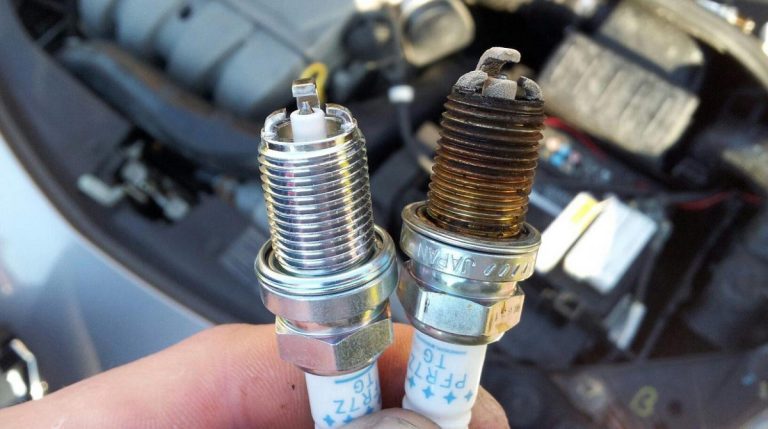
The first step in diagnosing spark plug-related misfires is a thorough visual inspection. Removing the spark plugs allows you to examine them for wear, fouling, or damage. Common signs include carbon buildup, oil deposits, cracked or worn electrodes, and corrosion on the metal parts.
Carbon-fouled plugs indicate incomplete combustion, often caused by improper fuel mixture or weak sparks. Oil deposits may suggest engine oil leakage into the combustion chamber, which can also interfere with ignition. Cracked or damaged plugs can fail entirely, leading to consistent misfires.
By carefully inspecting each spark plug, you can determine whether the issue is isolated to one cylinder or affecting multiple cylinders. This visual assessment provides a strong indication of whether the plugs themselves are the source of the misfire and guides the next steps in maintenance or replacement.
Using an OBD-II Scanner
Modern vehicles are equipped with onboard diagnostics (OBD-II) systems that can detect misfires and pinpoint their location. Using an OBD-II scanner helps identify cylinder-specific misfire codes, such as P0301 for cylinder one, P0302 for cylinder two, and so on.
These diagnostic codes allow you to focus your inspection on the affected cylinders, saving time and reducing unnecessary replacements. A misfire code combined with visual signs of plug wear provides strong evidence that spark plugs are the root cause of engine performance issues.
Additionally, some advanced scanners can monitor ignition timing, voltage, and spark strength, giving further insight into how each plug is functioning. By combining OBD-II data with physical inspection, you can accurately diagnose misfires and ensure the proper plugs are replaced or serviced.
Performing a Spark Test
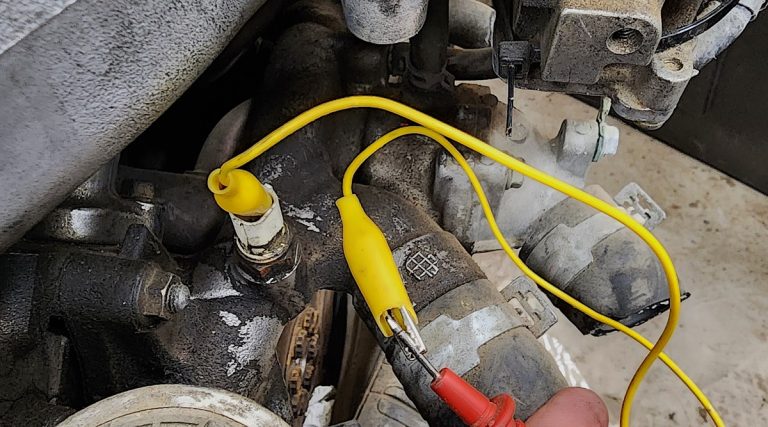
Another effective method to diagnose spark plug-related misfires is performing a spark test. This involves disconnecting each plug, reconnecting it to the ignition coil, and checking for a visible spark when cranking the engine.
A strong, blue spark indicates the plug and ignition system are functioning correctly. A weak, inconsistent, or absent spark points to a faulty plug or ignition coil. This test is particularly useful for pinpointing misfires in individual cylinders and confirming whether plugs are failing to ignite the air-fuel mixture efficiently.
Care must be taken during this process to avoid electrical shocks or accidental grounding. Performing a spark test complements visual inspections and OBD-II diagnostics, providing a clear understanding of the spark plug’s condition and contribution to misfire issues.
Checking for Engine Performance Symptoms
While mechanical and electronic diagnostics are critical, observing engine performance symptoms also helps identify spark plug-related misfires. Look for rough idling, hesitation during acceleration, unusual vibrations, decreased fuel efficiency, and engine knocking or backfiring.
These symptoms often correlate with specific cylinders, especially when combined with OBD-II misfire codes. Consistent misfires in one cylinder typically indicate a spark plug problem, whereas multiple cylinder misfires may suggest additional issues, such as fuel injectors, ignition coils, or wiring problems.
Monitoring performance under various driving conditions—idle, low-speed maneuvers, and highway driving—can help confirm the diagnosis. Recording these observations allows for a more targeted approach to spark plug replacement, ensuring the engine regains optimal performance.
Professional Inspection and Testing
In complex cases, professional inspection may be necessary to diagnose spark plug-related misfires accurately. Technicians can perform advanced tests, including compression tests, cylinder balance tests, and oscilloscope analysis of ignition patterns, to determine whether spark plugs or other ignition components are responsible.
Professional testing ensures accurate diagnosis and prevents unnecessary replacements of healthy plugs. Technicians can also advise on the appropriate type and gap for replacement plugs, ensuring the engine operates efficiently and reliably after maintenance.
Using a combination of visual inspection, OBD-II diagnostics, spark testing, and professional evaluation allows you to confidently diagnose spark plug-related misfires. Addressing these issues promptly restores engine performance, improves fuel efficiency, and prevents long-term damage to the ignition system and related components.
Solutions and Replacement Tips
Addressing spark plug-related misfires promptly is essential for maintaining engine performance, fuel efficiency, and smooth operation. Identifying faulty plugs and replacing them with the correct type can prevent further damage to the ignition system and other engine components. Understanding practical solutions and replacement tips ensures proper maintenance and prolongs the life of your vehicle.
Choosing the Right Spark Plugs
Selecting the correct spark plugs for your vehicle is critical to resolving misfires effectively. Spark plugs vary in material, size, heat range, and design depending on the engine type and manufacturer specifications. Using the wrong plugs can lead to poor combustion, recurring misfires, or even engine damage.
Consult your vehicle’s owner manual or a professional mechanic to determine the recommended spark plug type. Common options include copper, platinum, and iridium plugs, each offering different performance characteristics. Platinum and iridium plugs generally last longer and provide more consistent ignition, while copper plugs may be more cost-effective for older engines.
Ensuring proper compatibility guarantees efficient combustion and reduces the risk of misfires returning. Always purchase quality plugs from reputable manufacturers to avoid defects and premature failure. Correct plug selection is the foundation of a long-lasting solution.
Proper Gap Adjustment
Spark plug gaps must be correctly adjusted to ensure optimal ignition. The gap—the distance between the center and ground electrode—affects spark strength and combustion efficiency. A gap that is too wide may cause weak sparks or misfires, while a gap that is too narrow can reduce fuel ignition efficiency.
Most modern spark plugs come pre-gapped, but verifying the gap using a feeler gauge is a good practice before installation. Adjusting the gap according to manufacturer specifications ensures consistent ignition, smooth engine operation, and improved fuel efficiency.
Regularly checking and maintaining the correct gap helps prevent recurring misfires. Proper gap adjustment not only optimizes combustion but also reduces stress on ignition coils and other components, extending the overall life of the ignition system.
Cleaning and Maintaining Plugs
For vehicles with reusable spark plugs, cleaning and maintaining the plugs can help extend their lifespan and prevent misfires. Deposits such as carbon, oil, or fuel residue can accumulate over time, reducing spark effectiveness and causing rough idling or poor acceleration.
Use a soft wire brush or specialized spark plug cleaner to remove debris without damaging the electrodes. Avoid harsh scraping, which can damage the plug or alter its performance characteristics. Additionally, inspect the plug threads and insulator for cracks or wear during cleaning.
Routine cleaning, combined with regular engine maintenance, helps maintain efficient combustion and reduces the frequency of plug replacement. Well-maintained spark plugs contribute to smooth engine operation and consistent fuel efficiency.
Proper Installation Techniques
Correct installation of spark plugs is essential to prevent misfires and avoid engine damage. Start by ensuring the engine is cool and clean the spark plug threads and cylinder head to prevent cross-threading or contamination.
Hand-tighten the plug first, then use a torque wrench to secure it to the manufacturer’s specified torque. Over-tightening can damage threads or crack the plug, while under-tightening may lead to poor sealing and misfires. Also, check the ignition coil or wire connections to ensure proper contact with the new plug.
Following proper installation techniques ensures reliable ignition, smooth engine performance, and reduces the risk of future misfires caused by improper seating or connection issues.
Regular Maintenance and Monitoring
Preventing spark plug-related misfires requires ongoing maintenance and monitoring. Keep track of mileage and replace plugs at manufacturer-recommended intervals, typically every 30,000 to 100,000 miles depending on the type. Inspect plugs periodically for wear, fouling, or damage, even before replacement intervals.
Monitoring engine performance for signs such as rough idling, poor acceleration, increased fuel consumption, or unusual noises helps detect issues early. Addressing minor problems promptly prevents misfires from escalating into serious engine damage.
Combining the right plug selection, proper gap adjustment, cleaning, careful installation, and regular monitoring ensures long-term engine efficiency, reliability, and smooth performance while minimizing the risk of misfires.
FAQs
Can Spark Plugs Cause Misfire?
Yes, spark plugs can directly cause engine misfires if they are worn, fouled, or damaged. A spark plug that fails to ignite the air-fuel mixture properly can lead to uneven combustion, causing rough idling, shaking, or hesitation during acceleration.
Even a single faulty spark plug can affect engine performance, trigger a check engine light, and reduce fuel efficiency. Regular inspection and timely replacement of spark plugs are essential to prevent misfires and maintain smooth engine operation.
What Are the Common Signs of Misfire Due to Spark Plugs?
Misfires caused by spark plugs often show up as rough idling, engine shaking, or difficulty starting the vehicle. You might also notice poor acceleration, reduced fuel efficiency, or increased emissions.
Additionally, the check engine light may illuminate, often accompanied by diagnostic codes indicating cylinder misfires. If you notice these symptoms, inspecting your spark plugs can help identify the problem before it worsens.
How Do Worn Spark Plugs Lead to Misfires?
Worn spark plugs lose their ability to generate a strong, consistent spark. The electrodes can erode over time, increasing the gap and making it harder to ignite the air-fuel mixture efficiently.
This irregular combustion causes misfires, engine hesitation, and poor fuel economy. Replacing worn spark plugs at recommended intervals ensures reliable ignition and prevents misfire-related engine damage.
Can Dirty or Fouled Spark Plugs Cause Misfire?
Yes, fouled spark plugs coated with oil, carbon, or fuel deposits often fail to produce a proper spark. This leads to incomplete combustion and misfires in one or more cylinders.
Regular engine maintenance, using the correct fuel, and timely spark plug cleaning or replacement can prevent fouling. Ignoring fouled spark plugs can reduce performance and damage other ignition system components.
How Does Incorrect Spark Plug Gap Cause Misfire?
If the spark plug gap is too wide or too narrow, the spark may be weak or inconsistent. A gap that doesn’t match the manufacturer’s specification disrupts proper ignition.
This inconsistency can cause one or multiple cylinders to misfire, leading to rough idling, reduced power, and poor fuel efficiency. Checking and adjusting the spark plug gap during installation prevents this problem.
Can Using the Wrong Type of Spark Plug Cause Misfire?
Yes, using spark plugs not designed for your engine can cause misfires. Incorrect heat range, size, or electrode type may lead to insufficient combustion or overheating.
Always choose spark plugs recommended by the manufacturer. Using the wrong type can cause repeated misfires, increased emissions, and long-term engine damage. Proper spark plug selection ensures reliable engine performance.
How Can You Diagnose If Misfire Is Caused by Spark Plugs?
You can diagnose spark plug-related misfires through visual inspection, checking for fouling, worn electrodes, or improper gaps. Using an OBD-II scanner can identify cylinder-specific misfire codes.
If replacing the spark plugs resolves the misfire, you know they were the cause. In some cases, additional testing of ignition coils or fuel injectors may be necessary to rule out other causes, ensuring accurate diagnosis and repair.
Conclusion
Engine misfires can disrupt performance, reduce fuel efficiency, and lead to long-term damage if not addressed promptly. One of the most common causes of these misfires is worn, fouled, or improperly gapped spark plugs. Understanding how these small components affect combustion allows you to identify symptoms like rough idling, poor acceleration, or unusual engine noises before the problem escalates.
Knowing can spark plugs cause misfire helps you take appropriate action, whether that involves inspecting the plugs, checking the ignition system, or replacing worn components. Regular maintenance, including proper spark plug selection and installation, ensures that each cylinder fires consistently and efficiently. This not only restores smooth engine operation but also protects other critical components like the ignition coils, catalytic converter, and fuel injectors.
Timely attention to spark plug health ensures reliable vehicle performance, improved fuel economy, and a longer engine lifespan. Recognizing the signs early and addressing them with proper replacement and maintenance keeps your vehicle running safely and efficiently under all driving conditions.