Brakes Squeak When Backing Up – Causes, Fixes, and Prevention Tips
Hearing unusual noises when driving can be unsettling, especially when it comes from your brakes. A squeaking sound while reversing is often the first sign of a potential braking issue. Even though the car may stop normally, these noises indicate that certain components may need attention. Understanding why the sound occurs helps prevent damage and ensures safe driving.
Brakes can squeak for various reasons, ranging from minor surface issues to worn-out pads or rotors. Dirt, dust, or rust on brake components can cause a high-pitched squeal during the light pressure applied while backing up. In some cases, the squeak may be a warning that brake pads are thinning or that hardware needs lubrication.
Environmental factors, such as moisture or temperature changes, can also temporarily cause brakes to make noise when reversing. Recognizing the difference between harmless noises and signs of wear helps drivers take appropriate action. Addressing the issue promptly prevents further brake deterioration and maintains safe braking performance.
How To Identify Brakes Squeaking Only When Backing Up
Brakes that squeak exclusively when backing up can be confusing, as the noise may not occur during normal forward driving. Recognizing the specific patterns and conditions of these sounds is crucial for diagnosing whether the issue is minor or indicative of worn brake components. Careful observation helps ensure timely maintenance and safe braking performance.
Listening for Specific Squeak Patterns
The first step in identifying brakes that squeak only when backing up is to pay close attention to the sound’s characteristics. Typically, a high-pitched, metallic squeal is a common indicator of either surface rust or contact between the brake pad and rotor. Unlike grinding or thumping, this sound is often brief and occurs only during light brake application, such as when reversing slowly.
Environmental conditions can also affect the noise. Moisture, condensation, or cold weather can cause temporary rust or glazing on the rotors, which produces a squeak as the brake pad lightly brushes the surface. By noticing when the squeak happens, drivers can determine whether it is a surface issue or a sign of wear. Keeping a log of when and how frequently the noise occurs can assist technicians in accurately diagnosing the problem.
Inspecting Brake Pads and Rotors
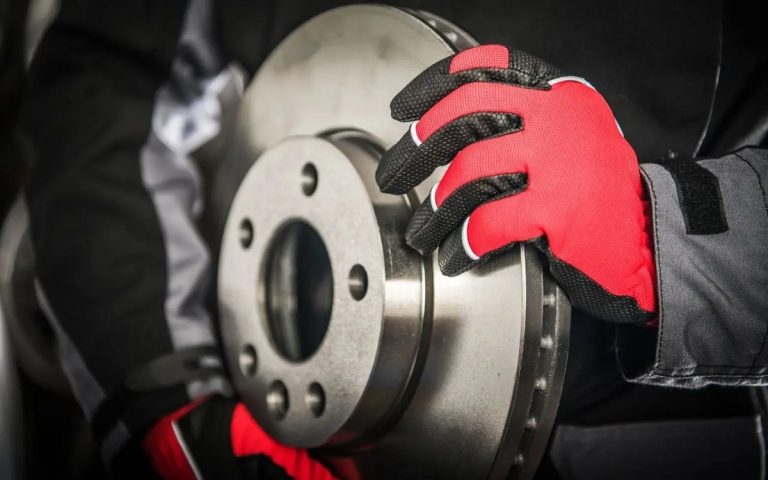
Brake pad and rotor condition is a key factor in squeaking noises. Worn brake pads with metal backing exposed can create a high-pitched squeal, even during low-pressure braking while reversing. Similarly, glazed pads or uneven rotor surfaces produce vibrations that translate into squeaks.
Visual inspection helps identify wear levels, cracks, or glazing on pads. Rotors should also be examined for rust buildup, grooves, or warping. Light surface rust is common on vehicles that sit idle, particularly in humid conditions, and can cause squeaks only when reversing due to the lower pressure applied compared to forward braking.
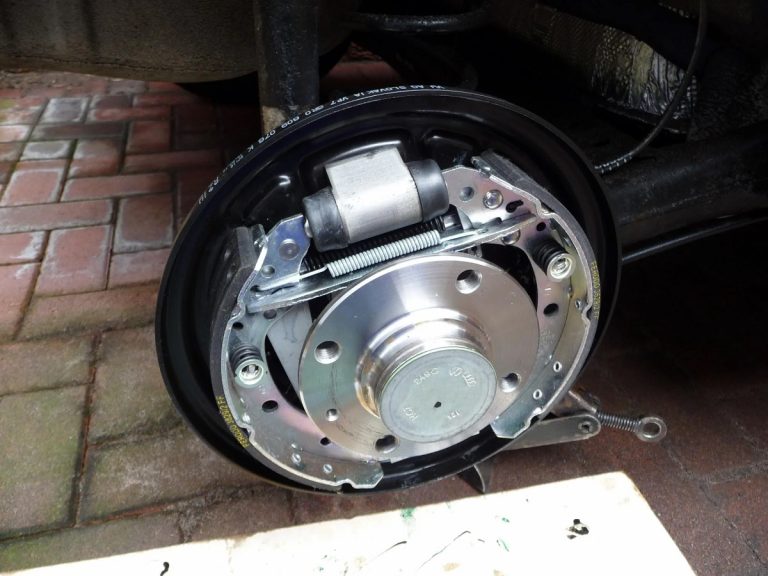
Checking brake hardware is also important. Clips, shims, or anti-rattle components may become loose or worn, allowing pads to vibrate slightly against the caliper, producing a squeak. Proper lubrication and adjustment of these parts can often eliminate the noise without replacing major components.
Testing Brake Operation
Performing controlled brake tests can help identify the source of squeaks. Slowly backing up on a flat, open area while lightly applying the brakes allows you to isolate the noise and determine whether it occurs consistently. Pay attention to pedal pressure, vehicle speed, and the angle of brake application.
Repeat the test while driving forward to see if the squeak is exclusive to reversing. If the noise is present only when backing up, this often points to light pad-to-rotor contact, minor rust, or pad vibration rather than a critical brake failure. Observing whether the sound disappears after repeated use can also indicate temporary surface issues, such as rust clearing off the rotor.
Combining careful listening with controlled tests provides a clear understanding of the noise pattern. Documenting these observations is helpful when consulting a professional mechanic, ensuring an accurate and efficient diagnosis.
Identifying Environmental Factors
Environmental conditions often influence squeaks that occur only during reversing. Moisture, dew, or rain can create temporary surface rust on rotors, which produces a squeak as pads lightly brush the surface. Temperature changes may also cause pads to expand or contract slightly, generating noises at low braking pressures.
Vehicles that sit unused for several hours or overnight are more likely to experience these temporary squeaks. Cleaning the brake surface with a few stops or gentle driving usually eliminates the noise as rust or debris wears away. Identifying environmental causes helps differentiate between minor, temporary issues and components that require maintenance or replacement.
Using Professional Inspection Tools
For persistent squeaks, using professional inspection tools can pinpoint the issue more accurately. Mechanics may use brake vibration analyzers, stethoscopes, or inspection cameras to identify the exact source of noise during low-speed reversing.
These tools can detect pad wear, rotor glazing, or hardware issues that are not easily visible through a casual visual inspection. Combining professional tools with controlled tests and environmental observations ensures the brakes are functioning correctly and allows for targeted maintenance, reducing the risk of future squeaking or performance issues.
How To Inspect Your Brakes for Squeaking
Squeaking brakes can be an early warning sign of wear or other issues, especially when the sound occurs only during reversing. Regular inspection helps identify the root cause before it affects braking performance or safety. By following a systematic approach, you can determine whether the noise is due to minor surface issues or worn components that need repair or replacement.
Visual Inspection of Brake Pads and Rotors
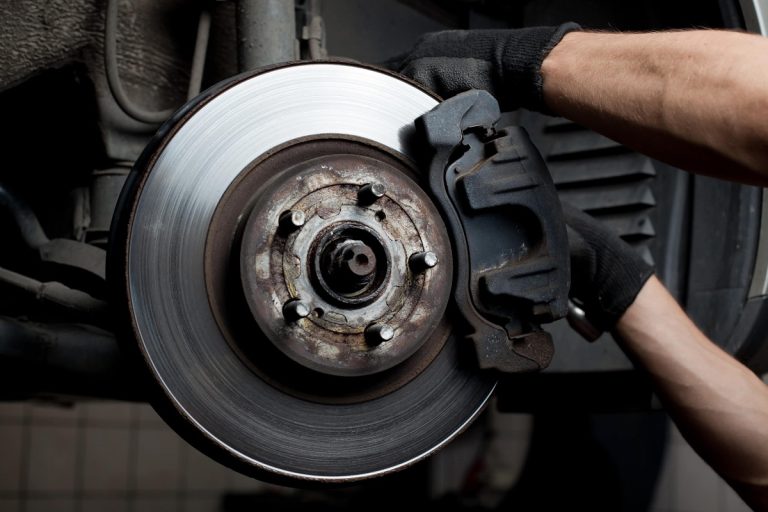
Start by visually inspecting the brake pads and rotors for signs of wear or damage. Remove the wheel and examine the pad thickness; most pads have a wear indicator that produces a squeak when the material is low. If the pads appear thin, uneven, or glazed, they may be causing the squeaking noise.
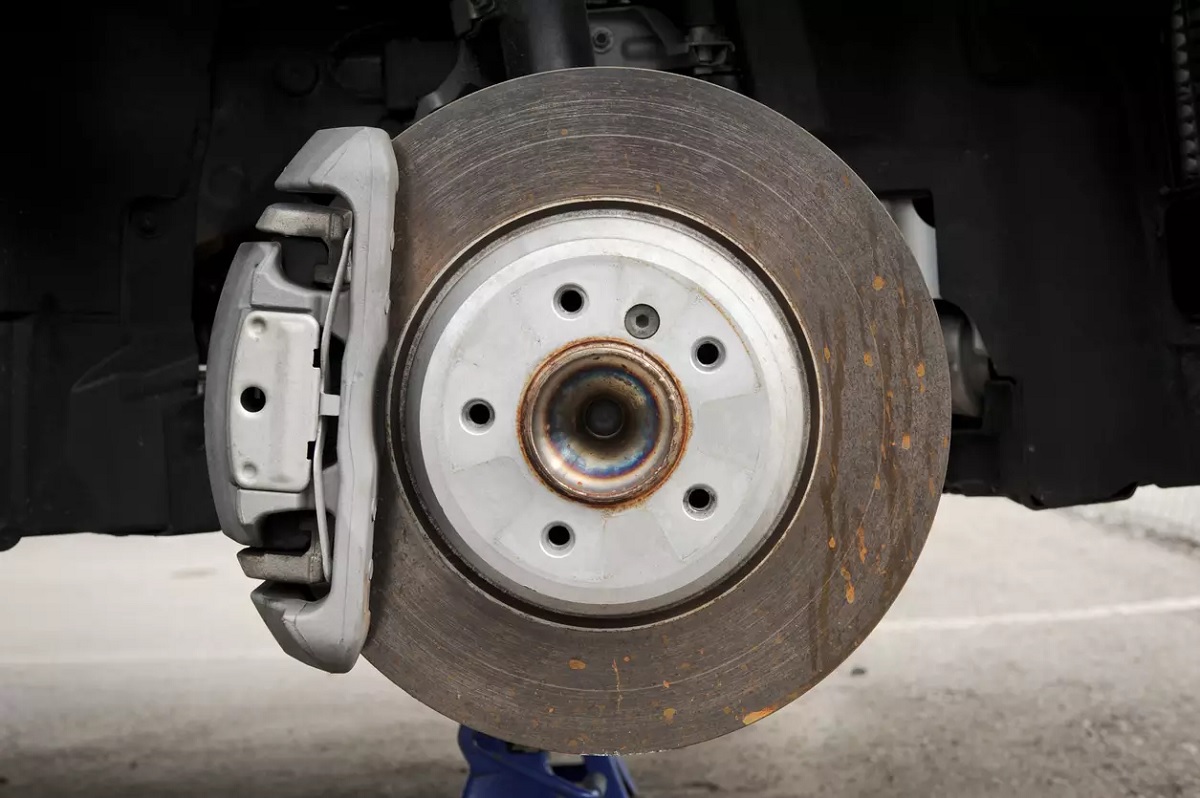
Check the rotors for rust, grooves, or uneven surfaces. Surface rust is common after periods of inactivity and often causes squeaking during light braking, such as when reversing. Minor rust can usually be cleaned off with light brake application, but deep grooves or warping indicate that resurfacing or replacement is necessary.
Also inspect for dirt, dust, or debris between the pad and rotor. Accumulated particles can create vibration and squeaks. Cleaning the components with a brake cleaner or compressed air can often resolve minor noise issues.
Examine Brake Hardware and Anti-Rattle Components
Brake hardware plays a critical role in keeping pads stable and preventing vibrations that cause squeaking. Inspect shims, clips, and anti-rattle springs for wear, corrosion, or looseness. Worn or improperly seated hardware can allow the pads to vibrate, producing a high-pitched squeal when lightly applying brakes in reverse.
Lubricate moving hardware components with high-temperature brake grease to reduce vibrations. Ensure clips and shims are properly aligned and fully seated to stabilize the pads against the caliper. Proper maintenance of these small components often resolves squeaks without replacing major parts, particularly when the noise only occurs under light braking pressure.
Careful attention to hardware prevents pad movement that may worsen over time, reducing the risk of uneven wear and more persistent squeaking noises.
Checking for Environmental or Temporary Causes
Environmental factors like moisture, dew, or temperature changes can temporarily cause brakes to squeak when backing up. Inspect the brake surface for light rust or water accumulation, particularly if the vehicle has been parked overnight or driven in wet conditions.
Light surface rust or debris usually causes noise only during low-speed braking and often disappears after a few stops as the brake pads clean the rotor surface. Keep a record of when the squeak occurs and under what conditions to help distinguish temporary environmental causes from more serious mechanical issues.
Additionally, examine the vehicle’s usage patterns. Frequent short trips without sufficient braking cycles may contribute to rust or glazing, which can cause squeaks. Recognizing temporary causes can prevent unnecessary repairs and help maintain brake longevity.
Testing Brakes Under Controlled Conditions
After visual and hardware inspections, perform controlled brake tests to identify the source of the squeak. In a safe, open area, slowly back up while lightly applying the brakes and note whether the noise occurs consistently. Repeat the test moving forward to compare noise patterns.
Observe pedal feel, vehicle response, and any vibration or shuddering during braking. Consistent squeaks when reversing but not during forward braking suggest surface issues, minor pad vibration, or low-speed hardware noise rather than critical brake failure.
Documenting these observations is useful when consulting a mechanic, providing insight into the specific conditions under which the brakes squeak. Controlled testing helps pinpoint the source, ensuring accurate and efficient maintenance.
Using Professional Tools for Detailed Inspection
For persistent squeaks, professional tools such as brake vibration analyzers or inspection cameras can identify hidden issues. Mechanics may use these tools to detect pad wear, rotor warping, or subtle hardware problems that are not visible during casual inspections.
Using diagnostic equipment along with visual checks ensures a comprehensive assessment of brake condition. Accurate identification of the root cause allows for targeted repairs, preventing unnecessary replacement of parts and ensuring smooth, quiet braking performance.
Preventive Measures to Avoid Brake Squeak
Preventing brake squeak requires consistent maintenance and attention to the condition of brake components. While some squeaks are harmless, most indicate minor wear or environmental factors that can become more serious over time. Implementing preventive measures ensures smooth, quiet braking, prolongs the life of pads and rotors, and maintains safe vehicle operation.
Regular Brake Inspections
One of the most effective ways to prevent brake squeak is through regular inspections. Periodically checking brake pads, rotors, and hardware allows you to detect early signs of wear, glazing, or corrosion. Pads that are too thin or have uneven surfaces are more likely to produce squeaking, especially during low-speed braking.
Inspect rotors for surface rust, grooves, or warping, as these conditions can cause high-frequency noise when pads lightly contact the rotor. Also, examine hardware like clips, shims, and anti-rattle components for proper seating and lubrication. Detecting and addressing these issues early prevents minor squeaks from developing into costly repairs and maintains consistent braking performance.
Documenting wear patterns and noise occurrences during inspections helps track changes over time, making it easier to predict when maintenance is needed. Consistent attention to brake condition minimizes unexpected squeaks and extends component life.
Use High-Quality Brake Components
Using high-quality brake pads, rotors, and hardware reduces the likelihood of squeaks. Cheaper components may wear unevenly, glaze quickly, or produce excessive vibration, leading to squeaking noises. Selecting pads and rotors that meet manufacturer specifications ensures proper fit, durability, and consistent performance.
Ceramic or semi-metallic pads are less prone to squeaking compared to low-cost organic options, as they produce less vibration and are resistant to glazing. Properly matched hardware, including shims and clips, stabilizes pads and dampens noise. Using premium components ensures smooth braking while reducing vibrations that cause squeaks during light braking or reversing.
Investing in quality parts not only improves braking performance but also prevents recurring noises and unnecessary maintenance. This is particularly important for vehicles that experience frequent stop-and-go driving or harsh environmental conditions.
Keep Brake Components Clean and Lubricated
Maintaining clean and lubricated brake components is essential for preventing squeak. Dirt, brake dust, or minor debris trapped between pads and rotors can cause high-pitched noises, especially during light braking. Regular cleaning using a brake cleaner or compressed air removes buildup and ensures smooth pad-to-rotor contact.
Lubricating moving parts such as caliper slides, clips, and shims with high-temperature brake grease reduces pad vibration, one of the primary causes of squeaking. Proper lubrication also prevents corrosion and ensures hardware functions correctly under different temperatures and weather conditions.
Routine cleaning and lubrication minimize friction and noise while maintaining braking efficiency. This preventive approach helps avoid common squeak triggers caused by dust accumulation or hardware instability.
Mindful Driving Habits
Driving habits play a significant role in preventing brake squeak. Avoiding sudden, aggressive braking reduces heat buildup and prevents pad glazing, which often leads to high-pitched noises. Smooth braking distributes pressure evenly across the pad and rotor, minimizing vibrations.
Allowing the brakes to cool gradually after heavy use, such as driving downhill or towing, prevents overheating and preserves pad and rotor integrity. Frequent short trips that do not allow brakes to fully heat and dry can also contribute to temporary squeaks, so occasional longer drives help clear moisture and surface rust.
Mindful driving not only reduces squeak but also extends the lifespan of brake components, ensuring consistent stopping power and quiet operation. Combining careful driving with regular maintenance creates an effective strategy to avoid brake squeak issues.
Regular Environmental and Vehicle Care
Environmental factors like moisture, dirt, and salt can increase the likelihood of brake squeak. Washing your vehicle regularly, especially the wheels and undercarriage, prevents debris and corrosion from affecting brake components. Parking in a dry, covered area reduces surface rust buildup, which often causes squeaks when reversing.
Monitoring weather and road conditions allows you to anticipate temporary noises and distinguish them from mechanical issues. Addressing environmental causes proactively, such as using protective coatings on rotors or cleaning off road salt, prevents minor squeaks from becoming persistent problems.
FAQs
Why Do My Brakes Squeak When Backing Up?
Brakes that squeak when backing up often indicate a minor issue with your brake system. Dust, dirt, or debris trapped between the brake pads and rotors can cause temporary squeaking noises.
It may also happen if your brake pads are worn, glazed, or if there’s rust on the rotor surface after your car sits for a while. This squeak is usually harmless but should not be ignored, as it can signal early wear that, if left unchecked, may lead to more serious braking problems.
Can Moisture Cause Brakes To Squeak When Reversing?
Yes, moisture from rain, washing, or overnight dew can cause your brakes to squeak when backing up. Water can create a thin layer of rust or cause pads to temporarily stick to the rotor surface.
This is especially common after your vehicle has been parked for a long time. Typically, the noise disappears after the brakes heat up during normal driving, but repeated squeaking may indicate the need for cleaning or lubrication to prevent long-term issues.
Do Worn Brake Pads Make Noise Only When Backing Up?
Worn or glazed brake pads can squeak specifically when reversing. At low speeds, especially when going backward, the brake pads may vibrate slightly against the rotor, producing a squeaking sound.
Even if the noise isn’t present when moving forward, it’s a sign that your pads may be nearing the end of their lifespan. Inspecting and replacing worn pads promptly ensures reliable braking performance and prevents damage to your rotors.
Can Rust On Rotors Cause Brakes To Squeak In Reverse?
Yes, surface rust on brake rotors can create a squeaking sound when you back up. Rust often forms after your car sits idle, especially in humid or wet conditions.
The squeak usually disappears after the pads scrape the rust off during forward driving. However, if the rust is excessive or the rotors are uneven, professional inspection and resurfacing or replacement may be necessary to maintain safe braking.
Could Loose Brake Hardware Be Responsible For Squeaking?
Absolutely. Loose or worn hardware such as caliper clips, shims, or anti-rattle springs can make your brakes squeak when backing up. These components help keep the pads aligned and reduce vibration.
When they loosen, the pads can shift slightly during low-speed reversing, producing a squeaking sound. Ensuring all hardware is properly tightened or replaced can eliminate this noise and maintain proper brake function.
Is Squeaking When Backing Up Dangerous?
In most cases, squeaking when backing up is not immediately dangerous and is often caused by dust, rust, or minor wear. However, persistent or worsening squeaks can indicate underlying brake problems that affect stopping performance.
Ignoring ongoing squeaks may lead to more significant damage to pads or rotors, reducing braking efficiency. It’s best to monitor your brakes closely, and if the noise continues, schedule an inspection to ensure safety for you and others on the road.
How Can I Stop Brakes From Squeaking When Reversing?
You can reduce or eliminate squeaking by cleaning the brake pads and rotors to remove dust, dirt, or rust buildup. Applying anti-squeal brake lubricant on the pad contact points can also help.
Replacing worn or glazed brake pads and ensuring all hardware is properly secured often stops the noise. Regular maintenance and timely inspection of your braking system prevent squeaking from recurring and help maintain optimal performance, giving you smooth, quiet braking in both forward and reverse.
Final Words
Hearing a squeak from your brakes while reversing can be alarming, but it often signals early signs of wear, minor surface rust, or hardware issues. While some noises may be harmless, persistent squeaking deserves attention to prevent further damage to brake pads, rotors, or related components. Understanding the causes helps you take timely action and maintain safe braking performance.
Brakes squeak when backing up for various reasons, including worn or glazed pads, surface rust on rotors, loose hardware, or accumulated debris. Regular inspections, cleaning, and proper lubrication can often eliminate these noises before they escalate. Using high-quality brake components and monitoring brake performance during different driving conditions also reduces the likelihood of squeaks.
Adopting preventive maintenance practices and mindful driving habits ensures smooth, quiet braking and extends the lifespan of your brake system. Addressing squeaks promptly not only improves comfort but also maintains overall vehicle safety and reliability.