What Is The Gap On Spark Plugs And Why It Matters For Your Engine
A properly functioning spark plug is crucial for your engine’s performance, fuel efficiency, and smooth operation. One of the most overlooked aspects of spark plugs is the tiny space between their electrodes. This small distance plays a surprisingly big role in how well your engine starts and runs. Understanding this aspect can help prevent misfires, rough idling, and decreased fuel economy.
Every engine has a specific requirement for this distance, and not all spark plugs are created equal. Using the wrong gap can lead to incomplete combustion or even damage to ignition components. Knowing the correct spacing ensures that the spark plug fires efficiently, igniting the air-fuel mixture at the right moment for optimal performance.
Learning what is the gap on spark plugs gives you insight into engine maintenance and troubleshooting. It’s a simple adjustment that can make a noticeable difference in power and fuel consumption. Checking and adjusting this gap is a quick preventive step that protects your engine over time.
Whether you are a casual driver or a car enthusiast, understanding spark plug gaps helps you maintain a reliable and efficient vehicle. Proper attention to this detail can extend the life of your spark plugs and keep your engine running smoothly on every drive.
Importance of Spark Plug Gap
The gap on a spark plug plays a critical role in engine performance, fuel efficiency, and overall vehicle reliability. Even a small deviation from the recommended spacing can cause misfires, poor acceleration, and higher fuel consumption. Understanding the significance of this gap helps you maintain engine health and ensures the spark plug ignites the air-fuel mixture consistently for smooth operation.
Ensures Proper Combustion in the Engine
The spark plug gap directly affects the ability of the spark to ignite the air-fuel mixture in the combustion chamber. A correctly set gap ensures that the spark is strong enough to produce a consistent and complete combustion cycle. This leads to smooth engine operation, optimal power output, and reduced emissions.
A gap that is too narrow may produce a weak spark, leading to incomplete combustion and rough idling. Conversely, a gap that is too wide may prevent the spark from jumping effectively, causing misfires and starting problems. Proper gap adjustment ensures that the ignition system operates efficiently, maximizing fuel efficiency and reducing stress on the engine. Regularly checking the spark plug gap helps maintain engine performance and prolongs the life of both the spark plug and ignition components.
Enhances Fuel Efficiency and Performance
A properly gapped spark plug contributes directly to fuel efficiency and engine responsiveness. When the spark ignites the fuel mixture efficiently, less fuel is wasted, resulting in better mileage. Engines with improper spark plug gaps often experience hesitation, uneven acceleration, or rough idling, all of which reduce overall performance.
Maintaining the recommended gap ensures that the spark plugs fire consistently under various driving conditions, from city traffic to highway speeds. Efficient combustion reduces unburned fuel in the exhaust system, which also lowers emissions and contributes to environmental compliance. Vehicle owners who pay attention to spark plug gaps often notice smoother acceleration and improved engine responsiveness, making it a small adjustment with a significant impact on everyday driving.
Prevents Engine Misfires and Damage
Incorrect spark plug gaps are one of the leading causes of engine misfires. Misfires occur when the spark is too weak or inconsistent to ignite the fuel mixture properly. This can lead to poor engine performance, rough idling, and potential long-term damage to pistons or catalytic converters.
A properly adjusted gap ensures reliable ignition and prevents repeated misfires, protecting both the engine and surrounding components. Regular maintenance checks and gap adjustments reduce the risk of costly repairs and improve engine longevity. By prioritizing spark plug gap maintenance, you ensure the vehicle runs efficiently while minimizing the likelihood of unexpected engine problems.
Supports Reliable Ignition in All Conditions
Weather and driving conditions can affect how spark plugs perform, making a correct gap even more essential. Properly gapped spark plugs provide reliable ignition regardless of temperature, humidity, or fuel quality. This consistency ensures that the engine starts smoothly in cold weather and runs efficiently under high load or long drives.
For drivers in varying climates or challenging road conditions, maintaining the spark plug gap offers peace of mind. It guarantees that the engine can deliver dependable performance while protecting internal components from strain caused by misfires or incomplete combustion. Proper attention to spark plug gaps supports long-term reliability and keeps the vehicle performing at its best.
How to Measure the Spark Plug Gap
Measuring the spark plug gap is an essential step in maintaining engine performance and fuel efficiency. The small distance between the center and ground electrodes determines how effectively the spark ignites the air-fuel mixture. Ensuring this gap is accurate can prevent misfires, improve acceleration, and extend the life of your spark plugs. Knowing the correct method for measurement helps maintain a healthy engine.
Gather the Right Tools for Measurement
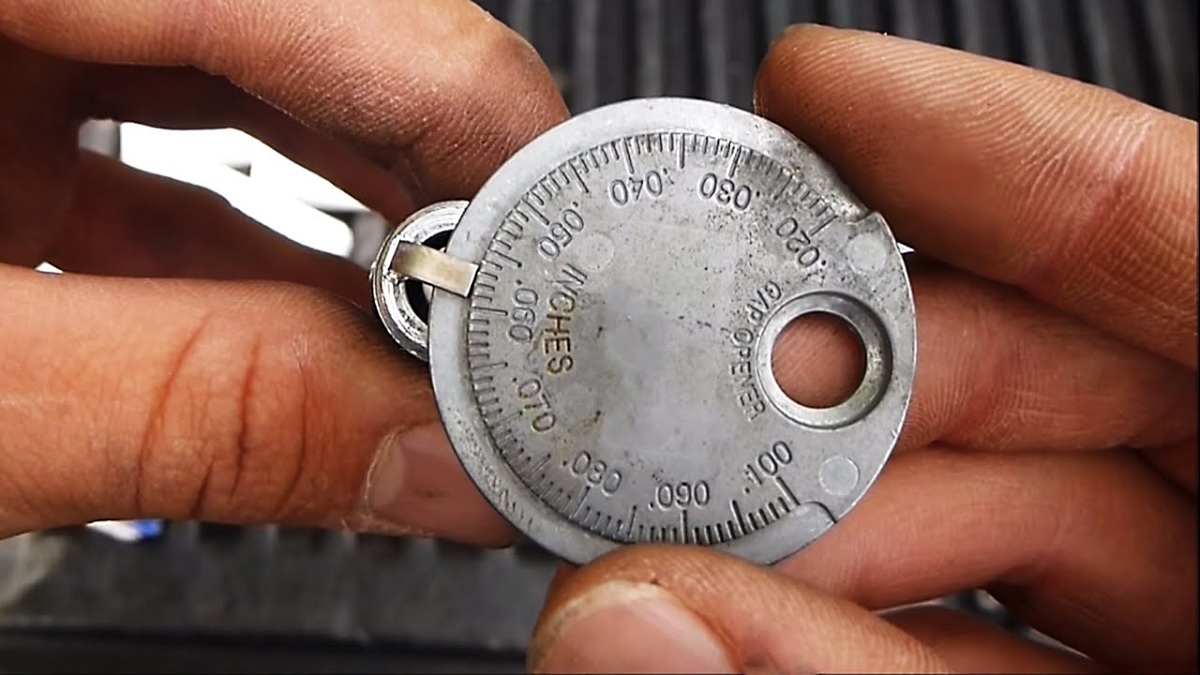
Before measuring the spark plug gap, gather the necessary tools. A feeler gauge is the most reliable instrument for checking the gap, offering precise measurements. Some spark plug gap tools also include adjustable wires or coin-style gauges, which are convenient for quick checks but may be slightly less accurate than a feeler gauge.
Additionally, make sure you have a clean, flat workspace and a well-lit area to inspect the spark plugs properly. Clean the spark plug with a soft cloth if it has debris, grease, or corrosion that could interfere with accurate measurement. Using the right tools ensures that your measurements are precise and that the gap adjustment process can be completed effectively without damaging the spark plug.
Understand the Recommended Gap for Your Vehicle
Every vehicle manufacturer specifies the ideal spark plug gap, often listed in the owner’s manual or service guide. This specification is crucial because even small deviations can impact engine performance, fuel efficiency, and emissions. Using a gap that is too wide or too narrow can result in incomplete combustion, misfires, or rough idling.
Before measuring, check the recommended gap for your specific make and model. Compare this specification with the current gap on your spark plug. Being aware of the correct measurement helps you determine whether adjustment is necessary. This ensures that the spark plug will ignite the air-fuel mixture efficiently, contributing to smooth engine operation and optimal performance.
Measure the Gap Using a Feeler Gauge
To measure the spark plug gap, insert the appropriate thickness of the feeler gauge between the center electrode and the ground electrode. Slide the gauge gently without forcing it, feeling for slight resistance. The goal is for the gauge to fit snugly without excessive pressure. A proper fit indicates that the gap is correct, while too tight or too loose a fit signals the need for adjustment.
Take your time during this step and check the gap in several places around the electrode to ensure consistency. Double-check measurements for accuracy, especially on older spark plugs that may have slight wear. Accurate measurement is essential to prevent misfires, engine inefficiency, and potential damage to ignition components over time.
Adjust the Gap If Necessary
If the measured gap differs from the recommended specification, adjust it carefully using a spark plug gap tool. Gently bend the ground electrode to increase or decrease the gap. Avoid excessive force, which can damage the electrode or insulator. Re-measure the gap after adjustment to ensure it matches the manufacturer’s recommendation precisely.
Proper adjustment restores optimal spark performance, reduces the risk of misfires, and ensures the engine runs efficiently. Taking the time to make accurate adjustments also protects the longevity of both the spark plug and the ignition system. Correctly gapped spark plugs improve starting reliability, fuel efficiency, and overall engine responsiveness.
Check All Spark Plugs and Maintain Consistency
When measuring and adjusting the gap, check every spark plug in the engine, not just one. Consistent gaps across all cylinders ensure uniform combustion, smooth engine operation, and balanced power output. Differences in gaps between spark plugs can cause rough idling, uneven acceleration, and increased fuel consumption.
After measuring and adjusting all plugs, reinstall them carefully, ensuring proper torque and alignment. Regularly checking spark plug gaps, especially during routine maintenance, helps maintain engine health, protects ignition components, and ensures your vehicle delivers consistent performance on every drive.
Adjusting the Spark Plug Gap
Adjusting the spark plug gap is a critical maintenance step that directly affects engine performance, fuel efficiency, and overall reliability. Even small deviations from the manufacturer’s recommended gap can lead to misfires, rough idling, or reduced power output. Proper adjustment ensures that the spark plug fires consistently, igniting the air-fuel mixture efficiently for smooth and reliable engine operation.
Understand the Recommended Gap for Your Engine
Before making any adjustments, it’s important to know the correct gap specification for your vehicle. This information is typically available in the owner’s manual, service guide, or under the hood of the vehicle. Using a gap that is too narrow can produce a weak spark, while a gap that is too wide may prevent the spark from forming consistently, causing misfires or difficulty starting.
Check each spark plug individually and compare the measured gap to the manufacturer’s recommended range. This ensures that all plugs are uniform and properly calibrated. Understanding the correct gap also prevents accidental over-adjustment, which could damage the electrodes or insulator, saving both time and money on repairs.
Tools Needed for Adjusting Spark Plug Gap
To adjust the gap safely, gather the appropriate tools, including a spark plug gap tool or feeler gauge. A dedicated spark plug gap tool allows precise bending of the ground electrode without damaging it. Some tools feature wire loops, coin-style gauges, or adjustable mechanisms for fine-tuning.
Wear protective gloves to avoid contact with battery acid or debris, and work on a clean, stable surface to prevent dropping or damaging the spark plug. Having the right tools ensures that adjustments are accurate, reducing the risk of uneven gaps or accidental harm to the spark plug’s structure. Proper tools also make the process faster and more reliable.
Step-by-Step Process to Adjust the Gap
Start by inserting the spark plug into a secure holder or your hand while avoiding excessive pressure on the ceramic insulator. Use the gap tool to gently bend the ground electrode outward to widen the gap or inward to narrow it. Make small adjustments incrementally, checking the measurement with a feeler gauge after each tweak.
The goal is to achieve a snug fit of the gauge between the center and ground electrodes, without forcing it. Re-measure after adjustment to ensure the gap matches the manufacturer’s specification precisely. Consistent spacing across all spark plugs in the engine guarantees balanced combustion, smoother idling, and reliable performance.
Avoid Common Mistakes During Adjustment
One common mistake is applying too much force when bending the electrode, which can crack the insulator or weaken the metal. Another error is adjusting only one spark plug while ignoring the rest, leading to uneven combustion and rough engine operation. Always adjust all spark plugs to the same recommended gap to maintain engine balance.
Take care not to bend the center electrode or damage the threads when handling the spark plug. Avoid using pliers or excessive leverage, as these can permanently deform the electrode or reduce its lifespan. Patience and attention to detail prevent costly mistakes and ensure safe, effective adjustments.
Benefits of Properly Adjusted Spark Plug Gaps
Correctly adjusted spark plug gaps result in stronger, more consistent sparks, leading to complete combustion of the air-fuel mixture. This improves fuel efficiency, increases horsepower, reduces emissions, and prevents engine misfires. The engine starts reliably, runs smoothly, and experiences less stress on ignition components, extending their service life.
Regularly checking and adjusting spark plug gaps is a small investment of time that yields significant benefits. It ensures the ignition system operates at its best and maintains overall engine health. Drivers often notice improved acceleration, smoother idling, and better fuel economy when spark plug gaps are properly maintained.
Final Checks After Adjustment
After adjusting all spark plugs, recheck the gaps to confirm consistency. Reinstall the plugs carefully, ensuring proper torque and alignment. Clean any debris around the spark plug hole to prevent foreign particles from entering the combustion chamber.
Once installed, start the engine and listen for smooth operation. Consistent engine performance and even combustion across all cylinders indicate successful adjustments. Maintaining these practices as part of routine vehicle care ensures long-term reliability and helps prevent costly repairs caused by misfires or inefficient ignition.
Effects of Incorrect Spark Plug Gap
The gap on a spark plug might seem minor, but even a small deviation from the recommended spacing can significantly affect engine performance. An incorrect spark plug gap can lead to misfires, reduced fuel efficiency, and rough idling. Understanding the consequences of improper spacing helps you maintain your vehicle, avoid costly repairs, and ensure smooth operation under all driving conditions.
Engine Misfires and Poor Ignition
One of the most immediate effects of an incorrect spark plug gap is engine misfires. If the gap is too wide, the spark may struggle to jump between the electrodes, resulting in incomplete combustion. Conversely, a gap that is too narrow produces a weak spark that fails to ignite the air-fuel mixture effectively.
Misfires cause the engine to run unevenly, creating rough idling, hesitation during acceleration, and inconsistent power delivery. Repeated misfires can also damage other components like the catalytic converter due to unburned fuel entering the exhaust system. Maintaining the proper gap ensures reliable ignition, smooth engine operation, and reduced stress on critical engine components.
Reduced Fuel Efficiency and Performance
Incorrect spark plug gaps can significantly affect fuel efficiency. Poor combustion caused by an improper gap leaves unburned fuel in the combustion chamber, forcing the engine to work harder to produce the same power. This results in higher fuel consumption and lower overall performance.
Vehicles with too wide or too narrow gaps may experience sluggish acceleration and decreased horsepower. Over time, repeated inefficient combustion can strain the engine, increase emissions, and reduce overall engine longevity. Keeping spark plug gaps at the manufacturer-recommended measurement ensures maximum fuel economy and consistent, reliable performance.
Increased Engine Wear and Component Stress
An improper spark plug gap increases stress on ignition system components like ignition coils, wires, and the battery. The system must compensate for weak or inconsistent sparks, causing excessive wear over time. This can shorten the lifespan of these components and lead to costly repairs.
Additionally, repeated misfires or incomplete combustion increase heat and stress on pistons, valves, and the cylinder head. Prolonged operation with an incorrect gap may eventually lead to mechanical damage or engine failure. Maintaining the correct gap protects both the ignition system and internal engine parts from unnecessary strain.
Poor Emissions and Environmental Impact
Incomplete combustion caused by incorrect spark plug gaps increases harmful emissions, including carbon monoxide and unburned hydrocarbons. These pollutants negatively impact the environment and may cause your vehicle to fail emissions testing in regions where regulations apply.
Properly gapped spark plugs ensure efficient fuel burn, reducing smoke, odors, and overall emissions. Maintaining the recommended gap not only improves engine performance but also supports environmental responsibility. Consistent combustion reduces the production of harmful gases and contributes to cleaner, more efficient operation.
Starting Problems and Reliability Issues
Vehicles with improperly gapped spark plugs often struggle to start, particularly in cold weather or under heavy load. A weak or inconsistent spark may prevent ignition altogether, leaving you stranded or causing frustration during daily driving.
Even when the engine starts, performance may remain uneven, and cylinders may fire inconsistently, leading to noticeable vibrations or reduced acceleration. Regularly checking and adjusting spark plug gaps ensures reliable starts, smooth operation, and consistent power delivery, providing peace of mind and long-term reliability.
Spark Plug Gap Recommendations by Engine Type
The ideal spark plug gap varies depending on the type of engine, fuel system, and manufacturer specifications. Using the correct gap ensures reliable ignition, efficient combustion, and optimal engine performance. Understanding the recommended gaps for different engine types helps prevent misfires, poor fuel economy, and potential damage to ignition components, making it an essential part of vehicle maintenance.
Gasoline Engines
For most standard gasoline engines, the recommended spark plug gap typically ranges between 0.028 inches (0.7 mm) and 0.060 inches (1.5 mm). Modern engines often require slightly narrower gaps to prevent misfires, especially in high-compression engines. Correct spacing ensures that the spark jumps consistently across the electrodes, igniting the air-fuel mixture efficiently.
Too wide a gap in a gasoline engine may lead to misfires, rough idling, and difficulty starting, while a gap that is too narrow can produce a weak spark, reducing fuel efficiency and engine responsiveness. Regularly checking the gap and adjusting it according to manufacturer recommendations helps maintain smooth acceleration, consistent combustion, and long-term engine reliability.
High-performance gasoline engines, particularly those with turbochargers or direct injection systems, may require specific gap settings optimized for higher cylinder pressures. Always consult the vehicle’s manual to avoid damaging sensitive electronics or ignition coils. Consistency across all cylinders ensures balanced combustion and stable engine operation.
Diesel Engines with Glow Plugs
Diesel engines operate differently, relying on compression and heat rather than a spark for combustion. However, in models that include spark-assisted systems or glow plugs for starting, proper spacing or alignment of electrodes can still affect performance. Glow plugs typically require careful handling to avoid bending or damage during installation.
Diesel engines generally have smaller gaps for any spark-assisted ignition components, often around 0.024 to 0.032 inches (0.6–0.8 mm). This narrower spacing accommodates higher compression and ensures reliable ignition during cold starts. Incorrect gaps can result in hard starting, uneven combustion, and reduced fuel efficiency, particularly in cold weather conditions.
Maintenance of spark-assisted components in diesel engines is critical because misfires or ignition delays increase engine wear and reduce performance. Regular inspection of glow plugs and any associated spark electrodes ensures the engine starts reliably while supporting efficient combustion once running. Proper alignment and gap settings protect both the plugs and the engine’s electrical system.
High-Performance and Racing Engines
High-performance engines, including racing or modified vehicles, often require unique spark plug gaps optimized for extreme conditions. These engines may operate at higher compression ratios or use forced induction, which increases cylinder pressures and requires more precise ignition. Recommended gaps for performance engines typically range between 0.035 and 0.044 inches (0.9–1.1 mm), depending on the manufacturer’s specifications.
A gap that is too wide in a high-performance engine can cause misfires at high RPMs, while a gap that is too narrow may reduce spark energy, leading to incomplete combustion and power loss. Consistent and precise gapping across all cylinders is especially important in these engines, as uneven ignition can create significant performance issues or engine damage.
Performance engines also often use iridium or platinum spark plugs, which have finer electrodes. The precise gapping for these plugs is critical because their smaller electrodes require more accurate spacing to maintain spark intensity and ensure reliable combustion under high-load conditions.
Hybrid and Electric-Assisted Vehicles
Some hybrid vehicles with internal combustion engines or range extenders require specific spark plug gaps for optimal efficiency. These engines often run at lower RPM ranges and rely on precise ignition timing to complement the electric motor’s operation. The recommended gaps for these engines usually fall between 0.028 and 0.036 inches (0.7–0.9 mm).
Incorrect spark plug gaps in hybrid engines can reduce fuel efficiency, cause misfires, or interfere with the seamless integration of electric and combustion power. Manufacturers often provide specialized spark plugs designed for these engines, emphasizing consistent gaps to maintain smooth transitions between electric and gasoline power. Checking and adjusting these gaps ensures maximum reliability, reduced emissions, and longer spark plug life.
Older and Classic Engines
Classic cars and older vehicles with carbureted engines typically require slightly larger spark plug gaps, often ranging from 0.035 to 0.060 inches (0.9–1.5 mm). These engines usually operate at lower cylinder pressures, so a wider gap helps ensure a strong spark for reliable combustion.
Older engines are more sensitive to gap inconsistencies, as misfires or weak sparks can lead to poor acceleration, higher fuel consumption, and increased wear. Regular inspection and adjustment of spark plugs in classic vehicles help maintain engine efficiency, smooth idling, and reliable starting. Using the correct gap also preserves the longevity of ignition wires and coils, which may be harder to replace in vintage models.
Maintaining Proper Spark Plug Gap
Maintaining the proper spark plug gap is essential for optimal engine performance, fuel efficiency, and reliability. Even a small deviation from the recommended gap can lead to misfires, reduced power, and higher fuel consumption. Regular inspection and adjustment ensure that your spark plugs fire consistently, igniting the air-fuel mixture efficiently, and prolonging the life of both the spark plugs and the engine.
Regular Inspection and Cleaning
The first step in maintaining the spark plug gap is regular inspection. Over time, carbon deposits, dirt, and corrosion can accumulate on the electrodes, affecting the gap and spark efficiency. Use a clean cloth or soft brush to remove any debris before measuring the gap.
Check each spark plug individually, as wear and deposits may affect cylinders differently. Consistent inspection allows you to identify signs of electrode wear, corrosion, or misalignment early. Cleaning and checking the gap regularly prevents performance issues, ensures consistent combustion, and reduces the risk of misfires or rough idling.
Measuring and Adjusting the Gap
Even after cleaning, it’s essential to measure the spark plug gap with a feeler gauge or a dedicated gap tool. Verify the measurement against the manufacturer’s recommended specification for your engine type. If the gap is too wide or too narrow, carefully adjust the ground electrode using a spark plug gap tool.
Make small, incremental adjustments to avoid bending the electrode excessively or damaging the insulator. After adjustment, recheck the gap to confirm accuracy. Maintaining the correct spacing ensures that the spark plug fires reliably, supporting smooth engine operation and efficient fuel combustion across all cylinders.
Use High-Quality Spark Plugs
Using high-quality spark plugs from reputable brands helps maintain proper gaps for longer periods. Premium spark plugs often feature durable electrodes, corrosion-resistant materials, and precise factory-set gaps. Iridium and platinum spark plugs, in particular, retain their shape and spacing better than standard copper plugs, reducing the need for frequent adjustments.
High-quality spark plugs also provide stronger sparks, leading to more efficient combustion, improved acceleration, and reduced emissions. Investing in durable spark plugs reduces maintenance time while protecting the ignition system and ensuring long-term engine reliability.
Monitor Engine Performance
Maintaining the proper spark plug gap also involves monitoring your vehicle’s performance. Signs such as rough idling, hesitation during acceleration, poor fuel economy, or difficulty starting may indicate that the gap has shifted or the spark plugs are worn.
Regularly checking the spark plugs in response to performance changes ensures that the gap remains within the optimal range. Timely maintenance prevents long-term damage to ignition components, supports fuel efficiency, and helps the engine run smoothly under all driving conditions.
Establish a Routine Maintenance Schedule
The most effective way to maintain proper spark plug gaps is to establish a routine maintenance schedule. Inspect and measure spark plugs at recommended intervals, which may vary depending on the vehicle type, driving conditions, and spark plug material.
Routine maintenance helps prevent misfires, improves fuel efficiency, and ensures consistent engine performance. Keeping track of inspection dates, adjustments, and replacements provides a proactive approach to engine care, avoiding unexpected breakdowns and extending the life of both spark plugs and ignition system components.
Tools and Accessories for Spark Plug Gap Maintenance
Proper tools and accessories are essential for maintaining the correct spark plug gap and ensuring optimal engine performance. Using the right instruments allows for precise measurement, safe adjustment, and long-term spark plug reliability. Investing in quality tools reduces the risk of misfires, engine wear, and inefficient combustion while making maintenance easier and more accurate.
Feeler Gauges for Accurate Measurement
A feeler gauge is the most essential tool for measuring the spark plug gap. It consists of thin, precisely calibrated metal blades that slide between the spark plug’s center and ground electrodes. Each blade represents a specific thickness, allowing you to check if the gap matches the manufacturer’s recommended specifications.
Using a feeler gauge ensures accurate measurement without forcing or damaging the electrodes. Start by selecting the blade that corresponds to the recommended gap and gently slide it between the electrodes. A slight resistance indicates the correct gap, while too tight or loose a fit requires adjustment. This tool is reliable, durable, and indispensable for both professional mechanics and DIY vehicle owners.
Spark Plug Gap Tools for Safe Adjustment
A dedicated spark plug gap tool is used to adjust the ground electrode safely. These tools often feature a wire loop, coin-style wedge, or adjustable mechanism designed to bend the electrode gradually without damaging it. Unlike pliers or makeshift tools, spark plug gap tools prevent cracking the ceramic insulator or deforming the electrode.
Start by widening or narrowing the gap incrementally and recheck with a feeler gauge after each adjustment. Proper use of a gap tool ensures consistency across all spark plugs, maintaining balanced combustion in all cylinders. Investing in a quality tool reduces mistakes, prevents sparks from uneven gaps, and improves engine efficiency over time.
Cleaning Brushes and Terminal Maintenance Accessories
Cleaning accessories, such as wire brushes, soft bristle brushes, and contact cleaners, are essential for removing carbon buildup and corrosion from spark plug electrodes. Deposits can affect the gap measurement and interfere with spark strength, leading to misfires and reduced performance.
A soft brush or contact cleaner allows you to remove debris gently without damaging the spark plug’s metal or ceramic parts. Regular cleaning during maintenance ensures accurate gap readings and prolongs the life of the spark plug. Accessories like dielectric grease also help protect the spark plug connections from moisture and corrosion, further supporting engine reliability.
Torque Wrenches and Protective Equipment
Proper installation of spark plugs after adjusting the gap requires a torque wrench to avoid over-tightening or under-tightening. Over-tightening can damage threads or crack the insulator, while under-tightening may lead to poor heat transfer or loose connections. Torque wrenches ensure that the spark plug is installed at the correct tightness, protecting both the plug and engine components.
In addition to torque wrenches, protective gear such as gloves and safety glasses is important. Gloves protect hands from sharp edges, chemicals, and debris, while glasses shield eyes from accidental sparks or cleaning particles. Safety accessories enhance the overall maintenance process, making it safer and more precise.
Storage and Organization Accessories
Maintaining your tools and accessories in an organized workspace improves efficiency and reduces the risk of losing essential items. Toolboxes, spark plug organizers, and labeled containers help you keep feeler gauges, gap tools, brushes, and protective gear accessible and in good condition.
Proper storage also protects delicate tools from damage or corrosion, ensuring they remain accurate for every maintenance session. Organizing tools and accessories saves time during routine spark plug inspections, enabling a consistent and reliable approach to maintaining optimal spark plug gaps.
FAQs
What Is the Gap on Spark Plugs?
The gap on spark plugs refers to the distance between the center electrode and the ground electrode. This small space determines how the spark jumps to ignite the air-fuel mixture in your engine. The correct gap ensures efficient combustion, smooth engine performance, and reliable starts.
A gap that is too wide can make it difficult for the spark to jump, causing misfires, rough idling, and reduced fuel efficiency. A gap that is too narrow produces a weak spark, leading to incomplete combustion and poor engine responsiveness. Understanding and maintaining this gap is essential for vehicle performance.
Why Is the Spark Plug Gap Important?
The spark plug gap is important because it directly affects engine efficiency, power output, and fuel consumption. Proper spacing ensures the spark ignites the air-fuel mixture consistently, which leads to smooth idling, strong acceleration, and reduced emissions.
An incorrect gap can result in misfires, rough engine operation, and increased fuel usage. Regularly checking and adjusting the gap helps you avoid performance issues, protects ignition components, and ensures long-term reliability of your vehicle’s engine. Proper maintenance of the gap is a simple but impactful step in engine care.
How Do I Measure the Spark Plug Gap?
You measure the spark plug gap using a feeler gauge or a spark plug gap tool. Insert the tool between the center and ground electrodes to check if the spacing matches the manufacturer’s recommended specification.
The correct measurement should allow the tool to fit snugly without forcing it. If the tool slides in too easily or not at all, the gap needs adjustment. Accurate measurement ensures efficient ignition, consistent combustion, and improved fuel economy. Measuring regularly helps prevent engine misfires and uneven performance.
Can an Incorrect Spark Plug Gap Cause Engine Misfires?
Yes, an incorrect spark plug gap is a common cause of engine misfires. A gap that is too wide may prevent the spark from jumping consistently, while a gap that is too narrow produces a weak spark that fails to ignite the air-fuel mixture properly.
Misfires lead to rough idling, hesitation during acceleration, and increased fuel consumption. Over time, repeated misfires can damage the catalytic converter and other engine components. Maintaining the proper gap ensures consistent ignition, smooth engine operation, and longer spark plug life.
How Often Should I Check the Spark Plug Gap?
You should check the spark plug gap every time you perform routine maintenance, typically during oil changes or when replacing spark plugs. High-mileage vehicles or engines operating under extreme conditions may require more frequent checks.
Regular inspection helps detect wear, carbon buildup, or changes in the gap due to electrode erosion. Consistent maintenance prevents misfires, ensures smooth performance, and protects the ignition system. Checking the gap is a simple step that improves fuel efficiency and prolongs the life of your spark plugs.
How Do I Adjust the Spark Plug Gap?
To adjust the spark plug gap, use a spark plug gap tool to gently bend the ground electrode. Widen the gap by bending it outward or narrow it by pushing it inward, checking with a feeler gauge after each adjustment.
Make small adjustments to avoid damaging the electrode or ceramic insulator. Accurate adjustment ensures a consistent spark across all cylinders, improves combustion efficiency, and prevents misfires. Regularly adjusting the gap is essential for maintaining engine performance and reliability.
What Happens If I Don’t Maintain the Correct Spark Plug Gap?
If you don’t maintain the correct spark plug gap, your engine may experience misfires, poor acceleration, rough idling, and decreased fuel efficiency. Over time, it can also strain ignition components and reduce their lifespan.
Incorrect gaps can lead to incomplete combustion, higher emissions, and increased wear on internal engine parts. Maintaining the recommended gap ensures your engine runs efficiently, starts reliably, and delivers optimal performance. Small adjustments make a significant difference in long-term engine health.
Do Different Engines Require Different Spark Plug Gaps?
Yes, different engines require different spark plug gaps based on engine type, compression ratio, and ignition system. For example, modern high-performance engines may require narrower gaps, while older or carbureted engines often need wider gaps.
Always consult your vehicle’s manual or manufacturer specifications to determine the correct gap for your engine. Using the proper gap ensures consistent combustion, reduces misfires, and maintains fuel efficiency. Matching the gap to your engine type protects ignition components and promotes smooth, reliable operation.
Final Thoughts
Proper spark plug maintenance plays a crucial role in keeping your engine running smoothly and efficiently. Ensuring the correct spacing between the electrodes allows for optimal combustion, better fuel efficiency, and reduced emissions. Paying attention to the spark plug gap can prevent misfires, rough idling, and long-term engine damage.
Understanding what is the gap on spark plugs helps you take control of your vehicle’s performance. Measuring and adjusting the gap according to manufacturer specifications ensures consistent spark delivery and reliable starts. Even minor deviations can affect engine timing and power output, making regular checks an essential part of vehicle upkeep.
Routine inspection and maintenance of spark plugs prolong their lifespan and enhance overall engine health. Whether you choose to re-gap or replace old plugs, knowing what is the gap on spark plugs empowers you to maintain efficiency, avoid costly repairs, and enjoy a smoother driving experience.