Why Your Engine Cranks But Won’t Start: Causes, Troubleshooting, and Fixes
Hearing your engine turn over but failing to start can be one of the most frustrating experiences for any driver. The engine cranks, producing the familiar sound of the starter motor, yet it refuses to fire up, leaving you stranded or delaying your day. Understanding the reasons behind this behavior is crucial to resolving the issue efficiently and safely.
Why your engine cranks but won’t start can stem from multiple factors, ranging from simple maintenance issues to more complex mechanical or electrical problems. Fuel delivery, ignition systems, battery condition, or sensor malfunctions can all prevent the engine from starting, even when the starter is functioning correctly.
Noticing other signs, such as unusual noises, dashboard warning lights, or changes in fuel or spark performance, provides valuable clues for diagnosing the root cause. Each symptom helps narrow down whether the problem is electrical, mechanical, or fuel-related.
Recognizing the underlying issues quickly can save time, money, and prevent further damage. Being proactive about troubleshooting ensures that your vehicle returns to reliable operation without unnecessary stress or guesswork.
Routine maintenance and awareness of how your engine behaves during startup are key to preventing this problem in the future. Paying attention to subtle changes in engine performance can help you catch issues early before they become severe.
Recognizing the Symptoms
Understanding the signs your vehicle shows is the first step in diagnosing why your engine cranks but won’t start. Recognizing patterns, noises, or dashboard indicators can help you identify whether the issue is fuel-related, electrical, or mechanical. Being observant about these symptoms allows for quicker troubleshooting, saving time and avoiding unnecessary repairs.
Engine Cranks Without Igniting
One of the most obvious symptoms is hearing the engine turn over, but it fails to ignite. The starter motor functions normally, producing the familiar cranking sound, but the engine does not catch. This symptom indicates that while the battery and starter are operational, the ignition or fuel system may be compromised.
Possible causes include faulty spark plugs, weak ignition coils, or insufficient fuel delivery. Electrical malfunctions, such as a failed crankshaft position sensor, can also prevent the engine from firing. Observing whether the cranking speed is normal or unusually slow can provide additional diagnostic clues. Documenting the behavior helps narrow down whether the problem is consistent or intermittent, which is important for pinpointing the root cause.
Lack of Fuel Delivery
Another symptom to recognize is the absence of fuel reaching the engine. You may notice a lack of fuel smell, no sound of the fuel pump priming, or difficulty detecting fuel pressure. Without fuel, the engine will crank but fail to ignite.
Fuel delivery problems can result from a clogged fuel filter, failing fuel pump, or blocked fuel lines. Electronic issues, such as a faulty fuel pump relay or defective sensors controlling fuel injection, can also prevent fuel from reaching the engine. Testing fuel pressure and listening for the fuel pump activation during ignition are key steps to confirm this issue. Properly identifying fuel-related symptoms ensures you address the right component, restoring engine start reliability.
Electrical and Ignition Issues
Electrical or ignition problems are common culprits when the engine cranks but won’t start. Faulty spark plugs, ignition coils, or wiring issues can prevent sparks from igniting the air-fuel mixture. Similarly, a malfunctioning crankshaft or camshaft position sensor may disrupt the engine control unit’s timing signals.
Symptoms include no spark, inconsistent ignition, or intermittent firing attempts. Dashboard warning lights, such as check engine or ignition system alerts, may accompany these problems. Using diagnostic tools to check for error codes or testing spark output can help pinpoint electrical failures. Recognizing these signs allows you to focus on the ignition system and avoid unnecessary fuel system repairs.
Unusual Noises or Smells
Pay attention to any unusual noises or smells during cranking. Grinding or clicking noises may indicate starter motor issues, while a strong fuel odor could signal leaks or flooding. These sensory clues help differentiate between mechanical, electrical, and fuel-related causes.
For example, repeated flooding from excessive fuel injection can prevent ignition despite proper cranking. On the other hand, a clicking sound without engine turnover could indicate a weak battery or corroded connections. Observing these symptoms closely provides essential guidance for accurate troubleshooting, helping you identify the true cause of the engine’s failure to start.
Dashboard Warnings and Indicators
Modern vehicles provide valuable information through dashboard lights and indicators. Check engine, battery, or fuel system warning lights often illuminate when the engine cranks but does not start. These alerts can point to specific sensors, electrical faults, or fuel delivery problems.
Recording which warning lights are active, along with any patterns in cranking behavior, provides critical insight for troubleshooting. Combining visual, auditory, and olfactory observations gives a comprehensive understanding of the symptoms, making it easier to diagnose why your engine cranks but won’t start.
Fuel System Problems
A common reason why your engine cranks but won’t start is a malfunctioning fuel system. The engine requires a precise mixture of air and fuel for combustion, and any interruption in fuel delivery can prevent ignition. Identifying fuel-related problems early helps prevent damage to other engine components and ensures reliable performance. Understanding the key components and common issues is essential for effective troubleshooting.
Clogged Fuel Filter
A clogged fuel filter restricts the flow of fuel to the engine, which can result in cranking without starting. Over time, dirt, debris, and contaminants from fuel can accumulate in the filter, reducing fuel pressure and preventing the engine from receiving the necessary amount of fuel for combustion.
Symptoms include rough cranking, sputtering attempts, or complete failure to start. Testing fuel pressure with a gauge can confirm insufficient delivery, indicating a clogged filter. Replacing the fuel filter is typically a straightforward maintenance task but is critical for restoring proper fuel flow and ensuring smooth engine operation. Regular filter changes prevent further fuel system strain and protect the fuel pump from damage.
Failing Fuel Pump
The fuel pump is responsible for delivering fuel from the tank to the engine at the correct pressure. A failing or weak pump can produce enough flow to allow cranking but not enough to start the engine. Fuel pumps can wear out over time, especially in high-mileage vehicles, or fail due to electrical issues such as faulty relays or wiring.
Signs of a failing fuel pump include a whining sound from the fuel tank during ignition, intermittent starting issues, or hesitation before the engine starts. Testing the pump involves checking fuel pressure and verifying electrical supply. Replacing a faulty pump restores proper fuel delivery, enabling the engine to start reliably and preventing further stress on the fuel system.
Blocked or Leaking Fuel Lines
Fuel lines carry fuel from the tank to the engine, and blockages or leaks can prevent adequate fuel flow. A blockage may be caused by debris, corrosion, or kinks in the line, while leaks often occur due to worn hoses or loose fittings. Both situations reduce the amount of fuel reaching the engine.
Symptoms of blocked or leaking lines include fuel odor under the vehicle, visible puddles, or low fuel pressure readings. Inspecting lines for damage, replacing worn sections, and ensuring tight connections restores proper fuel flow. Addressing these issues promptly prevents engine starvation, improves safety, and ensures smooth and reliable starting.
Malfunctioning Fuel Injectors
Fuel injectors spray fuel into the engine in a precise pattern and quantity. Dirty, clogged, or electrically malfunctioning injectors can prevent proper fuel atomization, resulting in cranking without ignition. Even a single faulty injector can disrupt combustion in one cylinder, leading to a no-start condition.
Symptoms include rough cranking, fuel odors, or intermittent misfires. Cleaning, testing, or replacing fuel injectors restores proper spray patterns and consistent fuel delivery. Regular maintenance and using quality fuel help prevent injector issues, ensuring the engine receives the correct air-fuel mixture needed to start and run efficiently.
Ignition System Issues
A key reason why your engine cranks but won’t start is a malfunctioning ignition system. The ignition system is responsible for generating and delivering the spark necessary to ignite the air-fuel mixture in the engine cylinders. Faults in any component, from spark plugs to ignition coils, can prevent combustion and leave the engine turning over without starting. Recognizing these issues is crucial for proper troubleshooting and repair.
Faulty Spark Plugs
Spark plugs provide the electrical spark that ignites the air-fuel mixture in the combustion chamber. Worn, fouled, or damaged spark plugs can fail to generate sufficient spark, preventing ignition even while the engine cranks. Carbon buildup, oil deposits, or physical damage to the electrodes are common causes of plug failure.
Symptoms of faulty spark plugs include rough cranking, intermittent ignition, and poor engine performance before the no-start condition occurs. Inspecting and testing each plug with a spark tester can confirm whether they are delivering sufficient spark. Replacing old or damaged spark plugs ensures reliable combustion, restoring the engine’s ability to start and run efficiently. Routine spark plug maintenance is essential for preventing ignition-related issues.
Failing Ignition Coils
Ignition coils amplify the battery’s voltage to a level capable of producing a spark at the spark plugs. A failing coil can result in weak or no spark, leaving the engine cranking without starting. Coils may deteriorate over time due to heat, vibration, or internal short circuits.
Signs of a failing coil include intermittent misfires, rough idling, or a check engine light indicating misfire codes. Testing coil output with a multimeter or diagnostic tool can reveal deficiencies. Replacing faulty ignition coils restores proper spark energy, enabling the air-fuel mixture to ignite and allowing the engine to start consistently. Proper coil maintenance ensures stable ignition performance and prevents further engine strain.
Malfunctioning Crankshaft or Camshaft Position Sensors
The crankshaft and camshaft position sensors provide critical timing information to the engine control unit (ECU) for spark delivery. A malfunctioning sensor can prevent the ECU from triggering the ignition sequence, resulting in cranking without starting.
Symptoms of a faulty sensor include irregular cranking, no-start conditions, and dashboard warning lights such as the check engine light. Diagnostic tools can read error codes to pinpoint sensor failure. Replacing a defective sensor restores accurate timing signals to the ECU, ensuring proper spark delivery and allowing the engine to start reliably. Sensor maintenance is essential for modern engines that rely on precise electronic timing.
Ignition Switch or Wiring Problems
Electrical issues in the ignition switch or wiring can also prevent the spark from reaching the plugs. Loose connections, corroded contacts, or damaged wires can interrupt the ignition circuit, causing the engine to crank without starting.
Signs include intermittent starting problems, inconsistent dashboard lights, or failure of ignition-related accessories. Inspecting connections, repairing damaged wiring, or replacing faulty switches ensures proper electrical flow. Addressing these issues restores reliable spark delivery, eliminating cranking-only scenarios and improving overall engine reliability.
Air Intake and Engine Sensors
A well-functioning air intake system and properly working engine sensors are crucial for engine combustion. When these components fail, they can disrupt the air-fuel mixture, preventing ignition even though the engine cranks. Understanding how airflow and sensor input affect starting is key to diagnosing why your engine cranks but won’t start. Recognizing these issues early can save time and prevent further engine damage.
Clogged or Dirty Air Filter
The air filter prevents dirt, dust, and debris from entering the engine. A severely clogged or dirty air filter restricts airflow, causing an incorrect air-fuel mixture that can make the engine crank without starting. Restricted airflow reduces oxygen availability, which is essential for combustion.
Symptoms include rough cranking, sluggish response when attempting to start, and poor engine performance before failure to start. Inspecting the air filter for visible dirt or debris is a simple DIY check. Replacing a clogged filter ensures proper airflow, improves engine breathing, and restores the correct air-fuel balance, which is critical for ignition. Regular air filter maintenance prevents starting issues and protects internal engine components from contamination.
Malfunctioning Mass Air Flow Sensor (MAF)
The mass air flow (MAF) sensor measures the amount of air entering the engine and communicates this information to the ECU. A faulty MAF sensor can send incorrect data, leading to an improper fuel mixture that prevents the engine from starting.
Signs of a malfunctioning MAF sensor include hesitation during cranking, black smoke from the exhaust, and erratic idle behavior if the engine starts intermittently. Cleaning the sensor with specialized MAF cleaner or replacing it restores accurate airflow measurement. Ensuring the sensor functions properly allows the ECU to adjust fuel delivery correctly, enabling the engine to start and run efficiently.
Defective Intake Air Temperature Sensor (IAT)
The intake air temperature (IAT) sensor monitors air temperature entering the engine and helps the ECU calculate the proper fuel mixture. A faulty IAT sensor can provide inaccurate readings, causing either a lean or rich mixture that prevents ignition.
Symptoms of a defective IAT sensor include difficulty starting, rough cranking, and fluctuating fuel trims. Testing the sensor with a diagnostic tool can confirm whether it provides accurate readings. Replacing a malfunctioning IAT sensor allows the ECU to adjust fuel delivery appropriately, restoring proper combustion and eliminating cranking-only issues. Regular checks of sensor function ensure reliable engine start-up.
Faulty Throttle Position Sensor (TPS)
The throttle position sensor monitors the throttle plate’s angle and informs the ECU how much fuel to deliver. A faulty TPS can confuse the ECU, resulting in incorrect fuel delivery and preventing ignition despite proper cranking.
Symptoms include hesitation during cranking, uneven engine response, and erratic idle if the engine manages to start briefly. Testing the sensor’s voltage output can detect faults, and replacement ensures accurate throttle input is communicated. A properly functioning TPS ensures the air-fuel mixture is balanced for smooth engine start and reliable performance.
Blocked or Leaking Intake Manifold
A blocked or leaking intake manifold can disrupt airflow to the cylinders, reducing the mixture quality and preventing combustion. Cracks, vacuum leaks, or gasket failures allow unmetered air to enter, causing the engine to crank without starting.
Signs include hissing noises, rough cranking, or unusual engine codes. Inspecting for visible leaks or using a smoke test can identify intake manifold issues. Repairing cracks or replacing gaskets restores proper airflow, enabling the correct air-fuel mixture for ignition and resolving the cranking-only condition. Proper intake system maintenance ensures smooth starting and engine efficiency.
Battery, Starter, and Electrical Components
A healthy electrical system is critical for starting your vehicle. When an engine cranks but fails to start, issues often lie in the battery, starter, or related electrical components. Proper voltage, current flow, and component integrity are essential to deliver the spark and fuel signals necessary for combustion. Understanding common electrical problems helps pinpoint why your engine cranks but won’t start.
Weak or Dead Battery
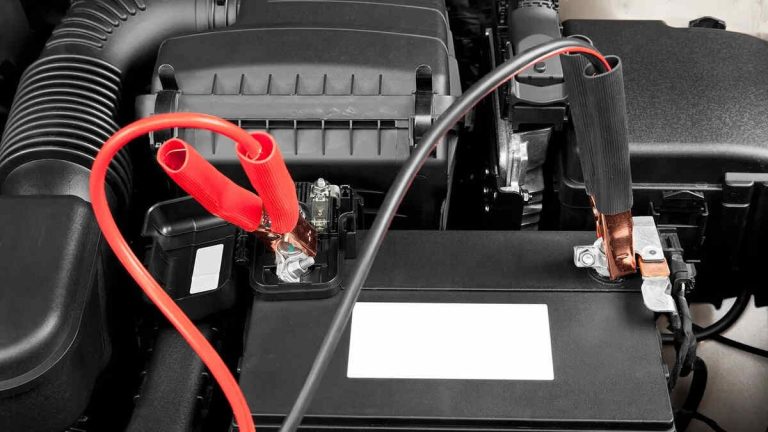
The battery provides the electrical energy needed to power the starter motor and ignition system. A weak or discharged battery can crank the engine slowly or inconsistently, reducing the starter’s effectiveness and preventing proper ignition. Even if the engine cranks, insufficient voltage may leave spark plugs and fuel injectors underpowered.
Symptoms of a weak battery include slow or labored cranking, dim dashboard lights, and clicking noises when attempting to start the engine. Testing battery voltage with a multimeter can confirm if it meets the required specifications. Recharging or replacing a failing battery restores proper current flow, ensuring the starter and ignition system receive adequate power for consistent engine starts. Regular battery maintenance, including terminal cleaning and voltage checks, prevents cranking-only scenarios.
Failing Starter Motor
The starter motor turns the engine over to initiate combustion. A failing starter can crank inconsistently or fail to generate sufficient speed for ignition. Even when it seems to engage, internal wear or electrical issues can prevent proper function.
Common signs include slow cranking, intermittent operation, or grinding noises while attempting to start. Testing involves checking voltage at the starter terminals and listening for unusual sounds. Replacing a worn or faulty starter restores reliable engine cranking and ensures the ignition system can operate effectively. Proper maintenance, such as keeping electrical connections tight and corrosion-free, prolongs starter life.
Faulty Alternator or Charging System
While the alternator primarily charges the battery during engine operation, a failing alternator can leave the battery undercharged, resulting in cranking issues. Inadequate charging prevents the battery from maintaining sufficient voltage for repeated start attempts.
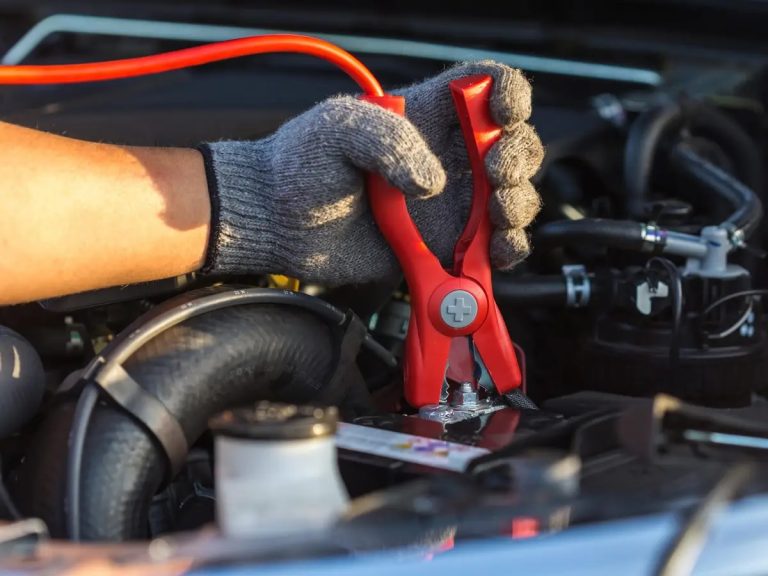
Indicators of alternator problems include dimming lights, battery warning lights on the dashboard, or a vehicle that starts only after a jump. Checking alternator output with a multimeter or diagnostic tool can confirm its performance. Repairing or replacing a faulty alternator ensures consistent battery charging and prevents starting problems caused by insufficient electrical supply.
Loose or Corroded Electrical Connections
Loose, corroded, or damaged wiring and terminals can interrupt current flow, leading to cranking without starting. Connections at the battery, starter, ignition switch, or ground points are especially critical. Even minor corrosion can reduce voltage to essential components.
Symptoms include intermittent cranking, clicking sounds, or sudden loss of power to ignition systems. Cleaning terminals, tightening connections, and replacing frayed wires restore proper electrical flow. Maintaining clean and secure connections ensures reliable engine starts and reduces the risk of future electrical failures.
Ignition Switch and Relay Failures
The ignition switch and starter relay control the flow of electricity from the battery to the starter motor. A malfunction in either component can prevent proper engagement, allowing the engine to crank inconsistently or not at all.
Symptoms include no crank, erratic starting, or dashboard lights flickering during start attempts. Testing the switch and relay with diagnostic tools or continuity checks can identify failures. Replacing faulty components restores proper control over electrical flow, enabling consistent cranking and ensuring that the engine receives sufficient power to start reliably.
Frequently Asked Questions
What Are The Most Common Reasons An Engine Cranks But Won’t Start?
One of the most common causes is a fuel delivery problem, such as a clogged fuel filter, failing fuel pump, or blocked fuel lines. Without proper fuel, the engine cannot ignite even while cranking.
Electrical and ignition issues are also frequent culprits. Faulty spark plugs, ignition coils, or malfunctioning sensors can prevent the spark from igniting the air-fuel mixture. Additionally, weak batteries, starter motor problems, or corroded connections can interfere with the electrical system, leaving the engine cranking but failing to start.
Can A Dead Battery Cause The Engine To Crank But Not Start?
Yes, a dead or weak battery can cause this problem. While the starter may still crank the engine, insufficient voltage prevents the ignition system and fuel injectors from operating correctly. This results in cranking without ignition.
Symptoms include slow cranking, dim dashboard lights, or clicking noises. Testing the battery voltage with a multimeter helps determine if it’s the cause. Charging or replacing a weak battery restores the electrical power needed for proper ignition, allowing the engine to start reliably.
How Do Fuel System Problems Lead To Cranking Without Starting?
Fuel system issues, such as clogged fuel filters, failing fuel pumps, or blocked fuel lines, can prevent the engine from receiving the necessary fuel to start. Without the correct air-fuel mixture, combustion cannot occur, even if the starter cranks the engine.
Signs include a lack of fuel pump sound, fuel odor, or repeated attempts to start the engine. Testing fuel pressure and inspecting components like the fuel pump relay can confirm the issue. Addressing fuel system problems restores proper flow, enabling the engine to ignite and run efficiently.
Can Ignition System Failures Cause The Engine Not To Start?
Yes, the ignition system is critical for engine start. Faulty spark plugs, ignition coils, or crankshaft and camshaft position sensors can prevent the spark needed to ignite fuel. When these components fail, the engine may crank but fail to start.
Symptoms include rough cranking, misfires, or dashboard warning lights. Testing spark output or using a diagnostic scanner helps identify faulty ignition components. Repairing or replacing defective parts restores proper ignition timing and spark delivery, allowing the engine to start reliably.
How Do Air Intake Problems Affect Engine Starting?
Restricted airflow or malfunctioning sensors, such as the mass air flow (MAF) or throttle position sensor (TPS), can disrupt the air-fuel mixture, preventing combustion. A clogged air filter or leaking intake manifold reduces oxygen supply, making the engine crank without starting.
Signs include rough cranking, unusual exhaust smoke, or erratic engine behavior. Inspecting airflow components and cleaning or replacing sensors ensures the ECU receives accurate data. Proper air intake function restores the correct mixture, enabling successful ignition during startup.
Can Starter Motor Or Electrical Issues Cause This Problem?
Yes, a failing starter motor or electrical system problem can result in cranking without starting. Loose wires, corroded connections, or faulty relays may prevent adequate current from reaching the ignition system, even if the starter spins the engine.
Symptoms include intermittent cranking, clicking noises, or flickering dashboard lights. Inspecting battery terminals, fuses, and starter connections can reveal the problem. Repairing or replacing faulty electrical components ensures reliable current flow, allowing the engine to start consistently.
How Do Engine Sensors Contribute To Cranking But No Start?
Sensors like the crankshaft and camshaft position sensors, MAF, and IAT provide critical data to the ECU. A faulty sensor can send incorrect signals, preventing spark or fuel delivery and leaving the engine cranking without starting.
Symptoms include erratic cranking, warning lights, or inconsistent fuel injection. Diagnostic tools can identify sensor failures. Replacing defective sensors restores accurate readings, enabling the ECU to properly control ignition and fuel, allowing the engine to start reliably.
When Should I Seek Professional Help For This Issue?
Professional assistance is recommended if basic checks do not identify the problem. Persistent cranking without starting may indicate serious fuel, ignition, or electrical system failures that require specialized tools for accurate diagnosis.
A certified mechanic can test fuel pressure, ignition output, and sensor performance, pinpointing the exact cause. Timely professional intervention prevents further damage and ensures safe, reliable engine operation. Seeking help also avoids guesswork and reduces repair costs by addressing the root problem efficiently.
Final Thoughts
Experiencing a situation where your engine turns over but fails to start can be frustrating and alarming, especially when you rely on your vehicle daily. Several underlying issues could be causing the problem, from fuel delivery failures and ignition system faults to sensor malfunctions or electrical problems. Identifying the root cause early is essential to prevent further damage and avoid costly repairs.
Regular maintenance and timely inspections can significantly reduce the chances of encountering this issue. Checking fuel levels, battery condition, spark plugs, and electrical connections ensures your engine components function properly. Monitoring sensors and engine control systems also helps maintain optimal performance and prevents unexpected starting failures.
Understanding [Why Your Engine Cranks But Won’t Start:] allows you to troubleshoot effectively and take the right corrective actions. Whether through basic DIY checks or consulting a professional mechanic for complex issues, addressing the problem promptly ensures reliable starting, prevents further engine damage, and keeps your vehicle safe and dependable on the road.