Car Stopped Running While Driving and Won’t Start: Causes and Fixes
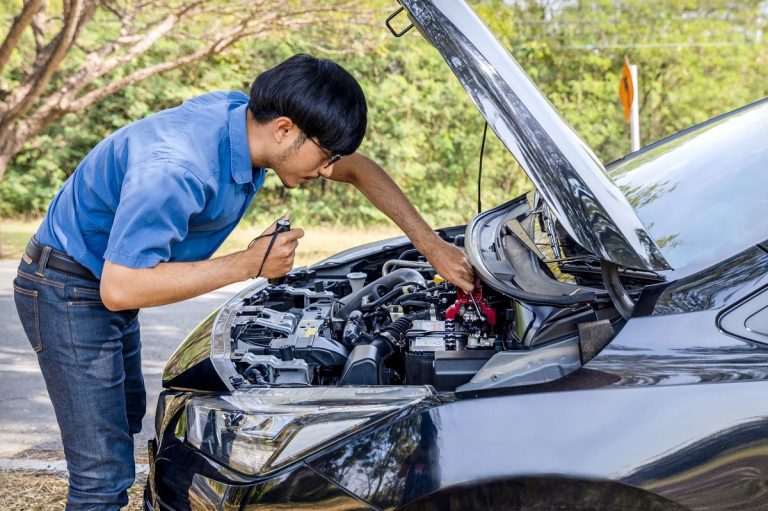
Experiencing a sudden vehicle failure while driving can be a stressful and dangerous situation. One of the most alarming scenarios is when your engine shuts off unexpectedly, leaving you stranded on the road. This can happen in busy traffic or on isolated roads, making it essential to understand the potential causes and immediate steps to take.
A car that stops running while driving and won’t start can be caused by several factors, ranging from fuel delivery problems to electrical failures or engine malfunctions. Recognizing the possible reasons helps you act quickly, maintain safety, and communicate effectively with roadside assistance or a mechanic.
Being aware of warning signs and knowing how to respond can prevent further damage and reduce the risk of accidents. Taking a systematic approach to diagnosis ensures that you address the root problem rather than just temporary symptoms. Understanding what may lead to a sudden shutdown and learning preventive measures can save time, money, and stress while keeping you safe on the road.
Common Reasons a Car Stops Running While Driving and Won’t Start
When a car stops running while driving and won’t start, it can signal serious mechanical or electrical issues. Understanding the common causes helps you diagnose problems faster and take appropriate action. These issues often involve fuel delivery, ignition systems, or the battery, and addressing them promptly can prevent further damage and ensure safety on the road.
Fuel Delivery Problems
One of the primary reasons a car may stop running is an interruption in fuel delivery. Components like the fuel pump, fuel filter, or fuel injectors are responsible for delivering the right amount of fuel to the engine. A failing fuel pump can cut off fuel supply entirely, causing the engine to stall and preventing it from restarting.
Clogged fuel filters or faulty injectors may also restrict fuel flow, leading to sudden engine shutdowns. Low fuel levels or contaminated gasoline can exacerbate these problems. Diagnosing fuel-related issues often requires checking fuel pressure, listening for pump operation, and inspecting filters for blockages. Regular maintenance, including timely fuel filter replacements and using clean fuel, helps prevent these disruptions and ensures consistent engine performance.
Understanding fuel system integrity is critical because unresolved fuel delivery issues can leave you stranded or damage the engine over time. Prompt attention to fuel-related symptoms maintains reliable operation and prevents costly repairs.
Electrical System Failures
Electrical problems, including battery, alternator, or wiring issues, are another common cause of a car stopping unexpectedly. A weak or dead battery may allow the engine to stall, while a malfunctioning alternator fails to charge the battery, causing electrical systems to shut down.
Faulty wiring or blown fuses can interrupt critical connections to the ignition system, fuel pump, or engine control unit (ECU), preventing the car from restarting. Diagnosing electrical problems involves checking battery voltage, inspecting fuses, and ensuring proper alternator function. Corroded terminals or loose connections may also contribute to sudden shutdowns.
Regular inspection of the battery, alternator, and wiring ensures consistent electrical supply to essential components. Maintaining electrical system health prevents unexpected engine stoppages and supports reliable vehicle performance.
Ignition System Issues
The ignition system, which includes spark plugs, ignition coils, and the ignition switch, plays a crucial role in engine operation. Failure in any of these components can cause a car to stop running and prevent it from restarting. A malfunctioning ignition coil may fail to produce the spark necessary for combustion, while a faulty ignition switch can cut power to the engine entirely.
Worn spark plugs or damaged wiring in the ignition system reduce combustion efficiency, leading to stalling. Symptoms may include difficulty starting, misfires, or rough running before the engine stops. Routine inspection and replacement of spark plugs, coils, and related components according to the manufacturer’s schedule can prevent ignition-related shutdowns.
Understanding ignition system integrity is essential, as unresolved issues can escalate, causing repeated stalls and potentially leaving you stranded in unsafe conditions.
Engine Mechanical Failures
Mechanical problems within the engine can also result in sudden shutdowns. Issues like a broken timing belt or chain, severe overheating, or internal engine damage can prevent the car from running and restarting. A snapped timing belt, for instance, can stop engine operation immediately and cause extensive damage to pistons and valves.
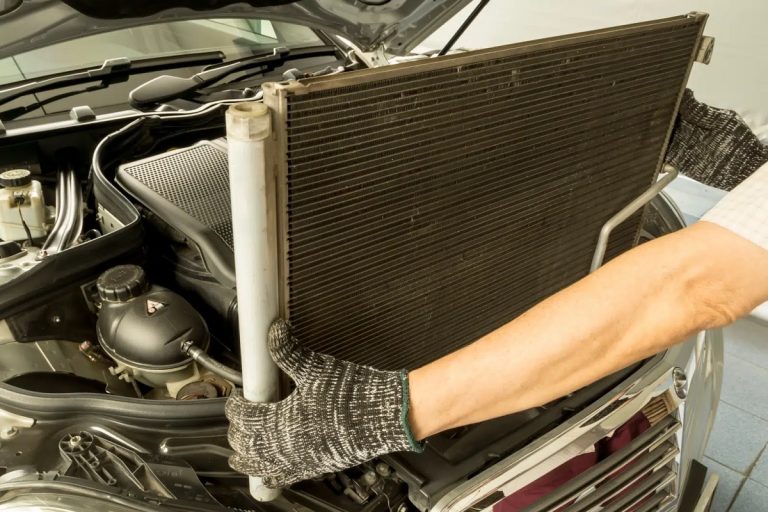
Overheating due to coolant loss or a malfunctioning radiator can lead to automatic engine shutdown to prevent catastrophic damage. Internal wear, such as seized components or oil starvation, may also result in engine failure. Diagnosing mechanical failures often requires professional inspection, as many of these issues are not visible without disassembly.
Regular maintenance, including timely oil changes, coolant checks, and belt inspections, helps prevent mechanical failures. Maintaining engine integrity reduces the risk of sudden shutdowns and ensures safe, reliable vehicle operation.
Sensor and Computer Malfunctions
Modern vehicles rely on sensors and the ECU to monitor and control engine function. Faulty sensors, such as a crankshaft position sensor or camshaft sensor, can cause the engine to stall and prevent restarting. The ECU may shut down fuel delivery or ignition if it detects abnormal readings, leaving the car inoperable.
Diagnosing electronic malfunctions typically requires diagnostic tools to read error codes and interpret sensor data. Software glitches in the ECU can also contribute to unexpected shutdowns. Keeping sensors clean and ensuring regular ECU updates can reduce the likelihood of such issues.
Understanding the role of sensors and the vehicle’s computer system is critical for modern cars, as electronic malfunctions are increasingly common causes of sudden stoppages and no-start conditions.
How to Diagnose Why a Car Stopped Running and Won’t Start
Experiencing a sudden engine shutdown is stressful, and understanding the root cause is crucial for safety and proper repair. Diagnosing why a car stopped running and won’t start involves systematically checking fuel, electrical, ignition, and mechanical systems. A methodical approach ensures accurate identification of the problem and prevents unnecessary repairs or further damage to the vehicle.
Check the Fuel System
The first step in diagnosing a car that stopped running is examining the fuel system. Begin by checking the fuel level to ensure the tank is not empty. Next, listen for the fuel pump when turning the key to the “on” position—an audible hum indicates the pump is functioning.
Inspect the fuel filter for blockages, as a clogged filter can restrict fuel flow, causing the engine to stall and fail to restart. Fuel injectors should also be checked for proper operation, as malfunctioning injectors can prevent adequate fuel delivery. Using a fuel pressure gauge helps confirm if the system maintains the correct pressure.
Maintaining a clean and well-functioning fuel system reduces the risk of sudden shutdowns. Identifying fuel-related issues early allows you to resolve the problem efficiently and prevent long-term engine damage.
Evaluate the Electrical System
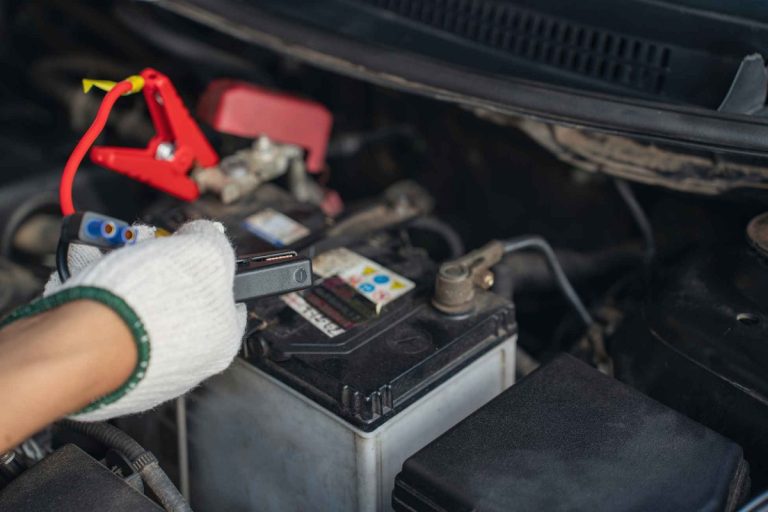
Electrical failures are a common cause of sudden engine stoppage. Start by inspecting the battery for sufficient voltage and tight, corrosion-free connections. A weak or dead battery can prevent the car from restarting even if the engine initially stalled.
Next, examine the alternator, which charges the battery while driving. A failing alternator may cause the car to stop suddenly due to depleted electrical power. Inspect fuses and wiring for damage, as loose or corroded connections can interrupt the flow of electricity to critical systems like the ignition or fuel pump.
Testing these components ensures the electrical system supplies consistent power to the engine. Regular battery and alternator checks, combined with secure wiring, help prevent unexpected stalls and no-start situations.
Inspect the Ignition System
The ignition system is responsible for creating the spark necessary for combustion. Begin by checking spark plugs for wear, fouling, or damage. Inspect ignition coils and related wiring for signs of malfunction, as a failed coil can prevent spark generation.
The ignition switch should also be tested, as a faulty switch can cut power to the engine, causing it to stop and preventing a restart. Using a spark tester allows you to verify if sparks are being generated at each cylinder. Without proper ignition, fuel cannot combust, leaving the engine inoperable.
Routine inspection and replacement of ignition components prevent unexpected shutdowns and help maintain smooth engine operation. Understanding ignition system integrity is critical for diagnosing stalls and no-start issues accurately.
Examine Engine Mechanical Condition
Mechanical failures can abruptly stop a running car and prevent it from restarting. Common issues include a broken timing belt or chain, overheating, or seized internal components. Listen for unusual noises before the car stops, such as knocking or grinding, which may indicate mechanical wear or impending failure.
Check the engine oil and coolant levels to ensure the engine has sufficient lubrication and cooling. A lack of proper fluids can lead to overheating, component seizure, and permanent engine damage. Severe internal problems often require professional inspection, as diagnosing timing or internal component failures without specialized tools is challenging.
Regular mechanical maintenance, including oil changes, coolant checks, and belt inspections, helps prevent sudden shutdowns and ensures the engine remains reliable under all driving conditions.
Scan for ECU or Sensor Faults
Modern vehicles rely on sensors and the ECU to regulate engine performance. Faulty sensors, such as crankshaft or camshaft position sensors, may signal the ECU to cut fuel or ignition, causing the engine to stop and fail to restart. Diagnostic trouble codes (DTCs) from an OBD-II scanner provide insight into potential sensor failures.
Inspect sensor wiring and connectors for damage or corrosion, as electrical interruptions can mimic sensor failures. Some ECU malfunctions or software glitches may also contribute to unexpected engine shutdowns. Regularly checking and maintaining sensors, along with timely ECU updates, ensures proper communication between the vehicle’s electronics and engine systems.
Effective Solutions
Addressing a car that stopped running while driving and won’t start requires targeted solutions based on the root cause. From fuel and ignition issues to electrical and mechanical repairs, applying the correct fix ensures the vehicle operates safely and reliably. Timely action prevents further damage and restores normal performance.
Resolve Fuel System Issues
If fuel delivery is the cause, start by checking the fuel pump and filter. A malfunctioning pump may need replacement, while a clogged fuel filter should be cleaned or replaced to restore proper fuel flow. For vehicles with fuel injectors, cleaning or replacing faulty injectors ensures consistent fuel delivery to the engine.
Using a fuel pressure gauge can confirm adequate fuel supply, helping you identify whether the issue is the pump, filter, or injectors. Keeping the fuel system well-maintained, including using clean fuel and replacing filters on schedule, prevents stalls and reduces the risk of engine damage.
Regular inspection of fuel lines for leaks or blockages is also important, as compromised lines can restrict flow and cause sudden engine shutdowns. Addressing fuel issues promptly restores reliable starting and smooth engine performance.
Fix Electrical System Failures
Electrical system problems often require inspecting the battery, alternator, and wiring connections. A dead or weak battery should be replaced or fully charged, while corroded or loose terminals must be cleaned and tightened. A faulty alternator may need professional testing and replacement to ensure proper charging.
Inspect fuses and wiring for damage, shorts, or corrosion, which can interrupt power to essential components like the ignition system and fuel pump. Repairing damaged wiring and replacing blown fuses restores proper electrical flow, allowing the engine to start and operate normally.
Regular battery checks and alternator maintenance prevent unexpected shutdowns and no-start situations, ensuring consistent power delivery to the car’s critical systems. Preventive care of the electrical system is key to avoiding sudden breakdowns.
Repair or Replace Ignition Components
Ignition-related issues require checking spark plugs, ignition coils, and the ignition switch. Worn or fouled spark plugs should be replaced to restore proper combustion, while faulty ignition coils must be tested and replaced if necessary. A malfunctioning ignition switch should be repaired to restore engine power.
Testing spark production with a spark tester confirms whether each cylinder is firing correctly. Replacing worn ignition components prevents stalls, rough running, and starting problems, ensuring smooth engine operation.
Maintaining the ignition system according to manufacturer recommendations keeps the car running reliably and minimizes the risk of sudden shutdowns while driving. Proper care of spark and ignition components is essential for consistent performance.
Address Mechanical Problems
Mechanical failures, such as a broken timing belt or overheating, often require professional intervention. A snapped timing belt should be replaced promptly to prevent further engine damage, while overheating requires checking coolant levels, radiator function, and possible component repairs.
Regular oil changes and coolant maintenance help prevent internal engine wear or overheating. A well-maintained engine with proper lubrication and cooling is less likely to experience sudden shutdowns. Severe internal damage may necessitate engine rebuilds or part replacements, but proactive care significantly reduces these risks.
Mechanical solutions restore engine function and ensure long-term reliability, preventing repeated stalls or no-start conditions. Routine inspections are key to identifying potential mechanical failures early.
Reset or Repair ECU and Sensors
For modern vehicles, electronic failures can often be resolved by diagnosing and repairing sensors or resetting the ECU. Faulty crankshaft or camshaft sensors may need replacement, while damaged wiring should be repaired to restore proper communication with the engine control unit.
OBD-II diagnostic tools can identify specific error codes, allowing for targeted repairs. Occasionally, an ECU reset or software update may be necessary to correct glitches that prevent the engine from starting. Ensuring proper sensor operation and ECU functionality restores fuel and ignition timing, allowing the car to start reliably.
Maintaining sensor integrity and monitoring ECU performance prevents sudden stalls and improves overall engine reliability, providing a modern solution for no-start situations.
Preventive Measures
Preventing a situation where your car stops running while driving and won’t start requires proactive maintenance and attentive driving habits. Regular inspections, timely servicing, and awareness of warning signs are essential to reduce the risk of unexpected engine shutdowns. Implementing preventive measures ensures vehicle reliability, enhances safety, and extends the life of critical components.
Regular Fuel System Maintenance
Maintaining a healthy fuel system is crucial for preventing sudden engine stoppages. Ensure the fuel pump, fuel filter, and fuel injectors are regularly inspected and replaced as recommended by the manufacturer. Using high-quality gasoline reduces the risk of contamination, while avoiding running the tank near empty prevents the fuel pump from drawing in debris from the bottom of the tank.
Cleaning fuel injectors periodically improves fuel atomization and ensures consistent combustion. Checking for leaks or damage in fuel lines helps avoid interruptions in fuel delivery. By keeping the fuel system clean and functioning properly, you reduce the chances of the car stalling or failing to start, allowing for smooth and reliable engine performance over time.
Electrical System Care
Proactive care of the electrical system prevents sudden shutdowns caused by battery or alternator failures. Regularly inspect the battery for corrosion, tight connections, and adequate voltage. Test the alternator periodically to ensure it provides sufficient charging power. Replacing a weak battery or a faulty alternator before complete failure prevents unexpected stalls.
Inspect wiring harnesses and fuses for damage, corrosion, or loose connections. Securing and cleaning electrical connections ensures uninterrupted power flow to essential systems such as the ignition and fuel pump. Consistent monitoring and maintenance of the electrical system help maintain a reliable starting process and prevent no-start conditions while driving.
Maintain the Ignition System
The ignition system plays a key role in keeping your engine running smoothly. Regularly replacing spark plugs according to the manufacturer’s schedule prevents misfires and rough running. Inspect ignition coils, wires, and the ignition switch to ensure proper spark delivery and consistent engine operation.
Routine checks allow you to identify early signs of wear or malfunction, such as engine hesitation, uneven idling, or difficulty starting. Timely replacement of ignition components ensures reliable combustion, preventing unexpected shutdowns and no-start situations. Keeping the ignition system in optimal condition contributes to overall engine performance and longevity.
Engine Mechanical Health
Routine mechanical maintenance reduces the risk of catastrophic engine failures that can cause sudden stops. Change engine oil and coolant on schedule to maintain proper lubrication and prevent overheating. Inspect belts, such as the timing belt or serpentine belt, for wear, cracking, or misalignment, and replace them as needed.
Monitoring engine temperature, fluid levels, and unusual noises helps detect early signs of mechanical problems. Addressing minor issues before they escalate prevents sudden shutdowns and costly repairs. Maintaining engine integrity through regular service ensures smooth operation and reduces the likelihood of unexpected stalls or a car that won’t start.
Monitor Sensors and ECU Function
Modern vehicles rely heavily on sensors and the ECU to manage engine performance. Periodically inspect sensors, including crankshaft and camshaft position sensors, for damage, corrosion, or loose connections. Keeping sensors clean and properly connected ensures accurate data is transmitted to the ECU.
Updating the ECU software when recommended helps correct glitches and maintain proper fuel and ignition timing. Regular monitoring of engine codes using an OBD-II scanner allows you to identify minor issues before they cause a complete shutdown. Preventive attention to sensors and the ECU improves reliability, prevents stalls, and ensures consistent engine performance.
People Also Asked
Why Did My Car Stop Running While Driving and Won’t Start?
Your car may stop running while driving due to issues in the fuel, ignition, electrical, or engine systems. A failing fuel pump, clogged filter, or bad injectors can cut off fuel delivery, causing the engine to stall. Electrical problems like a dead battery, faulty alternator, or damaged wiring can prevent power from reaching critical components.
Ignition failures or severe mechanical issues, such as a broken timing belt, may also cause the engine to stop and fail to restart. Identifying the root cause requires systematic inspection and testing of these systems.
Can a Dead Battery Cause My Car to Stall While Driving?
Yes, a weak or dead battery can sometimes cause your car to stall while driving. Modern vehicles rely on battery power for fuel pumps, ignition, and electronic systems. If the battery cannot provide sufficient voltage, the engine may stop running and fail to restart.
Additionally, a failing alternator can prevent the battery from charging while driving, worsening the problem. Checking battery voltage and alternator output can help determine if electrical power loss is the cause of the stall. Replacing or recharging the battery usually resolves the issue.
How Do I Know If Fuel System Issues Are Causing the Stall?
Fuel system problems can be diagnosed by checking fuel levels, pressure, and delivery components. Listen for the fuel pump when turning the key to the “on” position. A silent pump may indicate a failure. Clogged fuel filters or faulty injectors can restrict fuel flow, causing the engine to stall and preventing it from starting again.
Using a fuel pressure gauge or inspecting for leaks helps confirm whether the fuel system is functioning properly. Maintaining clean filters, fuel lines, and injectors prevents sudden engine shutdowns.
Could My Ignition System Be the Problem?
Yes, failures in the ignition system often cause sudden engine stoppages. Worn spark plugs, damaged ignition coils, or a faulty ignition switch can prevent the engine from producing the necessary spark for combustion. Without proper ignition, the engine will stop and won’t start again.
Symptoms before the stall may include rough idling, misfires, or difficulty starting. Inspecting spark plugs, testing ignition coils, and checking the ignition switch helps identify and resolve these issues, restoring reliable engine operation.
Can Mechanical Failures Make My Car Stop Suddenly?
Mechanical failures, such as a snapped timing belt, overheating, or internal engine damage, can cause the car to stop running abruptly. A broken timing belt stops the engine instantly and may damage pistons or valves. Overheating due to low coolant or radiator issues can trigger a protective shutdown.
Routine maintenance, including oil changes, coolant checks, and timing belt inspections, helps prevent mechanical failures. Recognizing early warning signs like unusual noises or high temperature readings allows you to take action before the engine stalls completely.
Are Sensors or ECU Problems Likely Causes?
Yes, modern vehicles rely on sensors and the ECU to control fuel and ignition systems. A faulty crankshaft or camshaft position sensor may signal the ECU to cut fuel or spark, causing the engine to stop. Software glitches in the ECU can also prevent restarting.
Using an OBD-II scanner to check error codes helps pinpoint sensor or ECU malfunctions. Maintaining sensors, wiring, and keeping ECU software updated prevents unexpected shutdowns and ensures consistent engine performance.
What Should I Do Immediately If My Car Stops Running While Driving?
First, safely pull over to the side of the road and turn on hazard lights. Avoid attempting to restart the car repeatedly, as this can worsen certain problems. Check the basics, such as fuel level, battery connections, and fluid levels if possible.
Call for roadside assistance or a professional mechanic to properly diagnose the issue. Avoid driving the car until the cause is resolved, as attempting to continue may lead to further damage or unsafe conditions. Staying calm and taking methodical action ensures your safety and helps prevent additional vehicle problems.
Final Thoughts
Experiencing a sudden engine shutdown while on the road can be alarming and dangerous, especially if your vehicle refuses to restart. Addressing the issue promptly is essential to ensure your safety and prevent further damage to the engine. Identifying the underlying cause, whether it’s fuel, ignition, electrical, or mechanical related, is the first step toward restoring proper vehicle operation.
Understanding the potential reasons behind [car stopped running while driving and won’t start] helps you make informed decisions about repairs. Common causes include fuel system failures, ignition problems, dead batteries, or sensor malfunctions. Performing basic checks and diagnostics, or consulting a professional mechanic, ensures that you target the correct system and avoid unnecessary replacements.
Preventive maintenance is key to avoiding unexpected breakdowns. Regular inspections, timely replacement of worn components, and monitoring warning signs can reduce the risk of your [car stopped running while driving and won’t start]. By staying proactive, you ensure safer, smoother, and more reliable driving every time you get on the road.