Steering Wheel Off Center But Drives Straight? Fixes And Causes You Need To Know
A perfectly aligned steering wheel is essential for comfortable and safe driving. When you notice your steering wheel is slightly tilted or off center while the vehicle still drives straight, it can feel unsettling and raise concerns about underlying issues. This condition is often a sign of misalignment, suspension wear, or uneven tire pressure that doesn’t necessarily affect the car’s ability to travel in a straight line.
Your vehicle may appear to handle normally, but subtle issues in alignment can cause the steering wheel to sit off center. Over time, this can lead to uneven tire wear, reduced handling precision, and added strain on suspension components. Drivers may feel a constant need to adjust the wheel slightly to maintain a straight path.
Understanding the causes behind a steering wheel off center but drives straight helps you address the issue early. Proper inspection and adjustment restore driving comfort and prevent long-term damage. Regular maintenance and careful observation can keep your steering and handling precise.
Causes of Steering Wheel Off Center But Drives Straight
A steering wheel that is off center while the vehicle drives straight can indicate several underlying issues. While it may not immediately affect your ability to control the car, it signals alignment or suspension concerns that should be addressed. Understanding the root causes helps you identify what needs attention and maintain both vehicle safety and handling precision.
Wheel Alignment Issues
Wheel misalignment is one of the most common reasons for a steering wheel sitting off center. Even when your vehicle drives straight, slight deviations in the alignment angles can shift the steering wheel to one side. Alignment problems occur over time due to normal wear, hitting potholes, or minor collisions that affect suspension geometry.
Misaligned wheels cause uneven tire wear, which may not immediately impact straight-line driving but gradually reduces handling performance. Toe, camber, and caster angles are critical for proper steering geometry, and if any of these angles are off, the steering wheel won’t sit in the center. This misalignment can create a subtle pull to one side, requiring minor constant steering corrections.
Regular alignment checks are essential, especially after hitting curbs or potholes. Technicians adjust the angles to ensure wheels track straight and the steering wheel is centered. Ignoring alignment issues leads to faster tire wear, reduced fuel efficiency, and increased strain on suspension components, making early diagnosis and correction important.
Uneven Tire Wear or Pressure
Uneven tire wear or incorrect tire pressure can also contribute to a steering wheel off center but drives straight. When tires have different tread depths or are inflated inconsistently, the car may travel straight without noticeable pulling, but the steering wheel may not align with the center of the vehicle.
Tire imbalance changes how the vehicle distributes weight and traction across all four wheels. Even small differences in tire diameter or tread can shift the steering wheel position slightly. Over time, worn tires exacerbate this effect, affecting handling stability and comfort.
Maintaining proper tire pressure and rotating tires regularly helps prevent uneven wear. Visual inspections and professional tire checks ensure that all tires have consistent tread depth. Addressing these tire-related issues restores steering alignment and prolongs the life of both tires and suspension components.
Suspension Component Wear
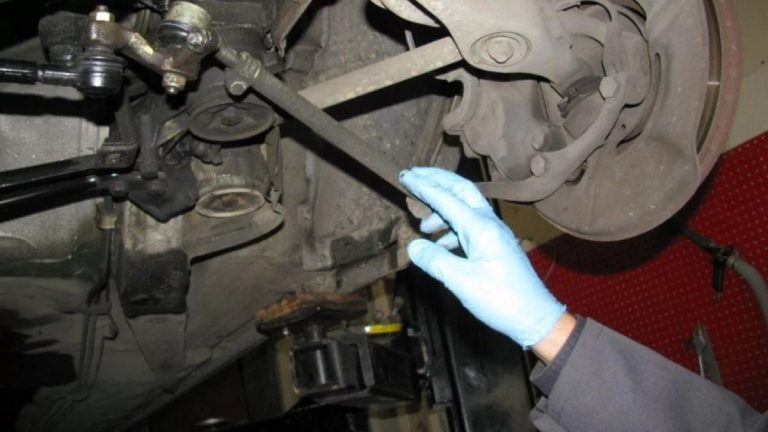
Worn suspension components, including tie rods, ball joints, and control arms, can affect steering alignment. These components maintain wheel positioning, and any wear or play can result in a steering wheel that appears off center even when driving straight.
Over time, suspension parts degrade due to normal driving conditions, rough roads, or lack of maintenance. Loose or damaged components cause small shifts in wheel position, which may not immediately alter the vehicle’s straight-line travel. However, the misalignment is enough to make the steering wheel sit at an angle.
Replacing worn suspension parts and performing a full alignment afterward ensures that the steering wheel returns to its correct position. Ignoring these issues can lead to uneven tire wear, reduced handling response, and potential safety concerns, especially during emergency maneuvers.
Steering Gear or Rack Issues
Problems with the steering gear or rack can also cause the steering wheel to be off center. The steering rack ensures that your wheels respond correctly to your inputs. Wear, damage, or incorrect installation can result in a steering wheel that doesn’t sit straight while the car drives normally.
Even small deviations in the steering rack alignment can offset the wheel angle. Internal wear in the rack or pinion, loose mounting bolts, or uneven gear engagement contributes to this condition. While the car may drive straight, the misaligned steering wheel signals the need for inspection and potential repair.
Professional mechanics can diagnose steering rack issues and perform necessary adjustments or replacements. Timely attention ensures the steering wheel is properly centered, prevents further component wear, and maintains precise vehicle handling.
Minor Impacts or Accidents
Minor impacts, such as hitting a pothole, curb, or debris, can subtly shift wheel alignment or suspension components. Even if the vehicle drives straight afterward, these small changes may offset the steering wheel. The misalignment might not be noticeable immediately but gradually becomes more apparent with daily driving.
These impacts can cause small bends in suspension arms, tie rods, or control components, which don’t prevent straight-line driving but shift the steering wheel’s neutral position. Combined with tire or alignment issues, this can create persistent off-center steering.
After any minor impact, it’s advisable to have the vehicle inspected. Early detection and correction prevent further wear on tires and suspension, restoring proper steering wheel alignment and maintaining optimal vehicle performance.
Signs Your Steering Wheel Is Off Center But Drives Straight
Noticing that your steering wheel is off center while the car drives straight is often the first visible symptom of underlying alignment or suspension issues. While the vehicle may appear to drive normally, subtle signs often accompany this condition. Recognizing these warning indicators early helps you prevent further damage, improve safety, and maintain proper handling performance.
Uneven Tire Wear Patterns
One of the most common signs that your steering wheel is off center is uneven tire wear. When alignment angles are off, certain parts of the tires carry more load than others, causing faster wear on one side. You may notice that the inner or outer edges of your tires appear more worn than the center, or that one side of the tread pattern shows irregular wear compared to the opposite tire.
Even when the vehicle drives straight, these uneven patterns indicate misalignment in toe, camber, or caster angles. Ignoring uneven wear can reduce traction, affect fuel efficiency, and shorten tire life. Regularly inspecting your tires for wear patterns allows you to detect steering and alignment issues before they escalate.
Addressing uneven tire wear often requires a professional wheel alignment and rotation, which restores proper handling and recenters the steering wheel. Ignoring these signs can lead to costly tire replacements and additional strain on suspension components, further affecting vehicle performance.
Steering Wheel Feels Tilted While Driving
Another clear sign is the steering wheel’s position while driving. If the steering wheel sits noticeably tilted to one side, even as the vehicle travels straight, it signals misalignment or mechanical wear. Drivers often try to compensate by holding the wheel slightly off center, which can be uncomfortable during longer trips.
A tilted steering wheel may not always cause immediate pulling or drifting, making it easy to overlook. However, prolonged driving in this condition can place uneven stress on steering and suspension components, leading to premature wear. This misalignment also reduces precision in handling and can make emergency maneuvers less predictable.
Drivers may notice the wheel doesn’t return perfectly to center after turning, or that small corrections are needed to keep the car traveling straight. Early detection and alignment correction restore proper steering wheel positioning, improving both comfort and safety.
Pulling or Drift Sensations
Even when the vehicle appears to drive straight, subtle pulling or drifting to one side can accompany an off-center steering wheel. These sensations may be minor and only noticeable on smooth, flat roads but indicate that wheel alignment or suspension geometry is slightly off.
Pulling often becomes more noticeable when braking, accelerating, or driving on inclines. The vehicle may require constant minor steering adjustments to maintain a straight path. These subtle corrections highlight that the wheels are not perfectly aligned with the steering column, even if the car doesn’t visibly veer.
Ignoring these drifting signs can accelerate uneven tire wear and increase strain on suspension components. Addressing the issue with a professional alignment ensures the steering wheel is centered and prevents long-term handling and wear problems.
Vibrations Or Unusual Handling Feel
A steering wheel off center can also cause or coincide with unusual vibrations or handling characteristics. While the car may drive straight, you might feel slight shudders, especially at higher speeds, or a sense that the vehicle responds differently to steering inputs.
These sensations are often caused by misaligned wheels or worn suspension parts that affect weight distribution and handling balance. Over time, vibration can lead to premature wear on steering components and tires, reducing driving comfort and safety.
Noticing these subtle changes in handling is an important early warning sign. Routine inspections, wheel balancing, and alignment checks help restore smooth, predictable steering and prevent more serious mechanical failures linked to off-center steering.
How To Check If Your Steering Alignment Is Correct
Proper steering alignment is essential for safe handling, even tire wear, and comfortable driving. Misalignment can cause your steering wheel to sit off center, reduce vehicle stability, and accelerate wear on tires and suspension components. Regularly checking your alignment helps identify problems early, ensuring your car drives straight and the steering wheel remains centered.
Visual Inspection Of The Steering Wheel
The first step in checking alignment is a simple visual inspection. Park your vehicle on a level surface and observe the position of the steering wheel relative to the front wheels. Ideally, the wheel should sit perfectly centered when the car is moving straight forward.
If you notice the steering wheel is tilted to one side while the wheels point straight ahead, it indicates misalignment. You can also check for uneven tire wear or differences in tread patterns, which often accompany off-center steering. Uneven wear may appear as more wear on the inner or outer edges of the tires.
While visual inspection doesn’t replace professional alignment tools, it provides a quick and easy way to detect noticeable issues. Small discrepancies can be confirmed with more detailed tests or by visiting a certified technician for a full alignment check.
Road Test For Alignment Accuracy
A road test is another effective method to check steering alignment. Drive your vehicle on a smooth, flat, and straight road at a moderate speed. Pay attention to how the car behaves without touching the steering wheel. The vehicle should maintain a straight path with minimal corrections.
If the car drifts or pulls to one side, it suggests that wheel alignment angles are off. During the test, note if the steering wheel remains centered or requires constant adjustment. A centered wheel with straight travel indicates proper alignment, while noticeable tilt or drift signals a problem.
Performing this test in both directions, and on different surfaces if possible, helps identify inconsistencies caused by uneven road conditions or worn suspension parts. Consistent drifting or steering wheel tilt confirms the need for professional alignment service.
Using Simple Measurement Tools
You can also use simple tools like a tape measure or string to check alignment at home. Measure the distance between the front and rear tires from the same points on each side of the vehicle. Equal measurements on both sides indicate that the wheels are likely aligned properly.
While this method doesn’t provide detailed caster, camber, or toe measurements, it helps detect obvious misalignment. String alignment can show whether the front wheels are parallel to each other and to the rear axle, which is critical for steering accuracy.
Regularly combining visual inspection, road testing, and basic measurements helps you monitor steering alignment between professional services. Early detection prevents uneven tire wear, reduces stress on suspension components, and ensures the steering wheel remains properly centered during normal driving.
DIY Fixes for Steering Wheel Off Center But Drives Straight
A steering wheel that sits off center while your car drives straight can often be corrected with simple DIY fixes before seeking professional help. Many of these adjustments involve checking tire pressure, inspecting suspension components, or performing minor alignment tweaks. Taking timely action can restore steering comfort, improve handling, and prevent unnecessary wear on tires and suspension parts.
Adjusting Tire Pressure
One of the easiest DIY fixes is ensuring your tires are inflated to the manufacturer’s recommended pressure. Uneven tire pressure can create subtle steering misalignment, causing the wheel to sit off center. Start by checking all four tires with a reliable gauge and inflate or deflate them as needed to match the recommended levels.
Even small differences in tire pressure can affect handling and create the sensation of off-center steering. Tires that are underinflated on one side can make the car track slightly to the opposite side, forcing minor compensations with the steering wheel. Regularly checking pressure also helps maintain proper tire wear and fuel efficiency.
After adjusting the tire pressure, test drive the vehicle on a flat, straight road. If the steering wheel recenters, the issue may be resolved. If not, additional checks on alignment and suspension components may be necessary. Proper tire maintenance is a simple but effective first step in correcting minor steering wheel off-center issues.
Rotating or Replacing Worn Tires
Worn or uneven tires are another common cause of a misaligned steering wheel. Rotating the tires can help balance wear patterns and restore proper wheel tracking. Examine each tire for uneven tread wear, flat spots, or significant differences between tires on the same axle.
If tires are excessively worn or mismatched, consider replacing them with a set of similar type and tread depth. Uneven tires affect vehicle handling, cause the steering wheel to sit off center, and accelerate suspension wear. Proper rotation and replacement improve straight-line stability and reduce steering correction needs.
Test the vehicle after rotating or replacing tires. A correctly balanced tire setup should help recenters the steering wheel while driving straight. Regular tire inspections and rotations prevent long-term alignment issues and help maintain optimal vehicle performance.
Minor Alignment Adjustments
Basic DIY alignment adjustments are possible on some vehicles, particularly those with adjustable tie rods. After loosening the tie rod locking nuts, small turns can help center the steering wheel. Make incremental adjustments and test drive frequently to ensure the wheel is properly aligned.
It’s important to make equal adjustments on both sides to maintain accurate toe angles. Incorrect adjustments can worsen handling, so take your time and measure carefully. Using a straight line on the ground or a tape measure can help confirm progress.
Minor adjustments can correct small deviations without professional equipment. However, for larger misalignment issues or persistent off-center steering, a full alignment by a certified technician may be necessary to ensure proper suspension geometry and long-term performance.
Inspecting Suspension Components
Worn or loose suspension components, like tie rods, ball joints, or control arms, can contribute to a steering wheel that is off center. Conduct a visual inspection for obvious signs of wear, play, or damage. Tightening or replacing loose parts can restore proper wheel positioning.
Check for rust, cracks, or worn bushings that may affect steering geometry. Even small wear can create misalignment that keeps the steering wheel tilted while the car drives straight. Addressing these components early prevents further deterioration and restores smooth handling.
Once any worn suspension parts are replaced, perform a road test to confirm that the steering wheel recenters while driving straight. Combining tire adjustments, minor alignment tweaks, and suspension inspection often resolves off-center steering issues without immediate professional intervention.
Preventive Measures to Avoid Steering Wheel Off Center But Drives Straight
Maintaining proper steering alignment and vehicle handling requires proactive care. A steering wheel that sits off center while the vehicle drives straight is often a symptom of avoidable issues like misalignment, tire wear, or suspension deterioration. Implementing preventive measures helps you maintain precise steering, extend tire and component life, and ensure safe driving conditions.
Regular Wheel Alignment Checks
Scheduling regular wheel alignment checks is essential to prevent your steering wheel from drifting off center. Alignment ensures that the wheels track correctly and that the steering wheel remains centered when driving straight. Even small deviations in toe, camber, or caster angles can gradually tilt the steering wheel without causing noticeable pulling.
Professional alignment services adjust wheel angles to manufacturer specifications. This not only keeps the steering wheel centered but also improves handling, reduces tire wear, and enhances fuel efficiency. Regular checks are especially important after hitting potholes, curbs, or encountering minor collisions, which can subtly shift alignment.
In addition to professional inspections, you can monitor the steering wheel’s position during everyday driving. Noticing minor off-center tilts early allows you to schedule alignment services promptly, preventing more severe misalignment that affects suspension components and increases repair costs.
Proper Tire Maintenance
Tire care plays a major role in preventing off-center steering. Maintaining consistent tire pressure, rotating tires regularly, and checking for uneven wear helps keep your wheels balanced and aligned. Even slight differences in tire inflation or tread depth can cause the steering wheel to tilt while driving straight.
Inspect your tires frequently for signs of uneven wear, such as excessive wear on inner or outer edges. Rotate tires according to manufacturer recommendations to ensure even tread usage. Proper inflation and rotation not only prevent steering issues but also extend tire life, improve fuel efficiency, and enhance safety.
Replacing worn or mismatched tires promptly is equally important. Differences in diameter or tread patterns can interfere with wheel tracking, resulting in a tilted steering wheel. Consistent tire maintenance is a simple yet effective measure to avoid steering misalignment and ensure smooth, predictable vehicle handling.
Suspension Component Inspections
Suspension health directly affects steering wheel alignment. Worn or loose components, such as tie rods, ball joints, or control arms, can shift wheel geometry and cause the steering wheel to sit off center. Regular inspection and timely replacement of these parts help prevent alignment problems.
Check for visual signs of wear, including cracks, rust, or excessive play in joints and bushings. Addressing minor suspension issues early prevents uneven steering, tire damage, and misalignment. Proper lubrication of suspension components also reduces friction and wear, contributing to smooth wheel tracking.
Maintaining suspension integrity ensures the steering system functions correctly. Even small issues left unchecked can affect wheel angles and cause the steering wheel to drift. Preventive suspension maintenance combined with alignment checks keeps the steering centered and the vehicle stable.
Safe Driving Habits
Your driving behavior significantly impacts steering alignment. Avoiding aggressive maneuvers like hard cornering, rapid acceleration, and frequent pothole impacts reduces stress on tires, suspension, and steering components. Smooth driving preserves alignment angles and minimizes the risk of a tilted steering wheel.
Slow down on uneven roads and avoid curbs or obstacles when possible. Even minor impacts can slightly shift suspension or wheel components, leading to off-center steering. Practicing controlled driving helps distribute load evenly across tires and suspension, reducing wear and prolonging component life.
Consistently using safe driving practices not only keeps the steering wheel centered but also improves overall vehicle handling and safety. Over time, these habits reduce maintenance costs, prevent premature wear, and ensure your vehicle responds accurately to steering inputs.
Timely Professional Inspections
Even with preventive measures, periodic professional inspections are crucial. Technicians can detect subtle alignment issues, suspension wear, or tire irregularities that are hard to identify at home. Routine checkups ensure that all steering and suspension components are functioning optimally.
Professional inspections include measuring toe, camber, and caster angles, testing suspension integrity, and verifying steering geometry. Identifying and addressing minor misalignments early prevents the steering wheel from drifting and reduces stress on tires and suspension parts.
Regular inspections complement DIY maintenance and safe driving habits, creating a comprehensive strategy to prevent steering wheel misalignment. Combining professional oversight with consistent tire, suspension, and alignment care ensures your steering remains centered and your vehicle handles smoothly for years to come.
People Also Asked
Why Is My Steering Wheel Off Center But Drives Straight?
Your steering wheel may be off center while the car drives straight due to misaligned wheels, uneven tire wear, or minor suspension issues. Even if the vehicle travels in a straight line, small deviations in alignment angles, such as camber or toe, can tilt the wheel.
Other contributing factors include worn tie rods, control arms, or ball joints, which slightly shift wheel positioning without affecting straight-line travel. Improper tire pressure or mismatched tires can also cause a subtle off-center steering wheel. Identifying the root cause early helps prevent uneven tire wear and ensures precise handling.
Can Uneven Tire Pressure Cause the Steering Wheel to Be Off Center?
Yes, uneven tire pressure is a common reason for an off-center steering wheel. When one or more tires are underinflated or overinflated, the vehicle distributes weight unevenly, affecting wheel tracking. Even small differences in pressure can tilt the steering wheel while the car drives straight.
Checking and maintaining recommended tire pressure on all four tires can correct minor steering misalignment. In addition, regularly inspecting tires for wear or damage ensures that the steering wheel remains centered. Proper tire maintenance not only improves handling but also extends tire life and fuel efficiency.
Does Wheel Alignment Affect Steering Wheel Position?
Absolutely, wheel alignment directly affects steering wheel position. Misaligned wheels cause the steering wheel to sit off center, even if the car drives straight. Minor misalignments in toe, camber, or caster angles can shift the neutral position of the steering wheel.
Regular alignment checks ensure that all wheels track correctly, centering the steering wheel and improving handling stability. Alignment is especially important after impacts from potholes, curbs, or minor collisions. Correcting alignment early prevents uneven tire wear, improves steering response, and reduces long-term suspension stress.
Can Worn Suspension Components Cause a Tilted Steering Wheel?
Yes, worn or loose suspension components, such as tie rods, ball joints, or control arms, can result in a steering wheel that is off center. These parts maintain wheel positioning, and any play or damage affects wheel geometry without necessarily impacting straight-line driving.
Even minor wear can shift the steering wheel slightly to one side. Inspecting and replacing worn suspension components restores proper alignment and improves handling. Maintaining suspension health prevents further misalignment, uneven tire wear, and potential safety issues, ensuring the steering wheel remains centered during normal driving.
How Do I Know If My Steering Wheel Off Center Needs Professional Attention?
You should consider professional inspection if your steering wheel is significantly off center or accompanied by pulling, vibrations, or uneven tire wear. Minor tilt may be corrected with tire adjustments or minor DIY alignment checks, but persistent or worsening issues indicate deeper alignment or suspension problems.
Professional technicians use specialized equipment to measure toe, camber, and caster angles accurately. They also inspect suspension components for wear or damage. Addressing these issues promptly prevents accelerated tire wear, maintains handling precision, and ensures that the steering wheel is properly centered while driving.
Can Minor Impacts Cause Steering Wheel Misalignment Without Affecting Straight Driving?
Yes, minor impacts such as hitting potholes, curbs, or road debris can subtly shift wheel alignment. Even when your vehicle drives straight, these impacts can tilt the steering wheel due to slight changes in suspension or wheel geometry.
These shifts often go unnoticed initially, but over time, the steering wheel remains off center, and uneven tire wear may develop. Early inspection and alignment adjustment after impacts can prevent long-term handling issues, restore the steering wheel to its proper position, and avoid damage to tires or suspension components.
Final Thoughts
If you notice your steering wheel is not aligned properly, it can be both frustrating and concerning while driving. A steering wheel off center but drives straight often indicates minor misalignment or uneven wear in your tires, suspension, or steering components. While the car may still drive safely in the short term, ignoring the issue can lead to more serious problems and uneven tire wear over time.
Addressing a steering wheel off center but drives straight is essential for both safety and comfort. Simple adjustments like realigning tie rods or visiting a professional for a full wheel alignment can correct the issue. Regular vehicle inspections help ensure that your steering system remains balanced and responsive, preventing further damage.
Maintaining proper alignment not only improves driving control but also extends the life of your tires and suspension components. By taking prompt action whenever you notice your steering wheel off center but drives straight, you ensure a safer, smoother, and more reliable driving experience.