Engine Shakes When Accelerating – Causes, Symptoms, and Fixes
Feeling your vehicle shake as you press the gas pedal can be unsettling and even alarming. This vibration often signals that the engine or related systems are struggling to operate smoothly under load. Drivers commonly notice the shakes during acceleration, making it difficult to maintain control or enjoy a comfortable driving experience.
Uneven power delivery, worn components, or fuel and ignition issues frequently contribute to this problem. Left unaddressed, these vibrations can worsen over time, affecting performance and potentially leading to more serious engine damage. Recognizing the early warning signs is crucial for maintaining safety and preventing costly repairs.
Engine performance problems rarely occur in isolation. They often interact with transmission, suspension, and drivetrain components, amplifying the feeling of shaking throughout the vehicle. Monitoring how and when the shakes occur provides essential clues to diagnosing the root cause.
Understanding the underlying reasons behind engine vibrations helps you take timely corrective measures. Exploring common triggers, inspection techniques, and maintenance tips offers a clearer path to restoring smooth, reliable acceleration while ensuring your vehicle remains safe and efficient.
Common Reasons Engine Shakes When Accelerating
Experiencing engine shakes when accelerating is a sign that your vehicle is not running as smoothly as it should. The vibrations often stem from problems in the engine, fuel system, ignition, or drivetrain. Understanding the most common reasons behind this issue helps identify the root cause and guides you toward the right fixes, improving both performance and safety.
Faulty Spark Plugs Or Ignition System Issues
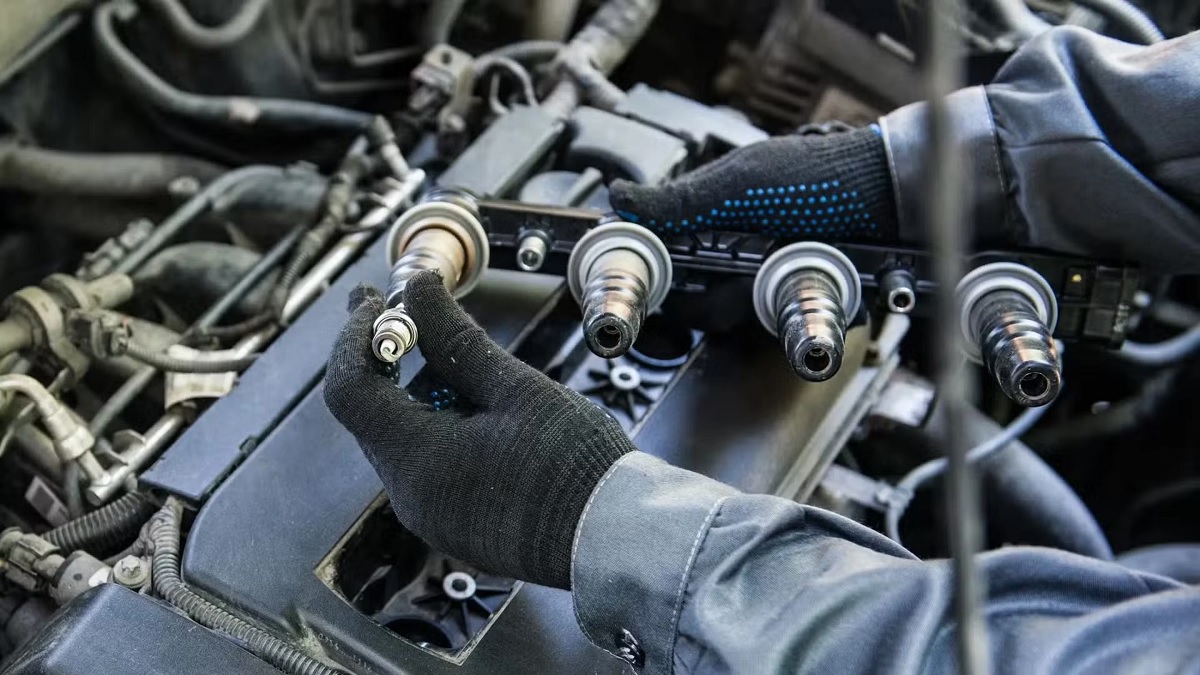
One of the most frequent causes of engine shakes during acceleration is worn or faulty spark plugs. Spark plugs ignite the air-fuel mixture in the combustion chamber, and when they fail, the engine misfires. Misfires create uneven power delivery, resulting in vibrations that you feel throughout the cabin, particularly when pressing the gas pedal.
The ignition system as a whole—including ignition coils and wires—also plays a vital role. If coils or wires are damaged, they may deliver inconsistent voltage to the spark plugs, causing similar misfiring issues. Over time, this can lead to rough acceleration, poor fuel efficiency, and engine hesitation.
Signs of ignition-related problems often include difficulty starting the engine, a noticeable drop in acceleration power, or a check engine light illuminating on the dashboard. Ignoring these symptoms can cause the misfire to worsen, potentially damaging the catalytic converter and other engine components. Regular inspection and replacement of spark plugs, coils, or ignition wires can restore smooth operation and eliminate shaking during acceleration.
Dirty Or Clogged Fuel Injectors
Fuel injectors are responsible for delivering precise amounts of fuel to the engine for combustion. When injectors become clogged or dirty, the air-fuel mixture may be uneven, causing rough idling and noticeable shaking during acceleration. A disrupted fuel flow can also create intermittent misfires that make the engine feel unstable under load.
Over time, carbon deposits, debris, or low-quality fuel can compromise injector performance. Dirty injectors may spray fuel inconsistently or fail to atomize it properly, leading to poor combustion efficiency. Drivers often notice that the engine vibrates more intensely when accelerating from a stop or climbing hills, where full power is required.
Symptoms may include reduced fuel efficiency, hesitation during acceleration, black smoke from the exhaust, or an illuminated check engine light. Addressing clogged fuel injectors often involves professional cleaning or replacement to restore proper fuel delivery. Maintaining clean fuel injectors ensures smoother acceleration, reduces engine shaking, and prolongs the life of related components such as spark plugs and the catalytic converter.
Worn Engine Mounts
Engine mounts secure the engine to the vehicle’s frame and absorb vibrations created during combustion. When these mounts become worn or damaged, they lose their ability to dampen engine movement, causing noticeable shaking during acceleration. The vibrations often feel like they originate from under the hood, transmitting through the floor and steering wheel.
Worn mounts may result from age, excessive engine torque, or prolonged exposure to heat and engine fluids. Drivers often notice that the shaking is more pronounced during hard acceleration, when the engine produces greater power and movement. Loud clunking or banging noises may accompany the vibrations if the engine shifts excessively.
Ignoring damaged engine mounts can lead to stress on other components, such as the exhaust system, radiator hoses, and drivetrain. Over time, excessive engine movement may cause misalignment, damage to connected parts, and further acceleration issues. Replacing worn engine mounts restores stability, reduces vibrations, and protects other components from premature wear.
Problems With Air Intake Or Vacuum Leaks
The engine relies on a precise balance of air and fuel for smooth operation. Vacuum leaks or issues with the air intake system disrupt this balance, leading to rough acceleration and engine shaking. Air leaks may occur in hoses, gaskets, or throttle bodies, allowing unmetered air into the combustion chamber.
When the engine receives too much or too little air, combustion becomes inconsistent, creating vibrations during acceleration. Drivers may also notice a higher idle, engine hesitation, or poor throttle response. Leaks often worsen gradually, making it easy to underestimate the underlying problem until shaking becomes pronounced under load.
Detecting vacuum leaks involves visual inspection, listening for hissing sounds, or using diagnostic tools like a smoke machine to locate leaks. Repairing damaged hoses, gaskets, or intake components restores proper air-fuel balance, reducing engine shaking and improving fuel efficiency. Regular maintenance of the air intake system prevents recurring issues and ensures consistent acceleration performance.
Transmission Or Drivetrain Issues
In some cases, engine shakes when accelerating may originate from the transmission or drivetrain rather than the engine itself. Worn CV joints, driveshafts, or torque converters can transmit vibrations through the vehicle during acceleration. Similarly, low transmission fluid or worn gears may cause uneven power delivery that feels like engine shaking.
Drivers often notice that shaking intensifies with speed or when applying heavier acceleration. Vibrations may also be accompanied by clunking noises, delayed power transfer, or a rough gear shift. Ignoring drivetrain issues can worsen wear on transmission components, axles, and differential gears.
Diagnosing and repairing transmission or drivetrain problems often requires professional inspection. Solutions may include replacing worn CV joints, driveshafts, or transmission components, as well as topping off or flushing fluids. Addressing these issues restores smooth acceleration, eliminates vibrations, and ensures safe and reliable vehicle performance.
How To Diagnose Engine Shakes When Accelerating
Experiencing engine shakes when accelerating can stem from various underlying issues, ranging from ignition problems to drivetrain or suspension concerns. Proper diagnosis requires careful observation, inspection, and testing to pinpoint the root cause. Understanding how to evaluate symptoms, monitor engine behavior, and inspect critical components ensures accurate identification and prevents unnecessary repairs.
Observe Symptoms And Driving Conditions
The first step in diagnosing engine shakes is to carefully observe when and how the vibrations occur. Pay attention to whether the shakes happen only during acceleration, at specific speeds, or when the engine is cold versus warm. Noticing these patterns helps narrow down possible causes.
Vibrations that occur only under heavy acceleration may indicate fuel delivery or ignition issues, while shaking at low speeds could point toward engine mounts or drivetrain components. Additionally, consider whether the shaking is accompanied by engine misfires, unusual noises, or changes in throttle response. These clues often correlate with the type of problem affecting performance.
Documenting these observations during daily driving makes it easier to explain the symptoms to a mechanic or compare them with known issues. A thorough record helps identify whether the problem is intermittent or consistent, which is crucial for effective troubleshooting.
Inspect Spark Plugs And Ignition Components
Faulty spark plugs or ignition system issues are among the most common causes of engine shakes during acceleration. Begin by inspecting the spark plugs for wear, carbon buildup, or improper gaps. Damaged plugs can fail to ignite the air-fuel mixture consistently, causing misfires that result in vibrations.
Ignition coils and wires also need examination. Broken or weak coils can lead to uneven voltage delivery, reducing combustion efficiency and causing engine shaking. Signs of ignition-related problems include rough acceleration, decreased fuel efficiency, or a check engine light.
A simple method to test for ignition problems is to remove each spark plug and inspect its condition. Replacing worn plugs and faulty coils often resolves shaking and restores smooth acceleration. Ignition system maintenance is a cost-effective first step in diagnosis and can prevent further engine damage.
Check Fuel System And Air Intake
Fuel delivery problems, such as clogged injectors or a weak fuel pump, can disrupt combustion and cause engine shakes. Begin by inspecting fuel injectors for buildup or leaks. Dirty injectors may deliver inconsistent fuel, leading to misfires and vibrations during acceleration.
Examine the fuel filter and pump as well. A partially blocked filter reduces fuel pressure, while a failing pump can create intermittent fuel delivery, both of which can produce shaking under load. Symptoms may include hesitation, rough idling, or stalling during acceleration.
Air intake and vacuum leaks also affect combustion balance. Inspect hoses, gaskets, and throttle bodies for cracks, loose connections, or leaks. Unmetered air entering the system disrupts the air-fuel ratio, creating uneven engine operation and noticeable vibration. Cleaning or replacing damaged components restores proper fuel delivery and smooth engine function.
Examine Engine Mounts And Drivetrain
Worn or damaged engine mounts can transmit engine vibrations directly to the vehicle frame, making acceleration feel rough. Inspect mounts for cracks, looseness, or signs of excessive wear. Shaking during acceleration is often most noticeable when engine mounts fail to dampen movement.
The drivetrain, including CV joints, driveshafts, and transmission components, should also be inspected. Worn CV joints or driveshaft issues can mimic engine vibrations, especially during acceleration or at higher speeds. Signs include clunking noises, uneven power transfer, or vibrations that change with engine load.
Diagnosing these issues may require professional inspection and test drives. Addressing worn mounts or drivetrain components ensures that engine power is transmitted smoothly, reducing vibrations and preventing further damage to connected systems.
Monitor Engine Performance With Diagnostic Tools
Using an OBD-II scanner or other diagnostic tools can help identify underlying causes of engine shakes. Error codes related to misfires, fuel pressure, or sensor failures provide direct insight into which system may be malfunctioning.
Monitoring live data such as fuel trim, ignition timing, and engine RPM helps detect inconsistencies that contribute to shaking. This approach allows more precise identification of whether the issue originates from ignition, fuel, or engine control systems.
Regular monitoring combined with visual inspections ensures a thorough understanding of engine health. This diagnostic approach helps pinpoint the exact cause of vibrations and guides the correct repairs, preventing unnecessary part replacements and restoring smooth acceleration performance.
Warning Signs
Recognizing warning signs that your engine shakes when accelerating is essential for preventing serious damage and maintaining safe driving conditions. These indicators often appear before complete failure occurs and can help you act quickly. Paying attention to unusual vibrations, noises, or performance changes allows you to identify issues early and address them before they escalate into costly repairs or unsafe driving situations.
Unusual Vibrations During Acceleration
One of the most obvious warning signs is noticeable vibrations through the steering wheel, seat, or floorboard during acceleration. These shakes may vary in intensity depending on engine load, speed, or throttle position. Persistent vibrations often indicate misfires, worn engine mounts, or issues with the drivetrain.
You may notice the vibrations intensify when accelerating from a stop or climbing hills, signaling that the engine is struggling to deliver smooth power. Over time, these shakes can become more pronounced and frequent, spreading to other parts of the vehicle and affecting driving comfort.
Even minor vibrations should not be ignored, as they often precede more severe problems. Monitoring the patterns and intensity of these shakes provides valuable information for diagnosing the underlying issue and deciding whether immediate inspection or repair is necessary.
Check Engine Light Or Dashboard Alerts
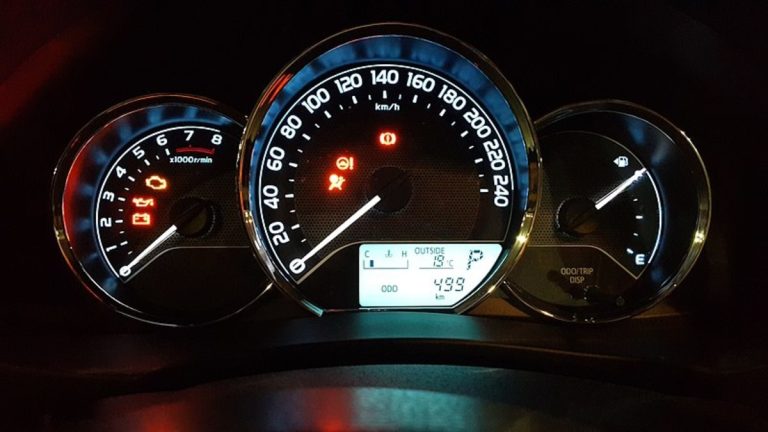
Another key warning sign is the illumination of the check engine light or other dashboard alerts. Modern vehicles are equipped with sensors that detect misfires, fuel delivery problems, or emission-related issues, which often trigger the check engine light.
Accompanying the light, you may notice poor acceleration, hesitation, or rough idling. Ignoring these alerts can allow minor problems to worsen, potentially damaging the catalytic converter or other engine components. Using an OBD-II scanner to read diagnostic codes helps pinpoint the source of engine shaking.
Pay attention to recurring alerts even after temporary fixes or fuel system treatments. Persistent or repeated warnings suggest a deeper mechanical or electrical issue that requires professional diagnosis to prevent further shaking and potential engine damage.
Strange Noises Or Engine Sounds
Unusual noises from the engine are a clear warning sign that something is affecting its operation. Grinding, knocking, or rattling sounds during acceleration may indicate worn internal components, ignition misfires, or issues with fuel combustion.
These sounds often accompany engine vibrations and may grow louder or more frequent over time. Listening carefully to how and when noises occur can help determine whether the problem originates from the ignition system, fuel injectors, engine mounts, or the drivetrain.
Promptly investigating unusual engine sounds prevents minor issues from escalating. Left unaddressed, abnormal noises can damage critical components, reduce fuel efficiency, and compromise overall engine performance. Regular inspection and attention to auditory warning signs are key to maintaining smooth and reliable acceleration.
Reduced Engine Performance And Hesitation
A noticeable drop in engine performance is another warning sign associated with shaking during acceleration. Hesitation, slow response to throttle input, or uneven power delivery often accompany engine vibrations and signal that combustion is not occurring efficiently.
Causes may include clogged fuel injectors, ignition issues, or vacuum leaks. Drivers may also experience difficulty maintaining speed or smooth acceleration, particularly when merging onto highways or climbing inclines. Over time, these symptoms can worsen, leading to further engine stress and component wear.
Paying attention to reduced performance allows for timely diagnosis. Addressing these issues early helps restore engine efficiency, eliminates shaking, and ensures the vehicle operates safely and reliably under normal driving conditions.
Effective Fixes For Engine Shakes When Accelerating
Addressing engine shakes when accelerating requires a combination of proper diagnosis and targeted repairs. Effective fixes focus on restoring smooth engine operation, eliminating vibrations, and preventing further damage. By tackling the underlying causes, whether in the ignition, fuel system, engine mounts, or drivetrain, drivers can regain reliable acceleration, improve performance, and ensure safer driving conditions.
Replace Faulty Spark Plugs And Ignition Components
Worn or damaged spark plugs are a leading cause of engine shakes during acceleration. Replacing old spark plugs restores consistent ignition and ensures smooth combustion. High-mileage plugs may develop carbon buildup, eroded electrodes, or improper gaps, all of which contribute to misfires that cause noticeable vibrations.
Ignition coils and wires should also be inspected and replaced if faulty. Broken coils or damaged wires can prevent the spark plugs from firing correctly, producing uneven power delivery and rough acceleration. Symptoms often include poor fuel efficiency, hesitation, or the check engine light illuminating.
Replacing spark plugs and ignition components is typically straightforward and cost-effective. Using the manufacturer-recommended plug type and properly gapped plugs ensures optimal performance. Once these components are renewed, engine vibrations often decrease significantly, and acceleration becomes smoother and more responsive. Regular inspection and maintenance of the ignition system can prevent shakes from recurring.
Clean Or Replace Fuel Injectors And Filters
Clogged or dirty fuel injectors disrupt the air-fuel mixture and can cause the engine to shake under load. Cleaning injectors using professional-grade solutions or replacing them if heavily worn restores proper fuel delivery, ensuring consistent combustion and smooth acceleration.
The fuel filter should also be checked and replaced if necessary. A partially blocked filter reduces fuel flow, causing hesitation and uneven engine performance. Symptoms include vibration during acceleration, rough idling, and reduced throttle response. Proper fuel system maintenance prevents these issues from escalating into more serious problems.
Maintaining clean injectors and fuel delivery components ensures the engine receives the correct fuel volume at all times. This reduces misfires, restores engine efficiency, and eliminates shaking. Regular use of quality fuel and periodic injector cleaning can further prolong the performance of the fuel system.
Replace Worn Engine Mounts
Engine mounts are essential for minimizing vibrations transmitted to the vehicle frame. Worn or damaged mounts allow the engine to move excessively, resulting in noticeable shaking, especially during acceleration. Replacing these mounts restores stability and dampens vibrations effectively.
Symptoms of worn mounts include engine movement under hard acceleration, clunking noises, or increased vibration in the cabin. Over time, failing mounts can stress other engine components, including hoses, wiring, and the exhaust system, leading to additional problems.
Replacing engine mounts involves removing old, deteriorated mounts and installing new ones with proper torque specifications. Once installed, the engine remains securely positioned, reducing vibrations and providing smoother acceleration. Routine inspection of mounts can prevent recurring issues and improve driving comfort.
Address Air Intake, Vacuum Leaks, And Throttle Issues
Engine shakes can also result from improper air-fuel mixture caused by vacuum leaks or clogged air intake components. Inspecting hoses, gaskets, and throttle bodies for cracks or leaks ensures the correct air supply for combustion, reducing uneven engine operation.
Vacuum leaks allow unmetered air into the engine, causing misfires, hesitation, and shaking under acceleration. Cleaning or replacing faulty intake components restores consistent airflow and proper combustion balance. Regular maintenance of the air intake system prevents buildup of debris or carbon that can disrupt performance.
Throttle bodies and sensors should also be checked. Dirty or malfunctioning throttle components can restrict airflow, leading to hesitation and engine vibration. Proper cleaning and calibration of these parts often restores smooth power delivery and eliminates noticeable shaking during acceleration.
Repair Or Replace Drivetrain Components
In some cases, engine shaking originates from drivetrain issues, including worn CV joints, driveshafts, or transmission components. These parts transmit engine power to the wheels, and faults can mimic engine vibrations during acceleration.
Symptoms include clunking noises, uneven power transfer, and vibration that intensifies under load. Ignoring drivetrain issues can lead to further wear, damage to transmission components, or unsafe driving conditions. Professional inspection and repair are often required for accurate resolution.
Replacing worn CV joints, driveshafts, or addressing transmission issues restores smooth power delivery. Ensuring proper lubrication and alignment after repairs eliminates vibrations and improves acceleration performance. Timely drivetrain maintenance protects other vehicle components from stress and prolongs overall vehicle reliability.
Risks Of Ignoring Engine Shakes When Accelerating
Engine shakes when accelerating are not just a minor annoyance—they often indicate underlying mechanical problems that worsen over time. Ignoring these vibrations can lead to serious safety hazards, decreased engine performance, and costly repairs. Understanding the risks associated with neglecting engine shakes helps emphasize why timely diagnosis and repair are essential for vehicle longevity and driver safety.
Increased Risk Of Engine Damage
Continuing to drive a vehicle that shakes during acceleration puts significant stress on the engine. Misfires, poor combustion, or uneven power delivery cause components like pistons, cylinders, and spark plugs to work harder than normal. Over time, this strain can accelerate wear, potentially leading to severe engine damage.
Vibrations also increase heat and friction inside the engine, which may damage critical parts such as the catalytic converter or exhaust valves. Left unaddressed, small ignition or fuel delivery problems can escalate, creating a chain reaction of failures that compromise overall engine reliability.
Engine damage from prolonged shaking can be expensive to repair. Replacing major components or even the engine itself becomes necessary if preventive action is delayed. Addressing the issue early reduces the likelihood of catastrophic engine failure and maintains smooth, safe operation.
Poor Fuel Efficiency And Performance
Ignoring engine shakes often leads to reduced fuel efficiency. Misfires, clogged fuel injectors, or improper air-fuel mixture force the engine to burn more fuel to maintain performance, resulting in higher consumption. Drivers may notice acceleration feels sluggish or uneven, particularly under load or during highway merging.
Vibrations can also reduce overall engine output and throttle response. Hesitation during acceleration or difficulty maintaining speed increases stress on other vehicle systems, such as the transmission or drivetrain. This cumulative strain can amplify vibrations and worsen performance issues over time.
Fuel inefficiency combined with reduced power can make driving less predictable and more frustrating. Addressing the root cause of engine shakes restores proper fuel combustion, smooth power delivery, and optimal engine performance, preventing wasted fuel and preserving vehicle reliability.
Safety Hazards While Driving
Engine shakes can pose significant safety risks, especially during critical driving situations. Vibrations may affect vehicle control, making it harder to accelerate smoothly or maintain stability, particularly when merging, overtaking, or navigating inclines.
In severe cases, underlying causes such as misfires, ignition failure, or worn drivetrain components can result in sudden loss of power. A vehicle that hesitates or vibrates unpredictably increases the likelihood of accidents, particularly in traffic or on highways where quick acceleration is required.
Additionally, shaking may distract the driver, reducing focus and reaction time. Combined with other compromised systems, such as suspension or transmission, the risk of losing control grows. Addressing engine shakes promptly helps maintain safe acceleration, stability, and overall vehicle control.
Escalating Repair Costs
Delaying repairs when engine shakes occur often results in higher repair costs. Early-stage issues, such as worn spark plugs or dirty fuel injectors, are relatively inexpensive to fix. Ignoring them allows damage to spread to the catalytic converter, transmission, or engine mounts, requiring more extensive repairs.
Prolonged misfires or vibrations can also shorten the lifespan of associated components, creating a domino effect of mechanical wear. Replacing multiple components at once is far more costly than addressing a single failing part early.
Regular maintenance and timely repairs prevent minor issues from escalating. Addressing engine shakes when they first appear not only restores smooth acceleration but also minimizes long-term expenses, protects vehicle components, and maintains reliability.
Reduced Vehicle Longevity
Ongoing engine shaking accelerates wear across multiple systems, including the engine, drivetrain, and mounts. Continuous vibrations create uneven stress, leading to premature failure of critical components. Over time, this reduces the vehicle’s overall lifespan and long-term value.
Unaddressed shaking also contributes to secondary issues, such as misalignment, uneven tire wear, and compromised suspension components. These factors further affect performance, handling, and safety. Proactive repairs extend the life of the engine and connected systems, ensuring the vehicle remains dependable for years to come.
Timely attention to engine shakes not only resolves immediate performance concerns but also safeguards long-term reliability. Regular inspection, maintenance, and repair help prevent cascading damage and maintain the overall health of the vehicle.
FAQs
What Causes Engine Shakes When Accelerating?
Engine shakes when accelerating usually occur due to misfires, worn components, or imbalance in the drivetrain. Common causes include faulty spark plugs, failing ignition coils, dirty fuel injectors, vacuum leaks, or damaged engine mounts.
You may also notice vibration caused by unbalanced tires or transmission problems that worsen under load. Identifying the root cause early is crucial because continued shaking can stress the engine and drivetrain. A systematic inspection of ignition, fuel, and engine support components helps pinpoint the exact issue and prevent further damage.
Can Worn Spark Plugs Make The Engine Shake When Accelerating?
Yes, worn or faulty spark plugs are a common reason for engine shakes during acceleration. Spark plugs ignite the fuel-air mixture, and when they fail, misfires occur, causing uneven engine operation.
This misfiring produces vibrations that you can feel in the steering wheel or chassis. Replacing spark plugs according to your vehicle’s maintenance schedule usually resolves this issue. Ignoring faulty plugs can reduce fuel efficiency, increase emissions, and potentially damage the catalytic converter over time.
How Do Engine Mounts Affect Shaking During Acceleration?
Damaged or worn engine mounts can cause noticeable shaking when accelerating. Engine mounts secure the engine to the chassis and absorb vibrations.
When mounts deteriorate, the engine moves excessively during acceleration, creating a vibration that feels like the entire car is shaking. You may also notice clunking noises or a shift in engine position. Replacing worn mounts restores stability and smooth operation while protecting other engine and drivetrain components from additional stress.
Can Fuel System Issues Cause Engine Shakes When Accelerating?
Yes, clogged or dirty fuel injectors can lead to engine shakes under acceleration. Fuel injectors spray precise amounts of fuel into the combustion chamber, and blockages disrupt this process.
When fuel delivery is inconsistent, the engine misfires and vibrates under load. Additionally, a failing fuel pump or dirty fuel filter can worsen the problem. Regular fuel system cleaning or injector replacement ensures consistent fuel flow, improving engine performance and eliminating acceleration-related shaking.
Does Tire Or Wheel Imbalance Contribute To Engine Shakes When Accelerating?
Tire or wheel imbalance can create vibrations that feel like engine shakes, particularly at higher speeds or during acceleration. Unbalanced tires cause uneven rotation, transmitting vibration through the suspension and chassis.
You may notice the shaking intensifies as speed increases. Wheel alignment and balancing help resolve these vibrations and improve overall drivability. Ignoring the issue can lead to uneven tire wear, suspension strain, and a misleading assumption that the problem originates from the engine itself.
When Should You See A Mechanic For Engine Shakes When Accelerating?
You should consult a mechanic if engine shaking persists, worsens under load, or is accompanied by warning lights, loss of power, or unusual noises. These signs suggest a serious underlying issue requiring professional diagnostics.
Attempting to drive without inspection can lead to engine or transmission damage, higher repair costs, or unsafe handling. A mechanic can perform a complete check of ignition, fuel, engine mounts, and drivetrain components to pinpoint the cause and recommend proper repairs. Early intervention ensures safe and smooth acceleration.
Conclusion
Experiencing engine shakes when accelerating is a clear signal that something in your vehicle requires attention. These vibrations can stem from ignition issues, fuel delivery problems, worn engine mounts, or drivetrain concerns. Recognizing the signs early allows you to address the root cause before it escalates into more serious mechanical damage or safety risks.
Timely diagnosis and repairs restore smooth acceleration, improve fuel efficiency, and enhance overall engine performance. Simple fixes such as replacing spark plugs, cleaning fuel injectors, or repairing worn mounts can eliminate vibrations and prevent further wear. Professional inspection may be necessary for more complex issues like drivetrain or transmission problems.
Ignoring engine shakes when accelerating can lead to costly repairs, decreased reliability, and unsafe driving conditions. Acting promptly protects the longevity of your vehicle, ensures safer handling, and keeps your driving experience comfortable and predictable. Regular maintenance and attention to early warning signs are essential for preventing engine-related complications.