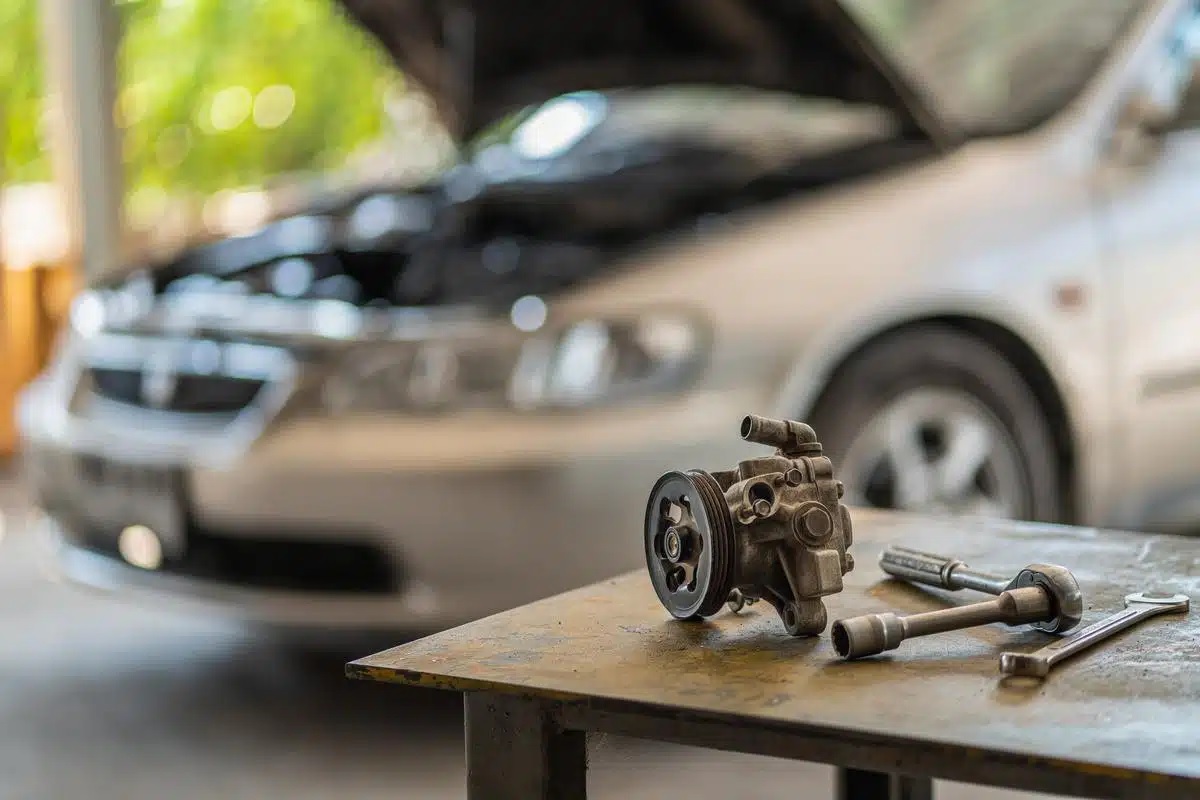
When Power Steering Pump Goes Out: Symptoms, Causes, and Solutions
Experiencing difficulty while steering can be alarming, especially when the steering wheel suddenly feels heavy or unresponsive. These issues often point to problems within the power steering system, a critical component that ensures smooth and effortless control of your vehicle. Recognizing the warning signs early can prevent further damage and keep you safe on the road.
When the power steering pump begins to fail, it can affect the overall performance of your vehicle, making turns more difficult and increasing the effort needed to maneuver. The pump is responsible for circulating hydraulic fluid that assists in steering, and any malfunction can compromise this assistance.
Understanding how the power steering system works and what symptoms indicate a failing pump helps you take timely action. Common signs include whining noises, fluid leaks, or inconsistent steering response. Being aware of these indicators allows you to address problems promptly, prevent costly repairs, and maintain safe, controlled driving under all conditions.
Common Signs When Power Steering Pump Goes Out
A failing power steering pump can affect vehicle control and safety, so recognizing early warning signs is essential. Knowing what to look for helps you identify problems before they lead to complete steering failure. From unusual noises to fluid leaks, these indicators signal that the power steering pump requires attention.
Whining or Squealing Noises
One of the first signs of a failing power steering pump is unusual whining or squealing noises when turning the wheel. These sounds often occur because the pump struggles to circulate power steering fluid effectively. Low fluid levels, worn components, or internal pump damage can amplify these noises.
Typically, the whining becomes more noticeable during slow-speed maneuvers, such as parking, where the pump experiences higher pressure. Over time, ignoring these noises can lead to total pump failure, making steering increasingly difficult. Regularly checking fluid levels and listening for abnormal sounds helps you detect early problems.
Addressing whining promptly prevents further damage to the pump and other steering components. It also ensures safer vehicle operation by maintaining smooth steering performance.
Stiff or Hard-to-Turn Steering
A power steering pump that is failing often causes the steering wheel to feel stiff or harder to turn. This happens because the pump is unable to provide sufficient hydraulic pressure to assist with steering. Drivers may notice increased effort required to make turns, especially at low speeds.
Difficulty in steering can compromise control during tight turns or emergency maneuvers, creating potential safety risks. Consistent stiffness indicates that the pump or fluid system may be deteriorating. Checking fluid levels, inspecting for leaks, and evaluating the condition of hoses can help determine whether the pump is the source of the problem.
Timely intervention restores steering ease and reduces stress on the driver. Maintaining proper fluid levels and addressing worn components prolongs pump life and ensures consistent vehicle control.
Fluid Leaks or Low Power Steering Fluid
Leaking power steering fluid is a clear sign of potential pump failure. Leaks may occur from the pump itself, hoses, or connections. Low fluid reduces hydraulic assistance, leading to stiff steering and increased wear on the pump.
Inspecting under the vehicle for puddles or drips and checking the reservoir regularly helps detect leaks early. Fluid color can also indicate pump health; contaminated or dark fluid may signal internal pump wear. Maintaining proper fluid levels ensures the system functions correctly and prevents further damage.
Promptly addressing leaks not only restores steering performance but also prevents expensive repairs. It also keeps hydraulic components lubricated and reduces the risk of complete pump failure.
Groaning or Whirring Noises During Acceleration
A failing pump can produce groaning or whirring sounds, particularly when accelerating or turning. These noises often indicate internal wear, low fluid levels, or air trapped in the system. Persistent groaning suggests that the pump is under strain and struggling to maintain pressure.
Ignoring these noises can accelerate wear on the pump and associated steering components, leading to a sudden loss of hydraulic assistance. Professional inspection may reveal worn bearings, damaged vanes, or fluid contamination. Early diagnosis and repair prevent total pump failure.
Listening for groaning or whirring sounds and addressing them promptly ensures smooth steering and protects the pump from irreversible damage.
Intermittent Steering Assistance
A failing power steering pump can sometimes cause intermittent steering assistance, where the wheel alternates between smooth and heavy resistance. This may occur due to internal pump wear, low fluid, or a failing pressure regulator. Drivers may notice inconsistent steering feel, particularly when maneuvering at low speeds or turning sharply.
Intermittent assistance indicates that the pump is no longer providing reliable hydraulic support. Continuing to drive under these conditions can compromise vehicle safety and increase stress on other steering components.
Checking the pump, fluid, and related hoses ensures that intermittent issues are properly diagnosed and resolved. Addressing inconsistent steering early helps maintain predictable handling and reduces the likelihood of a sudden loss of power assistance on the road.
Diagnosing a Failing Power Steering Pump
A failing power steering pump can compromise vehicle safety and driving comfort, making timely diagnosis essential. Recognizing the signs early and understanding how to evaluate the pump’s condition allows you to prevent further damage and plan for repairs. Diagnosis involves inspecting fluid, listening for unusual noises, and testing mechanical performance.
Listen for Unusual Noises
One of the most noticeable signs of a failing power steering pump is unusual noises while turning the wheel. Whining, squealing, or groaning sounds often indicate that the pump is struggling to circulate hydraulic fluid properly. These noises are typically louder during low-speed maneuvers, such as parking or tight turns, where hydraulic pressure is higher.
Noise may result from low fluid levels, air trapped in the system, worn internal components, or fluid contamination. Performing a careful listening test while the engine is running helps you isolate the source. Identifying noise early allows you to check the pump and fluid before damage becomes severe, preventing sudden loss of power assistance.
Being attentive to unusual sounds ensures timely intervention and protects the pump from complete failure.
Inspect Power Steering Fluid
Checking the power steering fluid is a critical step in diagnosing pump issues. Low fluid levels reduce hydraulic pressure, making steering harder and causing excessive pump wear. Dark, contaminated, or burnt-smelling fluid often indicates internal pump damage or system overheating.
Inspect the reservoir for leaks, fluid level, and fluid condition. Contaminants or metallic particles in the fluid suggest wear or damage within the pump. Air bubbles in the fluid can also signal leaks or loose connections, causing inconsistent steering response.
Maintaining proper fluid levels and cleanliness helps the pump operate efficiently and prevents further mechanical damage. Regular fluid inspections are key to early detection of potential pump failure.
Evaluate Steering Performance
A failing power steering pump often causes noticeable changes in steering performance. Difficulty turning the wheel, stiff resistance, or inconsistent assistance are indicators that the pump may be losing hydraulic pressure.
Performing a slow test drive helps you assess the steering feel. Pay attention to how the wheel responds during low-speed maneuvers, turns, or while maintaining a steady path. Intermittent assistance, sudden stiffness, or jerky steering may indicate internal pump wear or blockage in the hydraulic system.
Observing these performance changes alongside fluid condition and noises provides a comprehensive picture of pump health. Evaluating steering responsiveness ensures you catch problems before a total failure occurs.
Check for Fluid Leaks and Belt Condition
Fluid leaks and belt issues are common contributors to pump failure. Inspect hoses, connections, and seals for signs of leaking fluid, which can reduce hydraulic pressure and lead to pump strain. Leaks also increase the risk of air entering the system, causing inconsistent steering.
The drive belt should be checked for wear, cracks, or looseness. A worn or improperly tensioned belt reduces pump efficiency, forcing the pump to work harder and accelerating failure. Replacing belts and repairing leaks promptly maintains consistent hydraulic function and protects the pump.
Monitoring leaks and belt condition is essential for accurate diagnosis and ensures the pump operates efficiently over time.
Use Diagnostic Tools and Professional Inspection
Modern vehicles may require diagnostic tools to identify subtle pump or system issues. An OBD-II scanner can reveal error codes related to hydraulic or steering system performance. Pressure gauges can test hydraulic output to confirm the pump’s efficiency.
For persistent issues, professional inspection is recommended. Mechanics can disassemble the pump, evaluate internal wear, and test system pressure accurately. Combining hands-on evaluation with diagnostic tools provides a thorough assessment of the pump’s health and identifies problems that may not be immediately visible.
Proper diagnosis ensures that repairs or replacements are precise, restoring reliable steering performance and preventing further damage to the vehicle’s power steering system.
Solutions and Repairs
Addressing a failing power steering pump promptly ensures safe driving and prevents further damage to the steering system. Solutions range from simple maintenance like fluid replacement to complete pump repair or replacement. Understanding each repair option helps you choose the best approach for restoring proper steering function.
Replacing or Refilling Power Steering Fluid
One of the simplest and most common solutions involves replacing or refilling power steering fluid. Low or contaminated fluid can lead to whining noises, stiff steering, or pump wear. Start by checking the fluid level and condition, and top off with the manufacturer-recommended type of hydraulic fluid.
If the fluid appears dark, burnt, or contains particles, a complete flush of the system may be necessary. This process removes contaminants and restores proper lubrication. Regularly maintaining fluid levels and ensuring cleanliness prolongs pump life and improves steering performance.
Performing routine fluid checks and changes is a cost-effective first step before more intensive repairs. Proper fluid maintenance reduces strain on the pump and prevents premature failure.
Replacing Worn or Damaged Pump Components
When internal wear or mechanical damage is the cause, repairing or replacing components may restore pump function. Bearings, vanes, seals, or shafts can wear over time, reducing efficiency and causing noise or intermittent steering assistance.
Professional repair involves disassembling the pump, inspecting each component, and replacing worn or damaged parts. In some cases, rebuilding the pump is more cost-effective than replacing it entirely. Addressing internal wear ensures consistent hydraulic pressure and extends the life of the steering system.
Regular inspection and early replacement of worn components prevent complete pump failure and maintain smooth steering performance. Timely repairs protect connected parts, such as hoses and belts, from additional stress.
Replacing the Power Steering Pump
In cases of severe damage, replacing the entire power steering pump is often the most effective solution. A new pump restores proper hydraulic pressure, eliminating whining noises, stiff steering, and inconsistent assistance.
Replacement involves removing the old pump, installing a new unit, and properly bleeding the hydraulic system to remove air. Ensuring the correct alignment of the drive belt and tension prevents additional strain on the pump. Following the manufacturer’s specifications guarantees reliable performance and longevity.
Installing a new pump addresses both current issues and prevents future breakdowns, restoring smooth and responsive steering. Regular maintenance afterward maximizes the lifespan of the replacement unit.
Fixing Leaks and Replacing Belts
Leaking fluid and worn belts often contribute to pump problems. Inspect hoses, seals, and connections for leaks and replace or tighten them as needed. A secure hydraulic system ensures consistent fluid pressure and reduces pump strain.
Check the drive belt for cracks, wear, or looseness, and replace it if necessary. Proper belt tension ensures the pump operates efficiently and prevents excessive load. Addressing leaks and belt issues not only improves current performance but also prevents recurring problems and protects the new or repaired pump from early failure.
Routine inspection and repair of these supporting components keep the steering system functioning optimally and extend the overall life of the pump.
Professional Diagnostic and Repair Services
For persistent or complex issues, seeking professional repair services is highly recommended. Mechanics can perform thorough diagnostic tests, inspect internal pump components, measure hydraulic pressure, and verify proper system function.
Professional services ensure accurate repair, whether it’s a rebuild, component replacement, or full pump replacement. Certified technicians also perform proper system bleeding, fluid refills, and belt alignment. Using professional services reduces the risk of recurring issues and restores reliable, safe steering performance.
Relying on experts guarantees that repairs are precise and that the power steering system operates as intended, providing smooth and controlled handling under all driving conditions.
Frequently Asked Questions
What Are the Common Signs When a Power Steering Pump Goes Out?
You may notice whining, squealing, or groaning noises when turning the wheel, which often indicate that the pump is struggling to circulate fluid. Steering may also feel stiff or heavy, especially during low-speed maneuvers like parking. Fluid leaks around hoses or the pump reservoir are another sign, along with intermittent steering assistance or unusual vibrations in the wheel.
Recognizing these symptoms early allows you to address issues before total pump failure occurs. Timely attention prevents further damage to connected components and maintains safe, responsive steering performance.
Can I Continue Driving If My Power Steering Pump Fails?
Driving with a failing power steering pump is risky. Without proper hydraulic assistance, steering becomes heavier and more difficult, which can compromise your control during turns or emergency maneuvers. Prolonged driving under these conditions may also damage other components like the steering rack, hoses, or belts.
While it might be possible to move short distances slowly, you should avoid highway driving or tight turns. Addressing the pump problem promptly ensures your safety and prevents additional costly repairs.
How Does Low Power Steering Fluid Affect Pump Function?
Low or contaminated power steering fluid reduces hydraulic pressure, making it harder for the pump to assist with steering. Without adequate fluid, the pump experiences excessive friction and wear, which may lead to whining noises, stiff steering, or complete failure.
Regularly checking fluid levels, topping off with the manufacturer-recommended type, and flushing the system if contaminated ensures proper pump function. Maintaining clean, adequate fluid prevents damage and prolongs the pump’s lifespan.
What Causes a Power Steering Pump to Fail?
Power steering pumps can fail due to several reasons, including low or dirty fluid, internal component wear, overheating, or contamination from debris. Worn bearings, seals, or vanes inside the pump reduce efficiency, while fluid leaks and damaged belts can increase strain.
Driving habits such as frequent sharp turns, towing, or prolonged heavy load conditions also accelerate wear. Identifying the underlying cause is essential for proper repair and long-term reliability. Routine maintenance and fluid inspections reduce the risk of sudden pump failure.
How Can I Test If the Power Steering Pump Is Failing?
You can test the pump by listening for unusual noises, checking for stiff steering, and inspecting fluid levels. Using a hydraulic pressure gauge allows you to measure pump output and identify reduced pressure. Air bubbles, metal particles, or discolored fluid also indicate internal wear or contamination.
Observing steering performance during slow turns and tight maneuvers helps confirm issues. Early testing ensures accurate diagnosis and allows you to take corrective measures before complete pump failure occurs, maintaining vehicle safety.
Is It Better to Repair or Replace a Failing Power Steering Pump?
Whether to repair or replace the pump depends on the extent of damage. Minor wear, leaks, or faulty components may be repaired or rebuilt, restoring efficiency at a lower cost. Severe internal damage, worn vanes, or total failure usually requires a full replacement for reliable operation.
Professional inspection helps determine the best solution. Proper repair or replacement ensures consistent hydraulic pressure, smooth steering, and long-term system reliability, preventing repeated failures or additional damage to the steering system.
How Can I Prevent Power Steering Pump Failure?
Regular maintenance is key to preventing pump failure. Check fluid levels, inspect hoses and seals for leaks, and flush contaminated fluid. Ensure the drive belt is properly tensioned and in good condition. Avoid prolonged heavy loads or aggressive driving that strains the pump.
Monitoring for early warning signs like whining noises, stiff steering, or fluid leaks allows you to address issues before they become serious. Following preventive care routines keeps the power steering system functioning reliably and prolongs the pump’s lifespan.
Final Words
Experiencing difficulty steering or unusual noises from your vehicle is often a clear sign that attention is needed in your steering system. Ignoring these symptoms can lead to more serious damage and compromise driving safety. Regular inspections and maintenance play a crucial role in preventing sudden failures and ensuring smooth, responsive steering.
Understanding the causes behind [When Power Steering Pump Goes Out] helps you address the problem effectively. Common reasons include worn pump components, contaminated or low fluid, belt issues, or excessive system pressure. Identifying the exact cause through proper diagnosis allows for targeted repairs, whether that means a fluid flush, belt adjustment, or complete pump replacement.
Proactive care is key to avoiding future issues. Maintaining clean fluid, checking belts, and practicing gentle steering habits can prolong the life of your pump. Addressing [When Power Steering Pump Goes Out] promptly ensures safer driving, preserves vehicle performance, and prevents costly repairs down the road.