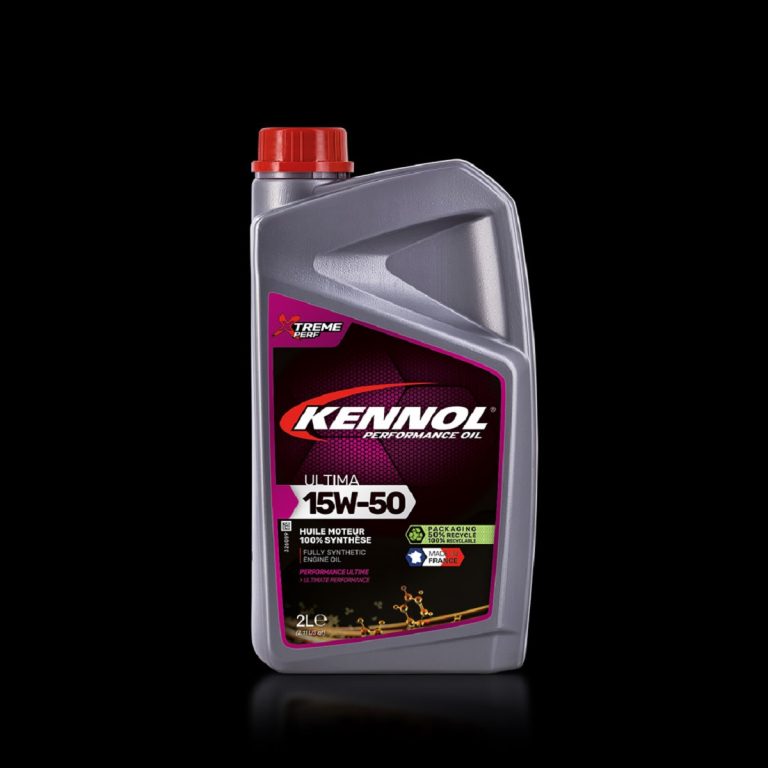
0W40 vs 5W30: Choosing the Right Engine Oil for Your Car
Choosing the right motor oil is essential for engine performance, efficiency, and longevity. With so many options available, understanding the differences between oil grades can seem complicated, yet it’s critical for maintaining your vehicle’s health. Engine oils vary in viscosity, temperature tolerance, and additives, all of which affect how your engine runs under different conditions.
Two common oil grades that often come up in discussions are 0w40 and 5w30. Each has specific characteristics that make it suitable for certain climates, driving habits, and engine types. The way these oils flow, protect engine components, and respond to temperature changes can have a noticeable impact on performance and wear.
Examining the differences between these two oils can help you make an informed choice. Comparing 0w40 vs 5w30 allows drivers to match the oil with their vehicle’s requirements, environmental conditions, and long-term maintenance goals.
Understanding the properties of these oils ensures your engine receives optimal protection and operates efficiently under various driving scenarios. Selecting the right oil contributes to smoother performance, reduced wear, and potentially lower fuel consumption.
Key Differences Between 0W40 and 5W30
Choosing the right motor oil impacts engine performance, protection, and efficiency. 0W40 and 5W30 are two commonly used oils with distinct properties that suit different driving conditions and engine types. Understanding their key differences in viscosity, temperature performance, fuel efficiency, and engine protection helps you make an informed choice for your vehicle. Comparing these oils ensures your engine runs smoothly and lasts longer.
Viscosity and Flow Characteristics
Viscosity is the primary difference between 0W40 and 5W30. The “0W” and “5W” ratings indicate how the oil behaves at cold temperatures, with lower numbers representing thinner oil that flows more easily. 0W40 flows more quickly in cold starts than 5W30, reducing engine wear during initial ignition in extremely low temperatures.
The second number, 40 for 0W40 and 30 for 5W30, represents the oil’s thickness at high operating temperatures. 0W40 remains slightly thicker under heat, providing extra lubrication for high-performance engines or vehicles operating in hot climates. In contrast, 5W30 offers slightly less high-temperature viscosity, improving fuel efficiency but providing less high-temperature protection.
Understanding viscosity ensures you select oil that matches both your engine’s requirements and the ambient temperatures you drive in. Cold weather benefits from lower “W” ratings, while high-performance engines may require thicker high-temperature protection.
Cold Start Performance
Cold start protection is a critical factor in choosing between 0W40 and 5W30. 0W40 offers superior low-temperature flow, which reduces friction and engine wear during startup in extremely cold climates. This makes it ideal for vehicles in regions that experience harsh winters or frequent sub-zero temperatures.
5W30 also performs well in cold conditions but is slightly thicker than 0W40 at extremely low temperatures. While it still provides adequate protection, it may take marginally longer to circulate throughout the engine during start-up, which could increase initial wear in severe cold.
Cold start performance affects engine longevity, fuel efficiency, and overall reliability. Selecting oil with proper low-temperature flow ensures your engine components receive immediate lubrication, preventing excessive wear and improving starting reliability. Vehicles operating in moderate climates may benefit from 5W30, while extreme cold favors 0W40.
High-Temperature Protection and Engine Stress
High-temperature performance is another critical distinction. 0W40 maintains a higher viscosity at engine operating temperatures, offering a thicker protective film on components such as pistons, bearings, and camshafts. This is particularly beneficial for high-performance or turbocharged engines that generate significant heat.
5W30 is slightly thinner at high temperatures, which improves fuel efficiency and reduces pumping resistance. However, engines operating under heavy loads, high speeds, or extreme heat may experience slightly less protection with 5W30 compared to 0W40. Ensuring the oil can handle peak temperatures without breaking down is key to preventing engine wear and maintaining reliability.
Drivers with high-performance vehicles, long highway drives, or hot climates may benefit from the extra high-temperature protection offered by 0W40. Standard vehicles or those in moderate climates may prioritize fuel efficiency and select 5W30.
Impact on Fuel Efficiency
Fuel efficiency is influenced by oil thickness, as thinner oils reduce internal engine friction and improve economy. 5W30’s slightly lower high-temperature viscosity means the engine pumps the oil more easily, which can result in marginally better fuel economy compared to 0W40.
0W40’s higher viscosity at operating temperatures provides better protection but may slightly increase fuel consumption due to higher friction in the engine. This trade-off is often acceptable for performance engines or vehicles that prioritize durability over marginal fuel savings.
Balancing fuel efficiency and engine protection depends on your driving style, climate, and vehicle specifications. Daily commuters in moderate climates may prefer 5W30, while high-performance or extreme-weather vehicles may find 0W40 more suitable.
Engine Longevity and Protection
Ultimately, engine longevity is influenced by both cold start performance and high-temperature protection. 0W40 offers a robust protective film at high temperatures and fast flow at low temperatures, reducing wear in extreme conditions. This makes it ideal for turbocharged, high-mileage, or performance engines.
5W30 provides adequate protection for most modern engines under normal driving conditions. It balances lubrication with fuel economy and works well in moderate climates. While it may offer slightly less high-temperature protection than 0W40, it is sufficient for standard vehicles with routine driving habits.
Understanding your engine’s demands, environmental conditions, and performance expectations helps determine which oil is more suitable. Selecting the correct oil ensures smoother operation, reduces wear, and supports engine longevity over time.
Vehicle Compatibility and Manufacturer Recommendations
Selecting the correct motor oil goes beyond personal preference; it must align with your vehicle’s specifications and manufacturer guidelines. Using oil that matches engine design, temperature ranges, and performance requirements ensures optimal operation and avoids potential damage. Vehicle compatibility and following manufacturer recommendations are critical to maintaining engine longevity, performance, and warranty coverage.
Understanding Manufacturer Specifications
Vehicle manufacturers provide precise oil specifications in the owner’s manual, including viscosity grade, performance standards, and recommended oil types. These recommendations are based on extensive engine testing to ensure components are protected under typical operating conditions. Following these guidelines is essential for optimal performance and compliance with warranty terms.
For example, European vehicles with turbocharged engines often require higher viscosity oils like 0W40, while many Japanese and American models may perform efficiently with 5W30. Manufacturer specifications may also include certifications such as ACEA, API, or ILSAC, which indicate the oil meets specific performance and protection standards. Adhering to these specifications ensures proper lubrication, prevents engine wear, and maintains fuel efficiency.
Ignoring manufacturer recommendations can lead to issues such as reduced protection at extreme temperatures, increased engine wear, or even voiding the vehicle warranty. Checking these details before selecting oil is a critical step in responsible vehicle maintenance.
Engine Type and Oil Requirements
Different engine types require specific oil characteristics. High-performance engines, turbocharged units, and direct-injection engines often operate at higher temperatures and may benefit from oils with higher high-temperature viscosity like 0W40. Naturally aspirated engines or standard commuter vehicles may perform efficiently with 5W30, balancing protection and fuel economy.
Heavy-duty engines or vehicles used for towing often require oils that maintain viscosity under stress to prevent wear on pistons, bearings, and camshafts. On the other hand, hybrid and fuel-efficient engines prioritize lower viscosity oils to reduce internal friction and improve efficiency. Matching the oil to your engine type ensures proper lubrication, optimal performance, and reduced risk of component failure.
Manufacturers design engines with specific tolerances, clearances, and operating conditions in mind. Using oil that meets these requirements maintains smooth operation, protects against overheating, and preserves the intended engine lifespan. Understanding engine needs is key to selecting compatible oil.
Climate and Driving Conditions
Ambient temperature and driving conditions also influence vehicle compatibility with motor oils. Cold climates benefit from oils with lower cold-start viscosities, such as 0W40, which flows quickly at low temperatures to protect engine components during ignition. Moderate climates and everyday driving may be suitable for 5W30, which provides balanced protection and fuel efficiency.
Vehicles driven in extreme conditions, such as high temperatures, stop-and-go traffic, towing, or performance driving, may require oils that maintain high-temperature viscosity and thermal stability. Manufacturer recommendations often account for these variables, suggesting oil grades appropriate for regional climate and expected usage.
Using oil that matches both manufacturer specifications and environmental conditions ensures that the engine receives adequate protection across temperature ranges. This prevents premature wear, overheating, or reduced fuel efficiency, extending engine life and maintaining smooth performance.
Following Warranty and Service Guidelines
Using the correct oil according to manufacturer recommendations is critical for warranty compliance. Many vehicle warranties specify approved oil grades, performance certifications, and maintenance intervals. Failure to follow these guidelines can lead to denied claims in the event of engine damage.
Regular oil changes with the recommended grade and meeting service intervals also ensure peak engine performance. Documenting oil changes and service history maintains warranty compliance and supports long-term vehicle reliability. Some modern vehicles include sensors and alerts that monitor oil quality and service needs, further emphasizing the importance of following manufacturer guidance.
Adhering to manufacturer recommendations and compatibility ensures that the engine performs as designed, reduces maintenance costs, and minimizes the risk of mechanical issues. Following these guidelines protects both your vehicle and your investment over time.
Balancing Compatibility with Personal Needs
While manufacturer recommendations provide a baseline, personal driving habits and regional conditions may influence your choice. High-mileage vehicles, performance modifications, or extreme climates may require slightly different oil grades, as long as they meet the manufacturer’s specifications.
Consulting the owner’s manual, seeking professional advice, or reviewing manufacturer bulletins can help balance your specific needs with recommended oil grades. This approach ensures engine protection, reliability, and compliance with service requirements while accommodating real-world driving conditions.
Selecting the correct oil for your vehicle is not just about numbers on the bottle; it’s about understanding engine requirements, manufacturer standards, and environmental factors. Prioritizing compatibility and following recommendations ensures a smoother, longer-lasting engine and prevents potential issues.
How to Decide Between 0W40 and 5W30
Choosing the right motor oil requires evaluating your vehicle’s needs, driving conditions, and manufacturer recommendations. Both 0W40 and 5W30 have unique properties suited for specific climates, engine types, and driving habits. Making an informed choice ensures optimal engine protection, performance, and longevity. Understanding the key differences and matching them to your situation is essential for proper engine care.
Consider Your Climate
Climate plays a major role in deciding between 0W40 and 5W30. 0W40 excels in extremely cold temperatures due to its lower winter viscosity, allowing rapid circulation during startup and reducing engine wear. This makes it ideal for drivers in regions with harsh winters or frequent sub-zero temperatures.
5W30 also performs well in cold weather but is slightly thicker at very low temperatures, meaning it may circulate a bit slower during extreme cold starts. For drivers in moderate or warmer climates, 5W30 provides a balance of protection and fuel efficiency without compromising engine performance. Evaluating local temperature extremes ensures the oil you choose offers proper lubrication under all operating conditions.
Matching oil viscosity to climate helps prevent cold-start damage, maintains engine smoothness, and supports consistent fuel economy, making this consideration a top priority in the decision process.
Evaluate Your Engine Type and Performance Needs
Your engine’s design and performance requirements are crucial when choosing between 0W40 and 5W30. High-performance engines, turbocharged units, or vehicles operating under heavy loads benefit from the higher high-temperature viscosity of 0W40, which forms a thicker protective film at peak engine temperatures.
Standard naturally aspirated engines, commuter vehicles, or hybrid models often run efficiently on 5W30, which provides adequate protection while enhancing fuel economy. Selecting oil that matches your engine’s operating temperature, tolerances, and performance expectations ensures proper lubrication, reduces wear, and maintains longevity.
Consider engine modifications, towing demands, or frequent highway driving when deciding, as these conditions may favor 0W40 for added high-temperature protection. Understanding your engine type allows you to make an informed choice tailored to your driving scenario.
Follow Manufacturer Recommendations
Manufacturer guidance is critical when choosing between 0W40 and 5W30. Your vehicle’s owner’s manual specifies recommended oil grades, performance standards, and viscosity ranges based on engine design and expected operating conditions. Following these recommendations ensures warranty compliance and optimal engine performance.
Many manufacturers provide alternative grades for different climates or driving habits, which can help guide your decision. For example, a European vehicle with a turbocharged engine may specifically require 0W40, while a Japanese or American vehicle may list 5W30 as suitable. Always check certifications such as ACEA, API, or ILSAC to ensure the oil meets your vehicle’s required standards.
Adhering to manufacturer guidelines prevents potential issues like engine wear, overheating, or decreased fuel efficiency while maintaining compliance with warranty terms. Combining these recommendations with climate and performance considerations ensures the best oil choice for your vehicle.
Assess Driving Habits and Maintenance Frequency
Your daily driving habits also influence which oil is better suited. Frequent short trips, stop-and-go traffic, or city driving create more heat cycles and stress on engine components, which may favor the high-temperature protection of 0W40. Long highway commutes at consistent speeds may allow 5W30 to provide adequate protection while maximizing fuel efficiency.
Maintenance frequency plays a role as well. Regular oil changes allow for flexibility in oil choice, while extended drain intervals require oil with higher thermal stability and durability, often making 0W40 the better option. By analyzing your driving patterns and maintenance routine, you can select the oil that best balances protection, performance, and efficiency.
Consider Fuel Efficiency and Longevity
Fuel economy and engine longevity are also factors to weigh. 5W30 generally offers slightly better fuel efficiency due to its lower high-temperature viscosity, reducing pumping resistance. In contrast, 0W40 provides superior protection under extreme temperatures and high-stress conditions, which can extend engine life.
Balancing fuel efficiency with engine durability depends on your priorities. Drivers seeking maximum longevity under heavy load or extreme conditions may prioritize 0W40, while those focused on fuel savings and moderate driving conditions may choose 5W30. Understanding this balance ensures your engine receives optimal care without compromising performance or efficiency.
FAQs
What Are The Main Differences Between 0W40 And 5W30?
The main differences between 0W40 and 5W30 lie in viscosity, cold start performance, and high-temperature protection. 0W40 flows more easily in extremely cold conditions, reducing wear during startup. It also maintains slightly higher viscosity at high engine temperatures, providing a thicker protective film for turbocharged or high-performance engines.
5W30, on the other hand, is slightly thicker at low temperatures and slightly thinner at high temperatures. It balances protection with fuel efficiency, making it suitable for most standard engines in moderate climates. Understanding these differences helps you choose oil that matches your driving conditions and engine type.
Which Oil Is Better For Cold Climates?
For extremely cold climates, 0W40 generally performs better due to its lower winter viscosity. It circulates quickly during cold starts, reducing friction on engine components and protecting against wear when temperatures drop significantly. This rapid flow is particularly important for turbocharged or high-performance engines.
5W30 also provides adequate cold start protection but is slightly thicker at very low temperatures. In mild or moderate cold, 5W30 works well. Choosing the right oil for your climate ensures smoother startup, reduces engine stress, and supports long-term reliability, especially in regions with harsh winters.
How Do They Affect Engine Performance And Longevity?
0W40 offers superior protection at high temperatures, forming a thicker film that shields pistons, bearings, and camshafts under heavy load or extreme driving conditions. This can enhance engine longevity, particularly in high-performance or turbocharged engines.
5W30 balances protection with fuel efficiency, providing sufficient lubrication for most modern engines under standard driving conditions. It reduces friction slightly more than 0W40, improving economy but offering marginally less high-temperature protection. Choosing the correct oil ensures your engine runs smoothly, reduces wear, and maintains optimal performance over time.
Can I Use 0W40 Instead Of 5W30 In My Car?
Using 0W40 instead of 5W30 depends on your vehicle’s manufacturer recommendations. 0W40 may provide extra protection at high temperatures and during cold starts, which can be beneficial for turbocharged or high-stress engines. However, using a different viscosity than recommended can impact fuel efficiency and, in some cases, warranty compliance.
Always consult your owner’s manual before switching. If your manufacturer allows multiple grades, 0W40 can be suitable in colder climates or for high-performance driving, while 5W30 may be better for moderate climates and standard usage.
Which Oil Provides Better Fuel Efficiency?
5W30 generally provides better fuel efficiency because it is slightly thinner at high operating temperatures, reducing internal engine friction. This lower pumping resistance allows the engine to operate more efficiently and can result in marginally better fuel economy over time.
0W40, while offering higher protection under extreme temperatures, is slightly thicker at operating temperatures, which may increase fuel consumption slightly. Choosing oil involves balancing protection, performance, and efficiency, depending on your driving conditions, climate, and vehicle specifications.
How Do I Decide Between 0W40 And 5W30 For My Vehicle?
Deciding between 0W40 and 5W30 involves evaluating your vehicle type, engine design, climate, and driving habits. High-performance, turbocharged, or heavily loaded engines benefit from 0W40 due to its superior high-temperature protection and cold start performance.
Standard vehicles or those in moderate climates may perform efficiently with 5W30, balancing protection and fuel economy. Manufacturer recommendations, climate conditions, and your driving patterns should guide your choice. Always ensure the oil meets required certifications and viscosity standards for your engine to maintain performance, reliability, and warranty compliance.
Conclusion
Choosing the right engine oil can significantly affect your car’s performance, longevity, and efficiency. Understanding the differences in viscosity, temperature performance, and engine protection is essential to make an informed decision. Both oils have unique strengths that cater to specific driving conditions and engine types, making it important to match the oil to your vehicle’s requirements.
When comparing [0w40 vs 5w30], consider factors such as climate, driving habits, and manufacturer recommendations. 0W40 offers excellent high-temperature stability and superior protection in extreme conditions, while 5W30 is often favored for its fuel efficiency and versatility in everyday driving. Evaluating your car’s engine type and the environments you drive in can help you choose the most suitable option.
Regular maintenance and adherence to recommended oil change intervals further ensure optimal performance. By understanding [0w40 vs 5w30] and applying this knowledge, you can protect your engine, enhance efficiency, and enjoy smoother, more reliable driving.