When Can You Turn The Car Seat Forward – Safety Guidelines And Tips
Knowing the right time to adjust a child’s car seat is essential for safety and comfort. Parents and caregivers often face questions about the proper transition from rear-facing to forward-facing seats. Making the change too early or without considering important guidelines can compromise a child’s protection during a collision.
Understanding the specific age, weight, and height requirements for forward-facing seats helps ensure that children are traveling safely. Many safety experts recommend keeping children rear-facing as long as possible, as this position provides better support for the head, neck, and spine in the event of a crash.
Recognizing developmental milestones, such as the ability to sit upright unassisted, also plays a role in determining readiness for a forward-facing seat. Being aware of these indicators can give caregivers confidence when making the transition.
How To Know If Your Child Is Ready To Turn Forward
Transitioning a child from a rear-facing to a forward-facing car seat is an important safety decision. Understanding the signs that indicate readiness helps parents and caregivers make informed choices. By evaluating a child’s age, weight, height, and developmental abilities, you can ensure that the move to a forward-facing seat is both safe and comfortable for your little one.
Age Recommendations For Forward-Facing Seats
One of the first indicators of readiness is a child’s age. Most safety guidelines recommend keeping children rear-facing until at least 2 years old. This position provides optimal support for the head, neck, and spine during a collision.
Children under two are more vulnerable in forward-facing seats because their bodies are still developing. Pediatric and car seat safety organizations emphasize the benefits of extending rear-facing use beyond the minimum age when possible. Children who have reached the recommended age but still fall below the weight or height limits of their rear-facing seat may continue to remain rear-facing safely.
Observing age alone is not enough. Combining age with weight, height, and developmental milestones provides a more accurate measure of readiness for a forward-facing car seat.
Weight And Height Considerations
Weight and height are critical factors in determining when a child can safely turn forward. Car seats have specific limits set by manufacturers, and exceeding these limits can compromise safety. Children should remain rear-facing until they reach the maximum weight or height recommended by their seat.
Many forward-facing seats accommodate children up to 40–65 pounds, depending on the model. Measuring a child’s height and ensuring that their head does not extend beyond the top of the seat ensures proper support during travel. Parents can use growth charts or the seat’s guidelines to track progress accurately.
Following weight and height recommendations guarantees that the seat provides the intended level of protection. It also helps prevent injuries in the event of a collision by ensuring the harness fits securely and the seat’s safety features function correctly.
Developmental Milestones And Physical Readiness
Beyond age and size, developmental readiness plays an important role. A child must be able to sit upright unassisted and maintain proper posture throughout the ride. This ensures the forward-facing harness secures them effectively and reduces the risk of slouching or leaning, which can compromise safety.
Pay attention to head and neck control. Children who can hold their head steady without support demonstrate physical readiness for forward-facing travel. Strengthening core muscles also contributes to stability in the seat. Caregivers should observe how long a child can sit comfortably without slumping or leaning forward before making the transition.
Considering developmental milestones alongside age, weight, and height provides a comprehensive view of readiness. Children who meet these milestones are more likely to be safe and comfortable in a forward-facing car seat.
Harness Fit And Seat Adjustment
Proper harness fit is essential when moving to a forward-facing car seat. The harness should lie flat across the child’s chest and shoulders, with straps positioned at or just above the shoulders. A snug fit ensures that the child remains securely in place during sudden stops or collisions.
Adjusting the seat’s recline angle according to the child’s size is also important. Many forward-facing seats offer multiple recline positions to accommodate growth while maintaining proper safety alignment. Checking these adjustments regularly ensures the seat continues to provide optimal protection as your child grows.
Proper harness fit and seat adjustments prevent injuries by keeping the child securely restrained. These factors are essential to consider when deciding the right time to turn a child forward in their car seat.
Observing Comfort And Behavior During Travel
Finally, a child’s comfort and behavior during travel can indicate readiness for a forward-facing seat. If a child appears cramped or uncomfortable in a rear-facing seat, and meets all other safety criteria, it may be an appropriate time to transition.
Watch for signs such as frequent leaning, fidgeting, or inability to remain seated for the duration of trips. Comfortable seating supports proper posture, which is critical for safety in forward-facing travel. Combining behavioral observations with age, weight, height, and developmental readiness provides a complete picture of when a child can safely turn forward.
Safety Risks Of Turning The Car Seat Forward Too Early
Transitioning a child to a forward-facing car seat prematurely can pose serious safety risks. The rear-facing position provides optimal protection for a child’s head, neck, and spine in the event of a collision. Understanding the dangers of turning a car seat forward too early helps parents and caregivers make informed decisions and prioritize the child’s safety during travel.
Increased Risk Of Neck And Spinal Injuries
One of the primary risks of early forward-facing is injury to the neck and spine. Young children’s bones and muscles are still developing, and their necks are not strong enough to handle sudden forces from a crash. Rear-facing seats distribute impact forces across the entire back, significantly reducing the strain on the neck and spine.
Turning the seat forward before a child reaches the recommended age or size exposes them to greater injury risk during a frontal collision. Even minor accidents can result in serious harm if the child’s body is unprepared for forward-facing forces. Staying rear-facing until the child meets all safety criteria ensures that vital structures are protected in a crash scenario.
Higher Likelihood Of Head Trauma
Head trauma is another significant risk associated with premature forward-facing. In rear-facing seats, the head is supported and cushioned by the seat’s shell, minimizing forward movement during impact. When the seat is turned forward too early, the head can snap forward violently, increasing the chances of concussions, fractures, or internal injuries.
This risk is especially concerning during sudden stops or moderate collisions, where forward-facing children absorb more force directly through their neck and head. Proper rear-facing orientation keeps the head, neck, and spine aligned, preventing unnecessary strain and reducing the likelihood of severe injury.
Compromised Safety Harness Effectiveness
Forward-facing too early can also compromise the effectiveness of the car seat harness. Harness straps are designed to fit snugly across the shoulders and chest, but younger children may not fill the harness properly in the forward-facing position. Loose or poorly positioned straps increase the risk of ejection or injury in a crash.
Rear-facing seats provide better support for smaller children, allowing harness straps to distribute crash forces more evenly across the body. Ignoring manufacturer recommendations for age, weight, and height can undermine the seat’s protective capabilities, leaving children vulnerable during accidents.
Reduced Crash Force Distribution
The rear-facing position is designed to distribute crash forces evenly across the back, rather than concentrating them on vulnerable areas. Forward-facing seats expose the child’s upper body to more concentrated forces in frontal collisions, increasing the risk of injury to the chest, neck, and head.
Early transition to forward-facing seats also diminishes the protective benefits of the seat shell and energy-absorbing materials. Children who are not physically ready may experience more severe injuries in accidents that might have been mitigated by continued rear-facing travel. Following recommended guidelines ensures optimal crash force distribution and maximum safety.
Long-Term Consequences Of Premature Forward-Facing
Premature forward-facing can have long-term consequences beyond immediate injury. Even minor collisions may result in chronic neck or spinal issues for children who transition too early. Additionally, early forward-facing can affect proper growth posture and comfort during travel, leading to squirming or improper positioning in the seat.
Maintaining a rear-facing orientation until the child meets all safety requirements maximizes protection and supports healthy development. Understanding these long-term risks emphasizes why following recommended guidelines for turning a car seat forward is essential for both immediate and ongoing safety.
Legal Requirements For Forward-Facing Car Seats
Understanding the legal requirements for forward-facing car seats is essential for parents and caregivers. Laws vary by country and state, but they generally focus on age, weight, and height restrictions to ensure children are protected while traveling. Following these regulations not only keeps children safe but also helps drivers avoid penalties or legal complications.
Age Restrictions And Guidelines
Many jurisdictions mandate that children remain in a rear-facing car seat until a certain age, typically 2 years or older. Forward-facing seats are legally allowed only after the child reaches this minimum age, ensuring their head, neck, and spine are adequately protected during travel.
Some states have stricter guidelines that incorporate weight and height along with age. For example, a child may meet the age requirement but still fall below the recommended weight for forward-facing travel, in which case remaining rear-facing is encouraged. Adhering to age-related legal requirements ensures compliance and maximizes safety in the event of a collision.
Weight And Height Regulations
Legal requirements often include minimum and maximum weight and height limits for forward-facing seats. Car seat manufacturers provide specifications for each model, and laws generally require parents to follow these guidelines. Children below the minimum weight or height for a forward-facing seat must remain rear-facing to avoid legal violations.
Monitoring a child’s growth is crucial. Even if a child meets the age requirement, exceeding the weight or height limit for rear-facing may necessitate transitioning to a forward-facing seat. Ensuring compliance with these regulations protects the child and keeps caregivers legally accountable.
Proper Harness Use And Installation
Laws also emphasize proper harness usage and seat installation. Forward-facing car seats must be installed using either the vehicle’s seat belt or LATCH system according to manufacturer instructions. Harness straps should fit snugly across the child’s shoulders and chest, ensuring full compliance with safety and legal standards.
Incorrect installation or improper harness use may not only reduce the seat’s effectiveness but could also lead to legal penalties. Many jurisdictions conduct random car seat inspections or require proof of proper installation during safety checks. Following these rules guarantees optimal protection and adherence to the law.
State-Specific Variations And Enforcement
Legal requirements can vary widely between states or countries. Some regions specify precise age, weight, and height combinations, while others provide general guidelines with flexibility for caregiver judgment. Enforcement typically occurs through law enforcement traffic stops, vehicle inspections, or child safety programs.
Being aware of local laws and regularly reviewing updates ensures parents remain compliant. Consulting car seat manuals, local regulations, or certified child passenger safety technicians helps caregivers navigate legal requirements accurately and maintain the safety of forward-facing car seats.
Penalties For Non-Compliance
Failing to follow legal requirements for forward-facing car seats can result in fines, citations, or increased liability in case of an accident. Some states also require caregivers to attend safety courses if violations occur.
Understanding the legal responsibilities around age, weight, height, harness use, and proper installation protects children and avoids potential legal repercussions. Staying informed and compliant supports both safety and peace of mind while traveling with young passengers.
How To Properly Transition To A Forward-Facing Seat
Transitioning a child from a rear-facing to a forward-facing car seat requires careful planning and attention to safety guidelines. Properly managing this change ensures the child remains protected during travel while allowing them the comfort and freedom that comes with forward-facing orientation. Following manufacturer instructions and safety recommendations helps make the process smooth and secure.
Confirm Age, Weight, And Height Readiness
The first step in transitioning is confirming that your child meets all safety requirements for a forward-facing seat. Age, weight, and height are critical factors. Many guidelines recommend keeping children rear-facing until at least 2 years old, but checking the car seat manual ensures your child’s size aligns with the seat’s specifications.
Children should remain rear-facing until they reach the maximum weight or height allowed by the manufacturer. Proper measurements prevent improper harness fit and ensure the seat can provide optimal protection in a collision. By evaluating these criteria, parents can confidently determine that the child is physically ready for the forward-facing orientation.
Adjust Harness And Seat Position
Once the child is ready, proper adjustment of the seat and harness is essential. Forward-facing seats typically use a 5-point harness system to secure the child’s shoulders, hips, and crotch. Straps must sit at or above the child’s shoulders and fit snugly without causing discomfort.
Adjusting the seat’s recline and position according to manufacturer instructions ensures the child’s head and back are supported. Many forward-facing seats offer multiple recline settings to maintain correct posture as the child grows. Ensuring proper harness tension and seat placement maximizes safety during sudden stops or collisions.
Proper Installation Using Vehicle Seat Belt Or LATCH
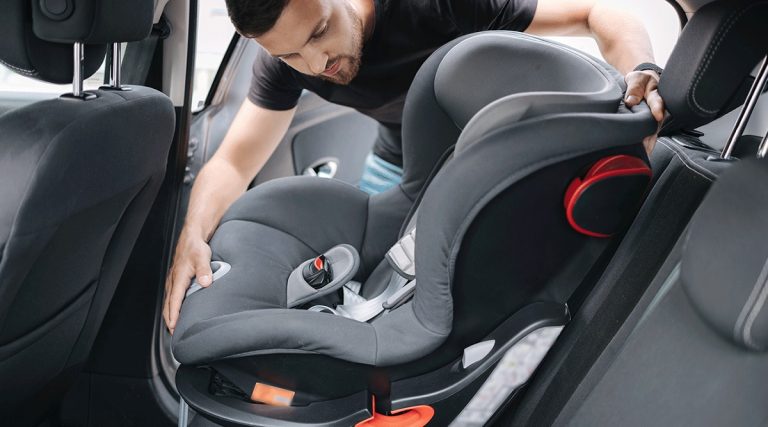
Correct installation is crucial for a forward-facing seat. Seats can be secured using either the vehicle’s seat belt or the LATCH system. Follow the manufacturer’s instructions closely to guarantee a stable and secure fit.
Check that the seat does not move more than one inch side-to-side or front-to-back once installed. Tighten the belt or LATCH connectors as needed and ensure the top tether is attached to prevent forward rotation during a crash. Verifying installation stability ensures the child remains safely restrained at all times.
Gradual Adjustment And Comfort Observation
Transitioning to a forward-facing seat can take time for a child to adjust. Gradually increasing trip lengths allows the child to become accustomed to the new orientation while helping parents observe comfort and posture.
Monitor for signs of discomfort, slouching, or fidgeting, which can affect harness effectiveness. Adjust straps and seat position as necessary to maintain proper alignment. A gradual approach ensures the child adapts comfortably while preserving the safety benefits of forward-facing travel.
Reinforce Safety Habits And Regular Checks
After transitioning, it is important to reinforce safety habits and conduct regular checks. Ensure the harness remains snug, straps are untwisted, and the seat is correctly installed during every trip.
Routine monitoring accounts for the child’s growth and ensures continued compliance with weight, height, and positioning requirements. Maintaining consistent checks and following safety guidelines guarantees that the forward-facing seat continues to provide maximum protection throughout its use.
Tips For Ensuring Child Safety After Forward-Facing Transition
After transitioning your child to a forward-facing car seat, ongoing vigilance is essential to maintain safety. Forward-facing seats offer excellent protection, but only when properly installed, adjusted, and used according to manufacturer guidelines. Understanding safety practices, harness management, and regular monitoring ensures your child remains secure during every trip.
Ensure Proper Harness Fit
One of the most important aspects of forward-facing car seat safety is a correctly adjusted harness. The 5-point harness system should secure your child’s shoulders, hips, and crotch while remaining snug but comfortable. Straps should lie flat without twisting and be positioned at or above your child’s shoulders.
Check harness tightness regularly by performing the “pinch test.” If you cannot pinch any harness material at the shoulder, the fit is secure. Also, ensure the chest clip is at armpit level to prevent movement during sudden stops or collisions. Proper harness fit prevents ejection, reduces injury risk, and ensures the child is held securely within the seat.
Maintain Seat Installation Integrity
Proper installation is critical for forward-facing safety. Ensure the seat is secured tightly using either the LATCH system or the vehicle seat belt, and confirm the seat does not move more than one inch side-to-side or front-to-back. Many seats also feature a top tether to minimize forward rotation in a crash.
Regularly inspect the installation, especially after long trips or when moving the seat between vehicles. Double-check that all connectors, belts, and anchors are tight and free of wear. Maintaining installation integrity maximizes the protective benefits of the forward-facing car seat and prevents unnecessary movement that could compromise safety.
Monitor Growth And Adjustments
Children grow quickly, and forward-facing seats must accommodate changes in size. Regularly check your child’s weight and height against the seat’s specifications. Adjust harness straps, recline settings, and headrest positions to match the child’s current size.
Growth can affect harness effectiveness, seat positioning, and overall comfort. Periodic adjustments prevent slouching or improper seating that could compromise safety during an accident. Keeping the car seat updated to your child’s dimensions ensures continuous protection and reinforces correct seating posture.
Encourage Proper Seating Habits
Safety also depends on your child’s behavior and seating habits. Teach children to sit upright, keep the harness straps on, and avoid leaning or twisting. Discourage climbing, standing, or reaching excessively while the vehicle is moving.
Developing proper seating habits reduces the risk of injury in sudden stops and keeps the harness functioning as intended. Regular reminders and positive reinforcement can help children remain seated correctly, supporting both comfort and safety during travel.
Routine Maintenance And Inspections
Regular maintenance ensures the forward-facing car seat continues to function effectively. Inspect the seat for signs of wear, cracks, or damage to harness straps, buckles, and plastic components. Clean the seat according to manufacturer instructions to avoid compromising safety features.
Periodic inspections also include checking the seat’s installation, harness fit, and tether attachment. Staying proactive prevents potential hazards and ensures the seat provides maximum protection. Combining maintenance with proper usage habits guarantees your child remains safe after the forward-facing transition.
FAQs
When Can You Turn The Car Seat Forward For Safety?
You can turn the car seat forward when your child has reached the manufacturer’s recommended height and weight limits for rear-facing seats. Typically, children are ready around 2 to 4 years old, but size matters more than age.
Turning the seat forward too early increases the risk of injury in a crash, as rear-facing seats support the head, neck, and spine better. Always check your car seat manual, ensure proper harness adjustment, and keep your child rear-facing as long as safely possible.
How Do You Know If Your Child Has Outgrown Rear-Facing Seats?
Your child has outgrown a rear-facing seat when their shoulders reach the top harness slots or their head is within one inch of the seat’s top. Weight limits specified by the seat manufacturer are also a key factor.
If your child meets or exceeds these limits, it is time to consider transitioning to a forward-facing seat. Ensuring the seat is properly installed and harnessed is crucial to maintain safety and prevent injury during sudden stops or accidents.
What Age Is Recommended For Forward-Facing Car Seats?
Most safety experts recommend keeping children rear-facing until at least 2 years old, though many can safely remain rear-facing until 4 years or more. Age alone is not enough; weight and height limits are more important.
Following the seat manufacturer’s guidelines ensures that the child remains protected. Turning the seat forward too early can compromise safety, so checking both age and physical readiness is essential before making the transition.
Are There Weight Or Height Limits To Consider Before Turning Forward?
Yes, every car seat has specific weight and height limits for rear-facing mode. Exceeding these limits signals that your child is ready for a forward-facing seat.
Always check your car seat manual for exact measurements. Using a forward-facing seat before your child reaches these limits reduces the protection offered during a crash. Ensuring the seat fits snugly with the harness adjusted correctly is critical to maintaining safety.
Can You Turn The Car Seat Forward If Your Child Is Comfortable Rear-Facing?
Even if your child seems comfortable rear-facing, you should only turn the car seat forward when they meet the recommended size limits. Rear-facing seats provide superior protection in crashes by supporting the head and neck.
Comfort alone should not dictate the transition. Keeping your child rear-facing as long as possible is safest. Monitor their growth and follow manufacturer instructions to know the appropriate time to switch forward.
How Do You Properly Transition From Rear-Facing To Forward-Facing?
To transition safely, adjust the harness to the forward-facing slots, secure the seat using either the seat belt or LATCH system, and attach the top tether strap. Ensure the seat is tightly installed with minimal movement.
Check that the child is snug in the harness and that the seat angle is appropriate. Following these steps ensures maximum protection during forward-facing travel and reduces the risk of injury in sudden stops or collisions.
What Are The Risks Of Turning The Car Seat Forward Too Early?
Turning the car seat forward before your child meets size or weight limits increases the risk of serious injury during a crash. Rear-facing seats support the head, neck, and spine, while forward-facing seats provide less protection for these vulnerable areas.
Prematurely switching can lead to whiplash or spinal injuries in an accident. Following safety guidelines and manufacturer recommendations ensures your child remains protected for as long as possible, reducing preventable risks during travel.
Final Words
Making the transition from a rear-facing to a forward-facing car seat is a significant milestone in a child’s safety journey. Ensuring that your child meets all the necessary age, weight, and height requirements protects their head, neck, and spine during travel. Following manufacturer guidelines and observing developmental milestones provides peace of mind for parents and caregivers.
Understanding the signs of readiness, such as proper head control, ability to sit upright, and correct harness fit, helps determine the right time for the change. Careful installation, harness adjustment, and regular monitoring are essential to maintain safety after turning the seat forward. Adhering to these practices reduces the risk of injury and ensures the child remains comfortable and secure on every trip.
By staying informed and following recommendations, parents can confidently know when can you turn the car seat forward while keeping safety as the top priority. Proper planning and vigilance ensure a smooth and secure transition.