Can Spark Plugs Cause Car Not To Start: Signs, Diagnosis, and Solutions
A vehicle that won’t start can be frustrating and disruptive, leaving drivers stranded or late for appointments. Diagnosing the problem quickly is essential to avoid further damage or costly repairs. Various factors can affect a car’s ability to start, ranging from battery issues to fuel system problems.
Spark plugs are a critical component in the ignition system, responsible for igniting the air-fuel mixture inside the engine cylinders. Malfunctioning or worn spark plugs can interrupt this process, preventing the engine from firing properly.
Understanding whether spark plugs are the root cause requires knowledge of how they function, their lifespan, and the symptoms of failure. Simple signs like engine misfires, rough idling, or difficulty starting may point to spark plug issues.
Exploring the question of can spark plugs cause car not to start helps drivers narrow down potential problems. Proper maintenance and timely replacement of spark plugs can prevent starting issues and ensure reliable engine performance.
How Spark Plugs Affect Engine Ignition
Spark plugs play a crucial role in the engine’s ignition system, directly impacting performance and reliability. They generate the spark needed to ignite the air-fuel mixture inside the engine cylinders, enabling the engine to start and run efficiently. Understanding how spark plugs influence ignition helps drivers identify problems early, prevent engine misfires, and maintain consistent vehicle performance. Proper maintenance and timely replacement are essential for smooth engine operation and avoiding starting issues.
The Role of Spark Plugs in Combustion
Spark plugs deliver the electrical spark that ignites the compressed air-fuel mixture inside each cylinder. This controlled ignition drives the pistons, producing the power needed to rotate the crankshaft and move the vehicle. Without properly functioning spark plugs, the air-fuel mixture cannot ignite, resulting in incomplete combustion or failure to start.
Even minor wear or carbon buildup on the spark plug can reduce its ability to generate a strong spark. This affects the engine’s efficiency, causes rough idling, and increases fuel consumption. Ensuring spark plugs are in good condition is vital for consistent combustion. Their role in the ignition process makes them a key component in diagnosing engine-starting issues and maintaining optimal performance.
Symptoms of Worn or Faulty Spark Plugs
Worn or damaged spark plugs can trigger multiple engine problems, from misfires to difficulty starting. Common symptoms include rough idling, hesitation during acceleration, poor fuel economy, and a noticeable decrease in engine power. When spark plugs fail to deliver a spark, the engine may crank without starting, leaving the driver wondering if the battery or fuel system is at fault.
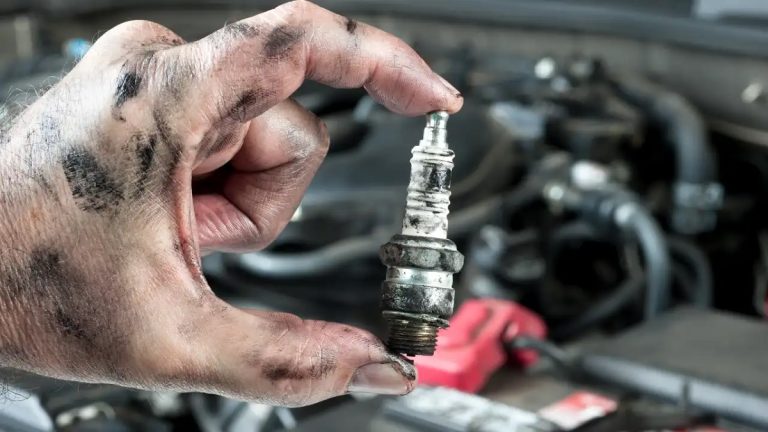
Visual inspection often reveals signs of wear such as fouling, corrosion, or erosion on the electrodes. Addressing spark plug issues promptly restores proper combustion, improves starting reliability, and prevents further engine damage. Recognizing these symptoms helps drivers isolate spark plug problems from other ignition or fuel-related issues, streamlining repairs and maintenance.
How Spark Plug Gaps Affect Ignition
The gap between a spark plug’s electrodes determines the spark’s strength and efficiency. An incorrect gap can prevent the spark from reaching the air-fuel mixture, reducing combustion efficiency. A gap that is too wide may cause weak sparks or misfires, while a gap that is too narrow can limit spark intensity and affect engine performance.
Properly gapped spark plugs ensure a consistent, powerful spark, allowing the engine to ignite the mixture reliably. Regularly checking and adjusting the gap according to manufacturer specifications is crucial for maintaining smooth starts and consistent engine performance. Incorrect gaps are a common overlooked cause of starting problems, making this step essential during inspections or replacements.
The Impact on Engine Performance
Faulty spark plugs don’t just affect starting—they influence overall engine performance. When spark plugs fail to ignite the mixture efficiently, the engine experiences uneven power delivery, reduced fuel efficiency, and higher emissions. Over time, repeated misfires can strain other engine components, such as the catalytic converter, ignition coils, and pistons.
Maintaining healthy spark plugs ensures the engine runs smoothly, starts reliably, and consumes fuel efficiently. Regular replacement intervals, typically between 30,000 and 100,000 miles depending on the type, prevent ignition issues before they become severe. Understanding how spark plugs impact engine performance helps drivers make informed maintenance decisions and avoid unexpected starting problems.
Signs Your Car Won’t Start Due To Spark Plugs
Recognizing when spark plugs are the reason your car won’t start can save you time, frustration, and expensive repairs. Spark plugs are crucial for engine ignition, and any malfunction directly affects your vehicle’s ability to start and run smoothly. Understanding the common signs of failing or worn spark plugs allows drivers to diagnose problems early, ensuring safety and reliable vehicle performance.
Engine Cranks But Won’t Start
One of the most common indicators that spark plugs are causing starting problems is when the engine cranks but fails to ignite. This occurs because the spark plugs are unable to generate the electrical spark required to ignite the air-fuel mixture in the cylinders.
You may notice rapid cranking without the usual engine roar or feel hesitation while turning the key. This symptom can sometimes be mistaken for a dead battery or fuel system issues. However, checking the spark plugs for wear, fouling, or corrosion often reveals the true cause. Replacing damaged plugs typically resolves the problem and restores smooth engine starts.
Rough Idling Or Engine Misfires
Another sign that spark plugs are failing is rough idling or engine misfires. When spark plugs cannot consistently ignite the fuel mixture, one or more cylinders may misfire, causing the engine to shake or run unevenly while idling.
You may notice the steering wheel vibrating slightly or hear unusual noises from the engine. Misfires affect acceleration, fuel efficiency, and overall performance. Ignoring these symptoms can lead to additional damage to the catalytic converter or ignition coils. Replacing faulty spark plugs restores even combustion, smooth idle, and predictable engine performance.
Difficulty Accelerating Or Reduced Power
Worn spark plugs can also make it difficult to accelerate or reduce overall engine power. Without a consistent spark, the air-fuel mixture burns inefficiently, resulting in slower acceleration and decreased responsiveness.
This symptom may be more noticeable when driving uphill, carrying heavy loads, or merging onto highways. The vehicle may hesitate or “bog down” during acceleration, indicating that the spark plugs are not delivering enough energy for proper combustion. Replacing old or damaged spark plugs restores engine efficiency and ensures reliable performance during everyday driving conditions.
Poor Fuel Economy
Faulty spark plugs can directly impact your vehicle’s fuel economy. When plugs misfire or fail to ignite fuel efficiently, the engine compensates by burning more fuel to maintain power.
You may notice a sudden drop in miles per gallon or frequent visits to refill the tank. Poor fuel economy is often accompanied by other spark plug-related symptoms like rough idling, misfires, and reduced acceleration. Timely replacement of spark plugs ensures optimal fuel combustion, saves money on fuel costs, and prevents further strain on the engine.
Engine Warning Lights And Diagnostic Codes
Modern vehicles often alert drivers to spark plug issues through the check engine light or diagnostic trouble codes. Codes related to misfires, ignition coil failure, or cylinder-specific problems often indicate worn or faulty spark plugs.
Using an OBD-II scanner can pinpoint which cylinder or plug is malfunctioning. Addressing these issues promptly prevents further engine damage, restores starting reliability, and ensures the ignition system operates efficiently. Regular inspection and replacement of spark plugs help avoid frequent warning lights and keep your vehicle running safely and smoothly.
Diagnosing Spark Plug Issues
Proper diagnosis of spark plug problems is key to resolving engine starting and performance issues. Spark plugs are essential for igniting the air-fuel mixture in the engine, and any malfunction can lead to misfires, rough idling, or failure to start. Understanding how to identify worn or faulty plugs allows you to address problems efficiently, prevent further engine damage, and maintain smooth vehicle operation.
Visual Inspection Of Spark Plugs
The first step in diagnosing spark plug issues is a thorough visual inspection. Remove the spark plugs and examine the electrodes for signs of wear, such as erosion, chipping, or burning. Carbon fouling, oil deposits, or rust can indicate that the plugs are not functioning properly.
Electrode gaps that are too wide or too narrow can also affect ignition, leading to weak or inconsistent sparks. Comparing the plugs to manufacturer specifications helps identify whether replacement is needed. A visual check is often enough to detect most common spark plug problems, and it provides a clear indication of how long the plugs have been in service or whether environmental factors are affecting performance.
Testing Spark Plug Performance
Beyond visual inspection, testing the spark plug’s performance helps confirm its condition. Using a spark tester or multimeter, you can measure whether the plug produces a strong, consistent spark. Weak sparks, inconsistent firing, or no spark at all indicate that the plug is failing.
Testing should be conducted with the engine off and the ignition system disconnected to prevent injury or electrical damage. Observing the spark under controlled conditions provides accurate feedback about its effectiveness. Regular testing can detect problems early, ensuring that engine ignition issues are identified before they lead to difficult starts, misfires, or reduced performance.
Identifying Engine Symptoms Related To Spark Plugs
Many spark plug problems manifest through engine performance symptoms. Difficulty starting, rough idling, hesitation during acceleration, reduced fuel efficiency, or engine misfires often point to faulty plugs. Observing these symptoms alongside visual inspection and performance tests helps pinpoint the spark plugs as the root cause.
Additionally, modern vehicles may trigger diagnostic codes or illuminate the check engine light when ignition problems occur. Using an OBD-II scanner to read misfire codes or cylinder-specific errors can confirm spark plug issues. Connecting observed engine symptoms with diagnostic tools ensures accurate troubleshooting and prevents unnecessary replacement of unrelated components.
Considering Spark Plug Age And Maintenance History
The age and maintenance history of your spark plugs play a significant role in diagnosing issues. Standard copper spark plugs typically last around 30,000 miles, while platinum or iridium plugs can last 60,000 to 100,000 miles. Using plugs beyond their recommended lifespan increases the risk of ignition problems.
Keeping a record of when spark plugs were last replaced helps determine whether age-related wear is contributing to starting issues or performance decline. Combining this information with inspection and testing allows you to make informed decisions regarding replacement or further maintenance, ensuring that spark plug problems are addressed before they escalate.
Consulting Professionals For Accurate Diagnosis
While many spark plug issues can be identified at home, professional diagnosis ensures that no underlying problem is overlooked. Mechanics can perform detailed inspections, measure gaps accurately, and use advanced diagnostic tools to test the ignition system thoroughly.
Professional evaluation is especially useful if multiple engine components might contribute to starting problems. Accurate diagnosis prevents unnecessary replacements, saves costs, and ensures that the spark plugs are functioning optimally. Regular professional checks combined with routine maintenance provide long-term reliability and prevent ignition-related starting issues.
Preventive Measures to Avoid Starting Problems
Preventing starting problems is easier than dealing with a car that won’t start, and maintaining spark plugs is a key part of this process. Regular inspections, timely replacements, and proper engine care ensure reliable ignition and smooth performance. Following preventive measures helps drivers avoid frustration, reduces the risk of costly repairs, and keeps vehicles running safely and efficiently.
Regular Spark Plug Inspections
Regular inspection of spark plugs is essential to prevent starting issues. Check for signs of wear, carbon buildup, oil deposits, corrosion, or damaged electrodes. Even minor issues can affect the spark strength, leading to misfires or difficulty starting the engine.
Visual inspections should be conducted at recommended service intervals or sooner if you notice rough idling, hesitation, or decreased fuel efficiency. Maintaining a record of inspection dates and findings allows you to track wear patterns and plan timely replacements. Proactive inspections ensure that spark plugs remain in optimal condition, reducing the likelihood of ignition problems and helping the engine perform reliably.
Timely Replacement Of Spark Plugs
Replacing spark plugs at manufacturer-recommended intervals is crucial for consistent engine starts. Standard copper spark plugs typically need replacement around every 30,000 miles, while platinum or iridium plugs may last 60,000 to 100,000 miles. Using old or worn plugs increases the risk of misfires and starting failures.
When replacing spark plugs, ensure that the correct type and gap are used according to your vehicle’s specifications. Properly installed spark plugs deliver a strong, consistent spark, which improves combustion efficiency, fuel economy, and overall engine performance. Timely replacement is one of the most effective preventive measures to avoid starting problems and maintain reliable vehicle operation.
Keep The Ignition System And Engine Clean
A clean ignition system and engine help prevent spark plug-related starting problems. Dirt, oil, and debris around the spark plugs, wires, and ignition coils can interfere with electrical connections, reducing spark effectiveness.
Regularly cleaning the spark plug wells, ignition coils, and surrounding areas ensures consistent electrical conductivity. Avoid using harsh chemicals that may damage engine components. Routine engine maintenance, including air filter replacement and fuel system cleaning, also supports optimal combustion. Keeping the ignition system and engine clean reduces stress on spark plugs and prevents starting issues before they occur.
Monitor Fuel And Battery Health
Fuel quality and battery condition play indirect but important roles in preventing starting problems. Low-quality fuel or clogged injectors can affect the air-fuel mixture, making ignition harder for the spark plugs. Similarly, a weak battery may prevent the spark plugs from receiving adequate voltage, resulting in incomplete combustion or failure to start.
Regularly check battery health, maintain proper charge, and use high-quality fuel to ensure the spark plugs can function efficiently. Addressing these supporting systems along with spark plug maintenance prevents avoidable starting issues and ensures a reliable driving experience.
Adopt Good Driving And Maintenance Habits
Consistent driving and maintenance habits can prolong spark plug life and prevent starting problems. Avoid frequent short trips that prevent the engine from reaching optimal operating temperature, which can cause carbon buildup on spark plugs.
Routine oil changes, scheduled tune-ups, and monitoring engine performance indicators all support spark plug efficiency. Observing warning signs such as misfires, rough idling, or decreased acceleration allows for timely intervention. Developing disciplined driving and maintenance practices ensures that spark plugs and the ignition system remain in top condition, reducing the likelihood of starting problems and enhancing long-term vehicle reliability.
People Also Asked
Can Spark Plugs Cause A Car Not To Start?
Yes, spark plugs can prevent a car from starting. They provide the spark that ignites the air-fuel mixture in the engine cylinders, which is essential for combustion. When spark plugs are worn, fouled, or damaged, they may fail to produce a strong enough spark, leaving the engine unable to start.
You may notice that the engine cranks but does not fire. Inspecting the spark plugs for wear, corrosion, or improper gaps often reveals the issue. Replacing faulty spark plugs typically restores the engine’s ability to start reliably.
What Are The Common Symptoms Of Spark Plug Failure?
Worn or faulty spark plugs often cause rough idling, misfires, difficulty starting, reduced fuel efficiency, and decreased engine power. You might hear unusual engine noises or notice hesitation during acceleration.
These symptoms occur because the spark plugs cannot ignite the fuel efficiently. Regular visual inspections and performance checks help identify failing plugs early. Timely replacement prevents starting issues and ensures the engine operates smoothly, saving you from potential breakdowns or expensive repairs.
How Do I Check If Spark Plugs Are Causing Starting Issues?
You can check spark plugs by performing a visual inspection and testing their performance. Remove the plugs and look for carbon buildup, corrosion, or electrode damage. Using a spark tester or multimeter helps determine if the plug produces a strong, consistent spark.
Additionally, engine symptoms such as misfires, rough idling, or a check engine light may indicate spark plug problems. Combining visual and performance checks allows you to accurately identify whether the spark plugs are responsible for starting issues.
How Often Should Spark Plugs Be Replaced To Avoid Starting Problems?
Spark plug replacement depends on their type and the manufacturer’s recommendations. Standard copper plugs usually last around 30,000 miles, while platinum or iridium plugs can last between 60,000 and 100,000 miles.
Replacing spark plugs at the recommended intervals ensures reliable ignition and prevents starting problems. Maintaining a replacement schedule helps your engine perform efficiently, reduces misfires, and saves you from costly repairs due to prolonged wear or fouling of old plugs.
Can Dirty Or Fouled Spark Plugs Prevent A Car From Starting?
Yes, dirty or fouled spark plugs can prevent your car from starting. Oil, carbon deposits, or fuel residue on the electrodes can block the spark, leading to incomplete combustion or no ignition at all.
Cleaning or replacing the fouled plugs resolves the problem and restores proper engine function. Regular maintenance, proper fuel quality, and routine inspections prevent fouling, ensuring reliable starts and efficient engine performance.
Are Spark Plug Gaps Important For Starting The Engine?
Absolutely. The gap between the electrodes determines the spark strength and its ability to ignite the air-fuel mixture. A gap that is too wide or too narrow can prevent proper ignition, causing the engine to crank without starting.
Checking and adjusting the spark plug gap according to manufacturer specifications ensures consistent ignition. Properly gapped plugs improve engine performance, prevent misfires, and reduce the risk of starting problems, especially in vehicles with high-performance or older ignition systems.
Can Multiple Bad Spark Plugs Cause A Car Not To Start?
Yes, having multiple worn or damaged spark plugs significantly increases the likelihood that the car won’t start. Each cylinder relies on its spark plug for ignition, and a failure in several plugs disrupts combustion in multiple cylinders.
This can result in the engine cranking without firing, rough idling, or frequent misfires. Replacing all faulty plugs ensures each cylinder fires correctly, restoring reliable starting and smooth engine performance while preventing long-term damage to the ignition system or catalytic converter.
Final Thoughts
A car that refuses to start can be frustrating and inconvenient, and identifying the root cause is essential for a quick fix. One often-overlooked culprit is the spark plugs, which play a critical role in igniting the fuel-air mixture in the engine. When spark plugs are worn, fouled, or improperly gapped, they can prevent the engine from starting or cause misfires that make ignition unreliable.
Regular inspection and maintenance of spark plugs can save time, money, and unnecessary stress. Replacing faulty or worn spark plugs restores proper engine performance and ensures smoother starts. Paying attention to symptoms like engine cranking without ignition, rough idling, or weak acceleration can help you identify when spark plugs may be the issue.
Understanding whether can spark plugs cause car not to start is important for every vehicle owner. By diagnosing problems early and performing timely replacements, you maintain engine efficiency, avoid breakdowns, and ensure your car starts reliably every time.