Steering Wheel Vibration At Idle: Causes, Diagnosis, and Fixes
Feeling unusual movement in your vehicle while it’s stationary can be concerning, especially when the steering wheel vibrates at idle. This issue often signals underlying problems with the engine, drivetrain, or steering system. Drivers frequently overlook it, assuming vibrations are normal, but persistent shaking can affect control and may worsen over time, leading to more significant mechanical damage.
Steering wheel vibration at idle is usually linked to imbalances or wear in critical components. Engine mounts that have deteriorated, uneven fuel delivery, or ignition problems can cause the engine to shake, which transmits to the steering wheel. Similarly, worn suspension or steering parts can amplify even minor engine vibrations, making them more noticeable while the vehicle is not moving.
Environmental factors like rough surfaces or temperature fluctuations can also play a role, but mechanical issues are the most common culprit. Addressing the cause early helps prevent further wear and ensures smoother handling.
Common Causes of Steering Wheel Vibration At Idle
Experiencing steering wheel vibration at idle can be unsettling and often points to underlying issues with your vehicle’s engine, steering, or suspension systems. Understanding the common causes allows you to identify the problem early and prevent further damage. This issue can range from minor maintenance concerns to serious mechanical faults. Several factors contribute to steering wheel vibration at idle, each affecting vehicle performance and driving comfort differently.
Worn or Damaged Engine Mounts
Engine mounts are designed to secure the engine to the vehicle’s frame while absorbing vibrations. When these mounts wear out, crack, or break, the engine can move excessively, transmitting vibrations directly to the steering column. This movement becomes especially noticeable when the vehicle is idling, as the engine’s natural vibrations are no longer dampened effectively.
Symptoms of failing engine mounts include not only steering wheel vibration at idle but also unusual engine movement when accelerating or shifting gears. Drivers may notice clunking or banging noises when the engine shifts excessively. Replacing worn mounts restores stability, reduces vibrations, and improves overall handling. Regular inspection of engine mounts during routine maintenance helps detect early signs of wear before it affects steering performance and vehicle safety.
Ignition System Problems
A misfiring engine caused by faulty spark plugs, ignition coils, or wiring can create uneven engine operation, leading to steering wheel vibration at idle. When cylinders misfire, the engine produces inconsistent power pulses, causing noticeable shaking that can transfer through the chassis to the steering wheel.
The vibration is often accompanied by rough idling, poor acceleration, or a decrease in fuel efficiency. Identifying misfires requires inspecting spark plugs for wear, checking ignition coils for damage, and verifying that the electrical connections are secure. Addressing ignition system issues restores smooth engine performance, eliminating vibrations at idle and improving overall drivability. Timely repairs prevent further strain on engine components and reduce the risk of more severe mechanical damage.
Fuel System Issues
Fuel delivery problems, such as clogged fuel injectors, a dirty fuel filter, or a failing fuel pump, can disrupt the engine’s operation and cause vibration at idle. Uneven fuel flow results in incomplete combustion, which creates irregular engine pulses that can be felt through the steering wheel.
Drivers may notice rough idling, hesitation, or reduced power in addition to the vibration. Cleaning or replacing fuel injectors and filters ensures proper fuel distribution and stabilizes engine performance. A well-functioning fuel system contributes to smoother idle, improved fuel efficiency, and reduced stress on engine components, directly decreasing steering wheel vibration at idle. Routine fuel system maintenance is essential for consistent performance and long-term engine health.
Worn Suspension or Steering Components
Even though engine issues are common, worn suspension or steering parts can amplify vibrations, making them more noticeable at idle. Components like tie rods, ball joints, or bushings that are loose or damaged can transmit engine vibrations directly to the steering wheel.
Vibration may be accompanied by uneven tire wear or unusual noises when turning. Inspecting suspension and steering components for play, cracks, or corrosion helps identify parts that need replacement. Proper maintenance ensures the vehicle handles smoothly, reduces vibration transmission, and improves overall safety. This is especially important in vehicles with higher mileage, where wear and tear on steering components can intensify idle vibration issues.
Unbalanced or Damaged Wheels and Tires
Though most noticeable during driving, wheels and tires in poor condition can contribute to vibration at idle as well. Bent rims, uneven tire wear, or tires with internal damage can create subtle imbalances that amplify vibrations from the engine while the car is stationary.
Regular wheel inspections, tire rotation, and balancing help prevent vibration-related issues. Replacing damaged tires or repairing bent rims restores smooth operation and reduces the transmission of vibrations to the steering wheel. Maintaining proper tire condition not only addresses idle vibration but also improves overall handling, braking, and safety on the road.
How Suspension and Steering Components Contribute
Steering wheel vibration at idle is not always caused solely by engine problems. The suspension and steering systems play a critical role in how vibrations are transmitted through the vehicle. Worn or damaged components can amplify even minor engine tremors, making them noticeable in the steering wheel. Understanding how these parts contribute helps identify the source of vibrations and determine the proper repairs. Several components within the suspension and steering systems are commonly responsible.
Worn Tie Rods and Ball Joints
Tie rods and ball joints are key components of the steering and suspension system, connecting the steering rack to the wheels. When these parts wear out, loosen, or develop play, they fail to properly control wheel alignment. This lack of stability allows vibrations from the engine or uneven road surfaces to transfer directly to the steering wheel.
Drivers may notice excessive play in the steering, clunking noises, or uneven tire wear in addition to vibration at idle. Ball joints that are loose can cause the wheels to move slightly even when the vehicle is stationary, making engine vibrations more pronounced. Replacing worn tie rods and ball joints restores proper steering geometry, reduces steering wheel vibrations, and improves handling and safety. Regular inspections are essential, especially for vehicles with high mileage or those frequently driven on rough roads.
Deteriorated Control Arm Bushings
Control arm bushings act as cushions between the vehicle’s frame and suspension components, absorbing shocks and isolating vibrations. When these bushings deteriorate, crack, or harden with age, they lose their ability to dampen vibrations effectively. As a result, even minor engine tremors or road vibrations are transmitted through the suspension directly to the steering column.
Symptoms of worn control arm bushings include steering wheel vibration at idle, knocking sounds when turning, and uneven tire wear. Replacing the bushings restores proper suspension function, absorbs road and engine shocks, and improves overall vehicle stability. Maintaining healthy bushings is critical to preventing the amplification of engine vibrations, ensuring a smoother ride, and minimizing strain on other suspension components.
Failing Steering Rack or Steering Column Components
The steering rack and column link the driver’s input to the wheels and are responsible for translating movements smoothly. Wear, corrosion, or loose connections in these components can amplify vibrations, particularly noticeable when the engine is idling. A failing steering rack may transmit engine vibrations directly to the steering wheel instead of damping them as designed.
Signs of a failing steering rack include steering wheel shimmy, difficulty maintaining a straight path, or unusual noises while turning. Addressing issues in the steering rack or column restores precise control and reduces vibration transfer. Regular maintenance and timely replacement of worn components ensure that the steering system functions properly, keeps vibrations manageable, and preserves overall driving comfort and safety.
Shock Absorbers and Struts
Shock absorbers and struts play a vital role in controlling vehicle motion and absorbing road impacts. Worn or leaking shocks fail to dampen oscillations from engine movement or road irregularities, making the steering wheel vibration at idle more noticeable. Even slight deterioration can significantly amplify small tremors.
Drivers may notice the vehicle feels bouncy, the steering wheel shakes slightly while idling, or the ride quality decreases. Replacing worn shocks or struts restores proper damping, reduces vibration transmission, and improves overall handling. Properly functioning shock absorbers are crucial for both comfort and safety, as they maintain tire contact with the road and minimize the effects of engine or suspension vibrations on the steering wheel.
Connection Between Suspension Wear and Steering Vibration
All these components work together to provide a stable, controlled driving experience. When any part of the suspension or steering system deteriorates, it allows engine or road vibrations to travel to the steering wheel more easily. Even if the engine is functioning perfectly, worn suspension or steering parts can make minor vibrations feel severe while the vehicle is idling.
Regular inspection of all suspension and steering components is essential to prevent the amplification of engine vibrations. Maintaining proper lubrication, replacing worn parts promptly, and ensuring correct alignment ensures that the steering wheel remains steady at idle and while driving. Understanding how suspension and steering contribute to vibrations helps pinpoint issues accurately and ensures a smoother, safer driving experience.
Diagnostic Steps for Steering Wheel Vibration At Idle
Identifying the cause of steering wheel vibration at idle requires a systematic approach. Multiple systems, including the engine, suspension, steering, and tires, can contribute to the issue. Following diagnostic steps helps pinpoint the root cause, allowing for precise repairs. A structured inspection ensures safety, prevents unnecessary part replacements, and restores smooth, stable operation.
Inspect Engine Mounts and Engine Performance
The first step in diagnosing steering wheel vibration at idle is to inspect the engine mounts. Worn or broken mounts fail to absorb engine vibrations, which can be transmitted directly to the steering wheel. Examine the mounts for cracks, excessive wear, or misalignment.
In addition to visual inspection, monitor engine behavior while idling. Look for excessive movement, unusual noises, or irregular engine operation. Rough idling can indicate misfires, faulty spark plugs, or ignition coil problems. Addressing engine mount and performance issues first is essential because these components are primary sources of vibration. Properly functioning mounts stabilize the engine, reducing tremors and improving overall vehicle handling.
Check Suspension and Steering Components
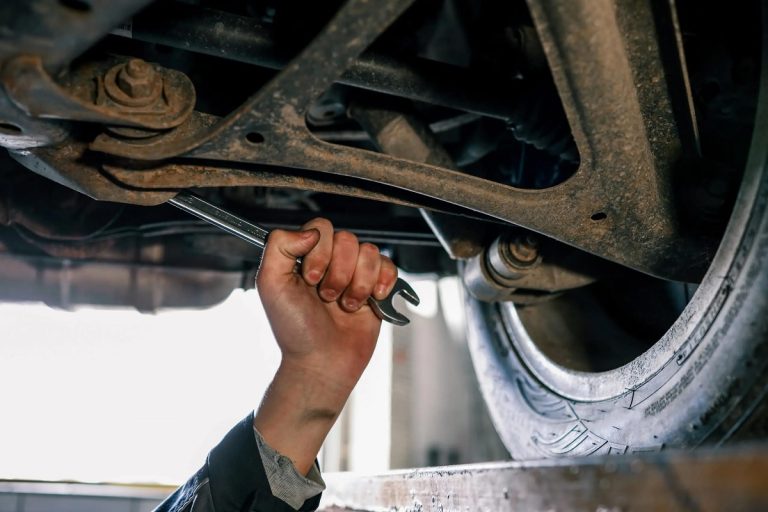
Next, examine suspension and steering components for wear or damage. Worn tie rods, ball joints, control arm bushings, or a failing steering rack can amplify engine vibrations and transmit them to the steering wheel. Check for looseness, play, or visible damage in these parts.
Perform a physical test by gently shaking the wheels or steering while the vehicle is off to detect excessive movement. Inspect for uneven tire wear, which may indicate misalignment or worn suspension components. Replacing damaged or worn parts restores proper damping of vibrations, improves steering precision, and ensures a more stable idle.
Evaluate Tires and Wheels
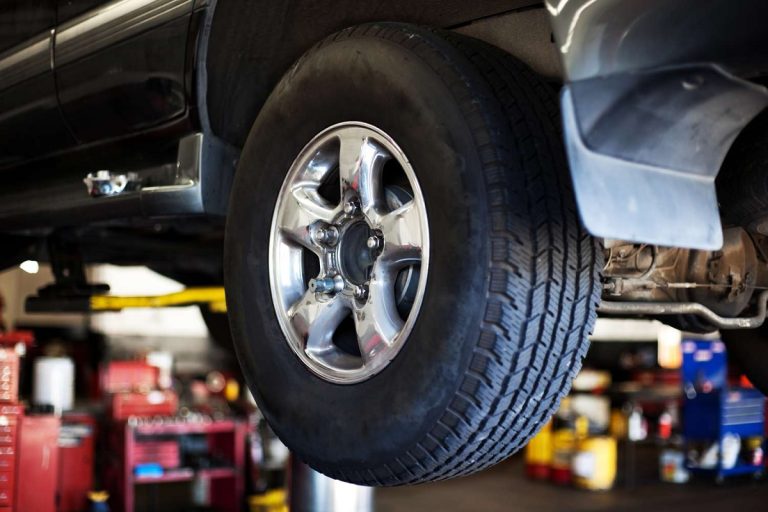
Tires and wheels are critical contributors to steering wheel vibration at idle. Uneven tread wear, improper air pressure, or damaged rims can worsen engine or suspension vibrations. Begin by checking tire pressure on all four tires and adjusting to manufacturer specifications.
Inspect tread for uneven wear patterns and sidewalls for damage or bulges. Rotate the tires to determine if vibration changes in intensity. In some cases, balancing the tires or replacing damaged ones eliminates vibrations. Maintaining healthy tires ensures that forces from the engine and road are distributed evenly, reducing the likelihood of vibration transmission to the steering wheel.
Inspect Brake and Drivetrain Components
Although often overlooked, brakes and drivetrain parts can contribute to vibration at idle. Warped rotors, loose brake calipers, or uneven drivetrain components like CV joints can produce subtle shaking felt through the steering wheel. Inspect the brakes for rotor condition, caliper alignment, and mounting security.
Examine CV joints and driveshafts for wear, cracks, or looseness. Even minor irregularities in the drivetrain can transmit vibrations when the engine is running at idle. Ensuring all braking and drivetrain components are in good condition reduces the potential for additional vibration sources.
Conduct Controlled Idle Tests
Finally, perform controlled idle tests to isolate the source of the vibration. Start the vehicle in neutral or park and observe the steering wheel closely. Slowly rev the engine and note whether the vibration increases, decreases, or remains constant.
Compare observations under different load conditions, such as with the air conditioning on or electrical accessories running. These tests help determine whether the source is engine-related, suspension-related, or linked to another system. Combining visual inspection with controlled tests provides a comprehensive understanding of the problem, enabling accurate diagnosis and effective repair.
Solutions and Repairs
Resolving steering wheel vibration at idle involves identifying the source and taking targeted action. Solutions often address the engine, suspension, steering, tires, or drivetrain components. Timely repairs restore vehicle stability, improve comfort, and prevent further mechanical damage. Understanding the most effective solutions ensures that the vibration is eliminated efficiently and the car handles safely under all conditions.
Replacing or Servicing Engine Mounts
Worn or broken engine mounts are a primary cause of steering wheel vibration at idle. Replacing damaged mounts stabilizes the engine, preventing excessive movement and reducing vibration transfer to the steering wheel. During replacement, ensure mounts are properly aligned and securely fastened to prevent premature wear.
In addition to replacement, inspecting adjacent engine components is crucial. Loose brackets, worn belts, or misaligned pulleys can contribute to vibration. Servicing these parts while replacing mounts ensures smoother engine operation. After repair, drivers will notice a significant reduction in steering wheel tremors, especially when idling, along with improved vehicle stability and reduced strain on other engine and suspension components.
Repairing or Replacing Suspension and Steering Components
Suspension and steering parts, including tie rods, ball joints, control arm bushings, and steering racks, play a major role in vibration. Worn or damaged components amplify engine tremors and transmit them to the steering wheel. Replacing or repairing these parts restores proper damping and steering response.
Professional alignment after repairs ensures that the suspension geometry is correct and the wheels track straight. This step also reduces uneven tire wear and prevents vibration recurrence. Maintaining healthy suspension and steering components not only addresses vibration at idle but also enhances handling, stability, and overall driving safety. Periodic inspections help detect wear early and minimize costly repairs.
Tire Balancing and Replacement
Tires can contribute to or amplify vibrations, making repairs essential. Balancing wheels eliminates uneven weight distribution, which reduces vibration transmission through the steering wheel. Additionally, replacing tires with worn tread or damaged sidewalls ensures even traction across all wheels.
Rotating tires regularly and maintaining proper air pressure helps prevent uneven wear that can lead to vibration. Properly balanced and maintained tires distribute engine and road forces evenly, improving vehicle comfort and safety. Drivers often notice smoother idling, reduced steering tremors, and enhanced stability after addressing tire-related issues.
Addressing Brake and Drivetrain Components
In some cases, steering wheel vibration at idle is caused by warped rotors, loose brake calipers, or uneven drivetrain components. Repairing or replacing these parts can significantly reduce vibrations. Ensuring that rotors are smooth, calipers are properly aligned, and driveshaft or CV joints are in good condition minimizes vibration transmission.
Brake servicing should include rotor resurfacing or replacement if necessary, while drivetrain repairs involve inspecting joints, shafts, and mounts. Addressing these issues prevents minor vibrations from escalating and ensures that braking and drivetrain systems operate efficiently. Correcting these components enhances safety, smooths idle operation, and reduces stress on other vehicle systems.
Fine-Tuning Engine Performance
Finally, correcting engine-related issues, such as misfires, faulty spark plugs, or ignition coil problems, eliminates irregular power pulses that cause vibration. Cleaning or replacing spark plugs, checking ignition coils, and inspecting fuel injectors ensures smooth combustion.
A properly tuned engine delivers balanced power to all cylinders, reducing tremors that can reach the steering wheel. Routine engine maintenance, including oil changes, air filter replacement, and fuel system cleaning, supports smooth operation and prevents idle vibrations. Combining engine tuning with repairs to mounts, suspension, and tires provides a comprehensive solution to eliminate steering wheel vibration at idle effectively.
Preventive Measures to Avoid Steering Wheel Vibration At Idle
Preventing steering wheel vibration at idle is easier than repairing it after it occurs. Regular maintenance, proper driving habits, and timely inspections can significantly reduce the risk. Focusing on engine stability, suspension integrity, tires, and drivetrain components ensures smooth idling and consistent vehicle control. Implementing preventive measures helps maintain safety, enhances comfort, and prolongs the lifespan of your vehicle’s critical systems.
Regular Engine and Mount Inspections
Maintaining engine health is crucial in preventing steering wheel vibration at idle. Regularly inspect engine mounts for cracks, excessive wear, or misalignment. Worn mounts transmit engine vibrations directly to the steering wheel, making idle tremors more noticeable.
Alongside mounts, routine engine maintenance, including checking spark plugs, ignition coils, and fuel injectors, ensures smooth combustion and balanced power delivery. Addressing minor engine issues early prevents uneven vibrations from developing. Proper lubrication, timely oil changes, and keeping belts and pulleys in good condition also contribute to reducing idle vibrations. Regular engine inspections preserve vehicle performance and reduce strain on suspension and steering components.
Suspension and Steering Maintenance
Healthy suspension and steering components play a vital role in dampening vibrations. Inspect tie rods, ball joints, control arm bushings, and the steering rack for wear, looseness, or damage. Replacing worn parts prevents excessive movement that can amplify engine vibrations.
Wheel alignment checks are equally important, especially after hitting potholes or curbs. Correct alignment ensures the suspension distributes forces evenly, reducing stress on tires and steering components. Regular inspections and preventive replacement of worn parts improve handling, minimize vibration transmission, and enhance vehicle stability, particularly during idling or low-speed operation.
Tire Care and Maintenance
Proper tire care significantly reduces steering wheel vibration at idle. Maintain tire pressure within manufacturer specifications and rotate tires regularly to ensure even tread wear. Uneven tires or low pressure create imbalances that amplify engine and suspension vibrations.
Inspect tires for sidewall damage, punctures, or uneven wear patterns, and replace damaged tires promptly. Balancing wheels after tire replacement or rotation ensures even weight distribution, reducing vibrations felt through the steering wheel. Good tire maintenance not only prevents idle vibrations but also improves traction, braking performance, and overall safety.
Brake and Drivetrain Inspections
Regular inspections of brake and drivetrain components prevent subtle issues from becoming sources of vibration. Check rotors for warping, calipers for proper alignment, and driveshafts or CV joints for wear or looseness. Minor irregularities in these systems can amplify engine vibrations, particularly at idle.
Routine brake servicing, rotor resurfacing, and proper drivetrain maintenance keep these components operating smoothly. Ensuring all mounts, joints, and connections are secure prevents vibration transfer and maintains stability. Preventive attention to brakes and drivetrain helps reduce idle tremors while enhancing overall vehicle performance.
Adopting Smooth Driving Habits
Driving habits also play a role in preventing steering wheel vibration at idle. Avoid aggressive acceleration or sudden stops, which place unnecessary stress on engine mounts, suspension, and drivetrain components. Smooth, consistent driving reduces wear on critical systems, preserving their ability to dampen vibrations.
Maintaining a moderate engine load while idling, avoiding excessive idling periods, and performing gentle warm-ups in colder weather can prevent unnecessary strain on mounts and suspension. Mindful driving combined with regular inspections ensures that idle vibrations remain minimal and that the steering wheel remains stable, improving both safety and comfort.
Frequently Asked Questions
What Causes Steering Wheel Vibration At Idle?
Steering wheel vibration at idle is usually caused by issues in the engine, suspension, or steering systems. Worn engine mounts, misfiring cylinders, or uneven fuel delivery can create irregular vibrations that transmit directly to the steering wheel.
Suspension components such as tie rods, control arm bushings, and ball joints may amplify these tremors. Tires that are unbalanced, worn, or underinflated can also worsen the vibration. Addressing the root cause promptly ensures smoother idling, improves vehicle control, and prevents further damage to critical systems.
Can Engine Mounts Be Responsible For Idle Vibrations?
Yes, engine mounts are a common cause of steering wheel vibration at idle. They secure the engine to the vehicle frame and dampen vibrations. When mounts wear out or crack, the engine moves excessively, transferring tremors to the steering wheel.
Symptoms include excessive engine movement during acceleration, unusual noises, and noticeable vibrations when the car is idling. Replacing worn mounts restores stability, reduces vibration, and improves overall handling. Routine inspections of mounts during maintenance help prevent idle vibration and protect adjacent components from undue stress.
How Do Suspension Components Affect Steering Vibration?
Suspension components such as ball joints, tie rods, and control arm bushings play a key role in absorbing and dampening vibrations. When these parts wear or become loose, even minor engine tremors are amplified and felt in the steering wheel at idle.
Symptoms include clunking noises, uneven tire wear, or excessive play in the steering. Replacing or repairing worn suspension components restores proper damping and reduces the transfer of vibrations. Maintaining suspension health is crucial for smooth idling, safe handling, and minimizing wear on tires and steering parts.
Can Tires Cause Steering Wheel Vibration At Idle?
Yes, tires can contribute significantly to steering wheel vibration at idle. Uneven tread wear, underinflation, or damaged sidewalls can amplify engine or suspension vibrations. Even minor tire imbalances become noticeable when the vehicle is stationary.
Regularly checking tire pressure, rotating tires, and balancing them ensures even weight distribution and consistent traction. Replacing damaged or excessively worn tires eliminates vibration sources. Proper tire maintenance not only reduces idle vibration but also improves road handling, braking efficiency, and overall vehicle safety.
Could Ignition or Fuel System Issues Lead To Vibration?
Absolutely. Misfiring cylinders caused by faulty spark plugs, ignition coils, or clogged fuel injectors can create uneven engine operation. This results in steering wheel vibration at idle, often accompanied by rough idling or reduced power.
Cleaning or replacing fuel injectors, spark plugs, or ignition coils ensures smooth combustion and balanced power delivery. Maintaining a properly tuned engine prevents idle vibrations, improves fuel efficiency, and reduces stress on engine mounts and adjacent components, ensuring safer, smoother driving.
How Can You Diagnose Steering Wheel Vibration At Idle?
Diagnosing steering wheel vibration at idle requires a systematic approach. Start by checking engine mounts for wear, inspecting suspension components for looseness or damage, and evaluating tires for balance and tread condition. Observing the steering wheel while the engine is idling can help pinpoint whether vibrations originate from the engine, drivetrain, or suspension.
Additional tests include controlled revving, checking for misfires, and inspecting fuel and ignition systems. Combining visual inspections with diagnostic tests allows for accurate identification of the vibration source and ensures that repairs are targeted and effective.
When Should You See A Mechanic For Idle Vibration?
You should see a mechanic immediately if steering wheel vibration at idle persists or worsens. While minor vibrations may sometimes be harmless, ongoing shaking can indicate engine, suspension, or steering problems that compromise safety.
Delaying repairs can lead to uneven tire wear, further engine or suspension damage, and reduced control over the vehicle. A professional inspection ensures the source of the vibration is accurately diagnosed, preventing costly repairs and restoring smooth idling, safe handling, and optimal vehicle performance.
Final Words
Feeling unusual shaking in your vehicle while it’s stationary can be frustrating and concerning. Vibrations transmitted to the steering wheel often point to underlying issues with the engine, suspension, or brake system. Ignoring these signs can lead to further damage and potentially unsafe driving conditions. Addressing the root causes early ensures smoother performance and a safer driving experience.
Regular maintenance is key to preventing many common causes of steering wheel vibration at idle. Checking engine mounts, inspecting spark plugs and ignition components, and keeping your brakes and suspension in good condition can significantly reduce unwanted shaking. Proper tire balance and alignment also play a crucial role in minimizing vibrations that affect the steering wheel even when the car is idle.
If you notice persistent steering wheel vibration at idle, it’s important to seek professional inspection and repairs promptly. Corrective actions, whether engine tune-ups, suspension fixes, or brake servicing, restore stability and control, allowing you to drive with confidence and comfort every time.