Car Hesitates When Accelerating At Low Speed – Causes, Risks, and Fixes
Experiencing a sudden lag or delay when pressing the accelerator can be frustrating and concerning. A vehicle that doesn’t respond smoothly at low speeds affects driving confidence and can create unsafe situations in traffic. Understanding the potential causes and symptoms of this problem is essential for timely diagnosis and repair.
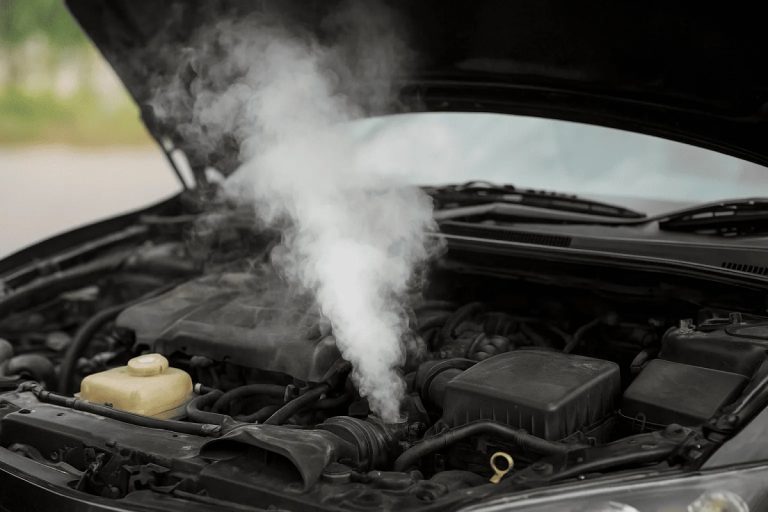
When a car hesitates during acceleration, it can indicate issues ranging from fuel delivery problems to engine or transmission malfunctions. The hesitation may feel like a brief pause, sputtering, or reduced power, making it harder to merge or navigate slow-moving traffic safely.
Recognizing the patterns of hesitation and the conditions under which it occurs helps narrow down the root causes. This knowledge allows you to address the problem before it escalates into more severe engine or drivetrain damage.
Paying attention to your vehicle’s performance and listening to its behavior during low-speed acceleration can save time, money, and prevent further mechanical issues. Proper care and prompt action ensure smoother driving experiences and maintain vehicle reliability.
Common Causes of Car Hesitation at Low Speed
Car hesitation at low speeds can be caused by a variety of mechanical and electrical issues. Understanding these causes is essential to diagnose and resolve the problem effectively. From fuel delivery problems to sensor malfunctions, identifying the root cause prevents further engine stress, reduces the risk of breakdowns, and restores smooth acceleration. Recognizing the signs early ensures safer and more reliable driving.
Faulty Fuel System Components
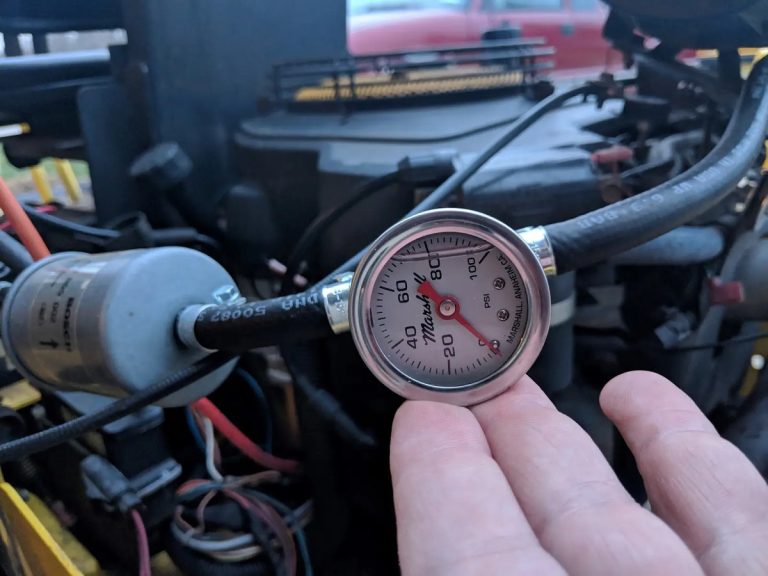
A primary cause of hesitation at low speeds is issues within the fuel system. Components such as fuel pumps, fuel injectors, and fuel filters play a crucial role in delivering a consistent flow of fuel to the engine. When these components fail or become clogged, the engine may experience interruptions in fuel supply, leading to hesitation during acceleration.
A weak fuel pump may struggle to maintain adequate pressure, particularly at low engine speeds, causing temporary stalling or sputtering. Clogged fuel injectors can prevent proper atomization of fuel, resulting in uneven combustion and poor acceleration response. Dirty or blocked fuel filters restrict fuel flow, reducing engine performance and causing low-speed hesitation.
Regular fuel system maintenance, including timely replacement of filters and cleaning of injectors, helps prevent hesitation. Addressing these issues early protects the engine from misfires and ensures efficient fuel delivery, improving overall performance and responsiveness.
Malfunctioning Ignition System
The ignition system, which includes spark plugs, ignition coils, and wiring, is essential for proper combustion. Faulty or worn spark plugs can lead to incomplete combustion, causing the engine to hesitate when accelerating at low speeds. Ignition coils that fail intermittently may also prevent sparks from reaching the cylinders consistently, resulting in temporary power loss.
Signs of ignition-related hesitation include rough idling, misfires, or stuttering during low-speed acceleration. Electrical connections and wiring should be inspected for corrosion, loose connections, or damage, as these can disrupt spark delivery and affect engine performance.
Routine inspection and replacement of spark plugs and ignition components help maintain consistent combustion and smooth acceleration. A well-functioning ignition system ensures the engine responds immediately to throttle input, reducing hesitation and enhancing drivability.
Air Intake And Vacuum Issues
Proper air intake is crucial for efficient combustion. Blockages in the air filter, malfunctioning mass airflow sensors, or leaks in vacuum lines can disrupt the air-fuel mixture, causing hesitation at low speeds. The engine requires a precise balance of air and fuel, and any disruption can lead to sluggish acceleration or stalling.
Dirty air filters reduce airflow, limiting engine power, while malfunctioning sensors may send incorrect readings to the ECU, resulting in improper fuel delivery. Vacuum leaks, even small ones, can allow unmetered air into the system, causing rough idling and hesitation.
Regularly cleaning or replacing air filters, inspecting vacuum hoses, and testing sensor functionality are key preventive measures. Maintaining proper airflow ensures consistent engine performance, smoother acceleration, and reduced stress on fuel system components.
Transmission And Throttle Issues
Transmission or throttle-related problems can also cause hesitation at low speeds. Automatic transmissions with worn clutches or delayed shifting may struggle to provide smooth power delivery. Similarly, a malfunctioning throttle body or electronic throttle control can prevent the engine from responding accurately to pedal input.
Symptoms include jerking, delayed response, or uneven acceleration during city driving. Transmission fluid that is low or dirty can worsen the issue by causing delayed engagement or slippage. Throttle cleaning and regular inspection of transmission components are necessary to restore smooth power delivery.
Addressing these issues promptly helps maintain acceleration consistency, improves fuel efficiency, and prevents more severe drivetrain damage over time. Proper maintenance ensures that both engine and transmission operate in harmony.
Fuel Quality And Additives
Poor-quality fuel or contaminated gasoline can lead to hesitation during acceleration. Impurities, water, or low-octane fuel can cause knocking, sputtering, or temporary power loss. Fuel additives and cleaners may help remove deposits in the fuel system and improve combustion efficiency.
Using reputable fuel sources and avoiding long-term storage of gasoline reduces the likelihood of contamination. Regular use of fuel system cleaners helps maintain injector performance and prevents buildup that can interfere with low-speed acceleration.
Consistent attention to fuel quality ensures the engine receives proper combustion support, minimizing hesitation and maintaining smooth performance. This proactive approach extends engine life and keeps your vehicle responsive.
Risks of Ignoring Car Hesitation at Low Speed
Car hesitation at low speeds may seem minor at first, but ignoring it can lead to significant safety and mechanical issues. Delayed acceleration reduces your ability to respond to traffic situations, increases wear on engine components, and may signal deeper problems in the fuel, ignition, or transmission systems. Understanding the risks highlights the importance of timely diagnosis and repair.
Increased Risk of Accidents
A vehicle that hesitates while accelerating at low speeds creates a serious safety hazard. Sudden lags in power can prevent smooth merging, stopping, or turning in traffic, increasing the likelihood of collisions. Hesitation during city driving or stop-and-go traffic can surprise other drivers, leading to dangerous situations on busy roads.
Drivers may instinctively overcompensate by pressing the accelerator harder, which can result in sudden surges or loss of control. These unpredictable responses put both the driver and passengers at risk. Addressing hesitation promptly ensures consistent throttle response, improving reaction time and overall safety in traffic scenarios.
Ignoring these symptoms can also be particularly dangerous in adverse weather conditions, such as rain or snow, where delayed acceleration may compromise traction and control. Timely intervention protects everyone on the road and minimizes accident risk.
Engine Damage Over Time
Continued operation with hesitation at low speeds can strain engine components. Irregular combustion, misfires, or delayed throttle response cause excessive heat and wear in pistons, spark plugs, and fuel injectors. Over time, this reduces engine efficiency and lifespan.
The engine may also compensate for inconsistent fuel or air delivery by overworking other systems, leading to higher fuel consumption and potential mechanical failures. Ignoring minor hesitation may turn into costly repairs, such as replacing spark plugs, ignition coils, or even more extensive engine components.
Routine maintenance and timely repair of the underlying cause prevent progressive damage. Addressing hesitation early helps maintain engine reliability, performance, and fuel efficiency, reducing long-term repair costs.
Transmission And Drivetrain Stress
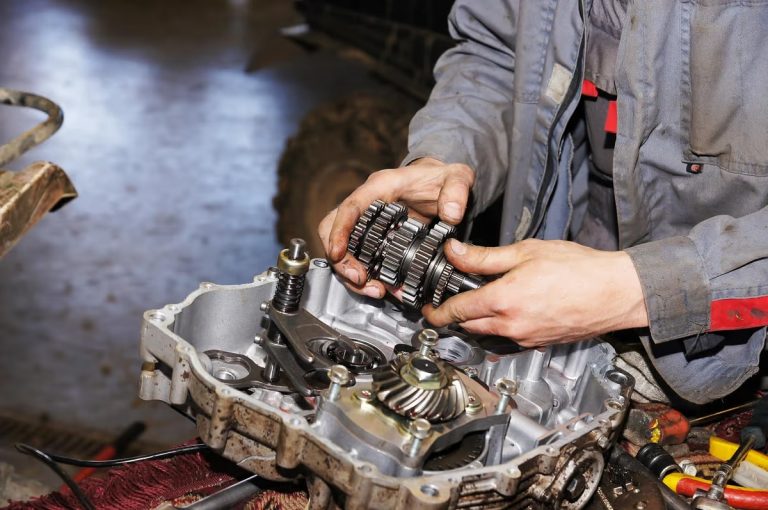
Hesitation can also indicate transmission issues, which worsen if ignored. Automatic or manual transmissions may experience delayed shifts, slipping, or jerking when the engine struggles to respond at low speeds. Prolonged stress on the transmission can cause overheating, premature wear of clutches, or damage to gears.
These issues can escalate into expensive repairs or complete transmission failure. Uneven power delivery also places stress on the drivetrain, including axles and differential components. Driving with hesitation continuously can accelerate mechanical wear, compromising vehicle reliability.
Early diagnosis of transmission-related hesitation ensures smooth power delivery, protects internal components, and maintains safe vehicle operation. Preventive attention avoids unexpected breakdowns and costly replacements.
Reduced Fuel Efficiency
A car that hesitates at low speeds often consumes more fuel than normal. Inconsistent combustion, misfires, or delayed throttle response forces the engine to work harder to achieve the desired acceleration. This leads to higher fuel consumption and inefficient energy use.
Long-term fuel inefficiency increases operating costs and accelerates wear on engine components. Replacing worn parts, cleaning fuel injectors, or addressing ignition issues can restore both performance and fuel economy. Monitoring the vehicle for hesitation not only prevents damage but also saves money on fuel over time.
Impact on Resale Value
Ignoring hesitation issues can negatively affect the resale or trade-in value of a vehicle. Buyers or dealerships often notice inconsistent acceleration, engine misfires, or transmission problems during inspections. Undiagnosed hesitation may suggest poor maintenance or deeper mechanical issues, reducing buyer confidence.
Proactively addressing hesitation preserves engine health and vehicle reliability, making the car more appealing to potential buyers. A well-maintained vehicle with smooth acceleration demonstrates responsible ownership and maintains higher resale value.
Solutions and Preventive Measures
Addressing car hesitation at low speeds requires a combination of immediate solutions and long-term preventive measures. Proper maintenance, timely repairs, and monitoring vehicle performance can restore smooth acceleration and prevent future issues. Understanding the root causes helps you apply the right solutions while protecting engine and transmission health.
Regular Fuel System Maintenance
A well-maintained fuel system is essential to prevent hesitation. Cleaning fuel injectors, replacing fuel filters, and ensuring the fuel pump functions properly help maintain consistent fuel flow to the engine. Clogged injectors or weak pumps can cause interruptions in fuel delivery, leading to sluggish acceleration.
Using high-quality fuel and occasionally adding fuel system cleaners can remove deposits and prevent buildup inside the fuel lines or injectors. Regular maintenance ensures the engine receives the right mixture of fuel and air, promoting efficient combustion. Scheduling periodic inspections and service appointments allows early detection of potential fuel system problems, reducing hesitation risks.
Proper fuel system care not only restores smooth acceleration but also improves engine performance, responsiveness, and fuel efficiency over time. Consistent attention to this system helps avoid costly repairs associated with prolonged neglect.
Ignition System Checks and Repairs
Faulty spark plugs, ignition coils, or wiring can directly contribute to hesitation at low speeds. Regular inspection of spark plugs for wear, fouling, or corrosion ensures proper combustion in each cylinder. Ignition coils should be tested periodically, as they can fail intermittently, disrupting spark delivery and causing engine lag.
Worn or damaged wires and connectors should be repaired or replaced to maintain reliable electrical flow. Ensuring a properly functioning ignition system allows the engine to respond immediately to throttle input, reducing misfires and improving low-speed performance.
Routine ignition maintenance minimizes hesitation, preserves engine health, and enhances fuel efficiency. Proactive attention to these components prevents minor issues from escalating into major engine or drivetrain failures.
Airflow and Sensor Management
Maintaining proper airflow is crucial for low-speed acceleration. Replacing dirty air filters, inspecting mass airflow sensors, and checking for vacuum leaks ensures that the engine receives the correct mixture of air and fuel. A balanced mixture supports smooth combustion and immediate power delivery.
Dirty or faulty sensors may send incorrect readings to the ECU, resulting in hesitation. Vacuum leaks allow unmetered air into the engine, disrupting the air-fuel ratio and causing stuttering or rough acceleration. Regular inspection and cleaning of intake components prevent these issues.
Proper airflow management ensures stable engine performance, reduces strain on fuel and ignition systems, and maintains smooth response at low speeds. Monitoring sensors and intake components is an essential preventive measure against hesitation.
Transmission and Throttle Maintenance
For vehicles with automatic or manual transmissions, proper maintenance is critical to prevent hesitation. Ensuring transmission fluid is clean and at the correct level promotes smooth gear shifts. A malfunctioning throttle body or electronic throttle control can disrupt power delivery, causing lag during acceleration.
Cleaning the throttle body, inspecting sensors, and servicing the transmission as recommended by the manufacturer restores consistent response. Smooth throttle operation allows precise control over engine output, reducing stress on the drivetrain and enhancing drivability.
Maintaining both transmission and throttle systems prevents uneven acceleration, preserves component longevity, and contributes to better overall vehicle performance. Timely servicing minimizes the risk of hesitation escalating into more serious mechanical problems.
Driving Habits and Preventive Practices
Driver habits also impact vehicle performance. Avoid aggressive acceleration from low speeds, maintain moderate engine loads, and allow periodic short drives to keep the battery and engine components in optimal condition.
Regularly monitoring dashboard indicators, unusual sounds, or vibrations can alert you to early hesitation symptoms. Addressing minor issues promptly reduces stress on the engine, fuel system, and transmission, preventing long-term damage.
Adopting preventive driving and maintenance practices ensures smoother low-speed acceleration, enhances fuel efficiency, and extends the life of essential vehicle components. Consistent attention to both the vehicle and driving habits significantly reduces the risk of hesitation recurrence.
FAQs
Why Does My Car Hesitate When Accelerating At Low Speed?
A car can hesitate during low-speed acceleration due to issues in the fuel system, ignition system, or air intake. Weak fuel pumps, clogged injectors, or dirty air filters can prevent proper fuel delivery, while worn spark plugs or faulty ignition coils disrupt combustion.
Electrical or sensor malfunctions, such as a failing throttle position sensor or mass airflow sensor, may also interfere with the engine’s response. Identifying which system is affected helps you apply the right solution, ensuring smoother acceleration, better performance, and preventing further engine stress.
Can Dirty Fuel Injectors Cause Hesitation At Low Speeds?
Yes, dirty or clogged fuel injectors can significantly affect low-speed acceleration. Injectors are responsible for spraying fuel into the engine in a precise pattern. When they become clogged, fuel delivery is uneven, causing misfires, sputtering, or hesitation when accelerating.
Regular fuel system maintenance, including injector cleaning or replacement, restores proper fuel flow and combustion. Using high-quality fuel and periodic fuel additives can prevent buildup, ensuring smoother performance and preventing long-term engine damage caused by inconsistent fuel delivery.
How Does The Ignition System Affect Low-Speed Acceleration?
The ignition system, including spark plugs, ignition coils, and wiring, is critical for smooth acceleration. Worn or fouled spark plugs can fail to ignite fuel properly, while failing ignition coils disrupt spark delivery, causing hesitation.
Electrical problems in the ignition wiring can also result in inconsistent combustion. Maintaining and replacing worn components restores smooth engine response. Proper ignition system care ensures the engine delivers power consistently, improving low-speed performance, reducing fuel consumption, and preventing further mechanical stress.
Can Transmission Problems Cause Hesitation At Low Speeds?
Yes, transmission issues can contribute to hesitation. Automatic transmissions may experience delayed gear engagement, slipping, or jerking, which affects acceleration. Manual transmissions can hesitate if the clutch or linkage is worn.
Low or dirty transmission fluid worsens the problem by reducing hydraulic efficiency and delaying shifts. Regular transmission maintenance, including fluid checks, filter replacement, and clutch inspection, ensures smooth power delivery. Addressing transmission problems promptly restores low-speed acceleration and prevents expensive repairs caused by prolonged stress on drivetrain components.
Does Air Intake Or Vacuum Leaks Cause Hesitation?
Air intake problems and vacuum leaks are common causes of low-speed hesitation. A clogged air filter restricts airflow, while malfunctioning sensors, like the mass airflow or manifold absolute pressure sensor, may send incorrect signals to the engine control unit.
Vacuum leaks allow unmetered air into the intake, disrupting the air-fuel mixture and causing rough acceleration. Cleaning air filters, inspecting sensors, and repairing vacuum leaks restore proper airflow, improve combustion efficiency, and eliminate hesitation during low-speed driving.
Can Poor Fuel Quality Lead To Hesitation?
Yes, poor fuel quality or contaminated gasoline can cause hesitation. Low-octane fuel, water contamination, or old gasoline can affect combustion, resulting in misfires, stuttering, or delayed acceleration.
Using fuel from reliable sources and avoiding long-term storage prevents contamination. Fuel additives can help clean deposits and maintain injector performance. Ensuring good fuel quality supports efficient combustion, reduces hesitation, and maintains smooth low-speed acceleration while protecting engine components from unnecessary wear.
How Can I Prevent My Car From Hesitating At Low Speeds?
Preventing hesitation requires regular maintenance and monitoring. Keep fuel filters, spark plugs, and air filters clean, inspect ignition and throttle systems, and check for vacuum leaks or transmission issues. Driving habits, such as avoiding sudden acceleration or overloading, also help.
Using high-quality fuel and performing periodic inspections of sensors, injectors, and the drivetrain ensures the engine remains responsive. Preventive measures reduce the risk of hesitation, maintain fuel efficiency, improve performance, and extend the lifespan of critical vehicle components.
Conclusion
Experiencing hesitation while accelerating at low speeds often signals that your vehicle’s engine or fuel system needs attention. Common causes include dirty fuel injectors, a malfunctioning throttle body, vacuum leaks, or ignition system problems. Addressing these issues promptly ensures smooth acceleration and prevents further damage to your engine or transmission.
Regular maintenance plays a critical role in preventing hesitation. Cleaning fuel injectors, inspecting spark plugs, and checking throttle components help maintain optimal engine performance. Additionally, monitoring air filters and looking for vacuum leaks can improve fuel-air mixture consistency, reducing low-speed hesitation.
If your car hesitates when accelerating at low speed, it’s important to diagnose the root cause and perform necessary repairs. Timely action improves fuel efficiency, enhances driving safety, and prolongs the life of your vehicle’s engine and transmission, ensuring reliable performance in everyday driving conditions.