Why Your Engine Makes Ticking Sounds When Accelerating – Causes, Diagnosis, and Solutions
Hearing unusual ticking noises from your engine during acceleration can be concerning and distracting. These sounds often indicate that certain engine components are not operating as smoothly as they should, potentially signaling wear, lubrication issues, or other mechanical problems. Paying attention to the timing, frequency, and location of the noise provides crucial clues to the underlying cause.
Engines are complex systems with multiple moving parts that must work in harmony. Components such as valves, lifters, fuel injectors, and exhaust systems can all produce ticking sounds under normal or stressed conditions. However, persistent or loud ticking usually points to an issue that needs attention to prevent further damage.
Understanding the source of these noises helps in diagnosing the problem accurately and determining the necessary repairs. Early detection protects engine longevity, maintains performance, and prevents small issues from escalating into costly repairs.
Why Your Engine Makes Ticking Sounds When Accelerating helps drivers identify the most common causes, evaluate the severity, and take the right actions to restore smooth, quiet engine operation. Recognizing patterns and symptoms allows for timely maintenance and keeps the engine running reliably.
Common Causes Engine Makes Ticking Sounds When Accelerating
Ticking sounds from the engine during acceleration can be unsettling, and understanding the common causes helps you pinpoint potential problems before they escalate. These noises often originate from components that are worn, improperly lubricated, or under stress, and they can indicate issues ranging from minor maintenance needs to serious engine concerns. Knowing what to check can save both money and future damage.
Low Or Dirty Engine Oil
One of the most frequent causes of ticking noises under acceleration is low or dirty engine oil. Engine oil lubricates moving parts, reducing friction and heat. When oil levels are low, or the oil has degraded, components such as lifters, camshafts, and valves may not receive adequate lubrication, resulting in metal-on-metal contact that produces a noticeable ticking sound.
Dirty oil containing sludge or debris loses its ability to coat and protect engine parts properly. Over time, this friction accelerates wear on critical components, potentially leading to more severe problems like bent valves or worn cam lobes. Drivers may notice that the ticking sound is louder when the engine is cold and diminishes slightly as the oil circulates, indicating poor lubrication.
Regular oil changes with the correct type and grade of oil help maintain proper lubrication and prevent ticking noises. Checking oil levels frequently and topping up when necessary ensures that lifters and other engine components operate smoothly, reducing metal-to-metal contact and protecting engine longevity.
Worn Valvetrain Components
The valvetrain, which includes lifters, pushrods, rocker arms, and valves, is responsible for controlling the timing and movement of engine valves. Wear in any of these components can create ticking or tapping noises, especially noticeable during acceleration when the engine operates at higher RPMs.
Hydraulic lifters, for example, can lose their ability to maintain proper valve clearance over time. This causes small gaps in the valvetrain, producing a rhythmic ticking sound as the valves open and close. Rocker arms or pushrods that are bent, worn, or misaligned also contribute to similar noises.
Worn valvetrain components may be accompanied by rough idling, reduced power, or performance inconsistencies. Early replacement of affected parts prevents further engine damage and maintains optimal valve operation. Regular inspections of the valvetrain, especially in high-mileage engines, help identify wear before ticking evolves into more serious mechanical problems.
Exhaust Leaks Or Manifold Issues
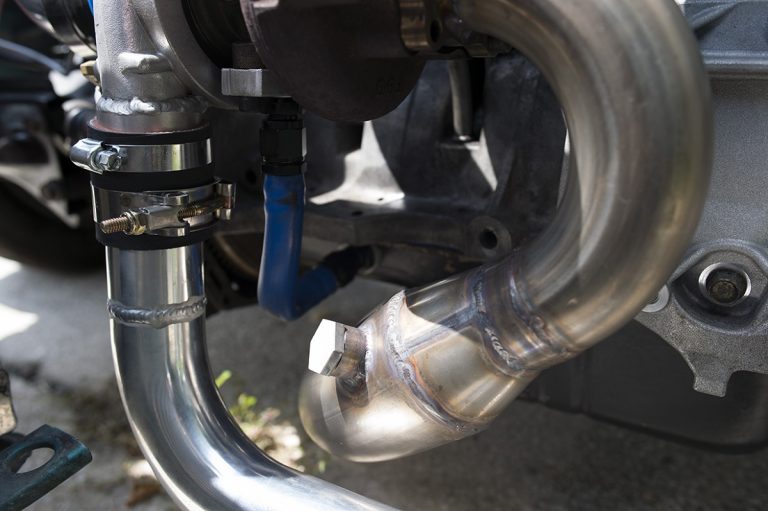
Exhaust leaks are another common source of ticking sounds during acceleration. A small crack or gap in the exhaust manifold or nearby connections allows hot gases to escape, creating a sharp ticking or tapping noise that often intensifies under load.
These leaks can occur due to rust, metal fatigue, or loose bolts, and the ticking is usually more noticeable when the engine is cold or during rapid acceleration. Over time, exhaust leaks can reduce engine efficiency, increase emissions, and potentially allow harmful gases to enter the cabin.
Addressing exhaust leaks promptly prevents further deterioration of the manifold and related components. Tightening bolts, replacing gaskets, or repairing cracks restores proper exhaust flow, eliminates ticking sounds, and helps maintain engine performance and emission compliance. Regular inspection of the exhaust system is essential to catch leaks early.
Fuel Injector Noises
Fuel injectors deliver precise amounts of fuel to the combustion chamber, and their rapid operation can sometimes produce a ticking sound that echoes through the engine. While some injector noise is normal, excessively loud or irregular ticking during acceleration may indicate clogged, dirty, or malfunctioning injectors.
Dirty injectors may not atomize fuel properly, causing uneven combustion and additional vibrations that amplify ticking sounds. Failing injectors can also cause misfires, hesitation, or rough acceleration. Symptoms may worsen as engine load increases, making the noise more prominent during uphill driving or full-throttle acceleration.
Cleaning or replacing problematic injectors restores proper fuel delivery, smooth combustion, and reduces engine noise. Using high-quality fuel, periodic injector cleaning, and professional inspections ensures the injectors operate quietly and efficiently, preventing both performance loss and the risk of further engine wear.
Carbon Build-Up Or Engine Deposits
Over time, carbon deposits can accumulate on valves, pistons, and cylinder heads, particularly in engines that run on lower-quality fuel or experience incomplete combustion. These deposits can cause ticking noises when accelerating by interfering with proper valve operation or creating hotspots in the combustion chamber.
Carbon build-up may lead to misfires, knocking, or uneven engine performance in addition to the ticking sound. Drivers might notice that the noise becomes louder as the engine warms up and combustion pressure increases during acceleration. High-mileage engines are especially prone to this issue.
Periodic use of fuel system cleaners, professional decarbonization treatments, or maintaining high-quality fuel usage helps reduce deposit formation. Removing carbon build-up restores smooth engine operation, reduces ticking noises, and helps maintain performance and fuel efficiency over time.
How To Diagnose Engine Makes Ticking Sounds When Accelerating
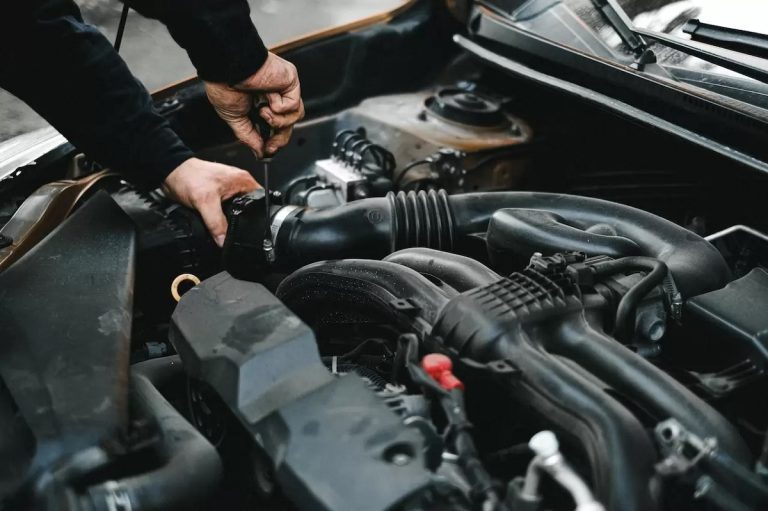
Hearing ticking noises from your engine during acceleration can be concerning, but accurate diagnosis helps identify the root cause and prevents further damage. Pinpointing the source requires careful observation, component inspection, and sometimes the use of diagnostic tools. By understanding where the noise comes from and under what conditions it occurs, drivers can make informed decisions about repairs and maintenance.
Observe Noise Patterns And Driving Conditions
The first step in diagnosing engine ticking is to observe when and how the noise occurs. Pay attention to whether the sound appears only during acceleration, changes with engine RPM, or occurs at idle. Ticking that intensifies under load or when the engine is cold often points to lubrication or valvetrain issues.
Take note of whether the ticking occurs consistently or intermittently, as this provides clues to the underlying cause. For example, noises that appear only during hard acceleration may be linked to fuel injectors or exhaust manifold leaks, whereas continuous ticking could indicate worn engine components or low oil pressure.
Documenting these patterns during daily driving helps narrow down the source and provides valuable information for a mechanic if professional assistance is required. Understanding the timing, frequency, and conditions of the ticking is essential to a precise diagnosis.
Inspect Engine Oil Levels And Condition
Low or dirty engine oil is one of the most common contributors to ticking noises. Checking the oil level and quality is a simple but crucial diagnostic step. Low oil may prevent proper lubrication of lifters, camshafts, and other moving parts, causing metal-on-metal contact that produces ticking sounds.
Inspect the oil for discoloration, sludge, or a burnt smell, which can indicate contamination or degradation. Dirty oil loses its lubricating properties, increasing friction and wear on engine components. Observing whether the ticking decreases as the engine warms up can also suggest lubrication issues.
Performing an oil change with the correct grade of oil and ensuring proper oil levels often resolves ticking caused by lubrication problems. Regular oil maintenance is essential to prevent ongoing engine wear and reduce the likelihood of ticking noises returning.
Examine Valvetrain Components
The valvetrain, including lifters, rocker arms, pushrods, and valves, should be closely inspected when diagnosing engine ticking. Worn or misadjusted components create gaps in the valve mechanism, producing rhythmic tapping sounds under acceleration.
Hydraulic lifters, in particular, can lose their ability to maintain proper valve clearance, leading to noticeable ticking. Rocker arms that are bent or misaligned also contribute to irregular movement and metal contact. Visual inspection, combined with listening near the valve cover while the engine is running, helps identify these issues.
Symptoms of valvetrain-related ticking often include rough idling, decreased engine performance, or uneven power delivery. Replacing or adjusting affected components restores smooth valve operation and eliminates the ticking noise, preventing further engine wear. Regular maintenance and inspection of the valvetrain in high-mileage engines are recommended.
Check Fuel Injectors And Combustion System
Fuel injectors can produce ticking sounds as they rapidly open and close, delivering fuel to the combustion chamber. While some injector noise is normal, excessively loud or irregular ticking often indicates clogging, dirt, or malfunction.
To diagnose injector issues, inspect for leaks, spray pattern irregularities, or inconsistent engine performance. Symptoms may include misfires, rough acceleration, or hesitation when pressing the gas pedal. Listening closely during acceleration can help differentiate injector noise from valvetrain or exhaust-related ticking.
Cleaning or replacing problematic injectors restores proper fuel atomization and smooth combustion. Regular fuel system maintenance, including using quality fuel and injector cleaners, helps prevent recurring noises and ensures efficient engine performance.
Inspect Exhaust System And Manifolds
Exhaust leaks or damaged manifolds are a common source of ticking noises during acceleration. Cracks, rust, or loose bolts can allow hot gases to escape, producing sharp ticking or tapping sounds that intensify under load.
To diagnose exhaust-related ticking, visually inspect the manifold, gaskets, and connections. Using a mechanic’s stethoscope or carefully listening near the exhaust while the engine is running can help pinpoint leaks. Ticking that increases with acceleration or decreases when the engine is cold often indicates manifold issues.
Repairing leaks, tightening bolts, or replacing damaged gaskets restores proper exhaust flow, eliminates ticking, and improves engine efficiency. Routine inspection of the exhaust system is essential to catch early leaks before they escalate into more severe problems.
Monitor Engine Performance And Use Diagnostic Tools
Using an OBD-II scanner or other diagnostic tools can provide additional insights when diagnosing ticking noises. Error codes related to misfires, fuel delivery, or valve timing help identify the system responsible for the sound.
Monitoring live data such as fuel trims, ignition timing, and RPM fluctuations can reveal inconsistencies causing the ticking. This approach helps differentiate between valvetrain, fuel injector, and exhaust-related issues.
Combining observations, component inspections, and diagnostic tool readings ensures a thorough understanding of the engine’s condition. Accurate diagnosis guides effective repairs, reduces unnecessary part replacements, and restores smooth, quiet acceleration.
Effective Fixes For Engine Ticking Sounds When Accelerating
Addressing engine ticking sounds during acceleration is crucial for maintaining performance, safety, and long-term engine health. Effective fixes target the root causes, such as lubrication issues, worn components, fuel system problems, or exhaust leaks. Implementing proper repairs or maintenance not only eliminates the ticking but also prevents further engine damage and ensures smooth, reliable acceleration under various driving conditions.
Change Engine Oil And Maintain Proper Lubrication
One of the simplest yet most effective solutions for engine ticking is ensuring the engine has clean, adequate oil. Low or dirty oil causes friction between moving parts like lifters, camshafts, and valves, producing the characteristic ticking sound. Replacing old oil with the manufacturer-recommended grade restores proper lubrication and reduces metal-on-metal contact.
In addition to changing the oil, replacing the oil filter helps maintain consistent flow and prevents contaminants from circulating through the engine. Using high-quality oil and adhering to regular maintenance intervals keeps the valvetrain and other components properly lubricated, minimizing wear.
Engine oil additives or treatments designed to quiet lifters can also be used in certain cases, though they are not a permanent substitute for worn components. Maintaining proper lubrication ensures smoother operation, prolongs engine life, and prevents the recurrence of ticking noises under acceleration.
Replace Worn Valvetrain Components
Ticking noises often originate from worn or misaligned valvetrain components, including lifters, rocker arms, pushrods, and valves. Replacing or adjusting these parts eliminates the gaps and irregular movements that create rhythmic ticking during acceleration.
Hydraulic lifters that have lost their ability to maintain proper valve clearance should be replaced to restore consistent valve operation. Similarly, worn or bent rocker arms and pushrods should be inspected and replaced to ensure the valvetrain functions smoothly.
Replacing these components restores correct valve timing, reduces internal friction, and eliminates the ticking sound. Regular inspection, particularly on high-mileage engines, helps prevent valvetrain wear from escalating into more serious issues, ensuring reliable engine performance and smooth acceleration.
Clean Or Replace Fuel Injectors
Fuel injectors can contribute to engine ticking if they are clogged, dirty, or malfunctioning. Cleaning injectors using professional-grade solutions restores proper spray patterns and ensures consistent fuel atomization, reducing uneven combustion and associated noise.
For injectors that are heavily worn or damaged, replacement is often the most effective solution. Properly functioning injectors deliver the correct amount of fuel at the right time, which minimizes misfires and eliminates vibrations that amplify ticking noises.
Routine maintenance, including fuel system cleaning and using high-quality fuel, helps prevent injector-related ticking from recurring. Ensuring the fuel system operates efficiently improves acceleration smoothness, restores engine power, and reduces strain on the valvetrain and other engine components.
Repair Exhaust Leaks And Manifold Issues
Exhaust-related ticking often results from leaks in the manifold or nearby gaskets. Addressing these leaks promptly prevents noise, improves engine efficiency, and protects the exhaust system from further deterioration.
Repairs may involve tightening loose bolts, replacing gaskets, or welding minor cracks in the manifold. Proper repair restores exhaust flow, reduces pressure build-up, and eliminates ticking noises. Leaks left unaddressed can cause poor performance, increased emissions, and heat damage to surrounding components.
Regular inspection of the exhaust system, particularly after high-mileage use or exposure to corrosion, helps catch leaks early. Correcting manifold or gasket issues ensures quieter engine operation and prevents the ticking sound from returning during acceleration.
Perform Regular Maintenance And Monitoring
Preventive maintenance is key to avoiding engine ticking in the first place. Regular oil changes, valvetrain inspections, fuel system cleaning, and exhaust checks help maintain proper engine operation and prevent wear that causes ticking sounds.
Using diagnostic tools to monitor engine performance, including OBD-II scanners, can detect misfires, fuel irregularities, or valve timing issues early. Addressing these problems promptly prevents long-term damage and eliminates ticking before it becomes more serious.
Combining proactive maintenance with timely repairs ensures the engine runs smoothly, reduces vibration and noise during acceleration, and prolongs overall vehicle reliability. Keeping the engine well-maintained is the most effective way to prevent ticking sounds and maintain consistent, safe performance.
Risks Of Ignoring Engine Ticking Sounds
Hearing ticking noises from your engine during acceleration is more than just a minor annoyance. These sounds often indicate underlying issues that, if left unaddressed, can escalate into serious mechanical problems. Ignoring engine ticking not only affects performance but also increases the risk of costly repairs and compromises vehicle safety, making timely attention essential for maintaining long-term reliability.
Increased Engine Wear And Damage
Persistent engine ticking usually points to wear or stress in critical components such as lifters, valves, or camshafts. Ignoring these noises allows friction and metal-to-metal contact to continue, accelerating deterioration. Over time, this can lead to major mechanical failures that affect the overall integrity of the engine.
Worn valvetrain components or inadequate lubrication exacerbate internal stress. Metal surfaces rubbing against each other create heat and friction, which can damage pistons, cylinder heads, or the timing mechanism. Minor ticking may eventually progress to knocking or more severe tapping, signaling serious internal damage.
Delaying repairs increases the likelihood of extensive engine damage, resulting in expensive replacements or rebuilds. Addressing the root cause early, such as oil changes or component replacement, minimizes wear and preserves engine lifespan while maintaining smooth, safe acceleration.
Reduced Engine Performance And Fuel Efficiency
Engine ticking often affects combustion efficiency, leading to uneven power delivery and reduced acceleration performance. Misfires, fuel injector issues, or valvetrain problems create inconsistent engine operation, making acceleration less responsive and reducing overall power output.
These issues also increase fuel consumption, as the engine works harder to compensate for inefficiencies. Hesitation, rough idling, or sluggish throttle response are common signs that performance has been compromised. Over time, continued inefficiency can cause strain on other systems, such as the transmission or drivetrain.
Ignoring ticking noises results in suboptimal driving performance and higher fuel costs. Timely diagnosis and repair restore smooth combustion, improve throttle response, and ensure the engine delivers consistent power, enhancing both performance and efficiency.
Safety Hazards While Driving
Engine ticking, while seemingly minor, can contribute to safety risks. Component wear or misfires can lead to unexpected power loss or engine hesitation during acceleration, particularly in traffic or when merging onto highways.
Inconsistent engine response reduces control over the vehicle, increasing the risk of accidents. Ticking caused by valve or injector problems may also lead to stalling under load or uneven throttle behavior, creating unpredictable driving conditions. Drivers may become distracted or stressed by persistent noise, further impacting safety.
Addressing ticking noises promptly ensures reliable engine operation, predictable acceleration, and safer driving conditions. Maintaining engine health prevents sudden mechanical issues that could compromise vehicle control.
Escalating Repair Costs
Delaying repairs when engine ticking occurs often leads to higher repair costs. Minor issues like worn lifters, dirty injectors, or low oil levels are relatively inexpensive to fix. Ignoring them allows damage to spread to pistons, valves, or the exhaust system, increasing repair complexity and cost.
Prolonged ticking can also shorten the lifespan of related components, creating a chain reaction of wear. Multiple replacements may be required simultaneously, resulting in significant expense. Timely intervention reduces the scope of repairs, prevents secondary damage, and preserves the engine’s reliability.
Regular maintenance and addressing ticking noises early minimize repair costs while ensuring smooth engine performance. Acting promptly protects both the vehicle and your wallet.
Long-Term Vehicle Longevity Impact
Ongoing engine ticking accelerates wear across multiple systems, including the valvetrain, fuel system, and exhaust components. Continuous stress and friction shorten component lifespans, ultimately reducing the overall longevity of the vehicle.
Ignoring these issues may also lead to secondary problems, such as misaligned components, carbon buildup, or transmission strain. These factors can compromise performance, efficiency, and reliability over time. Proactive repair and maintenance extend engine life, preserve smooth acceleration, and protect vehicle value.
Addressing ticking noises early ensures consistent performance, safer driving, and longer vehicle lifespan. Timely attention prevents minor sounds from escalating into major mechanical failures.
People Also Asked
What Causes My Engine To Make Ticking Sounds When Accelerating?
You may hear ticking sounds during acceleration due to several common issues in your engine. Low or dirty engine oil is a frequent culprit, as it reduces lubrication for components like lifters, camshafts, and valves, creating metal-on-metal contact.
Worn valvetrain components, including hydraulic lifters, rocker arms, or pushrods, can also produce ticking. Additionally, fuel injectors rapidly opening and closing or small exhaust leaks can create similar noises. Identifying the exact cause requires careful observation and inspection of engine systems to prevent further damage and maintain smooth performance.
Is Engine Ticking Dangerous For My Vehicle?
Yes, engine ticking can be dangerous if ignored. While some minor ticking may be normal in older engines, persistent or loud ticking often indicates component wear or lubrication issues. Over time, this can accelerate engine damage, affecting pistons, valves, or camshafts.
Ignoring ticking also impacts performance, fuel efficiency, and safety. Components stressed by continued friction may fail unexpectedly, leading to engine misfires, poor acceleration, or even sudden breakdowns. Addressing ticking early ensures safer driving, prevents costly repairs, and helps maintain reliable engine operation over time.
Can Low Engine Oil Cause Ticking Sounds?
Absolutely, low or degraded engine oil is a primary cause of ticking noises during acceleration. Engine oil lubricates moving parts, reducing friction and heat. When oil levels are insufficient or the oil is dirty, components such as lifters and valves may not move smoothly, producing ticking sounds.
Dirty oil can contain sludge or debris, further reducing lubrication efficiency and increasing wear on internal engine parts. Checking oil levels regularly, maintaining the correct grade, and performing scheduled oil changes can eliminate ticking caused by lubrication issues and protect your engine from long-term damage.
How Do Worn Valvetrain Components Affect Engine Noise?
Worn valvetrain components, including lifters, rocker arms, pushrods, and valves, can create rhythmic ticking noises. Hydraulic lifters that lose proper clearance or rocker arms that bend over time allow metal parts to make contact, producing a tapping sound.
These components also affect engine timing and combustion efficiency. If ignored, worn valvetrain parts can lead to misfires, rough acceleration, and additional engine stress. Replacing or adjusting faulty components restores proper operation, reduces noise, and ensures smooth performance during acceleration.
Can Fuel Injectors Make My Engine Tick?
Yes, fuel injectors can produce ticking sounds as they operate. Each injector opens and closes rapidly to deliver fuel to the combustion chamber. While a slight ticking may be normal, excessive or irregular noise usually indicates clogged or malfunctioning injectors.
Dirty injectors disrupt proper fuel atomization, causing misfires, uneven combustion, and vibrations that amplify ticking sounds. Cleaning or replacing affected injectors restores smooth fuel delivery, improves acceleration, and eliminates irregular engine noises, ensuring more reliable performance and fuel efficiency.
Could Exhaust Leaks Cause Ticking During Acceleration?
Exhaust leaks are a common cause of ticking sounds, particularly during acceleration. Small cracks in the manifold or loose gaskets allow hot gases to escape, producing a sharp, rhythmic ticking noise that often grows louder under engine load.
Ignoring exhaust leaks can reduce engine efficiency, increase emissions, and allow heat damage to nearby components. Repairing leaks through gasket replacement, tightening bolts, or welding cracks restores proper exhaust flow, eliminates ticking sounds, and helps maintain engine performance and safety.
How Can I Prevent Engine Ticking In The Future?
Preventing engine ticking involves consistent maintenance and monitoring of your engine. Regular oil changes with the correct grade, inspection of valvetrain components, fuel system cleaning, and checking the exhaust system can significantly reduce the risk of ticking noises.
Using high-quality fuel and performing scheduled maintenance helps prevent carbon buildup, injector clogging, and lubrication issues. Additionally, promptly addressing any early signs of ticking ensures minor problems do not escalate, preserving engine performance, improving fuel efficiency, and maintaining reliable and smooth acceleration for years.
Final Thoughts
Understanding the reasons behind unusual engine noises is essential for keeping your vehicle in top condition. Ticking sounds during acceleration often signal issues ranging from low engine oil, worn lifters, or exhaust leaks to problems with fuel injectors or timing components. Addressing these early can prevent further damage and ensure smooth engine performance.
Regular maintenance, such as checking oil levels, inspecting valve train components, and keeping the fuel system clean, can significantly reduce the likelihood of ticking noises. Ignoring these signs may lead to reduced fuel efficiency, decreased engine power, or even severe engine failure, which can be costly to repair.
Pay close attention to your vehicle’s behavior and seek professional inspection when needed. Knowing Why Your Engine Makes Ticking Sounds When Accelerating: helps you act proactively, protect your engine, and maintain a safe, reliable driving experience over the long term.