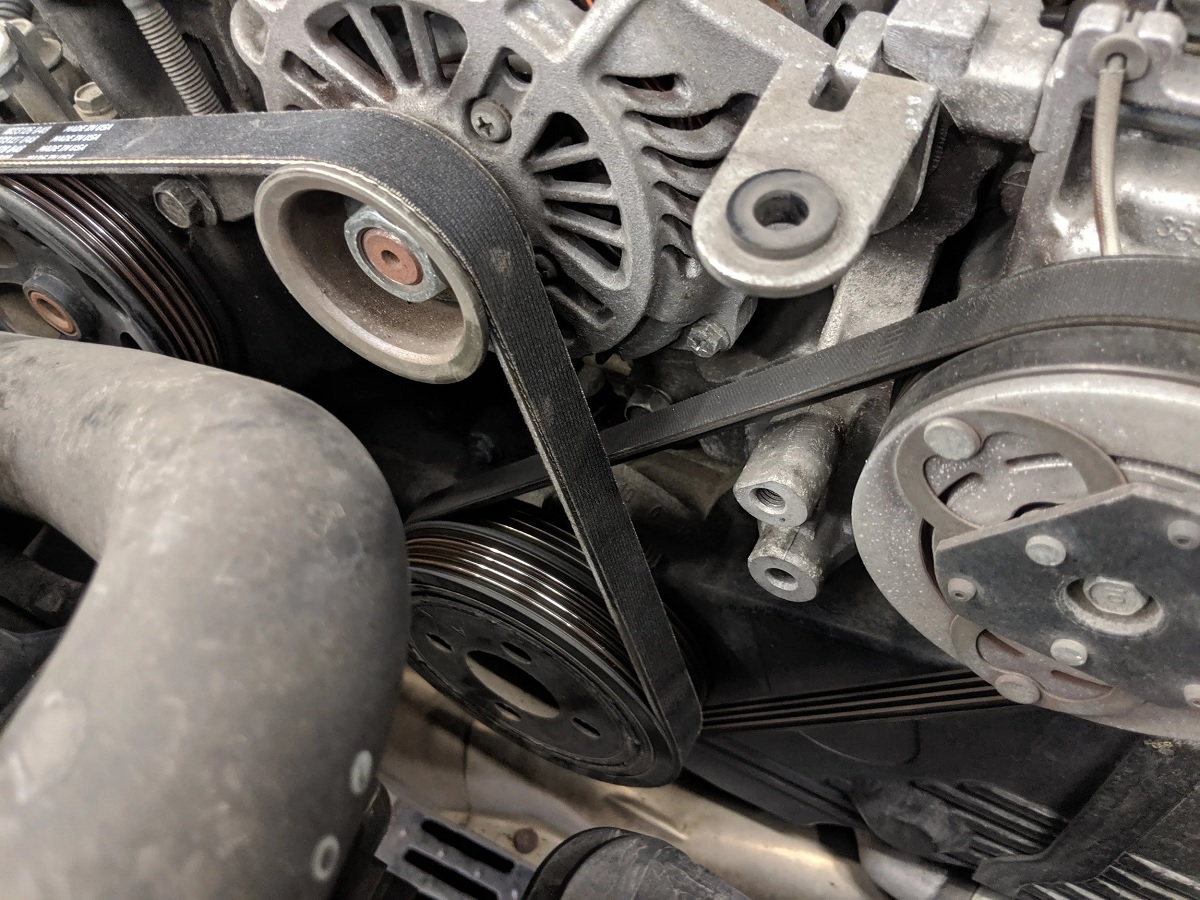
Loose Power Steering Belt Symptoms: How to Identify and Fix Them
A properly functioning power steering system is essential for smooth and controlled vehicle handling. When the components of this system, particularly the power steering belt, begin to wear or loosen, it can significantly affect steering performance. Drivers may notice unusual noises, difficulty turning, or inconsistent steering response, which are early indicators of potential issues.
[Loose power steering belt symptoms] often start subtly, such as a squealing or chirping sound when turning the wheel or when the engine is running at higher RPMs. Over time, these symptoms can become more pronounced, leading to reduced power assistance and increased steering effort.
Recognizing these signs early is crucial for preventing further damage to the power steering pump, pulley, or other connected components. Paying attention to vehicle behavior during daily driving, especially when making tight turns or maneuvering at low speeds, can help detect problems before they escalate.
Understanding the common symptoms of a loose power steering belt allows drivers to take timely action, maintain safe vehicle control, and avoid expensive repairs. Proactive inspection and maintenance ensure consistent performance and longer component life.
Common Signs of a Loose Power Steering Belt
A loose power steering belt can significantly affect your vehicle’s steering performance and overall safety. This belt is responsible for transmitting engine power to the power steering pump, enabling smooth, effortless steering. When it becomes loose or worn, drivers may notice unusual noises, difficulty steering, or inconsistent vehicle response. Recognizing these signs early helps prevent further damage to the power steering system and avoids costly repairs.
Squealing or Chirping Noises
One of the most common indicators of a loose power steering belt is a squealing or chirping noise coming from the engine bay. This sound usually occurs when the engine is started, during acceleration, or when turning the steering wheel. The noise is caused by the belt slipping over the pulleys, reducing the efficiency of power transmission to the steering pump.
Drivers may initially notice the sound only in certain conditions, such as cold starts or sudden steering maneuvers. Over time, the squealing may become more persistent and louder, signaling that the belt is significantly loose or worn. Ignoring this noise can lead to further slippage, reduced steering assistance, and potential damage to the pulley or pump.
Addressing squealing noises promptly by inspecting the belt’s tension and condition can prevent more severe issues. Tightening or replacing the belt restores proper power flow, ensures smooth steering, and prolongs the life of connected components.
Difficulty Turning the Steering Wheel
A loose power steering belt reduces the effectiveness of the power steering pump, making steering feel heavier or more difficult. Drivers may notice increased resistance when making tight turns, parking, or maneuvering at low speeds. This symptom is often more pronounced during slow-speed driving, where the steering system relies heavily on hydraulic assistance.
Persistent difficulty in steering can strain the driver, especially in stop-and-go traffic or when navigating sharp corners. Over time, a loose belt can also stress the power steering pump, potentially leading to premature failure or fluid leaks.
Monitoring how the steering feels during regular driving provides early warning signs. Addressing the loose belt restores proper hydraulic pressure, reduces steering effort, and ensures safer, more responsive handling in all driving conditions.
Vibrations or Jerking in the Steering
Another symptom of a loose power steering belt is noticeable vibration or jerking when turning the wheel. This occurs because inconsistent tension on the belt causes uneven power delivery to the steering pump, leading to temporary fluctuations in hydraulic pressure.
Drivers may feel the steering wheel twitch or jerk slightly, particularly during low-speed maneuvers or when applying sudden pressure to the wheel. These vibrations can also be accompanied by unusual sounds or intermittent loss of power steering assistance.
Promptly inspecting and correcting belt tension resolves these issues and prevents further wear on the pulley, pump, and belt. Maintaining consistent belt tension ensures smooth steering input, reducing vibration and improving overall vehicle control.
Visible Wear or Looseness on the Belt
Physical inspection of the power steering belt can reveal obvious signs of looseness or wear. Look for fraying edges, cracks, glazing, or slack when checking the belt’s tension. A belt that moves more than a half-inch under moderate pressure may be too loose to function properly.
Worn or loose belts compromise the efficiency of the power steering pump, leading to heavy steering, unusual noises, and inconsistent hydraulic pressure. Replacing a damaged belt restores proper tension and ensures reliable operation of the steering system.
Routine inspections, especially during oil changes or seasonal maintenance, help catch early signs of wear and prevent sudden belt failure. Addressing visible damage quickly maintains smooth, responsive steering and prolongs the lifespan of connected components.
Fluid Leaks or Low Power Steering Fluid
Although not always directly caused by the belt itself, a loose power steering belt can contribute to leaks or low fluid levels by reducing pump efficiency. Drivers may notice the steering pump struggling to maintain hydraulic pressure, resulting in hissing sounds or fluid dripping from hoses and connections.
Low fluid intensifies symptoms such as heavy steering, squealing noises, and jerking movements. Checking fluid levels regularly and inspecting the system for leaks can indicate underlying belt tension issues or worn components.
Maintaining proper fluid levels and addressing any leaks ensures that the power steering system operates efficiently, reduces strain on the pump, and improves steering responsiveness. Combined with proper belt tension, this prevents more serious mechanical problems.
Causes Behind a Loose Power Steering Belt
A loose power steering belt can affect vehicle handling, steering responsiveness, and overall safety. Understanding the common causes behind belt looseness helps drivers take preventive measures and address issues before they lead to more serious damage. Factors such as wear, misalignment, or tensioner problems can all contribute to a belt losing its proper grip, affecting the efficiency of the power steering system. By identifying the root causes, drivers can maintain smooth steering performance and avoid costly repairs.
Worn or Stretched Belt
One of the most frequent causes of a loose power steering belt is natural wear or stretching over time. Power steering belts are made of rubber or composite materials, which can degrade due to heat, friction, and prolonged use. As the belt ages, it may lose elasticity, resulting in slack and reduced tension.
Drivers may not notice the gradual stretching at first, but over months or years, the loss of tension can cause squealing noises, vibrations, or difficulty turning the steering wheel. A stretched belt fails to transmit power efficiently from the engine to the steering pump, compromising hydraulic assistance.
Replacing worn or stretched belts promptly restores proper tension and prevents additional stress on the pulley, pump, and other connected components. Regular inspections during routine maintenance, such as oil changes or seasonal checkups, can catch early signs of wear before performance is affected.
Misaligned Pulleys
Misalignment of the pulleys connected to the power steering system can also cause a belt to become loose. Pulleys may shift slightly due to worn bearings, improper installation, or engine vibrations, preventing the belt from maintaining proper contact.
A misaligned pulley often causes uneven wear on the belt’s edges and contributes to slippage or squealing noises. Over time, continued misalignment can damage both the belt and the pulleys, leading to decreased power steering efficiency and potential component failure.
Ensuring proper pulley alignment during inspections or maintenance is essential. Mechanics can adjust pulleys or replace worn bearings to restore correct positioning. Correct alignment maintains belt tension, reduces slippage, and ensures smooth and responsive steering performance.
Faulty Tensioner Mechanism
Many vehicles use a tensioner to automatically maintain proper belt tension. A failing or weakened tensioner can allow the power steering belt to loosen, especially under load or during engine startup. Tensioner issues often arise from worn springs, rust, or mechanical fatigue.
A faulty tensioner can cause the belt to slip intermittently, resulting in squealing noises, jerky steering, or reduced hydraulic pressure in the power steering system. Drivers may notice the problem more when turning the wheel at low speeds or during repeated steering maneuvers.
Replacing or repairing the tensioner restores consistent belt tension, ensuring efficient power transmission to the steering pump. Regular inspection of the tensioner during maintenance helps identify problems before they affect steering performance or damage the belt.
Exposure to Extreme Temperatures
Extreme temperatures, both hot and cold, can affect the elasticity and durability of a power steering belt. High engine heat can cause the belt to dry out or crack, while freezing temperatures may make it stiff and prone to slipping.
Repeated exposure to temperature extremes accelerates wear, reduces grip on the pulleys, and increases the likelihood of looseness. Drivers may notice symptoms such as squealing, difficulty steering, or belt vibrations corresponding with seasonal temperature changes.
Using quality belts rated for your vehicle and monitoring belt condition during seasonal maintenance can mitigate temperature-related effects. Proper care ensures the belt maintains consistent tension, reducing noise and improving steering response in all weather conditions.
How to Diagnose a Loose Power Steering Belt
Diagnosing a loose power steering belt involves careful observation, simple inspections, and understanding the impact of belt tension on steering performance. A slipping or worn belt can affect hydraulic pressure, resulting in heavy steering, squealing noises, or vibrations. Early diagnosis ensures proper function of the power steering system and prevents further damage to the belt, pump, or pulleys. Knowing what signs to look for and how to inspect the belt allows drivers to take timely corrective measures.
Listening for Unusual Noises
One of the first steps in diagnosing a loose power steering belt is listening for unusual noises while the engine is running. Squealing, chirping, or whining sounds coming from the engine bay, particularly when turning the wheel or accelerating, often indicate a slipping or loose belt.
The noise occurs because the belt cannot maintain proper friction on the pulleys, causing inconsistent rotation of the power steering pump. This reduces hydraulic pressure and increases steering effort, making the symptoms more noticeable during low-speed maneuvers or tight turns.
Drivers should pay attention to when the noises occur, such as during engine startup, acceleration, or repeated steering movements. Regular observation combined with physical inspection of the belt’s tension helps confirm whether a loose belt is the source of the problem and prevents additional wear on connected components.
Visual Inspection of the Belt
A visual inspection is an effective method for diagnosing a loose power steering belt. Begin by checking the belt for visible signs of wear, cracks, fraying, glazing, or slack. Pressing lightly on the belt should reveal minimal movement; excessive slack may indicate looseness.
Observe the belt’s alignment on the pulleys. Misaligned belts or pulleys can also cause slippage, uneven wear, and abnormal noise. Checking the belt while the engine is off ensures safety and allows for a thorough inspection of tensioners and pulleys.
Early detection of visible damage or slack enables timely replacement or adjustment, preventing further stress on the power steering pump. Routine visual checks during oil changes or seasonal maintenance provide a proactive approach to diagnosing loose belts.
Checking Belt Tension and Pulleys
Testing belt tension is a crucial step in diagnosing issues with the power steering belt. Proper tension allows the belt to grip the pulleys firmly without slipping while avoiding excessive strain on components. Most belts should deflect less than a half-inch under moderate pressure.
Inspect pulleys for wear, misalignment, or wobbling, as these issues can compromise belt tension and contribute to looseness. Worn bearings or damaged pulleys often exacerbate belt slippage, making steering less responsive and noisy.
Adjusting tension or replacing faulty pulleys can restore proper belt performance. Understanding the relationship between belt tension and pulley condition helps accurately diagnose problems, ensuring smoother operation and prolonging the life of the power steering system.
Observing Steering Performance
Finally, assess the vehicle’s steering performance as part of the diagnostic process. A loose power steering belt often results in heavy or inconsistent steering, jerking, or delayed response when turning. Low hydraulic pressure due to slippage reduces power assist, making the wheel feel stiff or difficult to maneuver.
Test the steering at low speeds, such as in parking lots, and during normal driving conditions. Pay attention to vibrations, sudden jerks, or unusual noises, which may indicate inconsistent belt operation or hydraulic pressure fluctuations.
Combining these observations with visual inspections and tension tests helps confirm the presence of a loose belt. Understanding steering behavior under these conditions ensures accurate diagnosis and guides timely corrective action to restore safe and smooth vehicle handling.
Repair and Maintenance Solutions
Maintaining a properly functioning power steering belt is essential for safe, smooth, and responsive vehicle handling. Addressing a loose belt promptly prevents damage to the power steering pump, pulleys, and other connected components. Regular maintenance, inspections, and timely repairs ensure that the steering system operates efficiently. Understanding the most effective repair and maintenance solutions helps drivers prolong the life of the belt and avoid costly replacements.
Adjusting or Replacing the Belt
One of the most common solutions for a loose power steering belt is adjusting its tension or replacing it entirely. For belts that are still in good condition but slightly loose, manual adjustment can restore proper grip on the pulleys, improving power steering performance.
During adjustment, the belt should have minimal slack—usually less than half an inch of deflection under moderate pressure. Mechanics ensure that the belt is correctly seated on all pulleys and that alignment is accurate to prevent slipping or uneven wear.
If the belt shows signs of wear, cracking, fraying, or glazing, replacement is the safest option. A new belt ensures consistent tension, reduces squealing noises, and restores reliable hydraulic assistance to the steering system. Regular inspections help determine whether adjustment or replacement is necessary, preventing long-term damage.
Inspecting and Servicing Pulleys and Tensioners
Repairing a loose power steering belt often requires inspecting pulleys and tensioners for wear or damage. Worn, misaligned, or damaged pulleys can cause the belt to slip, reducing steering efficiency and producing noise. Similarly, a weak or failing tensioner can prevent the belt from maintaining proper tension.
Mechanics examine pulleys for smooth rotation, proper alignment, and any wobbling that may indicate bearing wear. Tensioners are tested for spring strength and ability to maintain consistent pressure on the belt. Faulty components are repaired or replaced to restore proper belt operation and prolong its lifespan.
Routine inspection of these components ensures that the power steering system functions efficiently. By addressing pulley or tensioner issues promptly, drivers avoid repeated belt slippage, excessive wear, and costly damage to the power steering pump.
Regular Maintenance Practices
Ongoing maintenance is key to preventing future issues with the power steering belt. Drivers should check the belt regularly for signs of wear, cracks, or slack, especially during seasonal changes or routine oil changes.
Keeping the belt clean and free from oil, dirt, or debris helps maintain proper friction on the pulleys. Additionally, monitoring power steering fluid levels and topping off when necessary ensures the pump operates smoothly, reducing strain on the belt.
Following the manufacturer’s recommended maintenance schedule, including belt replacement intervals, is essential. Consistent care not only extends belt life but also improves overall steering performance, reduces noise, and prevents sudden failure while driving.
Addressing Early Warning Signs
Early recognition of symptoms such as squealing noises, heavy steering, or vibrations allows for timely intervention before the problem worsens. Immediate inspection and corrective action prevent minor belt issues from escalating into severe mechanical failures.
By combining visual inspections, tension checks, and prompt repairs, drivers can maintain optimal power steering performance. Addressing early warning signs improves vehicle safety, steering responsiveness, and the longevity of all connected components in the power steering system.
FAQs
What Are the Common Signs of a Loose Power Steering Belt?
A loose power steering belt often manifests as squealing or chirping noises from the engine bay, especially when you turn the steering wheel or start the vehicle. You may also notice difficulty turning the wheel, jerky or uneven steering, and occasional vibrations while driving.
Paying attention to these symptoms early allows you to prevent further damage to the power steering pump, pulleys, or belt itself. Visual inspection may reveal slack or visible wear, confirming that the belt is loose and needs adjustment or replacement. Prompt action ensures smooth, responsive steering and safer handling.
Can a Loose Power Steering Belt Affect Steering Effort?
Yes, a loose power steering belt directly impacts steering effort. When the belt cannot properly drive the power steering pump, hydraulic pressure drops, making the wheel feel stiff or heavy to turn. You may notice the issue most during low-speed maneuvers, such as parking or sharp turns.
Over time, driving with a loose belt can strain the steering system and cause uneven power assist. Addressing the belt promptly restores proper hydraulic function, reducing steering effort, preventing pump damage, and maintaining safe, predictable vehicle control.
Why Do I Hear Squealing Noises When Turning the Wheel?
Squealing noises while steering are a classic symptom of a loose power steering belt. The sound occurs when the belt slips over pulleys due to insufficient tension, especially under load. Cold starts or sudden steering maneuvers can make the noise more pronounced.
Ignoring the squealing can lead to further wear, reduced steering efficiency, and potential damage to the pump or pulley. Checking belt tension, inspecting for wear, and adjusting or replacing the belt restores smooth operation and eliminates the noise while protecting other steering components.
How Can I Check If the Power Steering Belt Is Loose?
You can check for looseness by performing a visual and physical inspection. Look for visible slack, fraying, glazing, or cracks on the belt. Press gently in the center of the belt; excessive movement—usually more than half an inch—indicates it’s too loose.
Additionally, observe alignment on the pulleys. Misaligned or worn pulleys can exacerbate slippage. Regular checks during oil changes or routine maintenance help identify issues before they affect steering performance, preventing damage to the power steering system and ensuring consistent belt tension.
Can a Loose Belt Cause Power Steering Fluid Issues?
Indirectly, yes. A loose belt reduces hydraulic pressure in the power steering pump, which can strain the system and potentially lead to fluid leaks or overheating. Low fluid levels further exacerbate steering difficulty and noise.
Monitoring fluid levels and checking for leaks while inspecting the belt helps maintain proper pump operation. Ensuring the belt is correctly tensioned protects the power steering fluid system, reduces wear, and maintains smooth, reliable steering performance.
Is It Safe to Drive With a Loose Power Steering Belt?
Driving with a loose power steering belt is not recommended. Reduced hydraulic assistance increases steering effort, making low-speed maneuvers difficult and potentially dangerous. Over time, the belt may slip completely, causing sudden loss of power steering assistance and further damage to the pump or pulleys.
Addressing the belt promptly through adjustment, tensioner repair, or replacement ensures safe driving. Early action restores proper hydraulic pressure, prevents noise, and protects other steering components, keeping your vehicle responsive and safe under all driving conditions.
Conclusion
Experiencing issues with your vehicle’s steering can be alarming, and recognizing the warning signs early is crucial for safety. Unusual noises, difficulty turning the wheel, or intermittent loss of power steering assist are all indications that something may be wrong with your belt system. Paying attention to these signs helps prevent more serious damage to the power steering pump or other components.
Understanding loose power steering belt symptoms allows you to take prompt action before a minor problem escalates. Simple inspections, such as checking for belt wear, tension, or pulley alignment, can often reveal the source of the issue. Addressing these problems quickly ensures smoother steering, reduces strain on your vehicle, and avoids costly repairs in the future.
Regular maintenance and timely belt replacement are key to preventing these issues. By staying alert to loose power steering belt symptoms, you maintain safer driving conditions and extend the life of your steering system, ensuring consistent performance on every drive.