Car Dies After Removing Jumper Cables – Causes and Solutions
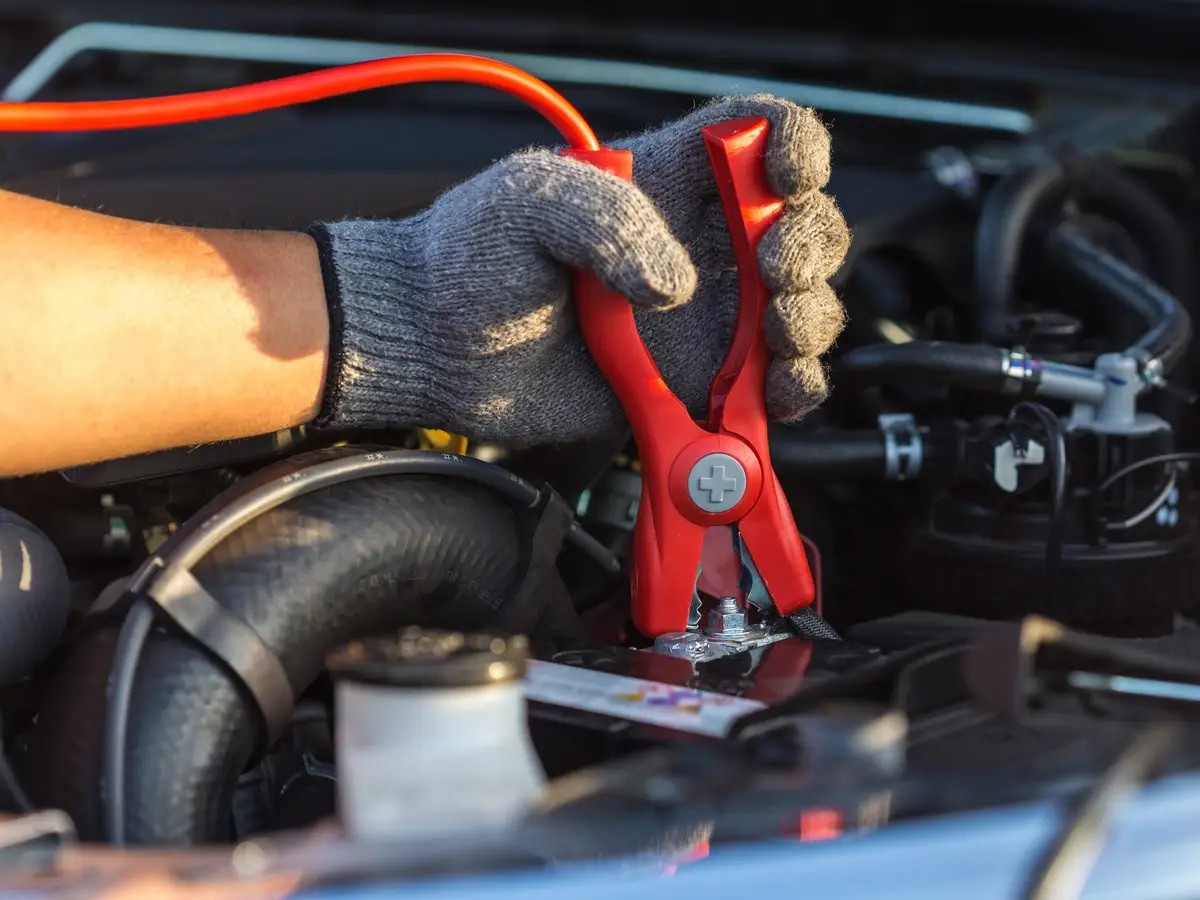
Experiencing a car that suddenly shuts off right after getting a jump start can be alarming and frustrating. Many drivers rely on jumper cables to bring their vehicle back to life, only to find that it struggles to stay running afterward. This situation often signals an underlying issue with the car’s electrical or charging system rather than the jump itself. Understanding the potential causes is essential to avoid being stranded unexpectedly.
A common culprit in these scenarios is a weak or failing battery. Even after receiving a jump, a battery that can no longer hold a proper charge may cause the engine to die as soon as external power is removed. Alongside the battery, the alternator plays a critical role by keeping the electrical system charged while the car is running. Any malfunction here can leave the vehicle powerless once jumper cables are disconnected.
Other factors, such as corroded connections, loose wiring, or worn-out components, may also contribute to this problem. Recognizing the signs early can help prevent repeated breakdowns and ensure your car remains reliable.
Common Reasons Your Car Dies After Removing Jumper Cables
When a vehicle shuts off moments after a successful jump start, it usually points to deeper mechanical or electrical concerns. Jumper cables provide temporary power, but they cannot fix worn or failing components. Understanding what causes this issue helps you diagnose the problem faster and avoid repeated breakdowns, unexpected towing, or further damage to critical systems.
Weak Or Failing Battery That Cannot Hold A Charge
A weak battery is one of the most common reasons your car stalls after a jump start. While jumper cables provide enough power to start the engine, they do not restore the battery’s ability to store energy. Once the external power source is removed, the battery may immediately lose voltage, causing the engine to shut off. This often happens when the battery is old, sulfated, or damaged internally.
You may notice slow cranking, dim headlights, or electronic features resetting frequently. These signs indicate the battery lacks sufficient reserve capacity. Even if the car runs briefly, the battery cannot supply steady power to essential systems like the fuel pump, ignition, and engine control module. As a result, the engine stalls shortly after removing the cables.
Extreme temperatures, short driving trips, and long periods of inactivity can worsen battery condition over time. In many cases, a battery may show acceptable voltage but still fail under load. Testing the battery with proper equipment helps confirm whether replacement is necessary. Ignoring a failing battery can lead to repeated jump starts and increased stress on other components.
Faulty Alternator Failing To Recharge The Battery
The alternator plays a critical role once the engine is running by supplying power to the vehicle and recharging the battery. When the alternator fails or underperforms, the car relies entirely on battery power. After a jump start, the engine may run briefly until the battery drains again, causing the car to stall as soon as jumper cables are removed.
Common symptoms include a battery warning light on the dashboard, flickering interior lights, or electronics behaving erratically. A failing alternator may also produce unusual noises or a burning smell. In some cases, the alternator belt may be loose or worn, preventing proper power generation even if the alternator itself is functional.
Driving with a faulty alternator can quickly drain a healthy battery, leading to repeated stalling and potential electrical damage. Since modern vehicles depend heavily on electronics, consistent power supply is essential. Testing the alternator output confirms whether it is delivering the correct voltage. Addressing alternator issues early prevents further strain on the battery and ensures the car remains running independently.
Corroded Or Loose Battery And Ground Connections
Poor electrical connections can interrupt power flow even when the battery and alternator are in good condition. Corroded terminals, loose battery cables, or damaged ground connections can cause voltage drops that shut down the engine once jumper cables are removed. The jump start temporarily bypasses these issues, masking the real problem.
Corrosion typically appears as white or green buildup around battery terminals. This buildup increases resistance, preventing proper charging and power distribution. Loose cables may vibrate while driving, leading to intermittent power loss that causes stalling. Ground connections, often overlooked, are just as critical since they complete the electrical circuit.
You may experience sudden power loss, dashboard lights flickering, or accessories cutting out unexpectedly. Cleaning terminals, tightening connections, and inspecting ground straps can restore stable electrical flow. Ignoring these issues may lead to repeated stalling and unreliable performance. Ensuring solid connections helps the battery and alternator work effectively together without relying on external power sources.
Failing Electrical Components Draining Power Immediately
Some electrical components can fail in ways that drain power instantly, causing the engine to stall after a jump start. A shorted relay, malfunctioning voltage regulator, or defective ignition component may overload the electrical system. While jumper cables provide enough current to start the engine, the system cannot sustain itself once they are removed.
You might notice blown fuses, warning lights appearing suddenly, or electrical systems shutting down without warning. These issues can be difficult to diagnose because they may not occur consistently. In some cases, aftermarket accessories or improper wiring modifications contribute to excessive power draw.
A parasitic drain test can help identify components consuming power when they should not. Left unresolved, these faults can damage the battery, alternator, and control modules. Addressing failing electrical components restores balance to the system and prevents the car from dying unexpectedly after jumper cables are disconnected.
Step-by-Step Troubleshooting
When a vehicle stalls right after a jump start, a structured troubleshooting process helps uncover the real cause without guesswork. Rather than replacing parts blindly, working through each step allows you to isolate battery, charging, and electrical issues in a logical order. This approach saves time, reduces repair costs, and improves confidence when dealing with a car that refuses to stay running.
Inspect Battery Condition And Voltage First
The first step in troubleshooting should always focus on the battery, since it is the foundation of the vehicle’s electrical system. Begin by visually inspecting the battery for cracks, swelling, or leaks, as these signs indicate internal damage. Corrosion around the terminals should also be noted, because it can restrict current flow even when the battery appears charged.
Next, use a multimeter to check battery voltage with the engine off. A healthy battery typically reads around 12.6 volts. Readings significantly lower suggest the battery is discharged or failing. After jump starting the car, observe whether the voltage drops quickly once the jumper cables are removed. A rapid drop indicates the battery cannot hold a charge.
Pay attention to how the engine cranks. Slow or labored cranking often points to weak internal battery cells. Short trips, long storage periods, or extreme temperatures can accelerate battery deterioration. Even newer batteries can fail prematurely due to manufacturing defects. Confirming battery health early prevents unnecessary alternator or electrical repairs and establishes a clear starting point for further troubleshooting.
Test Alternator Output While Engine Is Running
Once the battery condition is verified, the next step involves checking the alternator’s performance. Start the engine using jumper cables if necessary and measure voltage at the battery terminals while the engine is running. A properly functioning alternator should produce between 13.7 and 14.5 volts. Anything outside this range may indicate charging issues.
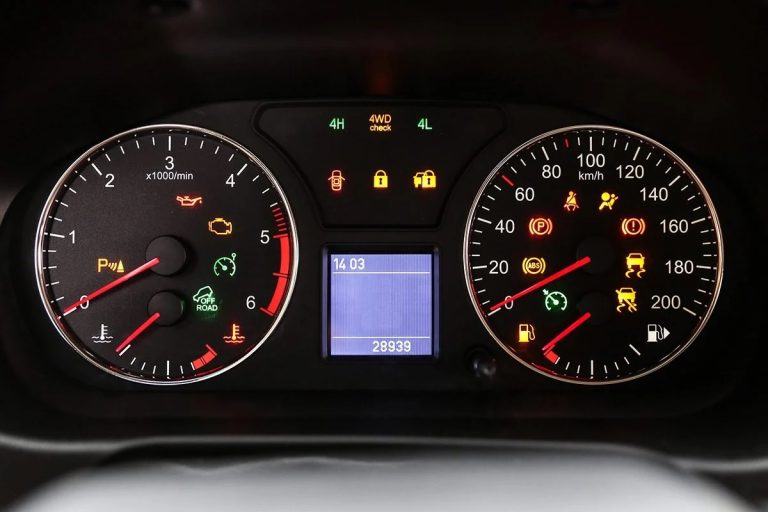
Observe the dashboard for warning lights, particularly the battery or charging system indicator. Flickering lights, dim headlights, or fluctuating gauge readings can signal inconsistent alternator output. Listen for unusual sounds such as whining or grinding, which may suggest worn bearings or internal failure.
Inspect the alternator belt for looseness, cracks, or glazing. A slipping belt reduces charging efficiency even if the alternator itself is functional. Also check wiring connections at the alternator for looseness or corrosion. Inconsistent charging prevents the battery from replenishing power, causing the engine to stall once jumper cables are removed. Verifying alternator output ensures the vehicle can sustain itself electrically after starting.
Check Battery Cables, Grounds, And Power Connections
Electrical connections play a critical role in maintaining stable power flow throughout the vehicle. Begin by examining the battery terminals and cables for corrosion, fraying, or looseness. Even slight resistance at these points can cause voltage drops that shut down the engine once external power is disconnected.
Move on to the ground connections, typically located between the battery, engine block, and chassis. A poor ground can interrupt electrical circuits and mimic symptoms of a bad battery or alternator. Look for rusted bolts, broken straps, or loose mounting points. Cleaning and tightening these connections often resolves intermittent stalling issues.
Inspect the main power distribution points, including fuse boxes and junction blocks. Loose or oxidized connections here can cut power to essential systems like the fuel pump or ignition. Wiggle tests while the engine is running can help identify unstable connections. Ensuring solid electrical pathways allows the charging system and battery to work together properly, preventing sudden shutdowns after jump starting.
Identify Electrical Drains And Component Failures
If the battery, alternator, and connections check out, the next step is identifying electrical drains or failing components. A parasitic drain occurs when a component continues drawing power when it should be off. Common culprits include faulty relays, control modules, or aftermarket accessories installed incorrectly.
Use a multimeter to perform a parasitic draw test by measuring current flow with the engine off. Excessive draw indicates a component is draining the battery quickly. Removing fuses one at a time helps isolate the problematic circuit. This process requires patience but provides clear direction toward the source of the issue.
Also consider components like the ignition switch, crankshaft sensor, or engine control module. Failures in these parts can interrupt engine operation once external power is removed. Symptoms may include sudden stalling, warning lights, or failure to restart without a jump. Systematically checking for electrical drains and component faults ensures no hidden issues remain that could cause repeated breakdowns.
Preventive Measures to Avoid
Preventing sudden stalling after a jump start requires consistent maintenance and early attention to warning signs. Many of the problems that cause a vehicle to shut down can be avoided through simple habits and routine inspections. Taking proactive steps helps maintain electrical stability, extends component life, and reduces the risk of being stranded unexpectedly.
Maintain Battery Health With Regular Inspections
Regular battery inspections play a major role in preventing unexpected shutdowns after jump starts. Over time, batteries naturally lose capacity, but early detection of wear can stop bigger issues from developing. Checking battery terminals for corrosion, cracks, or loose connections ensures stable power delivery to the vehicle’s electrical system.
Cleaning the terminals removes buildup that restricts current flow and forces the charging system to work harder. Monitoring battery age is equally important, as most batteries last three to five years under normal conditions. Even when a battery appears functional, reduced reserve capacity can cause failure under load.
Short trips and extended periods of inactivity can prevent the battery from fully charging. Occasional longer drives help maintain proper charge levels. Using a battery tester during routine maintenance provides accurate insight into its condition. By keeping the battery in good health, the risk of stalling immediately after a jump start is significantly reduced.
Ensure The Charging System Works Efficiently
A reliable charging system keeps the battery powered while the engine runs, making it essential for preventing post-jump stalling. Regular alternator checks help identify reduced output before it becomes a serious problem. Warning lights, dim headlights, or fluctuating electrical behavior should never be ignored.
Inspecting the alternator belt ensures it maintains proper tension and grip. A worn or loose belt reduces charging efficiency and increases the likelihood of battery drain. Electrical connections at the alternator should remain clean and secure to maintain consistent voltage output.
Routine voltage testing during service visits confirms the alternator is producing the correct range. Addressing minor charging issues early prevents excessive strain on the battery. When the charging system functions efficiently, the vehicle remains electrically independent after starting, eliminating reliance on jumper cables.
Keep Electrical Connections Clean And Secure
Electrical connections throughout the vehicle must remain clean and tight to ensure uninterrupted power flow. Corroded or loose connections increase resistance, leading to voltage drops that can stall the engine. Regular inspections of battery terminals, ground straps, and wiring harnesses reduce this risk.
Ground connections deserve special attention, as they complete the electrical circuit. A weak ground can cause erratic electrical behavior and sudden shutdowns. Cleaning ground points and tightening mounting bolts restores proper conductivity.
Fuse boxes and power distribution centers should also be checked periodically. Moisture intrusion or oxidation can affect critical circuits. Secure connections allow the battery and alternator to work together efficiently. Maintaining clean and stable electrical pathways helps prevent unexpected stalls after jump starts.
Avoid Excessive Electrical Load And Aftermarket Issues
Managing electrical load helps protect the vehicle’s charging system and battery. Running multiple high-demand accessories simultaneously places additional strain on the system, especially at idle. Limiting unnecessary electrical use reduces stress on components and preserves battery life.
Aftermarket accessories can introduce problems if installed improperly. Poor wiring practices may cause parasitic drains or intermittent power loss. Ensuring professional installation and proper fuse protection minimizes these risks.
Regularly checking for unusual battery drain when the vehicle is off helps identify hidden issues early. Addressing excessive electrical load prevents the system from becoming overwhelmed. Balanced electrical usage supports long-term reliability and reduces the chances of the car stalling after jumper cables are removed.
FAQs
Why Does A Car Dies After Removing Jumper Cables?
When a car dies after removing jumper cables, the battery is often too weak to hold a charge on its own. Jump-starting provides temporary power, but once the cables are removed, the battery cannot sustain the electrical load.
You may also be dealing with an aging battery that has internal damage or sulfation. In such cases, the battery voltage drops instantly, causing the engine to stall. A proper battery test helps confirm whether replacement is necessary.
Can A Bad Alternator Cause A Car To Die After Jump-Starting?
Yes, a faulty alternator is a common reason a car dies after removing jumper cables. The alternator is responsible for charging the battery while the engine runs. If it fails, the car relies only on battery power.
Once jumper cables are disconnected, the drained battery cannot supply enough energy to keep the engine running. Warning signs include dim lights, battery warning indicators, or strange electrical behavior. Alternator testing should be done immediately to avoid repeated breakdowns.
How Do Loose Battery Connections Affect Jump-Starting?
Loose or corroded battery terminals can cause power interruption after jumper cables are removed. While jump-starting, external cables provide a strong connection that masks the problem.
Once those cables are removed, poor contact at the terminals prevents proper electrical flow. This leads to sudden stalling or complete shutdown. Cleaning corrosion and tightening terminals ensures stable voltage delivery. Regular inspection of battery connections helps prevent recurring issues and improves overall electrical reliability.
Should You Replace The Battery If The Car Keeps Dying?
If your car consistently dies after removing jumper cables, battery replacement is often the best solution. A battery may show enough power to start the engine but fail under real driving conditions.
Repeated jump-starts strain the battery further, shortening its lifespan. Battery age, swelling, slow cranking, and frequent dead situations are strong indicators. A load test confirms battery health. Replacing a failing battery restores reliability and prevents being stranded unexpectedly in daily driving situations.
Can Parasitic Drain Cause This Problem?
Parasitic drain can absolutely cause a car to die after removing jumper cables. Certain electrical components may continue drawing power even when the car is off.
Jump-starting temporarily restores power, but the drain quickly depletes the battery again. Common causes include faulty relays, interior lights, alarms, or infotainment systems. Diagnosing parasitic draw requires measuring current flow when the vehicle is off. Fixing the drain prevents repeated dead battery situations and protects charging components.
What Should You Do Immediately After Jump-Starting?
After jump-starting, you should keep the engine running for at least 20 to 30 minutes. This allows the alternator to recharge the battery properly.
Avoid turning on unnecessary electrical loads such as headlights or air conditioning during this time. If the car dies immediately after removing jumper cables, have the battery and alternator tested right away. Acting quickly helps identify the root cause and prevents further electrical damage or repeated breakdowns.
Conclusion
Dealing with a vehicle that shuts off right after a jump start can be frustrating, especially when it happens without warning. This situation usually points to an underlying electrical or charging issue that was temporarily masked by the external power source. Ignoring the early signs often leads to repeated breakdowns and added stress on key components.
Understanding why a car dies after removing jumper cables helps drivers take the right corrective steps. Problems related to the battery, alternator, wiring, or excessive electrical load can all contribute to this issue. Identifying the root cause early prevents unnecessary part replacements and ensures the vehicle remains dependable.
Regular inspections and timely maintenance play a major role in avoiding future incidents. Addressing small electrical problems before they escalate keeps the charging system balanced and reliable. With proper care and attention, situations where a car dies after removing jumper cables become far less common and much easier to prevent.