Best Roof Rack for Cars Without Rails
Finding the right roof rack can completely change how you travel, especially when your car doesn’t come with built-in rails. Whether it’s for road trips, outdoor gear, or extra luggage, a solid solution makes all the difference in convenience and safety.
Cars without rails often require a different approach, which can feel confusing at first. There are various designs, attachment systems, and weight limits to consider, and not all options fit every vehicle the same way.
That’s where choosing the Best Roof Rack for Cars Without Rails becomes essential. The right pick should balance durability, ease of installation, and compatibility with your car’s design, all without causing damage or unnecessary noise.
A well-chosen roof rack doesn’t just add storage—it adds freedom. With the right setup, you can carry bikes, kayaks, or cargo boxes confidently, making every trip more flexible and enjoyable.
Can You Install a Roof Rack on a Car Without Rails?
Many drivers assume that installing a roof rack without factory rails is complicated or even impossible, but modern designs have made it far more accessible. Vehicles without rails can still support a variety of rack systems that are both secure and practical. By understanding the available options and how they attach, you can safely expand your car’s carrying capacity without making permanent modifications.
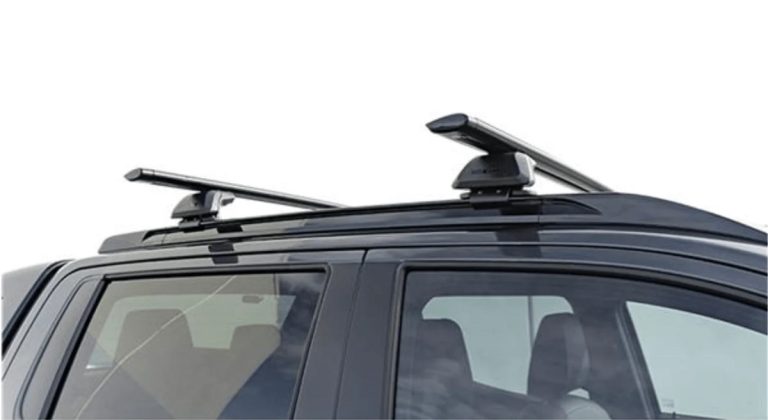
Roof racks for rail-free cars typically rely on smart mounting solutions that grip the vehicle securely. One of the most common systems uses door frame clamps, which attach to the edges of the roof where the doors meet the body. These clamps are carefully engineered to create a tight hold while distributing weight evenly across the roof. This prevents damage and ensures the rack remains stable, even at highway speeds or during long trips.
Some cars also come with fixed mounting points hidden beneath small panels on the roof. These points are built into the vehicle’s structure by the manufacturer and provide a strong anchor for crossbars. Once exposed, they allow for a more permanent and streamlined installation that closely matches the stability of traditional rail systems. This option is especially useful for drivers who plan to use their roof rack frequently.
There are also temporary solutions designed for convenience and flexibility. Soft roof racks, for example, use padded supports combined with straps that run through the car’s interior to hold items in place. While they are better suited for lighter loads, they are ideal for occasional trips or outdoor activities. Another innovative option includes vacuum-mounted racks, which use high-strength suction cups to attach directly to the roof surface. These systems are surprisingly durable when installed correctly and offer a tool-free setup that many users appreciate.
Types of Roof Racks for Cars Without Rails
Cars without built-in rails may seem limited when it comes to adding extra storage, but there are actually several roof rack options designed specifically for these vehicles. Each type uses a different mounting method, offering flexibility depending on how often you plan to use it and what you need to carry. From permanent setups to temporary solutions, the variety ensures that most drivers can find something compatible with their car. Understanding the differences between these roof rack types will help you choose one that fits your lifestyle, budget, and vehicle design without compromising safety or convenience.
Door Clamp Roof Racks
Door clamp roof racks are one of the most common and widely used options for cars without rails. These systems use specially designed brackets that fit into the door jambs, creating a strong and secure connection between the rack and the vehicle. Once installed, the crossbars sit firmly on the roof, allowing you to carry various types of cargo, including bikes, luggage boxes, and sports equipment.
One of the biggest advantages of this type is its compatibility with a wide range of vehicles. Manufacturers usually provide fit guides to ensure the rack matches your car’s dimensions, which helps create a snug and stable fit. Installation typically doesn’t require drilling or permanent modifications, making it a popular choice for people who want a semi-permanent solution without altering their vehicle.
In terms of performance, door clamp racks are designed to distribute weight evenly across the roof. This helps prevent damage and ensures the load remains stable even at higher speeds. However, proper installation is crucial, as uneven tightening can affect both safety and noise levels during driving.
Another important factor to consider is maintenance. Regularly checking the clamps and tightening them when necessary helps maintain stability over time. With proper care and correct installation, door clamp roof racks offer a reliable and durable solution for most everyday hauling needs.
Fixed-Point Roof Racks
Fixed-point roof racks are designed for vehicles that come with pre-installed mounting points hidden beneath small covers on the roof. These mounting points are integrated into the car’s structure by the manufacturer, providing a strong and secure base for attaching roof rack systems. Although these cars don’t have visible rails, they are often pre-equipped to handle roof racks with minimal effort.
This type of roof rack is known for its stability and clean appearance. Once installed, it closely resembles factory-fitted systems, making it an appealing option for drivers who want a more permanent and seamless look. The mounting points ensure that the weight is supported by reinforced sections of the roof, which increases both safety and load capacity.
Installation typically involves removing the covers, aligning the rack components with the fixed points, and securing them using bolts or screws. While this process may take a bit more time compared to clamp systems, it results in a more solid and dependable setup. Many users prefer this option for long-term use, especially when carrying heavier loads regularly.
Another benefit is reduced wind noise compared to some temporary systems. Because the rack sits closer to the roof and is firmly attached, it creates less vibration while driving. This makes fixed-point roof racks a practical and efficient solution for those seeking durability and consistent performance.
Vacuum-Mounted Roof Racks
Vacuum-mounted roof racks offer a modern and innovative approach to carrying cargo on cars without rails. These systems use industrial-strength suction cups to attach directly to the roof surface, creating a surprisingly secure hold when installed properly. They are especially popular among drivers who want a portable and tool-free solution that can be installed and removed quickly.
One of the standout features of vacuum-mounted racks is their versatility. They can be used on multiple vehicles, making them ideal for people who switch cars frequently or don’t want a permanent installation. Despite their removable design, high-quality vacuum racks are tested to handle significant weight, often comparable to traditional systems within recommended limits.
Installation involves placing the suction cups on a clean, flat section of the roof and activating the vacuum mechanism, usually through a manual pump. Once secured, the system forms a tight seal that holds firmly during travel. However, regular checks are essential to ensure the suction remains strong, especially on long trips or in changing weather conditions.
These racks are also known for their minimal impact on the car’s design. Since they don’t rely on clamps or fixed mounts, they reduce the risk of scratches or pressure marks when used correctly. For drivers seeking convenience and flexibility, vacuum-mounted roof racks provide an efficient and innovative option.
Soft and Temporary Roof Racks
Soft roof racks are designed for drivers who need a simple and flexible solution for occasional use. Unlike rigid systems, these racks use padded supports combined with adjustable straps that run through the car’s interior to secure the load. They are commonly used for carrying lightweight items such as surfboards, kayaks, or small luggage.
One of the main advantages of soft roof racks is their ease of use. They can be installed in minutes without any tools, making them perfect for spontaneous trips or infrequent use. When not needed, they can be easily removed and stored in a compact space, which adds to their convenience.
Despite their simplicity, soft racks are designed to provide a stable hold when properly secured. The straps are tightened through the cabin, anchoring the load firmly in place. However, they generally have lower weight limits compared to rigid systems, so they are not suitable for heavy cargo or long-distance hauling at high speeds.
Another aspect to consider is comfort and noise. Since the straps pass through the interior, they may create some wind noise or slight inconvenience for passengers. Even so, for short trips and light loads, soft roof racks offer a practical and budget-friendly alternative for cars without rails.
Best Roof Racks for Cars Without Rails
Choosing the right roof rack for a car without rails can feel overwhelming, especially with so many options available. The best choice depends on your vehicle type, how often you plan to use it, and what you intend to carry. From durable clamp systems to innovative vacuum-mounted designs, each option offers its own advantages. A well-selected roof rack should provide a balance of strength, ease of installation, and long-term reliability. By focusing on build quality, compatibility, and safety features, you can find a solution that enhances your vehicle’s practicality without compromising its structure or performance.
Door Clamp Roof Racks for Everyday Use
Door clamp roof racks are often considered one of the best choices for cars without rails due to their versatility and wide compatibility. These systems attach securely to the door frames using specially designed brackets, creating a firm connection without the need for permanent modifications. This makes them ideal for drivers who want a reliable setup that can be installed and removed when needed.
One of the key benefits of door clamp systems is their strength and stability. They are designed to distribute weight evenly across the roof, allowing you to carry items like cargo boxes, bikes, or outdoor gear with confidence. When properly installed, they remain secure even at higher speeds, making them suitable for both city driving and long-distance travel.
Installation is generally straightforward, although it does require careful alignment and tightening to ensure a proper fit. Many models come with detailed instructions and vehicle-specific measurements, which help users achieve a secure setup without guesswork. Regular checks are recommended to maintain optimal performance over time.
Another advantage is their availability in different price ranges, making them accessible to a wide range of users. Whether you’re a casual traveler or someone who frequently transports gear, door clamp roof racks offer a dependable and practical solution.
Vacuum-Mounted Roof Racks for Flexibility
Vacuum-mounted roof racks stand out as a modern and flexible option for cars without rails. These systems use powerful suction cups to attach directly to the roof surface, eliminating the need for clamps or fixed mounting points. Their portability and ease of use make them especially appealing for drivers who prefer a temporary or multi-vehicle solution.
One of the biggest advantages of vacuum-mounted racks is how quickly they can be installed. With a simple pumping mechanism, the suction cups create a strong seal that holds the rack firmly in place. This process requires no tools, making it convenient for people who want a hassle-free setup.
Despite their lightweight and removable design, high-quality vacuum racks are capable of supporting substantial loads when used within recommended limits. They are commonly used for carrying bikes, skis, and even small cargo carriers. However, regular monitoring of the suction strength is important, especially during long trips or in extreme weather conditions.
These racks also have minimal impact on the car’s appearance and surface. When installed correctly on a clean roof, they reduce the risk of scratches or pressure marks. For those seeking convenience, portability, and innovation, vacuum-mounted roof racks offer a highly adaptable choice.
Fixed-Point Roof Racks for Long-Term Stability
Fixed-point roof racks are an excellent option for drivers looking for a more permanent and stable solution. Many cars without visible rails actually come with hidden mounting points built into the roof. These points are designed by manufacturers to support roof rack systems, providing a strong and secure foundation.
One of the main advantages of fixed-point systems is their durability. Because they are anchored directly to reinforced sections of the vehicle, they can handle heavier loads compared to some temporary options. This makes them ideal for users who frequently carry equipment such as bikes, kayaks, or large cargo boxes.
Installation may take a bit more time, as it involves locating the mounting points, removing protective covers, and securing the rack with bolts or screws. However, once installed, the result is a clean and streamlined appearance that closely resembles factory-installed roof rails.
Another benefit is reduced wind noise and improved aerodynamics. Since the rack sits firmly against the roof, there is less vibration during travel. This not only enhances driving comfort but also contributes to better fuel efficiency. For long-term use and consistent performance, fixed-point roof racks are a highly reliable choice.
How to Choose the Best Roof Rack for a Car Without Rails
Selecting the right roof rack for a car without rails requires more than just picking a popular model. Every vehicle has unique dimensions and load limits, so compatibility should always come first. Beyond that, factors like how often you’ll use the rack, what you plan to carry, and how easy it is to install all play a role. A good roof rack should feel secure, minimize noise, and protect your car’s surface. By focusing on practical features and long-term usability, you can choose a system that fits your lifestyle while ensuring safety and convenience on every trip.
Consider Vehicle Compatibility and Fit
One of the most important factors when choosing a roof rack is ensuring it fits your specific vehicle. Cars without rails often rely on door frames, fixed mounting points, or specialized systems, so not every rack will work universally. Manufacturers typically provide compatibility guides that list supported car models, and checking these details can save you from installation issues later.
A proper fit ensures that the rack sits evenly on the roof and distributes weight correctly. Poorly fitted racks can lead to instability, increased wind noise, or even damage to your car’s paint and structure. This is especially important for clamp-style systems, where incorrect positioning may affect how securely the rack holds under load.
It’s also worth paying attention to the shape and curvature of your car’s roof. Some vehicles have slightly curved or uneven surfaces, which can impact how well certain racks attach. Adjustable systems are often better suited for these cases, as they can adapt to different contours.
Taking time to verify compatibility not only improves safety but also makes installation smoother. A well-fitted roof rack provides peace of mind, especially during long drives or when carrying valuable equipment.
Evaluate Load Capacity and Usage Needs
Understanding how much weight your roof rack needs to carry is essential before making a decision. Different roof rack systems come with varying load capacities, and exceeding these limits can be dangerous. It’s important to consider both the rack’s maximum load rating and your vehicle’s roof weight limit, as the lower of the two should always be followed.
Think about what you plan to transport most often. Lightweight items like luggage or camping gear may not require a heavy-duty system, while bikes, kayaks, or cargo boxes demand stronger and more stable racks. Choosing a rack that matches your typical usage helps ensure both safety and efficiency.
Frequency of use also plays a role. If you only need a roof rack occasionally, a temporary or removable option might be sufficient. On the other hand, frequent travelers may benefit from a more permanent and durable setup that can handle repeated use without needing constant adjustments.
Balancing load capacity with your actual needs prevents overpaying for features you won’t use while still ensuring reliable performance. A well-matched system allows you to transport your gear confidently without putting unnecessary strain on your vehicle.
Focus on Ease of Installation and Security
Ease of installation is another key factor, especially for cars without rails where mounting can be more complex. Some roof racks require careful alignment and multiple steps, while others are designed for quick and simple setup. Choosing a system that matches your comfort level with installation can make a significant difference in your overall experience.
Security is equally important, as a poorly secured roof rack can shift or detach during travel. Look for systems that include strong locking mechanisms or anti-theft features, especially if you plan to leave the rack on your car for extended periods. Tight, well-designed connections ensure the rack stays firmly in place even under challenging conditions.
It’s also helpful to consider how often you’ll need to remove and reinstall the rack. Systems that allow for quick removal can be more convenient for occasional use, while more permanent setups may require tools but offer greater stability.
Additionally, proper installation helps reduce wind noise and vibration. A securely mounted rack sits more evenly on the roof, improving both comfort and fuel efficiency. Choosing a design that balances ease of use with strong security ensures a reliable and hassle-free experience.
FAQs
What Is The Best Type Of Roof Rack For A Car Without Rails?
When you’re choosing the best type of roof rack for a car without rails, it usually comes down to how you plan to use it. Door clamp roof racks are the most popular because they offer a strong, secure fit without permanent modifications. They work well for everyday needs like carrying luggage or bikes.
If you prefer flexibility, vacuum-mounted or soft roof racks can be a good option. These are easier to install and remove, making them ideal for occasional use. However, if you want long-term reliability, a fixed-point system (if your car supports it) provides the most stable and durable solution.
Can You Safely Install A Roof Rack Without Damaging Your Car?
Yes, you can safely install a roof rack without damaging your car, as long as you follow the correct installation process. Most modern roof racks are designed with protective padding and precise fit systems to prevent scratches or dents. Choosing a model specifically made for your car is essential.
You should always clean the roof before installation and ensure all contact points are properly aligned. Tightening the rack evenly also helps avoid unnecessary pressure on one area. Regularly checking the rack after installation ensures it stays secure and continues to protect your vehicle’s surface over time.
How Much Weight Can A Roof Rack Without Rails Hold?
The weight capacity of a roof rack without rails depends on both the rack itself and your car’s roof limit. Most systems can carry between 50 to 100 kilograms, but you should always check your vehicle’s manual for the exact limit. Exceeding this can affect safety and stability.
It’s important to distribute the weight evenly across the rack to avoid strain on one side. Heavier items should be placed in the center for better balance. Keeping within recommended limits not only protects your car but also ensures a smoother and safer driving experience.
Are Temporary Roof Racks Reliable For Long Trips?
Temporary roof racks, such as soft racks or vacuum-mounted systems, can be reliable for long trips when used correctly. High-quality models are designed to handle highway speeds and varying weather conditions, provided they are installed properly and checked regularly.
You should always inspect the straps or suction points before and during your journey. While they are convenient, they may not offer the same level of durability as permanent systems. For lighter loads and occasional travel, they work well, but for frequent or heavy-duty use, a more fixed solution may be better.
Do Roof Racks Without Rails Affect Fuel Efficiency?
Yes, roof racks without rails can affect your car’s fuel efficiency, mainly due to increased wind resistance. When you install a roof rack, it changes the aerodynamics of your vehicle, which can lead to slightly higher fuel consumption, especially at higher speeds.
You can reduce this impact by choosing a low-profile design and removing the rack when it’s not in use. Proper installation also helps minimize drag and noise. While the effect is usually small, being mindful of it can help you maintain better fuel efficiency over time.
How Do You Choose The Right Roof Rack For Your Needs?
Choosing the right roof rack depends on your specific needs, vehicle type, and usage frequency. You should start by confirming compatibility with your car, as not all racks fit every model. Then consider what you’ll carry, whether it’s bikes, luggage, or outdoor gear.
You also need to think about installation ease and how often you’ll use the rack. A permanent system works well for frequent use, while removable options suit occasional trips. Balancing durability, convenience, and budget helps you find a roof rack that fits your lifestyle and keeps your cargo secure.
Final Words
Finding the right solution doesn’t have to be complicated, even if your car doesn’t come with built-in rails. With modern designs like clamp-on systems, fixed point kits, and even suction-mounted options, there’s a practical fit for almost every vehicle and lifestyle.
The key is to match your choice with how you plan to use it—whether that’s occasional trips, carrying heavier gear, or prioritizing quick installation. Paying attention to compatibility, weight limits, and build quality will ensure both safety and long-term value.
Ultimately, the Best Roof Racks for Cars Without Rails are the ones that balance reliability, ease of use, and your specific needs. Choose wisely, and you’ll unlock extra space and flexibility for every journey ahead.