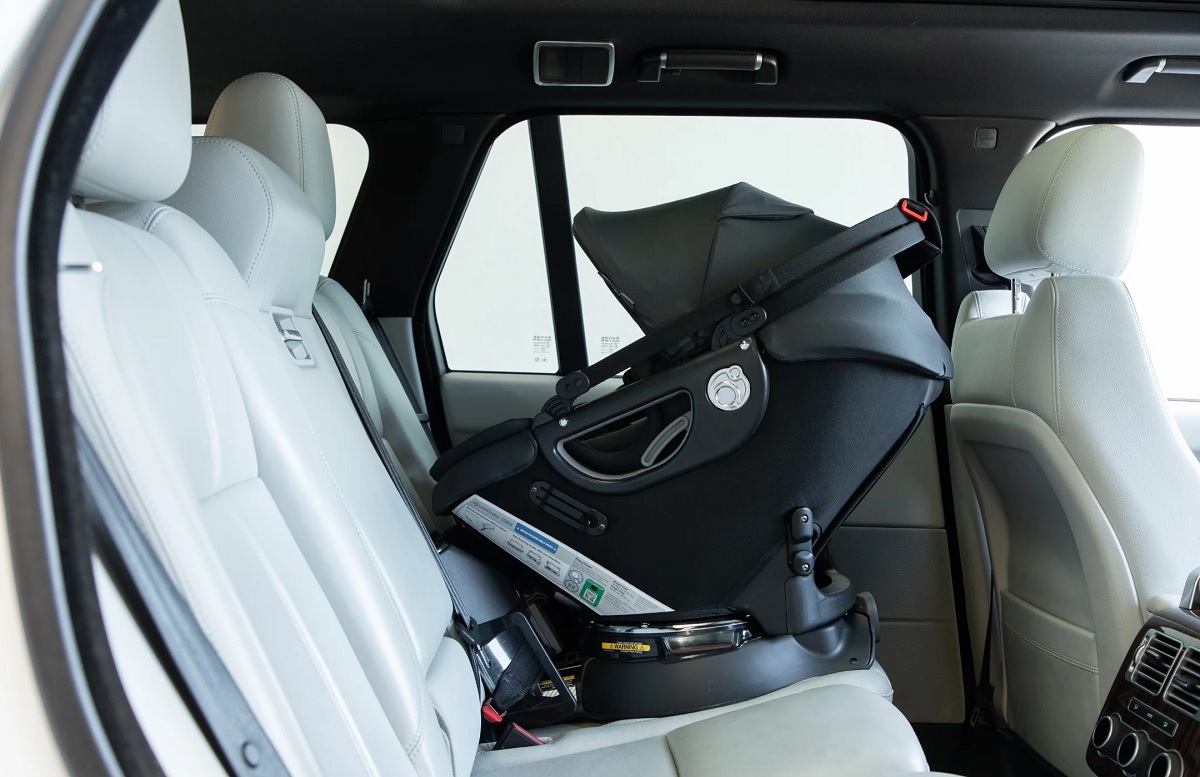
What Is The Weight Limit For An Infant Car Seat – Safety Guidelines & Tips
Choosing the right car seat for your baby is one of the most important safety decisions for new parents. Ensuring that your infant is properly secured not only protects them during travel but also gives caregivers peace of mind. Understanding the specifications of each car seat, especially weight and height limits, is essential to maximize safety and compliance with regulations.
Parents often wonder how long their newborn can safely remain in an infant car seat. The weight capacity plays a crucial role in determining when to transition to a larger seat. Exceeding the recommended weight can compromise the harness, the seat’s stability, and the effectiveness of its safety features.
Knowing the limits also helps prevent accidents caused by improper seating, whether in daily commutes or long road trips. Manufacturers design infant car seats with specific thresholds to ensure that straps, buckles, and padding function as intended for optimal protection.
Understanding what is the weight limit for an infant car seat allows parents to make informed decisions and plan for the next stage in their child’s car seat journey. Proper adherence to these limits ensures safety, comfort, and confidence during every trip.
Standard Weight Limits For Infant Car Seats
Infant car seats are designed with specific weight limits to ensure maximum safety for newborns and young babies. These limits are based on engineering tests, crash simulations, and safety regulations, which determine how the seat absorbs impact and secures a child. Understanding standard weight ranges helps parents choose the right car seat and prevents misuse that could compromise safety during travel.
Typical Weight Range For Rear-Facing Infant Seats
Most rear-facing infant car seats are designed to accommodate babies from 4 to 35 pounds. This range provides a safe environment for the first year or more, depending on the baby’s growth rate. Rear-facing positioning is crucial because it supports the baby’s head, neck, and spine during sudden stops or collisions, distributing impact forces evenly across the body.
Parents should pay close attention to the manufacturer’s specific recommendations, as some seats may have slightly lower or higher weight thresholds. Using a seat within its intended weight range ensures that harnesses fit snugly and the seat’s base remains stable. As babies grow, monitoring their weight regularly helps determine when a transition to a convertible or forward-facing seat is necessary.
Maximum Weight Considerations For Extended Use
Some infant car seats are labeled as “extended rear-facing” seats, allowing use up to 40 pounds or more. These models provide additional time in the safest rear-facing position, accommodating larger babies or toddlers while maintaining proper crash protection.
Extended weight limits are achieved through reinforced frames, adjustable harnesses, and larger seating areas. Parents often choose these seats to delay transitioning to forward-facing models, which improves safety during early childhood. Observing the maximum weight ensures the seat remains effective in absorbing crash forces and that harness straps maintain proper tension across the shoulders and chest.
Factors That Influence Weight Limits
Weight limits are not determined solely by the seat’s frame; they also depend on the harness system, padding, and attachment method. A well-designed harness distributes forces evenly, preventing concentrated pressure points during a crash. The base of the seat, whether installed with a seat belt or LATCH system, also contributes to overall stability and load-bearing capacity.
Parents should consider both the baby’s current weight and growth trajectory when choosing a seat. Exceeding the recommended weight compromises harness effectiveness, reduces the seat’s crashworthiness, and can lead to injury in the event of an accident. Manufacturers’ guidelines serve as a benchmark for safe usage and ensure consistent protection under real-world conditions.
Monitoring Growth And Seat Replacement
Regularly checking a baby’s weight is essential to determine if their current infant car seat is still appropriate. Growth can be rapid in the first year, and moving beyond the weight limit can compromise safety even if the seat still appears comfortable.
Transitioning to a convertible car seat or a larger rear-facing seat becomes necessary when the infant approaches the upper weight threshold. Ensuring that the harness is properly adjusted and the seat is securely installed maintains the protective benefits of the car seat. Understanding standard weight limits helps parents make informed decisions, prioritizing safety while accommodating their child’s growth.
Manufacturer Variations And Recommendations
While most infant car seats follow the 4 to 35-pound range, slight differences exist among brands and models. Some premium or extended-use seats may support higher weights, while compact or budget models may have lower limits.
Parents should always consult the seat’s manual to verify weight limits and installation instructions. Following manufacturer recommendations ensures the harness system functions as intended, the seat remains secure, and the child benefits from optimal safety in every journey. Awareness of these variations allows caregivers to choose a seat that matches their child’s size and provides long-term protection.
How Weight Affects Car Seat Safety
A child’s weight directly impacts the effectiveness of a car seat in protecting them during a crash. Car seats are engineered to handle specific weight ranges, ensuring that the harness, padding, and frame absorb impact forces correctly. Using a seat outside of its intended weight range can compromise safety, reduce crash protection, and increase the risk of injury. Understanding how weight affects car seat performance is crucial for every parent.
Harness Effectiveness And Proper Fit
The harness system is one of the most critical safety components in a car seat. It is designed to restrain a child’s body and distribute crash forces evenly across the shoulders, chest, and hips. When a child exceeds the weight limit, the harness may no longer fit snugly or align correctly, reducing its ability to absorb impact effectively.
A poorly fitting harness can allow the child to move forward excessively during a collision, increasing the risk of injury. Conversely, a harness designed for a child below the weight minimum may not provide sufficient restraint, allowing too much movement during sudden stops. Proper harness fit, adjusted according to the child’s weight, ensures that forces are directed safely and minimizes injury risks.
Impact On Seat Stability And Base
Weight also affects how the car seat interacts with the vehicle’s seat or base. Car seats are tested to handle specific weight ranges, which determine how the base anchors respond to forces during a crash. Exceeding the weight limit can compromise stability, causing the seat to shift or tilt under high pressure.
This instability reduces the seat’s ability to absorb impact energy and increases the likelihood of the child being thrown forward or sideways. For seats installed using a LATCH system or seat belt, maintaining the recommended weight ensures that locking mechanisms and anchor points perform as intended, keeping the seat securely in place.
Influence On Cushioning And Energy Absorption
Car seats rely on carefully engineered padding and cushioning to absorb crash forces. The materials and design are calibrated for a specific weight range to ensure that energy is dissipated safely. A heavier child may compress the padding beyond its intended limits, reducing its effectiveness.
When padding is over-compressed, the energy from a collision is transferred more directly to the child’s body, increasing the potential for injury. Lighter children may not fully engage the cushioning system, leaving them exposed to sudden jolts. Selecting a seat appropriate for the child’s weight ensures optimal energy absorption and reduces stress on fragile areas like the head, neck, and spine.
Long-Term Safety Considerations
Using a car seat within its weight limits is not only about immediate protection but also long-term safety. Children grow quickly, and their increasing weight can affect how well the seat’s harness, frame, and padding function. Monitoring weight regularly helps parents determine when it’s time to upgrade to a larger or convertible seat.
Exceeding the recommended weight limit for an extended period can compromise the seat’s structural integrity and reduce crash performance. Staying within the manufacturer’s weight guidelines ensures that the car seat continues to provide reliable protection during every trip, maintaining the child’s safety as they grow.
Compliance With Safety Standards
Car seats are rigorously tested to meet federal and international safety standards, with weight limits as a key criterion. Following these limits ensures that the seat performs as designed during a crash.
Parents should always consult the car seat manual to confirm weight limits and make adjustments to harness positions or recline angles as the child grows. Adhering to these specifications ensures that both the child and the seat remain compliant with safety regulations, providing optimal protection and peace of mind during travel.
Age And Height Considerations Along With Weight
Choosing the right car seat involves more than just checking the weight limit. Age and height play equally important roles in ensuring that a child is properly restrained and protected. Car seats are designed with dimensions, harness positions, and recline angles that correspond to typical growth patterns, so using a seat appropriate for a child’s age, weight, and height maximizes safety and comfort during travel.
Age Guidelines For Infant And Convertible Seats
Car seat manufacturers provide age recommendations alongside weight limits to guide parents in selecting the most appropriate seat. Infant car seats typically accommodate newborns up to around 12 months, depending on size, while convertible seats can be used rear-facing for toddlers beyond the infant stage.
Age guidelines are based on both physical development and crash safety data. Younger infants have weaker neck and spine structures, making rear-facing seats essential for distributing crash forces across the back and head. Exceeding age or using a forward-facing seat too early increases the risk of injury during sudden stops or collisions. Observing the recommended age ranges ensures that the seat supports a child’s skeletal development while maintaining effective restraint and comfort.
Height And Head Position Considerations
Height is a critical factor in car seat safety because the child’s head must remain within the seat’s protective shell. Most infant and convertible seats include indicators showing maximum head position, ensuring that the head stays below the top of the seat.
As children grow taller, the head may extend beyond the seat’s protective boundaries, reducing the effectiveness of side-impact protection and exposing the neck to injury during a crash. Even if the child’s weight is still within limits, exceeding height recommendations can compromise safety. Monitoring head position and adjusting harness height accordingly helps maintain proper alignment and ensures the child remains securely restrained.
Combined Weight, Age, And Height Limits
Safety guidelines emphasize considering weight, age, and height together rather than in isolation. A child may be within the weight range for a seat but too tall for safe head clearance or too old for optimal harness positioning. Likewise, an infant who is short and underweight may not fit harness slots properly designed for older babies.
Manufacturers design seats with a balance of these factors to ensure that crash forces are absorbed effectively and the harness restrains the child safely. Checking all three metrics—weight, age, and height—prevents misuse and reduces the risk of injury during sudden stops, collisions, or even minor jolts encountered in daily driving.
Transitioning Between Car Seat Types
Parents often wonder when to transition from an infant car seat to a convertible or booster seat. This decision should be guided by age, weight, and height considerations rather than convenience. Keeping a child in a rear-facing position as long as possible is recommended, as it provides optimal protection for the neck, spine, and head.
When a child surpasses the rear-facing height or weight limits, or their age reaches the upper recommended range, it’s time to move to a forward-facing convertible seat with a harness. Monitoring all three factors ensures that the child’s growth is accommodated safely and that the seat continues to provide effective crash protection.
Regular Adjustments For Growing Children
As children grow, harnesses, recline angles, and headrest positions need regular adjustment. Ensuring that the seat adapts to the child’s increasing height and weight maintains proper restraint and comfort.
Failure to adjust the seat may result in the harness resting on the child’s shoulders incorrectly or the head being exposed beyond protective barriers. By routinely checking weight, age, and height against the manufacturer’s guidelines, parents can make informed adjustments that keep the child safe and secure during every trip.
Signs Your Infant Has Outgrown Their Car Seat
Car seats are designed to protect infants within specific weight, height, and age ranges. As your baby grows, it’s important to recognize when they no longer fit safely in their current seat. Continuing to use a car seat beyond its limits can compromise harness effectiveness, reduce impact protection, and increase the risk of injury in a collision. Being aware of the signs of outgrowing a seat helps parents transition safely to the next stage.
Shoulders Reaching The Top Harness Slot
One of the earliest indicators that an infant has outgrown their car seat is when their shoulders reach or exceed the top harness slot. The harness is designed to keep the child securely restrained by positioning straps just at or slightly above the shoulders for rear-facing seats.
If the straps sit below or at an awkward angle on the shoulders, they cannot properly distribute crash forces. This reduces the effectiveness of the restraint system and increases the risk of injury in a collision. Regularly checking the child’s shoulder height against the harness slots allows parents to determine whether an adjustment or a new seat is needed. Ensuring the harness remains at the correct level is crucial for both safety and comfort during travel.
Head Approaching The Top Of The Seat
The head should remain well below the top of the car seat shell to maintain adequate protection. If the infant’s head is close to or extending beyond the top edge, side-impact protection and cushioning may be compromised.
This is especially important in rear-facing seats, as the shell is designed to absorb crash forces along the back and sides. A head that is too high can result in reduced protection during collisions, increasing the risk of head or neck injuries. Observing the baby’s head position regularly ensures the seat continues to provide maximum coverage and safety while accommodating growth.
Exceeding Weight Limits
Even if the infant appears comfortable, reaching or surpassing the car seat’s weight limit is a critical sign that it’s time to transition. Most infant car seats have maximum weights between 30 to 35 pounds, though some extended rear-facing models allow higher limits.
Exceeding the weight threshold can strain the harness system, cause improper seat angle, and reduce the seat’s ability to absorb impact during a crash. Parents should weigh their child periodically and compare it to the manufacturer’s guidelines to ensure the seat continues to function effectively. Staying within the recommended weight ensures that the child is safely restrained at all times.
Signs Of Discomfort Or Tight Fit
Another indicator is visible discomfort or a tight fit within the car seat. Babies may appear cramped, unable to move freely, or experience pressure on their legs, shoulders, or head.
A seat that feels too small can make harness adjustments difficult, preventing proper snugness and reducing protection. Additionally, a tight fit may limit airflow and comfort during longer trips. Observing your child’s posture, leg position, and overall comfort helps determine if it’s time to move to a larger seat that accommodates growth while maintaining proper restraint and safety.
Frequent Harness Adjustments And Difficulties
If you find yourself constantly adjusting the harness to fit your growing infant, it may indicate that the car seat is nearing its limit. Struggling to achieve a snug fit can compromise the effectiveness of the safety system.
Regularly reviewing harness positioning, buckle adjustments, and recline settings ensures that the child is properly secured. Once adjustments become difficult or no longer provide a secure fit, it is a clear sign that the seat should be replaced with a model suitable for the child’s new size and developmental stage.
Different Types Of Infant Car Seats And Their Limits
Infant car seats come in various types, each designed to accommodate different weights, heights, and stages of growth. Understanding these differences is crucial for ensuring your child’s safety during travel. Each seat type has unique features, harness systems, and installation methods that influence weight limits, comfort, and crash protection. Familiarity with these options allows parents to make informed decisions based on their child’s needs.
Standard Rear-Facing Infant Seats
Standard rear-facing infant car seats are the most common choice for newborns and young babies. They are typically designed for infants weighing between 4 and 35 pounds and with heights up to around 32 inches. These seats provide essential rear-facing protection, supporting the head, neck, and spine in case of a collision.
Rear-facing seats distribute crash forces evenly along the back of the seat, reducing stress on delicate areas. They feature adjustable harnesses and removable padding to accommodate growth within the weight and height limits. Parents must ensure the seat is installed at the proper recline angle and that the harness fits snugly across the shoulders. Regularly monitoring the baby’s weight, height, and shoulder position ensures that the seat continues to provide maximum protection.
Extended Rear-Facing Seats
Extended rear-facing infant seats are designed to allow babies to remain rear-facing beyond the standard limits. These models can accommodate weights up to 40 pounds or more and taller infants, sometimes reaching 40 inches in height. The additional room and reinforced design make extended rear-facing seats ideal for larger infants and toddlers.
These seats often feature adjustable bases, higher weight capacity harnesses, and more spacious seating areas. Extended rear-facing positioning is highly recommended as it offers superior protection for the neck, spine, and head compared to forward-facing seats. Parents should pay close attention to the manufacturer’s specifications to ensure that the seat continues to provide safe restraint as the child grows, maximizing the benefits of rear-facing travel for a longer period.
Convertible Car Seats
Convertible car seats are versatile and can be used both rear-facing for infants and forward-facing for toddlers. Rear-facing limits for convertible seats often range from 5 to 40 pounds, while forward-facing use may accommodate children up to 65 pounds or more, depending on the model.
Convertible seats are ideal for families looking for long-term use, as they can transition with the child’s growth. These seats feature multiple harness slots, adjustable recline positions, and higher weight capacities than standard infant-only seats. Proper installation, harness adjustments, and adherence to weight and height limits ensure that the seat provides optimal protection throughout each stage of the child’s development.
Travel System Seats
Travel system car seats are infant seats that can be attached to compatible strollers. They typically share the same weight and height limits as standard infant seats, usually around 4 to 35 pounds and up to 32 inches in height. Travel systems offer convenience for parents who frequently move the baby between the car and stroller without disturbing them.
While these seats are convenient, parents should ensure that installation in the vehicle remains secure and that weight limits are strictly followed. The harness must fit snugly, and the seat must recline at the proper angle for safety. Travel system seats provide the same crash protection as standalone infant seats when used correctly, combining convenience with safety for newborns and smaller infants.
Summary Of Weight And Height Considerations
Each type of infant car seat comes with specific weight and height thresholds to ensure proper protection. Standard rear-facing seats cover most newborns, extended rear-facing seats accommodate larger infants, convertible seats grow with the child, and travel system seats offer portability while adhering to standard limits.
Understanding these differences and monitoring a child’s growth ensures the car seat continues to provide the necessary safety, comfort, and support. Adhering to manufacturer guidelines for weight, height, and harness adjustment keeps children protected at every stage of their early development.
FAQs
What Is The Weight Limit For An Infant Car Seat?
The weight limit for most infant car seats typically ranges from 4 to 35 pounds, though some models may accommodate slightly higher weights. This range ensures that the harness system, seat shell, and base provide proper support and crash protection for newborns and young babies.
You should check the manufacturer’s guidelines for your specific seat model because exceeding the weight limit can compromise safety. Using a seat within its intended weight range allows the harness to fit correctly, the padding to absorb impact effectively, and the seat to remain stable during travel.
Can Infants Safely Use A Car Seat Beyond The Weight Limit?
No, using a car seat beyond the recommended weight limit can be dangerous. Exceeding the limit reduces the effectiveness of the harness system, weakens structural stability, and may prevent the seat from absorbing crash forces as intended.
Even if your child appears comfortable, the seat is no longer guaranteed to provide full protection. It increases the risk of injury during sudden stops or collisions. Transitioning to a seat designed for higher weight limits ensures that your child remains securely restrained while maintaining optimal safety.
How Do Extended Rear-Facing Seats Affect Weight Limits?
Extended rear-facing infant seats allow children to remain rear-facing beyond the standard weight range, often supporting up to 40 pounds or more. These seats are designed with reinforced frames and adjustable harnesses to accommodate larger babies while maintaining safety standards.
Keeping your child rear-facing for longer is recommended because it protects the head, neck, and spine during a crash. Parents should monitor both weight and height to ensure the seat continues to provide adequate protection. Using an extended rear-facing seat correctly maximizes safety as your child grows.
Do Travel System Infant Seats Have Different Weight Limits?
Travel system seats, which attach to compatible strollers, generally follow the same weight limits as standard infant car seats, usually 4 to 35 pounds. While they offer convenience, safety is the priority, and weight restrictions must still be strictly followed.
Even with the portable design, the harness and seat shell are engineered to protect infants within the specified range. Using the travel system beyond its weight limit compromises the effectiveness of crash protection, so transitioning to a larger car seat is necessary once your child reaches the threshold.
How Can Parents Determine If Their Baby Has Reached The Weight Limit?
Parents can determine if their baby has reached the car seat weight limit by regularly weighing the child and checking the manufacturer’s guidelines. Many car seats have labels indicating the minimum and maximum weight capacity for safe use.
It’s also important to consider growth patterns alongside weight. Even if the child is below the maximum weight, they may outgrow harness positions or head clearance limits, signaling the need for a larger seat. Regular monitoring ensures the car seat continues to provide proper restraint and protection.
Does Weight Limit Affect Harness Adjustments?
Yes, weight directly impacts harness adjustments. Infant car seat harnesses are designed to fit snugly around a child within the specified weight range, distributing crash forces safely. When a child exceeds the weight limit, harness straps may no longer sit correctly on the shoulders or chest.
Incorrect harness positioning reduces the seat’s effectiveness during collisions, increasing the risk of injury. Maintaining the child within the recommended weight ensures the harness remains secure, snug, and capable of protecting your baby while absorbing impact forces properly.
Are Weight Limits Standard Across All Infant Car Seats?
No, weight limits vary between car seat models and manufacturers. While most standard infant seats support 4 to 35 pounds, some compact or budget models may have lower limits, and extended rear-facing models can exceed 40 pounds.
Parents should always refer to the seat’s manual to confirm the exact weight range. Adhering to these specifications ensures the harness, shell, and base function as intended. Understanding model-specific limits helps maintain safety, comfort, and compliance with manufacturer guidelines throughout the infant stage.
Conclusion
Ensuring your baby’s safety in the car starts with using the correct seat and following the manufacturer’s guidelines. Knowing your child’s current weight and growth patterns helps you determine when it’s time to adjust or upgrade their car seat. Parents should always check the label and instructions to stay within recommended limits, preventing any compromise to the harness system or overall protection. Understanding what is the weight limit for an infant car seat is crucial for keeping your child secure during every ride.
Exceeding the weight limit can reduce the effectiveness of the car seat, cause discomfort, and even increase the risk of injury in an accident. Proper harness adjustment, rear-facing positioning, and careful monitoring of your infant’s size ensure maximum safety.
Regularly reviewing what is the weight limit for an infant car seat allows you to plan for transitions to convertible or booster seats appropriately. Following these guidelines guarantees that your child rides safely, comfortably, and in compliance with safety standards at every stage of growth.