Why Diesel Engine Smoke Black – Causes, Fixes, and Prevention Tips
Noticing black smoke coming from a diesel engine can be alarming for any driver. This type of smoke often indicates that the engine is burning more fuel than it should or that the combustion process is not occurring efficiently. Recognizing the signs early is important to prevent further engine damage and maintain vehicle performance.
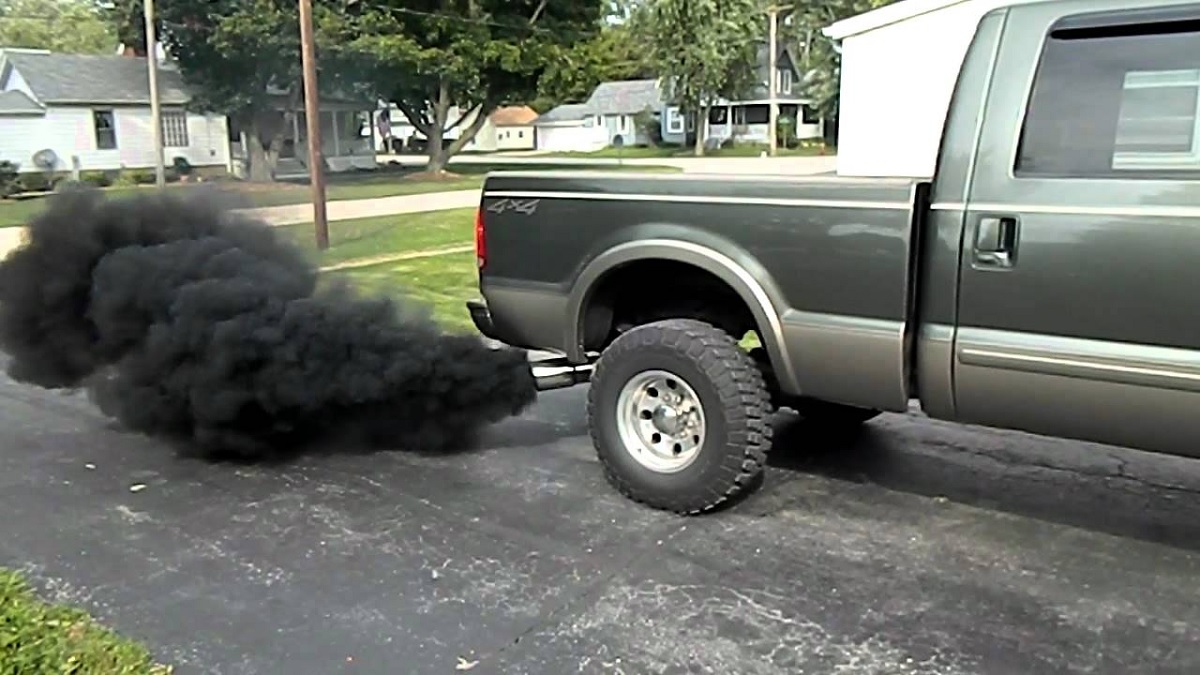
Black smoke from a diesel engine typically results from incomplete combustion, where fuel fails to burn fully within the cylinders. This can occur due to a variety of mechanical, fuel, or air system issues. Drivers may notice a smoky exhaust under acceleration, heavy load, or even during idle in some cases.
Monitoring engine performance alongside smoke emission helps pinpoint potential causes. Symptoms like reduced power, rough acceleration, or unusual fuel consumption often accompany black smoke. Understanding these indicators is key to addressing the problem promptly.
How To Identify Black Smoke From A Diesel Engine
Black smoke from a diesel engine is a clear indicator that something in the combustion process is not functioning optimally. Recognizing and identifying the smoke correctly helps in diagnosing underlying issues before they become serious. Observing color, quantity, and timing of the smoke provides valuable insight into the engine’s condition and efficiency.
Observing Smoke Color and Density
The first step in identifying black smoke is paying attention to its color and density. True black smoke is thick, dark, and usually appears during acceleration, heavy load, or uphill driving. Its density often indicates that the engine is burning more fuel than it can properly combust.
A dense, dark smoke suggests incomplete combustion, which can stem from excess fuel, insufficient air supply, or injector problems. Lighter or grayish smoke may indicate oil burning or other issues, so distinguishing true black smoke is crucial. Observing the smoke under different engine loads helps determine whether it is a recurring problem or occasional occurrence linked to specific driving conditions.
Drivers should also consider the environmental context. High ambient temperatures, humidity, or altitude changes can slightly alter smoke appearance, but persistent, dark black emissions are usually a sign of a combustion-related issue requiring attention.
Monitoring Engine Behavior During Smoke Emission
Identifying black smoke is not only about appearance but also about correlating it with engine performance. Pay attention to acceleration, power delivery, and fuel efficiency when smoke appears. Black smoke often coincides with reduced engine performance, sluggish acceleration, or increased fuel consumption.
By monitoring when the smoke occurs, you can narrow down potential causes. For instance, smoke during heavy acceleration might point to injector issues or excessive fuel delivery, while smoke under load may indicate a clogged air filter or turbocharger problem. Observing engine RPM, throttle response, and exhaust behavior alongside smoke provides a more comprehensive understanding of the issue.
Keeping a log of engine conditions, fuel usage, and smoke intensity over multiple drives can help mechanics diagnose the problem more efficiently. This systematic observation ensures that black smoke is accurately identified and linked to its underlying cause.
Checking for Fuel and Air System Issues
Black smoke often originates from improper fuel-to-air ratios in the combustion chamber. Identifying issues with the fuel system, such as malfunctioning injectors, high fuel pressure, or low-quality diesel, is crucial in confirming black smoke sources. Excess fuel that does not fully combust produces the thick, black smoke visible in the exhaust.
Similarly, air supply problems can lead to incomplete combustion. Dirty air filters, blocked intake pipes, or malfunctioning turbochargers reduce the oxygen available for fuel combustion, directly causing black smoke. Examining these components helps determine whether the smoke is due to too much fuel, too little air, or a combination of both.
Identifying these system issues early prevents further engine damage, improves fuel efficiency, and reduces environmental impact. Routine inspection of fuel and air systems is essential for detecting black smoke sources before they escalate.
Observing Long-Term Patterns
Another important aspect of identifying black smoke is noticing long-term patterns. Occasional black smoke during hard acceleration might be normal for older engines, but persistent smoke during normal driving or idle indicates a more serious issue.
Tracking when and how often black smoke appears helps in understanding the severity of the problem. For example, consistent smoke at low RPM or during idle suggests fuel injector problems, turbocharger issues, or engine timing faults. Patterns over time also help differentiate between environmental factors, temporary overloads, or mechanical failures.
Long-term observation combined with smoke appearance and engine behavior provides a full picture of the engine’s health. Accurate identification ensures the right corrective action is taken, minimizing repair costs and preventing further damage.
Using Diagnostic Tools for Confirmation
Modern diesel engines often come with onboard diagnostics that can assist in identifying the causes of black smoke. OBD-II scanners can detect misfiring injectors, turbocharger performance issues, or sensor faults that contribute to incomplete combustion.
Combining visual observation, engine behavior monitoring, and diagnostic data helps confirm that the smoke is truly a combustion problem and not a temporary anomaly. This multi-faceted approach ensures accurate identification and enables targeted repairs, improving engine efficiency, reducing emissions, and preventing recurring black smoke issues.
Common Causes Of Black Smoke In Diesel Engines
Black smoke from a diesel engine is often a symptom of incomplete combustion, which can arise from various mechanical, fuel, or air system issues. Understanding the most common causes helps drivers identify problems early, prevent engine damage, and maintain performance. Recognizing the source allows for timely maintenance, improved fuel efficiency, and reduced emissions.
Faulty Fuel Injectors
One of the leading causes of black smoke in diesel engines is malfunctioning or worn fuel injectors. Fuel injectors are responsible for delivering precise amounts of diesel into the combustion chamber. When they deliver too much fuel, spray unevenly, or clog partially, the fuel may not burn completely, resulting in thick black smoke from the exhaust.
Drivers may notice black smoke during acceleration or under load if the injectors are faulty. Poor atomization prevents proper mixing with air, creating pockets of unburned fuel that appear as black smoke. Over time, faulty injectors can also reduce engine efficiency, increase fuel consumption, and strain other components like the turbocharger.
Regular inspection and cleaning of fuel injectors, along with timely replacement of worn components, help restore proper fuel delivery and reduce black smoke. Using high-quality fuel also minimizes injector fouling and extends their service life.
Air Intake Restrictions
Insufficient air supply is another common cause of black smoke in diesel engines. Components like clogged air filters, blocked intake ducts, or malfunctioning turbochargers reduce the oxygen available for fuel combustion. Without enough air, even the correct amount of fuel cannot burn completely, producing black smoke.
Engines may emit smoke under load or acceleration when air demand increases. A restricted air supply forces the engine to operate in a fuel-rich condition, where excess diesel cannot combust efficiently. Monitoring airflow and maintaining clean intake components ensures proper fuel-to-air ratios and reduces smoke.
Routine inspection and replacement of air filters, checking for intake leaks, and ensuring the turbocharger functions correctly are key preventive measures. Addressing air supply restrictions restores efficient combustion, improves engine performance, and minimizes black smoke emissions.
Over-Fueling and High Fuel Pressure
Over-fueling occurs when too much diesel enters the combustion chamber relative to the available air. This can result from incorrect fuel pressure settings, malfunctioning fuel pumps, or tuning issues. Excess fuel that does not combust fully exits the engine as black smoke.
High fuel pressure forces more diesel into the cylinder than necessary, overwhelming the combustion process. This often happens during acceleration or heavy load driving, making the smoke more noticeable during those conditions. Persistent over-fueling not only produces smoke but can also lead to carbon buildup, decreased fuel economy, and damage to the turbocharger or exhaust system.
Correcting fuel pressure, ensuring fuel pump calibration, and monitoring fuel delivery systems help prevent over-fueling and the resulting black smoke. Maintaining proper fuel settings improves engine efficiency and reduces emissions significantly.
Engine Timing and EGR Malfunctions
Incorrect engine timing or problems with the Exhaust Gas Recirculation (EGR) system can also contribute to black smoke. Timing that is too advanced or delayed affects the combustion process, while a malfunctioning EGR system can reduce airflow and create overly rich combustion conditions.
Both issues lead to incomplete fuel combustion, resulting in visible black smoke. Symptoms often include reduced power, rough acceleration, and excessive smoke under load. Regular inspection of timing components, EGR valves, and associated sensors ensures that combustion occurs efficiently and reduces black smoke emissions.
Timely maintenance of these systems keeps engine operation smooth, improves fuel efficiency, and minimizes harmful exhaust emissions. Accurate diagnosis helps prevent further engine damage caused by prolonged inefficient combustion.
How To Diagnose The Source Of Black Smoke
Black smoke from a diesel engine is a clear sign of incomplete combustion, but identifying the exact cause requires careful observation and diagnostic steps. Pinpointing the source ensures proper repairs, restores engine efficiency, and prevents further damage. A systematic approach involving visual checks, performance monitoring, and diagnostic tools is essential for accurate identification.
Observe Engine Behavior and Smoke Patterns
The first step in diagnosing black smoke is closely observing engine behavior and the conditions under which smoke appears. Note when the smoke occurs—during acceleration, under heavy load, while idling, or constantly. The timing and intensity of the smoke provide key clues about its source.
For example, black smoke during acceleration or load-heavy driving often points to over-fueling, injector problems, or air supply issues. Smoke at idle may suggest clogged injectors, EGR malfunction, or turbocharger problems. Pay attention to other engine symptoms, such as rough idling, loss of power, unusual fuel consumption, or unusual exhaust odors.
Documenting smoke patterns over multiple drives helps identify recurring conditions and narrow down potential causes. Correlating smoke appearance with engine load, RPM, and fuel consumption provides valuable insight for diagnosis.
Inspect the Fuel System
Fuel delivery issues are among the most common causes of black smoke. Begin by examining the fuel injectors, fuel pump, and associated lines. Dirty, clogged, or malfunctioning injectors can over-deliver fuel, leading to incomplete combustion and black smoke.
Testing injector spray patterns and fuel pressure helps determine whether fuel delivery is consistent and appropriate. High fuel pressure or excessive injection volume during acceleration often indicates over-fueling. Checking fuel quality is equally important, as low-quality diesel can cause injector fouling, poor atomization, and incomplete combustion.
Regular inspection and maintenance of the fuel system, along with cleaning or replacing faulty injectors, often resolve black smoke issues. Proper fuel system operation ensures efficient combustion and reduces both smoke and fuel waste.
Examine Air Intake and Turbocharger Components
Air supply is crucial for proper combustion, so diagnosing black smoke requires a thorough check of intake components. Inspect air filters, ducts, intercoolers, and turbochargers for blockages, leaks, or damage. Restricted airflow reduces oxygen in the combustion chamber, causing a rich fuel mixture and black smoke.
Turbochargers that fail to build sufficient boost pressure can also result in black smoke during acceleration or heavy loads. Observing boost levels and checking for abnormal sounds or leaks helps identify airflow issues. Cleaning or replacing air filters, repairing damaged ducts, and ensuring proper turbocharger function often restores efficient combustion and reduces smoke.
Monitoring air intake alongside engine load and fuel delivery provides a clear picture of whether black smoke is caused by insufficient air, excess fuel, or a combination of factors.
Use Diagnostic Tools and Sensors
Modern diesel engines often include onboard diagnostic systems that can provide valuable insight into black smoke causes. An OBD-II scanner can reveal error codes related to fuel injectors, EGR systems, turbochargers, or sensors affecting combustion. Live data monitoring of fuel pressure, air intake, and exhaust gas readings helps pinpoint the exact source of incomplete combustion.
Combining sensor data with visual inspection and performance monitoring allows for a comprehensive diagnosis. For instance, high fuel pressure readings alongside low turbo boost indicate an over-fueling issue compounded by air restriction. Accurate diagnosis using both observation and diagnostics ensures targeted repairs, reducing costs and preventing further engine damage.
Consider Engine Timing and EGR System
Incorrect engine timing or malfunctioning Exhaust Gas Recirculation (EGR) systems can also produce black smoke. Timing that is off affects combustion efficiency, while a clogged or faulty EGR valve can restrict airflow and create an overly rich mixture.
Checking the timing settings and testing the EGR operation can reveal these issues. Symptoms may include black smoke at idle, reduced power, or increased fuel consumption. Properly calibrated timing and a functioning EGR system optimize combustion, eliminating black smoke and improving engine performance.
Systematic observation, fuel and air system checks, diagnostics, and timing inspection provide a complete framework for identifying the source of black smoke in diesel engines, ensuring accurate repair and improved engine efficiency.
DIY Fixes To Reduce Black Smoke
Black smoke from a diesel engine can indicate inefficient combustion, but many causes are manageable with simple DIY fixes. Addressing minor issues promptly improves engine performance, reduces fuel waste, and lowers emissions. By focusing on fuel delivery, air supply, and maintenance routines, drivers can take practical steps to minimize black smoke without immediate professional intervention.
Clean or Replace Fuel Injectors
Dirty or clogged fuel injectors are a common cause of black smoke. Over time, deposits build up on injector nozzles, affecting spray patterns and preventing proper fuel atomization. Poor atomization leads to unburned fuel exiting the exhaust as black smoke.
DIY cleaning can involve using fuel injector cleaning additives or performing manual cleaning with care. Additives are poured into the fuel tank and work to dissolve deposits during regular driving. For more stubborn buildup, injectors may need to be removed and cleaned using ultrasonic methods or specialized cleaning kits. Regularly inspecting fuel quality also helps prevent injector fouling.
Replacing worn or malfunctioning injectors ensures accurate fuel delivery and restores complete combustion. Proper injector maintenance reduces black smoke, improves fuel efficiency, and extends engine longevity without requiring complex mechanical intervention.
Maintain and Clean Air Intake Components
Restricted airflow can cause a rich fuel mixture, producing black smoke. Checking and maintaining the air intake system, including filters, ducts, and turbocharger connections, is an effective DIY step. A clogged air filter reduces oxygen supply, preventing fuel from burning completely.
Start by inspecting the air filter and replacing it if dirty or damaged. Clean intake ducts and intercoolers of dust, debris, or oil buildup that could obstruct airflow. Ensure turbocharger hoses are properly connected and free from leaks, as leaks reduce boost pressure and impair combustion.
Routine air intake maintenance restores proper fuel-to-air ratios, reduces black smoke during acceleration or heavy load, and enhances overall engine performance. Clean airflow components ensure efficient combustion and help prevent recurring smoke issues.
Check and Maintain Engine Timing and EGR
Incorrect engine timing or a faulty Exhaust Gas Recirculation (EGR) system can contribute to black smoke. While complex repairs may require a mechanic, basic DIY checks can identify potential problems. Observing engine performance at idle and under load may indicate timing or EGR issues.
Ensure the EGR valve is not clogged with soot or carbon deposits. Cleaning the valve with appropriate cleaners and checking for smooth operation can improve airflow and reduce smoke. For timing adjustments, reviewing the manufacturer’s recommendations for minor corrections may help restore efficient combustion.
Maintaining proper timing and a functioning EGR system ensures optimal fuel combustion, reducing black smoke and improving power output, while also preventing excessive engine wear.
Monitor and Improve Fuel Quality
Low-quality or contaminated diesel fuel often leads to incomplete combustion and black smoke. Using high-quality fuel and adding fuel system cleaners periodically helps maintain injector cleanliness and proper combustion.
Avoid filling up at unreliable stations and consider additives designed to improve combustion efficiency. Regularly monitoring fuel storage and handling practices ensures the fuel remains free of water or sediment that can affect injector performance.
Proper fuel selection and maintenance reduce carbon buildup, enhance engine efficiency, and minimize black smoke. Consistent attention to fuel quality is a simple but effective DIY measure to improve diesel engine performance.
Maintain Regular Engine and Turbocharger Care
Regular maintenance of the engine and turbocharger reduces black smoke caused by mechanical wear or airflow issues. Cleaning the turbocharger, checking boost pressure, and inspecting hoses can prevent incomplete combustion.
Routine oil changes, filter replacements, and monitoring engine performance contribute to efficient combustion and reduce emissions. Ensuring all moving parts function smoothly decreases black smoke during both idle and acceleration.
FAQs
What Does Black Smoke From A Diesel Engine Mean?
Black smoke from a diesel engine usually indicates incomplete combustion, meaning that the fuel in the engine is not burning completely. This can happen when there is too much fuel being delivered, insufficient air for combustion, or problems with fuel atomization
You might notice this smoke during acceleration, heavy loads, or even at idle in some cases. It can also signal issues with injectors, air filters, or turbochargers. Recognizing black smoke early helps you address the problem before it affects engine performance or causes long-term damage
Persistent black smoke is often a warning that maintenance or inspection is needed to restore proper fuel-to-air ratios and improve combustion efficiency
Why Does A Diesel Engine Smoke Black During Acceleration?
Black smoke during acceleration typically points to excessive fuel delivery or poor air supply. When the engine demands more power, fuel injectors release additional diesel, but if the air supply is insufficient, the fuel cannot burn completely
This condition may also arise from clogged air filters, malfunctioning turbochargers, or worn injectors. Engines with high fuel pressure or dirty fuel can exacerbate the problem
Monitoring black smoke during acceleration helps identify whether the cause is fuel-related, air-related, or both. Corrective action, like cleaning injectors, improving airflow, or adjusting fuel pressure, usually resolves the issue
Can Dirty Fuel Injectors Cause Black Smoke In Diesel Engines?
Yes, dirty or clogged fuel injectors are a common cause of black smoke. Deposits on injector nozzles prevent proper fuel atomization, creating pockets of unburned diesel that exit as thick, black smoke
You may notice smoke mostly during acceleration or heavy load when injectors fail to deliver fuel efficiently. Over time, dirty injectors can also reduce engine power, increase fuel consumption, and strain other components like the turbocharger
Regular cleaning or using fuel additives to remove deposits helps restore proper injector function. In severe cases, replacing worn injectors eliminates black smoke and improves combustion
How Do Air Supply Problems Lead To Black Smoke?
Insufficient airflow into the combustion chamber reduces oxygen availability, causing a rich fuel mixture and black smoke. Common causes include clogged air filters, blocked intake ducts, or malfunctioning turbochargers
You may notice smoke when the engine is under load or during heavy acceleration. The problem often coincides with reduced engine efficiency and sluggish acceleration
Maintaining clean air filters, ensuring turbocharger functionality, and checking intake ducts for leaks or blockages restores proper air supply. Adequate airflow allows fuel to burn completely, eliminating black smoke and improving engine performance
Can Over-Fueling Cause Black Smoke In Diesel Engines?
Over-fueling occurs when the engine receives more diesel than it can burn efficiently, resulting in black smoke. This can be caused by incorrect fuel pressure, faulty injectors, or poor tuning
Black smoke often appears during acceleration or under heavy load because excess fuel overwhelms the combustion process. Over-fueling can also lead to carbon buildup, decreased fuel economy, and potential damage to the turbocharger and exhaust system
Correcting fuel pressure, calibrating injectors, and using high-quality fuel helps prevent over-fueling. Proper fuel management ensures complete combustion, reduces black smoke, and improves overall engine efficiency
Can A Faulty Turbocharger Cause Black Smoke?
Yes, a malfunctioning turbocharger can lead to black smoke. The turbocharger increases air pressure entering the combustion chamber, ensuring fuel burns completely. If it fails or leaks, insufficient air mixes with fuel, resulting in incomplete combustion and black smoke
Symptoms often include smoke during acceleration or under heavy engine load, reduced power, and sometimes unusual noises from the turbo. Inspecting the turbocharger, checking boost pressure, and ensuring all connections are intact usually resolves the issue
Maintaining turbocharger health through regular inspection and cleaning allows the engine to burn fuel efficiently and prevents excessive black smoke emissions
How Does EGR Malfunction Contribute To Black Smoke?
A faulty Exhaust Gas Recirculation (EGR) system can restrict airflow or create an overly rich mixture, leading to black smoke. The EGR recirculates exhaust gases to reduce emissions, but carbon buildup or valve failure can disrupt airflow and combustion
You may notice black smoke at idle or low RPM, along with reduced power and increased fuel consumption. Cleaning the EGR valve and passages or replacing faulty components restores proper airflow
Conclusion
Excessive black smoke from a diesel engine is often a clear sign that the fuel and air mixture is not balanced properly. Common contributors include clogged air filters, faulty fuel injectors, turbocharger problems, or EGR system malfunctions. Addressing these issues promptly can prevent further engine damage and improve both performance and fuel efficiency.
Understanding why diesel engine smoke black occurs helps you take proactive steps to maintain your vehicle. Regular inspections, timely replacement of worn components, and proper maintenance of the fuel and air systems can significantly reduce black smoke emissions. Ignoring the problem may lead to costly repairs and reduced engine lifespan.
By staying attentive to signs like black smoke, you ensure your diesel engine runs cleaner and more efficiently. Proper maintenance and early diagnosis are key to solving the underlying issues and preventing future occurrences of black smoke, keeping your engine healthy and reliable.