Why Your Car Dies While Driving – Top Causes and How to Fix Them Fast
Experiencing a sudden loss of power while driving can be alarming and dangerous. Your vehicle may hesitate, stall, or completely shut off, leaving you stranded in traffic or on the side of the road. Understanding the reasons behind such issues helps you take proactive measures to prevent breakdowns and maintain your car’s reliability.
Why your car dies while driving is a common concern for many drivers and can stem from a variety of mechanical, electrical, or fuel-related problems. From faulty fuel pumps to failing ignition components or sensor malfunctions, these issues disrupt the engine’s normal operation and cause it to stop unexpectedly.
Drivers may notice early warning signs, such as rough idling, hesitation during acceleration, unusual noises, or dashboard warning lights. Recognizing these signs can help you address the problem before it leads to a complete stall.
By understanding the potential causes and symptoms, you can make informed decisions about maintenance, repairs, and safety. Addressing these issues promptly ensures consistent engine performance and a safer driving experience.
Common Signs That Your Car May Die While Driving
A car that dies while driving often gives subtle warning signs before a complete stall occurs. Recognizing these symptoms early allows you to address underlying issues and prevent dangerous situations on the road. From engine performance changes to dashboard alerts, these signs often indicate problems with fuel, ignition, or electrical systems that require attention.
Engine Hesitation And Stalling
One of the first signs your car may die while driving is engine hesitation. You may notice a lag in power when accelerating, rough idling, or uneven throttle response. Hesitation often indicates issues with fuel delivery, ignition, or airflow, which can worsen over time if left untreated.
Stalling can occur sporadically at low speeds, while idling at a stoplight, or even during acceleration. Repeated stalls point to a compromised fuel pump, clogged fuel filter, failing spark plugs, or ignition coil issues. Even minor disruptions in these systems can cause the engine to cut out unexpectedly.
Consistently observing hesitation or stalling is a warning to inspect the fuel and ignition systems promptly. Addressing these issues early not only prevents a complete breakdown but also maintains smooth acceleration, reliable performance, and safer driving conditions.
Unusual Engine Noises And Vibrations
Strange noises or vibrations can signal that your car is at risk of dying while driving. Knocking, pinging, or sputtering sounds often result from incomplete combustion, misfires, or fuel system irregularities. These auditory cues indicate the engine is not operating efficiently and may soon fail under load.
Excessive vibrations, especially during idle or acceleration, can also be a sign of engine misfires or imbalance in the combustion process. Worn spark plugs, faulty ignition coils, or clogged fuel injectors can create irregular firing patterns, reducing engine stability and increasing the risk of stalling.
Paying attention to these symptoms allows you to identify potential problems before they escalate. Addressing unusual noises or vibrations promptly ensures smoother operation, reduces stress on engine components, and decreases the likelihood of sudden power loss while driving.
Dashboard Warning Lights And Indicators
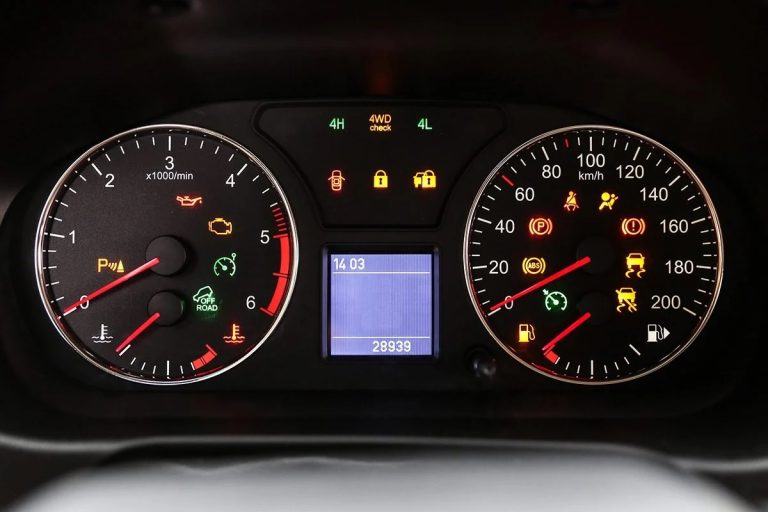
Warning lights on the dashboard often provide early alerts that your car may die while driving. Check engine lights, battery alerts, or fuel system warnings indicate that the engine control unit has detected irregularities that could compromise performance.
Sensors monitoring oxygen levels, fuel pressure, or engine temperature may trigger these warnings. Ignoring dashboard alerts allows underlying issues to worsen, increasing the chances of a stall or engine shutdown. Some vehicles may also display flashing check engine lights, signaling misfires or severe combustion problems.
Responding promptly to dashboard warnings through diagnostics helps identify failing components, such as ignition coils, fuel pumps, or sensors. Early intervention prevents complete engine failure and ensures continued reliability, improving safety and performance while driving.
Reduced Fuel Efficiency And Power Loss
A sudden drop in fuel efficiency or engine power is another key sign your car may die while driving. Inconsistent acceleration, sluggish performance, or difficulty maintaining speed may indicate that the engine is not receiving adequate fuel or air.
Causes of reduced power include clogged fuel filters, failing injectors, weak fuel pumps, or malfunctioning sensors. These issues prevent the engine from delivering the energy needed to operate under normal load, increasing the risk of stalling or total engine shutdown during acceleration.
Monitoring changes in fuel consumption and performance helps you detect early warning signs. Addressing these issues promptly restores proper fuel flow, improves acceleration, and reduces the likelihood of unexpected engine failure while on the road.
Difficulty Starting And Frequent Misfires
Frequent misfires or trouble starting the vehicle can also indicate that your car may die while driving. Engines struggling to ignite the air-fuel mixture are prone to stalling under load, especially at low speeds or during idling.
Causes often include worn spark plugs, failing ignition coils, weak batteries, or fuel delivery problems. Repeated misfires place stress on engine components, reducing efficiency and increasing the likelihood of a complete shutdown. Drivers may notice hesitation, jerking, or uneven engine performance before a total stall occurs.
Regular inspections and timely replacement of ignition and fuel system components help prevent sudden power loss. Identifying early warning signs of misfires ensures safer driving, restores consistent engine performance, and reduces the risk of your car dying unexpectedly.
Main Causes Behind Car Dying While Driving
Experiencing a car that dies while driving can be alarming, and the causes often involve critical engine, fuel, or electrical components. Identifying the root problem helps you prevent sudden breakdowns, maintain safety, and ensure your vehicle performs reliably. The main causes typically revolve around fuel delivery issues, ignition failures, or sensor malfunctions that disrupt normal engine operation.
Faulty Fuel Pump Or Low Fuel Pressure
A failing fuel pump is one of the most common reasons a car dies while driving. The pump is responsible for delivering fuel from the tank to the engine at the correct pressure. When it weakens or fails, the engine may receive insufficient fuel, leading to hesitation, sputtering, or a sudden stall during acceleration.
Low fuel pressure can also result from a clogged fuel filter or a malfunctioning fuel pressure regulator. Without consistent fuel delivery, the air-fuel mixture becomes imbalanced, causing incomplete combustion and reduced power output. Drivers may notice the engine struggling to maintain speed, misfiring, or stalling unexpectedly, particularly under load or during high-demand driving situations.
Addressing fuel pump issues promptly is essential. Regular fuel system maintenance, including filter replacement and pressure testing, ensures consistent fuel flow, restores reliable engine performance, and reduces the risk of unexpected stalls on the road.
Ignition System Failures
Problems in the ignition system, such as worn spark plugs, failing ignition coils, or damaged spark plug wires, can cause a car to die while driving. These components are responsible for igniting the air-fuel mixture in the combustion chamber. When they fail, misfires occur, leading to hesitation, sputtering, or sudden engine shutdown.
Even minor ignition issues can significantly affect drivability. Faulty spark plugs produce weak or inconsistent sparks, while bad coils or wires disrupt timing, causing uneven combustion and engine instability. Drivers may notice rough idling, jerking during acceleration, or reduced throttle response before a complete stall occurs.
Regular inspection and timely replacement of ignition components maintain reliable spark delivery. Ensuring the ignition system functions properly prevents misfires, supports smooth acceleration, and reduces the likelihood of the engine dying while driving.
Clogged Fuel Injectors Or Dirty Intake Components
Fuel injectors deliver precise amounts of fuel into the combustion chamber, and any obstruction can cause engine stalls. Dirty or clogged injectors lead to inconsistent fuel delivery, misfires, and sputtering under load. Similarly, buildup in the intake system, such as carbon deposits on intake valves or a dirty throttle body, disrupts airflow and combustion efficiency.
Restricted fuel or airflow prevents the engine from receiving the correct air-fuel mixture, causing hesitation and eventual stalling. Drivers may notice rough running, reduced power, or uneven acceleration, especially during rapid throttle input or uphill driving. Over time, continued operation under these conditions stresses engine components and increases the likelihood of a complete shutdown.
Cleaning or replacing injectors and maintaining intake components ensures proper fuel atomization and airflow. This restores smooth combustion, improves throttle response, and reduces the risk of sudden engine failure.
Malfunctioning Sensors And Engine Management Issues
Modern engines rely on sensors to regulate fuel delivery, ignition timing, and emissions control. Malfunctioning sensors, such as the mass airflow sensor, oxygen sensors, or throttle position sensor, can cause the engine to die while driving. These sensors provide inaccurate data to the engine control unit, leading to improper air-fuel ratios and combustion timing.
Inaccurate sensor readings often result in misfires, hesitation, or reduced engine power. Drivers may experience rough idling, uneven acceleration, or sudden stalling, sometimes accompanied by dashboard warning lights. Ignoring sensor-related problems allows underlying issues to worsen, increasing the risk of catastrophic engine failure.
Routine diagnostics and sensor maintenance are essential for reliable engine operation. Ensuring accurate sensor performance maintains consistent combustion, prevents unexpected stalls, and supports smooth, responsive acceleration during normal driving conditions.
Electrical And Battery-Related Issues
Electrical failures, such as a dying battery, alternator issues, or loose connections, can also cause a car to die unexpectedly. The engine relies on stable voltage to power ignition systems, fuel pumps, and onboard electronics. Any disruption can cause the engine to stall while driving.
Symptoms of electrical issues include dimming lights, flickering dashboard indicators, or intermittent power loss before a complete stall occurs. Ignoring these warning signs can lead to sudden breakdowns and potentially leave you stranded in unsafe conditions. Regular battery and alternator checks, along with secure wiring connections, ensure consistent electrical supply and prevent stalling caused by electrical failures.
How Fuel System Failures Lead To Stalling
A properly functioning fuel system is essential for smooth engine operation. When components like the fuel pump, injectors, or filters fail, the engine may not receive the correct amount of fuel, leading to hesitation, sputtering, or complete stalling. Understanding how fuel system failures cause these problems helps drivers identify early signs and prevent sudden breakdowns.
Weak Or Failing Fuel Pump
The fuel pump delivers fuel from the tank to the engine at the correct pressure. A weak or failing pump cannot maintain consistent fuel flow, especially under high-demand conditions like acceleration or uphill driving. This results in an imbalanced air-fuel mixture, causing the engine to sputter or stall unexpectedly.
Drivers may notice hesitation during acceleration, reduced power, or sudden jerks as the engine struggles to maintain combustion. Inconsistent fuel delivery can also trigger misfires, rough idling, and decreased fuel efficiency. Over time, repeated fuel starvation stresses the engine, potentially damaging internal components.
Regular maintenance, including fuel pump inspections and pressure tests, ensures reliable operation. Replacing a failing pump restores consistent fuel flow, smooth engine performance, and reduces the risk of stalling while driving.
Clogged Fuel Injectors And Filters
Fuel injectors and filters play a critical role in delivering clean fuel to the engine. Dirty or clogged injectors disrupt the spray pattern, causing uneven combustion and engine hesitation. Similarly, clogged fuel filters restrict flow, preventing the engine from receiving sufficient fuel during acceleration or high-load conditions.
When injectors or filters fail, the engine may misfire, hesitate, or stall entirely. Drivers might experience jerky throttle response, rough idling, or power loss under load. Over time, prolonged operation with restricted fuel flow places additional strain on the fuel pump and engine components, increasing the risk of permanent damage.
Routine fuel system cleaning and filter replacement maintain proper fuel delivery. These preventive measures ensure smooth acceleration, consistent power, and reduce the likelihood of stalling caused by fuel restriction.
Malfunctioning Fuel Pressure Regulators
Fuel pressure regulators maintain the proper fuel pressure for the injectors. A malfunctioning regulator can create a lean or rich fuel mixture, affecting combustion and causing the engine to stall. Too much fuel leads to black smoke, hesitation, and rough idling, while too little fuel starves the engine, causing sputtering and sudden shutdowns.
Pressure imbalances disrupt engine timing and efficiency, reducing throttle response and increasing the likelihood of misfires. Drivers may notice inconsistent acceleration, reduced fuel economy, and engine hesitation before the vehicle dies completely. Addressing regulator problems promptly prevents repeated stalling and protects the engine from long-term damage.
Testing and replacing faulty regulators restores balanced fuel pressure, supports smooth combustion, and ensures reliable engine performance under all driving conditions.
Contaminated Fuel And System Blockages
Contaminated fuel introduces water, dirt, or microbial growth into the system, which can clog injectors, filters, and pumps. Contamination reduces fuel atomization, disrupts combustion, and often leads to stalling during acceleration or idling.
Even small amounts of debris can cause inconsistent engine performance. Drivers may notice hesitation, jerking, or sputtering as the engine struggles to maintain power. Long-term exposure to contaminated fuel can damage pumps, injectors, and internal engine components, making repairs more expensive.
Using high-quality fuel, keeping the tank clean, and replacing fuel filters regularly prevent contamination. Promptly addressing contamination ensures smooth fuel delivery, reliable acceleration, and reduces the risk of stalling caused by fuel system failures.
Electrical Issues Within The Fuel System
Modern fuel systems rely on electrical components such as fuel pump relays, sensors, and control units. A failure in any of these parts can disrupt fuel delivery, causing hesitation or engine shutdown. Loose wiring, blown fuses, or failing relays may intermittently cut power to the fuel pump, leading to sudden stalling.
Drivers might notice irregular engine behavior, such as fluctuating RPMs, misfires, or temporary loss of power, before a full stall occurs. Electrical failures often mimic mechanical issues, making diagnosis challenging without proper inspection.
Ensuring the fuel system’s electrical components are in good condition, along with routine maintenance, helps maintain consistent fuel delivery. Proper care reduces the risk of stalls caused by electrical failures and ensures smooth, reliable engine operation.
Risks Of Ignoring The Problem
Ignoring engine issues like a car dying while driving can lead to severe consequences, including safety hazards, costly repairs, and long-term engine damage. What may start as minor hesitation or sputtering can escalate into serious mechanical failures. Understanding the risks emphasizes the importance of timely diagnosis and maintenance to prevent accidents and protect your vehicle’s longevity.
Increased Safety Hazards
One of the most immediate risks of ignoring engine problems is compromised safety. A sudden stall while driving on highways, busy intersections, or steep inclines can result in loss of control, increasing the likelihood of accidents. Unexpected engine shutdowns leave you vulnerable to collisions, especially in traffic or adverse weather conditions.
Even brief power loss can make it difficult to maneuver or accelerate out of danger. Drivers may panic during a stall, further increasing the risk of collisions. Ignoring early warning signs, such as rough idling, hesitation, or sputtering, allows these situations to develop, creating unsafe driving conditions for both you and others on the road.
Recognizing and addressing engine issues early is critical to maintaining vehicle control and protecting driver and passenger safety. Timely repairs reduce the chance of accidents caused by sudden stalls or unpredictable engine behavior.
Escalating Repair Costs
Minor engine issues can quickly evolve into expensive repairs when ignored. Components like fuel pumps, spark plugs, injectors, and ignition coils are easier and less costly to replace early. However, continued operation with these problems may lead to damage in pistons, valves, catalytic converters, or the engine control unit.
Delaying repairs also increases labor costs and may require multiple parts to be replaced simultaneously. What could have been a simple fix becomes a major repair bill. Drivers often underestimate the financial consequences of neglecting symptoms like sputtering, hesitation, or misfires, but the cumulative cost of ignoring these problems is substantial.
Addressing issues promptly prevents unnecessary expenses, restores engine reliability, and preserves your vehicle’s long-term value. Proactive maintenance is far more cost-effective than waiting for catastrophic failure.
Long-Term Engine Damage
Ignoring engine problems can cause irreversible damage to critical components. Repeated stalls, misfires, or uneven combustion place additional stress on pistons, valves, and the crankshaft, accelerating wear and tear. Over time, this can shorten engine lifespan and reduce overall reliability.
Persistent fuel system or ignition failures contribute to overheating, knocking, and incomplete combustion, further harming internal components. Neglecting these issues often results in permanent damage that may require a complete engine rebuild or replacement.
Early diagnosis and repair help prevent long-term damage, ensuring the engine remains efficient and reliable. Maintaining engine health safeguards your investment and reduces the risk of catastrophic failures.
Reduced Performance And Fuel Efficiency
Ignoring engine issues not only affects safety and costs but also impacts performance and fuel economy. Hesitation, sputtering, and stalls reduce throttle response, limit acceleration, and make driving less predictable. Incomplete combustion caused by fuel or ignition problems decreases fuel efficiency, increasing the frequency of refueling and operational costs.
Over time, reduced performance can lead to additional strain on the transmission, drivetrain, and exhaust systems. Addressing engine problems early restores proper power delivery, smooth acceleration, and efficient fuel consumption, ensuring reliable performance and a safer driving experience.
People Also Asked
What Causes My Car To Die While Driving?
Your car can die while driving due to several mechanical or electrical issues. Common causes include a failing fuel pump, clogged fuel injectors, or a dirty fuel filter, all of which disrupt proper fuel delivery. Faulty spark plugs or ignition coils can also prevent the engine from firing correctly, causing sudden stalls.
Electrical issues such as a weak battery, alternator problems, or malfunctioning sensors may cut power to critical components. Identifying the root cause quickly helps prevent dangerous breakdowns and ensures your vehicle remains safe and reliable on the road.
Can A Failing Fuel Pump Cause My Car To Stall?
Yes, a weak or failing fuel pump is a leading reason cars stall while driving. The pump delivers fuel to the engine at the proper pressure, and when it cannot maintain that pressure, the engine may hesitate, sputter, or shut off completely.
Low fuel pressure caused by a failing pump can result in misfires, rough idling, and power loss during acceleration. Timely inspection and replacement of a faulty fuel pump restore consistent fuel flow, smooth engine performance, and prevent sudden stalls while driving.
How Do Faulty Spark Plugs Affect Engine Operation?
Faulty or worn spark plugs can cause your engine to misfire, resulting in sputtering, hesitation, or complete shutdown while driving. Spark plugs ignite the air-fuel mixture, and any weakness or inconsistency disrupts combustion, making the engine unstable.
Ignition coils and wiring also play a role; if they fail, the spark may be weak or irregular, leading to power loss. Regular replacement of spark plugs and ignition components ensures reliable combustion, smooth acceleration, and reduces the risk of your car dying unexpectedly.
Can Clogged Fuel Injectors Cause A Stall?
Yes, clogged or dirty fuel injectors disrupt fuel delivery to the combustion chamber, causing uneven engine operation and stalls. When injectors cannot spray fuel efficiently, misfires and hesitation occur, especially during acceleration or heavy load conditions.
This uneven fuel flow can also increase emissions and reduce fuel efficiency. Routine cleaning or replacement of fuel injectors restores proper fuel atomization, improves combustion, and ensures smooth, reliable engine performance, preventing stalling while driving.
Do Sensor Malfunctions Lead To My Car Dying?
Yes, malfunctioning sensors can cause the engine to die unexpectedly. Sensors such as the oxygen sensor, mass airflow sensor, or throttle position sensor provide data to the engine control unit to regulate fuel delivery and ignition timing.
If these sensors fail, the engine may run too rich or too lean, misfire, or lose power suddenly. Diagnosing and replacing faulty sensors ensures accurate engine management, restores smooth acceleration, and prevents unexpected stalls that could compromise safety.
How Does Poor Fuel Quality Affect My Car’s Performance?
Using low-quality or contaminated fuel can lead to engine stalls. Impurities or water in the fuel can clog injectors, reduce combustion efficiency, and create misfires. Contaminated fuel disrupts the air-fuel mixture, causing hesitation, sputtering, or sudden power loss while driving.
High-quality fuel ensures proper combustion, maintains injector cleanliness, and reduces the risk of stalling. Regularly refueling at trusted stations and keeping the fuel system clean helps prevent fuel-related stalls and protects engine longevity.
What Are The Risks Of Ignoring Engine Stalling?
Ignoring engine stalls can lead to serious safety hazards, costly repairs, and long-term engine damage. Repeated stalling increases the risk of accidents, especially in traffic, on highways, or in adverse weather.
Persistent misfires or fuel delivery issues can also damage pistons, valves, and the catalytic converter. Delaying repairs increases repair costs and reduces fuel efficiency. Addressing stalling symptoms early restores reliable performance, ensures safe driving, and prevents major engine failures that could leave you stranded unexpectedly.
Final Thoughts
Experiencing a sudden stall while driving can be alarming and dangerous, highlighting the importance of understanding the underlying causes. Ignoring warning signs such as flickering dashboard lights, engine hesitation, or difficulty restarting can lead to more severe damage and higher repair costs. Addressing issues promptly ensures safety and prevents unexpected breakdowns.
Several factors explain why your car dies while driving, including fuel system problems, ignition failures, battery or alternator issues, and faulty sensors. Each of these components plays a critical role in keeping your engine running smoothly, and even minor malfunctions can result in sudden stalling. Regular inspections and timely maintenance help detect these issues early, reducing the likelihood of unexpected engine failure.
Preventive care and proper troubleshooting are key to avoiding dangerous situations on the road. By keeping your fuel system, ignition components, and electrical systems in good condition, you can significantly reduce occurrences of why your car dies while driving and maintain a reliable, safe vehicle.