Why Your Car AC Suddenly Stopped Blowing Cold Air – Causes and Fixes
Experiencing a sudden lack of cold air from your car’s AC can be frustrating, especially during hot days when comfort on the road is essential. The moment you realize that your usual cooling system isn’t working, it can raise concerns about both your comfort and the health of your vehicle. Understanding the root cause behind this problem is key to addressing it efficiently.
There are several factors that can contribute to a sudden AC failure. Mechanical issues, refrigerant leaks, or electrical malfunctions may prevent your system from performing as expected. Even a minor component issue can quickly lead to noticeable changes in airflow or temperature.
Knowing the signs and potential triggers of AC failure helps in making informed decisions about repairs or replacements. A thorough inspection often reveals whether the problem is simple, like a clogged filter, or more complex, involving compressor or condenser issues.
Being aware of the reasons behind such malfunctions ensures timely action, reducing the risk of further damage. By addressing the root cause promptly, comfort and reliability in your car are restored.
Causes of Your Car AC Suddenly Stopped Blowing Cold Air
Experiencing a sudden loss of cold air in your car can be alarming and uncomfortable, especially during extreme weather. Understanding the potential causes helps you troubleshoot the issue and prevents further damage to the system. Several factors can disrupt the normal functioning of your car AC, from mechanical failures to electrical problems, refrigerant issues, or even simple maintenance oversights. Identifying the exact cause is essential for proper repair and restoring comfort in your vehicle.
Refrigerant Leak
One of the most common reasons your car AC suddenly stopped blowing cold air is a refrigerant leak. The refrigerant is the fluid responsible for absorbing heat from the cabin and releasing it outside, ensuring cool airflow. Over time, seals, hoses, or connections may wear out, leading to leaks. When the refrigerant level drops below the required threshold, the system cannot maintain the necessary cooling.
Symptoms of a refrigerant leak include reduced cooling efficiency, hissing sounds near the AC components, or visible oily residue around the compressor or hoses. Driving with low refrigerant can cause the compressor to overheat and fail, leading to expensive repairs. Professionals often use electronic leak detectors or UV dye to locate leaks. Regular AC maintenance, including refrigerant top-ups and system inspections, helps prevent sudden failures. Addressing leaks promptly restores proper cooling performance and ensures the longevity of the AC system.
Faulty Compressor
The AC compressor acts as the heart of your system, circulating refrigerant throughout the lines. A malfunctioning compressor can cause your car AC to stop blowing cold air abruptly. Common causes of compressor failure include worn-out internal components, lack of lubrication, or damage from low refrigerant levels. Electrical issues like blown fuses or faulty relays can also prevent the compressor from activating.
A failing compressor often produces unusual noises, such as grinding or squealing, when the AC is turned on. In some cases, the AC may blow warm air intermittently or stop functioning entirely. Repairing or replacing a damaged compressor requires professional intervention, as it involves handling refrigerants and complex mechanical components. Regular maintenance, including inspecting the compressor belt, ensuring proper lubrication, and checking refrigerant levels, reduces the risk of sudden failure and keeps the AC system running efficiently.
Electrical System Issues
Electrical problems can also cause your car AC to stop blowing cold air suddenly. Modern AC systems rely on various electrical components, including fuses, relays, sensors, and the control module, to function correctly. A blown fuse, faulty relay, or malfunctioning temperature sensor can disrupt the entire system, leading to warm air output. Corrosion in wiring or loose connections may also prevent the compressor from engaging.
Diagnosing electrical issues often requires a multimeter or specialized diagnostic tools to test circuits and verify component functionality. Some signs of electrical problems include inconsistent airflow, intermittent cooling, or complete AC failure. Professional technicians can pinpoint the exact cause, whether it’s a fuse replacement, wiring repair, or control module recalibration. Addressing electrical issues promptly ensures your AC system remains reliable and prevents secondary damage to mechanical components caused by improper operation.
Clogged or Dirty Components
Accumulation of dirt and debris in the AC system can reduce its efficiency and eventually stop cold air from blowing. The cabin air filter, evaporator, and condenser are particularly susceptible to clogging. A blocked cabin air filter reduces airflow, while a dirty evaporator or condenser prevents proper heat exchange. This causes the system to work harder, leading to potential component strain and failure.
Signs of clogged components include weak airflow, strange odors from the vents, or fluctuating cabin temperatures. Regular cleaning and replacement of filters, along with periodic system flushes, ensure the AC operates smoothly. Preventative maintenance not only restores cooling performance but also improves air quality inside the cabin. A clean system reduces the risk of sudden breakdowns and extends the lifespan of key AC components, keeping your car comfortable and safe.
Low or Contaminated Oil
AC compressors rely on proper lubrication to operate efficiently. Low or contaminated oil can cause the compressor to seize, stopping the flow of refrigerant and eliminating cold air. Over time, oil may degrade, mix with debris, or leak along with refrigerant, affecting the compressor’s performance. This issue is often overlooked but can lead to sudden AC failure.
Symptoms of lubrication issues include unusual compressor noises, erratic cooling performance, or overheating components. Technicians typically check oil levels, replace contaminated oil, and ensure the correct type of lubricant is used. Regular maintenance, including oil inspection during AC servicing, prevents unexpected failures. Maintaining proper oil levels ensures smooth compressor operation, consistent cooling, and avoids costly repairs down the line.
DIY vs Professional Repair
When your car AC suddenly stops blowing cold air, deciding between a DIY repair and hiring a professional can be challenging. Each option has its advantages and limitations, depending on the severity of the problem, your experience level, and the tools available. Evaluating these factors helps ensure the repair is effective, safe, and cost-efficient. Understanding the pros and cons of both approaches allows car owners to make an informed decision that preserves the system’s longevity and performance.
DIY Repair
Attempting a DIY repair can be appealing, especially for minor AC issues like replacing cabin air filters, cleaning condenser coils, or topping up refrigerant. These tasks require basic tools, a little guidance, and careful adherence to instructions. DIY solutions are often faster and cost-effective, avoiding labor fees and shop markups. They also provide a sense of accomplishment and better familiarity with your vehicle’s AC system.
However, DIY repairs come with limitations and risks. Handling refrigerants without proper knowledge can be dangerous and even illegal in some regions due to environmental regulations. Misdiagnosing the issue may worsen the problem, leading to expensive component damage or complete system failure. Certain AC problems, such as compressor failure, electrical faults, or leaks in sealed systems, require specialized equipment and expertise that most DIYers lack. Even seemingly simple tasks, if done incorrectly, can lead to poor airflow, refrigerant loss, or compressor strain. Safety precautions, thorough research, and step-by-step guides are essential for minimizing risks during DIY repairs.
DIY repairs are best suited for maintenance tasks or minor troubleshooting where the cause is obvious, like a clogged filter or disconnected hose. They also allow car owners to manage costs, but awareness of the system’s complexity is crucial. Car owners should weigh the potential savings against the likelihood of causing additional damage. In some cases, a DIY attempt may end up costing more if professional intervention is needed afterward.
Professional Repair
Professional repair services provide the expertise, tools, and experience required for complex AC issues. Technicians have specialized equipment to detect leaks, recharge refrigerant safely, test electrical components, and handle compressor or condenser repairs. Choosing professional repair ensures accurate diagnosis and proper handling of all components, reducing the risk of recurring issues or further damage.
A professional approach is particularly valuable for problems that involve sealed systems, low refrigerant, electrical faults, or major mechanical failures. Experienced technicians can identify subtle signs of malfunction, perform precise repairs, and provide preventative recommendations. Additionally, many repair shops offer warranties on parts and labor, offering peace of mind that DIY solutions cannot. Although professional services may be more expensive upfront, they often save time and prevent costly mistakes.
Hiring a professional also ensures compliance with legal and environmental regulations, especially regarding refrigerants. Refrigerant handling requires certification in many regions, and improper disposal or recharge can result in fines. Professionals maintain system integrity while ensuring safe, environmentally responsible practices. Car owners benefit from accurate repairs, improved AC performance, and reduced stress, making professional repair a preferred option for serious issues.
Professional repair is ideal when the AC system shows signs of significant malfunction, such as warm airflow, strange noises, intermittent operation, or repeated leaks. Investing in expertise prevents further damage and enhances long-term reliability. Even minor issues can escalate without proper handling, so relying on professional knowledge ensures the system operates efficiently.
Cost and Convenience Considerations
Cost and convenience play an important role in choosing between DIY and professional repair. DIY solutions are often cheaper in terms of parts and materials, but they may require a considerable time investment and trial-and-error learning. Professional services come at a higher upfront cost but save time and reduce the risk of errors.
Convenience also extends to available tools and workspace. Many DIY repairs require specialized gauges, leak detectors, or pressurized equipment that may not be accessible at home. Professionals have fully equipped service bays, enabling faster, more precise repairs. Additionally, professional services often include diagnostic testing, identifying underlying issues that may not be apparent during DIY attempts. Evaluating cost, time, and skill level helps determine which approach aligns with your needs.
Preventive Tips to Keep Your Car AC Blowing Cold Air
Maintaining a car’s AC system in optimal condition ensures comfort and avoids unexpected failures. Preventive care involves simple yet consistent actions that protect the system from wear and tear, refrigerant loss, and mechanical or electrical malfunctions. By following proper maintenance routines, you can extend the lifespan of your AC, reduce repair costs, and ensure a steady flow of cold air whenever needed. Understanding these preventive measures allows you to keep the system efficient and reliable throughout the year.
Regularly Check and Replace Cabin Air Filter
The cabin air filter plays a critical role in maintaining airflow and air quality inside the car. A clogged or dirty filter restricts the passage of air, forcing the AC system to work harder, which can lead to reduced cooling performance or component strain. Inspecting the cabin air filter every 12,000 to 15,000 miles—or more frequently in dusty environments—ensures unobstructed airflow.
Replacing a dirty filter is a simple preventive measure that improves cooling efficiency and protects internal components from dust and debris buildup. Signs of a clogged filter include weak airflow, musty odors, and uneven cooling. Cleaning or replacing the filter on schedule reduces the risk of evaporator or blower motor damage, maintains cabin comfort, and ensures that cold air circulates effectively. Preventive attention to this component is one of the easiest ways to maintain AC performance without major repairs.
Inspect and Maintain Refrigerant Levels
Refrigerant is essential for cooling, and low levels are a common cause of poor AC performance. Regularly checking refrigerant levels helps prevent the system from operating under strain and protects critical components like the compressor. Low refrigerant can result from minor leaks, which, if left unchecked, may lead to more serious mechanical failures.
Maintaining proper refrigerant levels involves using the correct type of refrigerant and ensuring there are no leaks in the system. A professional inspection at least once a year can identify potential leaks, recharge the system if needed, and confirm that pressure levels are optimal. Proper refrigerant maintenance ensures consistent cooling, reduces compressor stress, and prevents costly repairs due to system failure. Staying proactive about refrigerant levels guarantees that the AC remains effective even during the hottest months.
Clean Condenser and Evaporator Coils
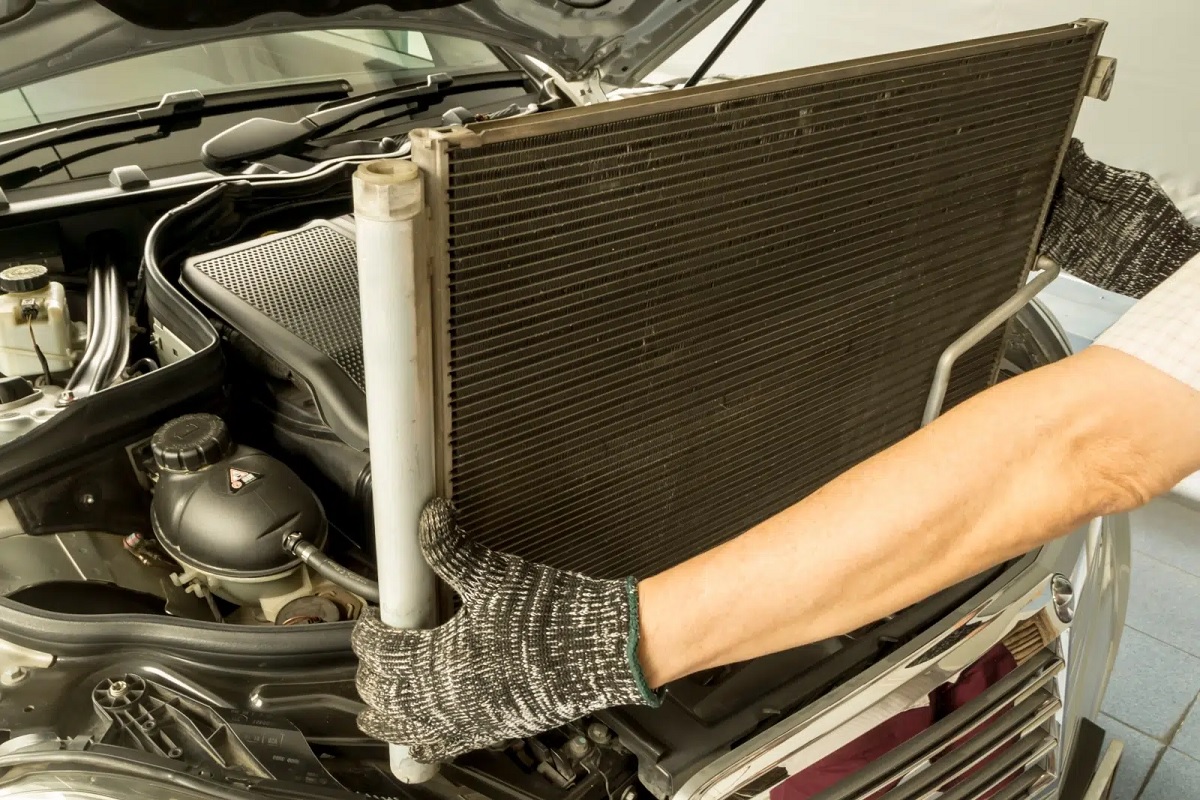
The condenser and evaporator coils are vital for heat exchange and proper cooling. Dirt, leaves, or debris accumulating on these components can obstruct airflow, reduce efficiency, and strain the system. Regular cleaning of these coils ensures heat is transferred effectively, maintaining optimal cooling performance.
Cleaning the condenser, located in front of the radiator, involves removing visible debris and using gentle water or compressed air to clear dirt. The evaporator coil, typically behind the dashboard, may require professional attention to clean thoroughly without damaging delicate fins. Preventive cleaning prevents overheating, reduces energy consumption, and maintains cold airflow. It also protects the AC system from long-term damage caused by dirt buildup or corrosion, ensuring the system remains efficient year-round.
Inspect Belts, Hoses, and Electrical Components
Mechanical and electrical components like belts, hoses, and fuses are critical to AC operation. Worn belts or cracked hoses can lead to leaks or compressor failure, while faulty fuses or corroded wiring may prevent the system from activating. Regular inspections help identify potential issues before they cause complete system failure.
Checking hoses for cracks, brittleness, or leaks, and ensuring belts are properly tensioned and free of wear, is a simple yet effective preventive measure. Inspecting electrical connections, fuses, and relays ensures the compressor receives proper power and the system operates reliably. Addressing small issues early prevents larger, more costly repairs, maintains consistent cold airflow, and reduces the likelihood of unexpected AC breakdowns.
Schedule Routine Professional AC Service
Even with consistent DIY maintenance, scheduling routine professional service ensures that the system receives thorough inspection and specialized care. Technicians can detect hidden leaks, recharge refrigerant safely, test compressors, and perform detailed cleaning that may not be possible at home.
Annual or biannual professional service includes checking all components for wear, verifying pressure levels, and ensuring the system operates efficiently. Preventive professional care not only restores optimal cooling but also extends the lifespan of expensive components like the compressor and condenser. By combining DIY maintenance with periodic professional attention, your car AC remains reliable, energy-efficient, and consistently capable of delivering cold air whenever needed.
FAQs
Why Did My Car AC Suddenly Stop Blowing Cold Air?
You may notice your car AC suddenly stops blowing cold air due to several common issues. Low refrigerant levels, caused by leaks, prevent the system from producing cold airflow. Mechanical problems like a failing compressor or clogged condenser can also disrupt cooling. Electrical faults, including blown fuses or faulty relays, may stop the compressor from engaging.
Examining the AC system and checking for obvious issues like dirty filters or blocked vents often helps identify the cause. Timely inspection and repair restore airflow and prevent further damage to the system.
Can a Refrigerant Leak Cause My AC to Stop Blowing Cold Air?
Yes, a refrigerant leak is one of the most common reasons your AC fails suddenly. Refrigerant absorbs heat from the cabin air, and a low level reduces cooling efficiency. Even a small leak in hoses, seals, or the compressor can prevent proper airflow.
Signs of a refrigerant leak include hissing noises, oily residue around AC components, and weak or warm airflow. Repairing leaks and recharging the system restores cooling performance and protects the compressor from damage caused by running low on refrigerant.
Could a Faulty AC Compressor Be the Problem?
A failing AC compressor can stop your car AC from blowing cold air abruptly. The compressor circulates refrigerant throughout the system, and if it fails, the cooling cycle is disrupted. Low lubrication, worn internal components, or electrical issues can cause compressor failure.
Symptoms of a faulty compressor include strange noises, warm air from the vents, or intermittent cooling. Replacing or repairing the compressor is often necessary, as attempting DIY fixes may worsen damage. Regular maintenance prevents sudden failure and keeps the AC system reliable.
How Do Electrical Problems Affect AC Performance?
Electrical issues like blown fuses, faulty relays, or damaged wiring can prevent the AC from activating, stopping cold air from blowing. Modern AC systems rely heavily on electrical components, and even minor faults can disrupt operation.
You might notice intermittent cooling, complete failure, or unusual AC behavior when electrical problems are present. Testing circuits, checking fuses, and inspecting wiring connections help identify the problem. Professional repair ensures safe handling and accurate restoration of airflow.
Can a Clogged Cabin Air Filter Cause AC Failure?
Yes, a dirty or clogged cabin air filter can restrict airflow, making it seem like your AC has stopped blowing cold air. Reduced airflow causes the system to work harder, which can lead to uneven cooling or strain on other components.
Replacing the cabin air filter regularly improves airflow, maintains cooling efficiency, and protects the evaporator from dust and debris buildup. This simple maintenance step often restores cold air without complex repairs.
Does Low AC Oil Affect Cooling Performance?
Low or contaminated AC oil can cause the compressor to seize, stopping the system from circulating refrigerant. Oil lubricates moving parts, and inadequate lubrication can lead to friction, overheating, and eventual system failure.
Signs of low oil include strange compressor noises, intermittent airflow, and warm air from the vents. Checking and replenishing the correct type of AC oil during maintenance ensures smooth operation, consistent cooling, and prevents costly component damage.
Should I Attempt DIY Repair or See a Professional?
Whether you attempt a DIY repair or see a professional depends on the complexity of the issue. Simple tasks like replacing filters or topping up refrigerant are safe for experienced DIYers. Complex problems such as compressor failure, refrigerant leaks, or electrical faults require professional intervention.
Incorrect DIY attempts can worsen the problem or damage sensitive components. Professionals have the tools, expertise, and certifications needed to safely diagnose and repair the system, ensuring reliable cooling and preventing future failures.
Final Thoughts
A sudden drop in your car’s cooling performance can be frustrating, especially during hot weather. Identifying the underlying cause is key to restoring comfort, whether it’s low refrigerant, a faulty compressor, clogged filters, or electrical issues. Regular maintenance and timely inspections can prevent many common AC problems and extend the system’s lifespan.
Understanding [Why Your Car AC Suddenly Stopped Blowing Cold Air] allows you to take appropriate action, whether that’s a simple filter replacement or consulting a professional mechanic. Ignoring warning signs can lead to more extensive damage, higher repair costs, and continued discomfort during drives.
Taking proactive steps, such as checking refrigerant levels, cleaning the condenser, and monitoring electrical components, can keep your AC running efficiently. By addressing the root cause promptly, you ensure that your car remains cool, comfortable, and reliable, making sudden AC failures a thing of the past.